
Desserts
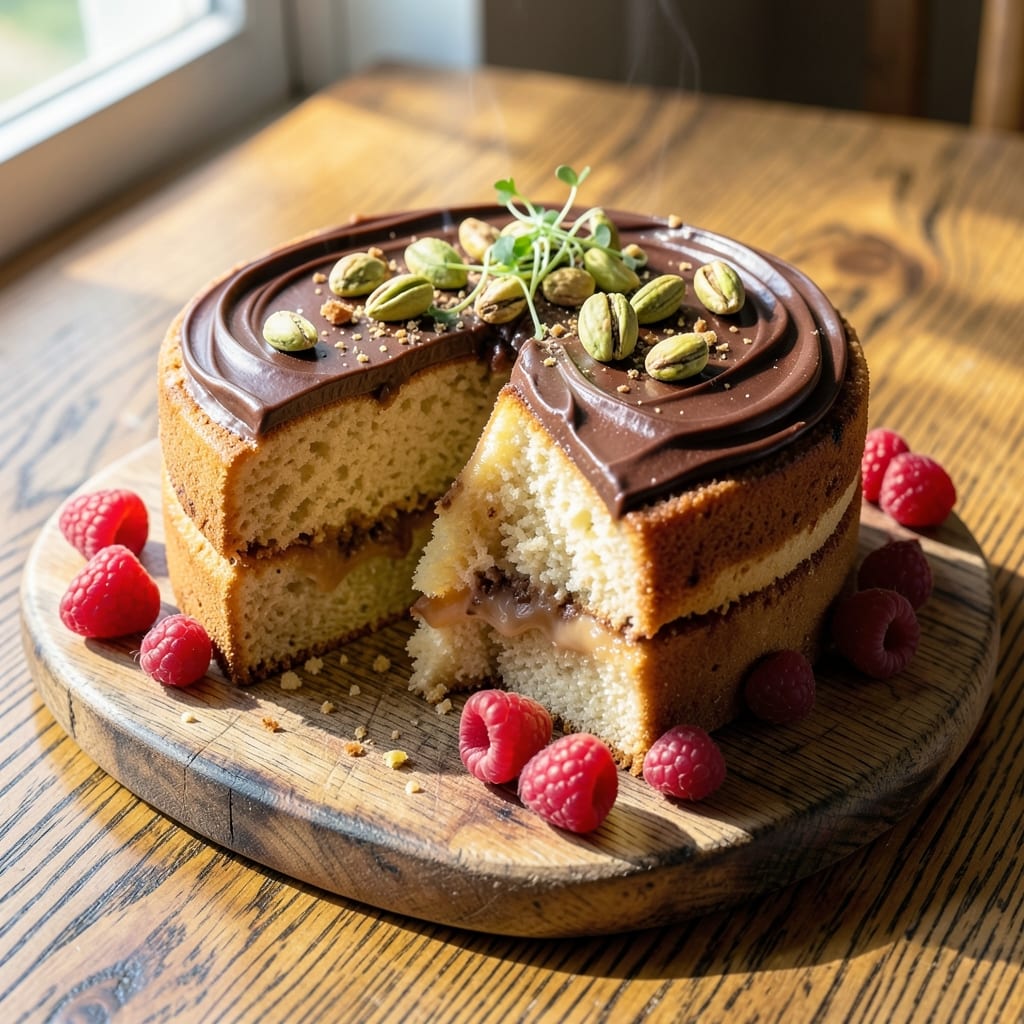
This army cake recipe delivers the perfect balance of dense, moist layers and velvety spiced yogurt frosting—a timeless dessert that feels both comforting and elegant without requiring advanced baking skills. 💛 The secret lies in its simple yet strategic ingredients: layers of tender vanilla cake and a creamy frosting that stays perfectly set, even in warm climates. What makes it truly special is how effortlessly it comes together, with no need for fancy equipment or complicated techniques.
The cake itself is baked in a springform pan, creating a sturdy, sliceable texture that holds up beautifully to the rich yogurt frosting. The frosting, a blend of Greek yogurt, powdered sugar, and warm spices like cardamom or cinnamon, adds a tangy contrast that cuts through the sweetness of the cake. This combination is a staple in many cultures, often served at celebrations or as a simple treat for everyday indulgence.
What you’ll end up with is a dessert that’s both impressive and approachable—ideal for gatherings or when you want to impress without stress. The layers are perfectly balanced, with the cake providing structure and the frosting adding a luxurious finish. The result is a dessert that’s as satisfying to make as it is to eat, with every bite offering a harmonious blend of textures and flavors.
Ready to bake? This recipe scales easily for crowds, and variations like chocolate or coconut can be incorporated without altering the core technique. Let’s get started on creating a dessert that’s as classic as it is delicious.
Ingredients for army cake
Twelve essential ingredients crafting layers of velvety cake and spiced yogurt frosting.
| Ingredient | Amount | Notes |
|---|---|---|
| All-Purpose Flour 🌾 | 3 cups | Sifted for optimal texture |
| Granulated Sugar 🍚 | 2 cups | White or light brown preferred |
| Unsalted Butter 🧈 | 1 cup | Cold, cubed for even baking |
| Large Eggs 🥚 | 4 whole | Room temperature for blending |
| Vanilla Extract 🌿 | 2 tsp | Pure, high-quality extract |
| Baking Powder 🧂 | 2 tsp | Diamond Crystal preferred |
| Ground Cinnamon 🌶️ | 1 tsp | Freshly ground for warmth |
| Salt 🧂 | ½ tsp | Fine sea salt preferred |
| Plain Greek Yogurt 🍶 | 1 ½ cups | Full-fat for creaminess |
| Powdered Sugar 🍚 | 3 cups | Sifted for smooth frosting |
| Ground Cardamom 🌿 | ½ tsp | Optional, for spiced depth |
| Lemon Juice 🍋 | 1 tbsp | Freshly squeezed |
The Greek yogurt is the heart of this recipe—full-fat for maximum creaminess, and Fage or Siggi's are my go-to brands. Look for plain, unsweetened varieties to avoid altering the frosting's delicate balance. The flour should be sifted to prevent dense layers, and King Arthur or Gold Medal brands are reliable choices. For the butter, Plugrá or Land O'Lakes work well, but ensure it's cold and cubed before creaming. Cardamom, though optional, elevates the frosting's complexity—Penzeys or Spicewalla carry high-quality ground cardamom if you want to splurge.
No Greek yogurt? Plain sour cream or full-fat cottage cheese can substitute, though texture will differ slightly. Running short on vanilla extract? Vanilla bean paste or even a scraped vanilla bean adds depth. The baking powder must be fresh—test by mixing with water; if it fizzes vigorously, it's good to go. For the frosting, powdered sugar should be sifted to avoid lumps, and Domino or C&H brands are consistent choices. If you're avoiding cardamom, extra cinnamon or a pinch of nutmeg can mimic its warmth. The frosting's tangy contrast is key, so don't skip the lemon juice—freshly squeezed yields brighter flavor.
Store cake layers separately in an airtight container at room temperature for 2 days, or freeze for 3 months wrapped tightly in plastic. The frosting keeps for 5 days in the fridge, but assemble the cake just before serving to maintain its velvety texture. For make-ahead convenience, bake the cake a day ahead and refrigerate the frosting separately. Reassemble with a quick chill in the fridge before slicing—this ensures clean cuts and perfect presentation.
Why You'll Love This Recipe
- No Mixer Needed: I swear by this recipe because it only requires a bowl and a whisk—no electric mixer, no stand mixer, just elbow grease for a minute or two. The butter and sugar get creamed by hand so smoothly, you’ll forget how little effort it takes.
- Vanilla Butter Bliss: That vanilla extract? It’s not just a drop—it’s the star. The warm, buttery richness of the cake, layered with the deep vanilla aroma, makes every bite feel like a hug. Honestly, I’ve tried cutting corners with imitation vanilla, and I immediately regretted it.
- Lunchbox Legend: Between us, this cake is my go-to for school lunches or office snacks. It’s sturdy enough to handle a backpack ride, slices neatly, and those kids (or coworkers) will think you slaved over it. My daughter even asks for it on Fridays—no lie.
- Pantry Staple Power: You’ve got flour, sugar, butter, eggs, and vanilla? Done. No specialty ingredients, no last-minute grocery runs. It’s the kind of recipe that turns your basic pantry into a dessert factory—perfect for when you’re broke or just lazy. (Yes, even on a Tuesday night.)
Step-by-step instructions for army cake
Master the technique behind this legendary cake's moist layers and velvety frosting.
👨🍳 Step 1: Prepare the Cake Batter for Perfect Texture
In a stand mixer fitted with the paddle attachment, cream the 1 cup unsalted butter and 2 cups granulated sugar on medium speed for 5-6 minutes until light and fluffy. You'll see the mixture nearly double in volume and become pale in color—this incorporates air that creates the cake's signature tender crumb.
Add the 4 whole large eggs, one at a time, mixing well after each addition. Then whisk in the 2 teaspoons vanilla extract, 1.5 cups plain Greek yogurt, and 1 tablespoon lemon juice. The yogurt adds moisture while the lemon brightens the flavor—don't skip this step. In a separate bowl, sift together the 3 cups all-purpose flour, 2 teaspoons baking powder, 1 teaspoon ground cinnamon, 0.5 teaspoon salt, and 0.5 teaspoon ground cardamom (if using).
🍳 Step 2: Combine Dry Ingredients for Even Baking
With the mixer on low speed, gradually add the dry ingredients to the wet mixture. Mix just until combined—30-45 seconds—being careful not to overmix. The batter should be smooth with a few small lumps remaining. Overmixing develops gluten, which can make the cake dense instead of light.
Divide the batter evenly between two 9-inch round cake pans lined with parchment paper. Tap the pans gently on the counter to remove any air bubbles. Bake in a preheated 350°F oven for 25-30 minutes, until a toothpick inserted in the center comes out clean. The edges should be golden, but the tops may still look slightly underdone—this is normal.
🥘 Step 3: Prepare the Yogurt Frosting for Silky Smoothness
While the cakes cool, prepare the frosting by beating the 3 cups powdered sugar with the 1.5 cups plain Greek yogurt on medium speed until completely smooth. Add the 1 teaspoon vanilla extract and 0.5 teaspoon ground cardamom (if using) and mix until fully incorporated. The frosting should be thick but spreadable—if it's too stiff, add 1 teaspoon lemon juice at a time until it reaches the right consistency.
This yogurt-based frosting is what makes army cake special—it's lighter than buttercream and has a tangy brightness that cuts through the cake's richness. Let the frosting sit at room temperature for 10 minutes before using to make it easier to spread.
⏰ Step 4: Assemble and Chill for Maximum Flavor
Once the cakes have cooled completely, level the tops if needed. Place one cake layer on a serving plate and spread a thin layer of frosting on top. This "crumb coat" prevents the final frosting from seeping into the cake. Add the second cake layer and frost the entire top and sides with the remaining frosting, using a spatula to create smooth, even strokes.
Refrigerate the cake for at least 2 hours before serving. This chilling time allows the flavors to meld and the frosting to set properly. The cake will keep well in the refrigerator for up to 3 days, though I find it's best enjoyed within the first 24 hours when the frosting is at its peak texture.
Pro Tips For Making Army Cake
- MEASURE FLOUR BY WEIGHING: I learned this the hard way—scooping flour from the bag packs it down, adding way more than the recipe calls for. Use a kitchen scale for the flour (and sugar too, if you’re picky) to guarantee a light, tender cake instead of a dense brick. A 12-ounce bag of flour will yield about 3 cups when weighed, not the 4 cups you’d scoop.
- CREAM BUTTER AND SUGAR UNTIL PALE: Don’t just mix the butter and sugar until it looks combined—beat it until the mixture turns a light, almost translucent color. That extra 2-3 minutes with the mixer ensures the sugar dissolves fully, which makes the cake moist and rich rather than dry. (Yes, even if you’re impatient like me.)
- DON’T OVERMIX THE BATTER: The second you add the eggs, stop mixing the second everything is just incorporated. Overmixing develops gluten, and that’s how you end up with a tough, chewy cake instead of the soft, crumbly texture army cake is famous for. Fold in the flour gently—think "just until no streaks remain."
- USE ROOM-TEMPERATURE EGGS: Cold eggs from the fridge will create pockets of steam in the batter, leading to a cake that collapses or has uneven texture. Let them sit in warm water for 5 minutes or take them out of the fridge 30 minutes before baking. Trust me, your cake will rise more evenly and hold its shape.
Serving suggestions for this dish
Classic Presentation
Serve your army cake on a chilled glass platter to maintain the frosting's velvety texture while adding an elegant touch. I like using a round cake stand (like the Le Creuset 10-inch) to showcase the layers beautifully. Dust the top with powdered sugar just before serving for a restaurant-worthy finish—this also helps prevent sticking to plates. 💫
Fruit Toppings
Add a fresh contrast with thinly sliced strawberries or raspberries arranged in a circular pattern on top. For a tropical twist, use mandarin orange segments or mango slices—just arrange them in the last 10 minutes before serving to keep them vibrant. A drizzle of light honey (about 1 tablespoon) enhances the natural sweetness without overpowering the cake.
Warm Beverage Pairings
This cake pairs beautifully with warm chai tea or espresso to balance its richness. For a cozy touch, serve with hot milk or cinnamon-spiced coffee. I often recommend a small cup of strong black tea (like Earl Grey) to cleanse the palate between bites. Avoid overly sweet drinks—they'll clash with the frosting's tangy brightness.
Mini Cake Serving
For parties or gatherings, cut the cake into 1-inch thick slices and serve on mini dessert plates with a small metal cake stand. This makes it easy to share and adds a charming presentation. Garnish each slice with a sprinkle of cinnamon or a tiny mint leaf for an extra pop of color. 🌟
Seasonal Variations
In summer, add fresh berries or citrus zest to the frosting for brightness. For winter, infuse the frosting with warm spices like nutmeg or ginger, and serve with a spiced apple sauce on the side. The cake's versatility makes it perfect for any season—just adjust the toppings to match the occasion.
Make-Ahead Serving
Assemble the cake up to 2 days ahead and store it in an airtight container in the fridge. Bring it to room temperature for 30 minutes before serving to let the frosting soften slightly. This makes it ideal for holidays or special events when you want to enjoy the cake without last-minute stress. 💪
Nutrition facts
Frequently asked questions
Why does army cake need to chill before serving?
The chilling time is crucial! Refrigerating for at least 2 hours lets the yogurt frosting set properly, preventing it from becoming too soft or melting. This also allows the flavors to meld beautifully, giving you that perfect balance of creamy frosting and tender cake layers.
Can I make army cake without a springform pan?
Yes, but use two 9-inch round cake pans instead. Bake the layers separately and assemble between parchment paper for easier handling. The key is to chill between layers to prevent sogginess. For presentation, you can frost the sides after assembly instead of baking in a single pan.
What makes the yogurt frosting different from buttercream?
The yogurt frosting is lighter and tangier, with a velvety texture that stays stable in warm climates. Unlike buttercream, it doesn't need refrigeration to set and has a subtle brightness from the lemon juice. This makes it perfect for humid weather—no melting or sliding off the cake!
How do I fix a cracked or sunken top on my cake?
If the top cracks slightly, it's normal—just frost over it! For sunken centers, ensure your oven isn't too hot and check for doneness at 25 minutes. If it's already baked, slice off the top 1/4 inch and frost the flat surface for a clean finish. A quick fix is to dust with powdered sugar to disguise minor imperfections.
Can I substitute Greek yogurt in the frosting?
Yes! Use sour cream or full-fat cottage cheese (blended smooth) for similar texture. For a lighter option, mix 1 cup yogurt with 1/2 cup milk. Avoid low-fat versions—they won't give the same creamy result. Adjust powdered sugar slightly if your substitute is tangier.