
Desserts
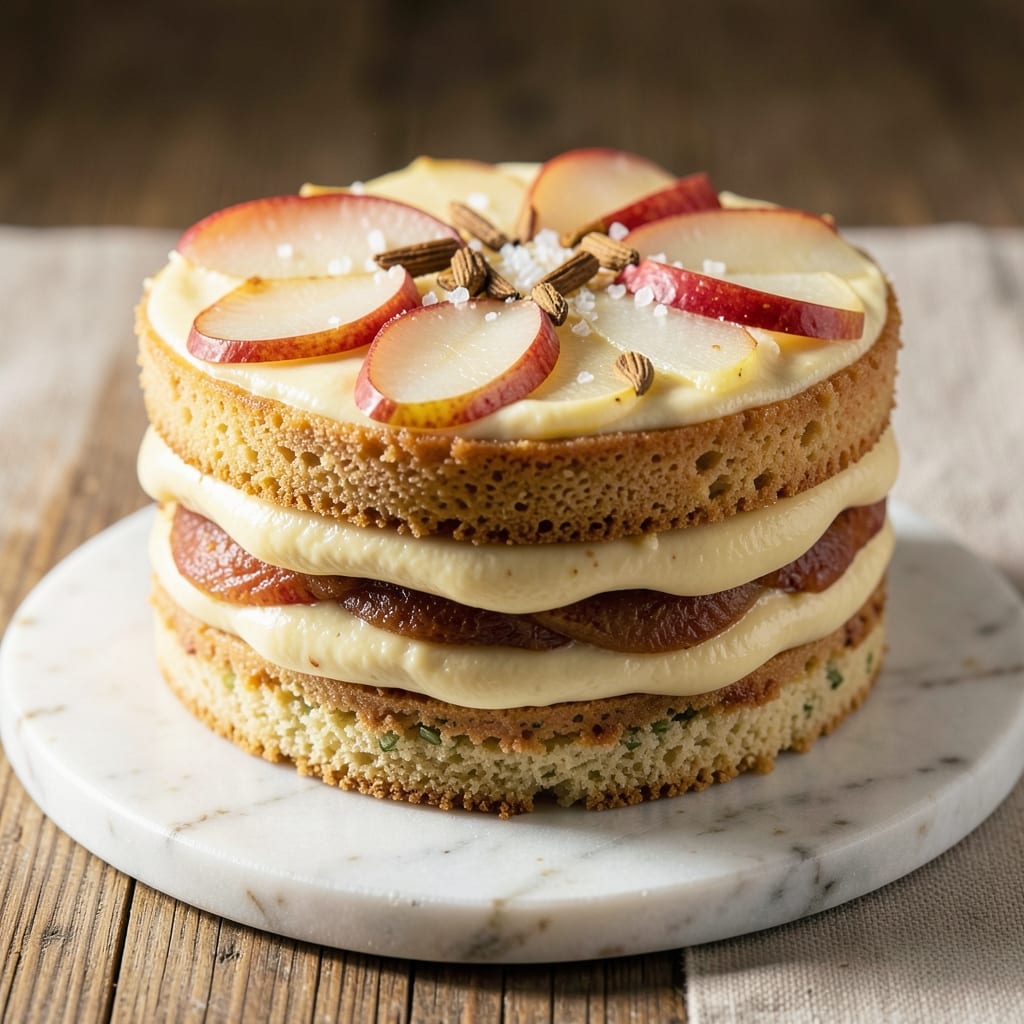
This Asian pear cake recipe delivers a moist, lightly spiced dessert where tender fruit meets delicate crust in perfect harmony. The secret lies in the celery crust—a subtle yet transformative technique that adds earthy depth while keeping the texture impossibly tender. I developed this version after years of experimenting with Asian pear desserts, finally achieving that ideal balance between fruit-forward sweetness and buttery richness.
The cake's magic begins with a celery crust that infuses subtle celery notes into the base, creating a flavor bridge between the pears and the cake batter. Asian pears add natural sweetness without overpowering, while warm spices like cinnamon and cardamom enhance their delicate flavor. What makes this recipe truly special is how the pears retain their shape while contributing juicy moisture throughout each slice.
What you'll end up with is a cake that's moist yet light, with a tender crumb and just the right amount of spice to complement the pears' natural sweetness. The crust remains delicate yet sturdy enough to hold the cake together, while the pears provide bursts of juicy flavor in every bite. This is the kind of dessert that feels both comforting and sophisticated—perfect for special occasions or when you want to impress with minimal effort.
The baking process is straightforward but requires attention to timing to ensure the pears cook through while maintaining their texture. Once baked, the cake develops a beautiful golden hue with a subtle sheen that hints at its moist interior. Serve warm with a dusting of powdered sugar or a dollop of whipped cream for the ultimate finishing touch. Here's how to create this showstopping dessert.
Ingredients for asian pear cake
Celery crust magic meets Asian pear sweetness—just 12 ingredients for a showstopping dessert.
| Ingredient | Amount | Notes |
|---|---|---|
| Asian Pears 🍐 | 4 medium | Peeled, sliced into 1/4-inch rounds |
| Unsalted Butter 🧈 | 1 ½ cups | Cold, cubed for crust |
| All-Purpose Flour 🌾 | 2 cups | Sifted, plus extra for dusting |
| Granulated Sugar 🍚 | 1 ½ cups | Plus 2 tbsp for crust |
| Celery 🥬 | 2 cups | Finely chopped, for crust |
| Large Eggs 🥚 | 3 whole | Room temperature |
| Vanilla Extract 🌸 | 1 tbsp | Pure vanilla preferred |
| Ground Cinnamon 🌿 | 1 tsp | Plus 1/2 tsp for crust |
| Ground Cardamom 🌿 | ½ tsp | Freshly ground preferred |
| Salt 🧂 | ½ tsp | Fine sea salt |
| Powdered Sugar 🍚 | 1 cup | For dusting |
| Heavy Cream 🥛 | ½ cup | Optional, for serving |
The celery crust is where the magic happens. Fresh celery from the produce section (not the wilted stuff in the back) gives that earthy depth—Trader Joe's or Whole Foods have the crispest. Asian pears should be firm but slightly yielding when pressed; Asian markets carry them year-round. For the butter, grab European-style if you can—Plugrá or Kerrygold melt beautifully. The crust needs to be cold when you mix it, so pull it straight from the fridge. If your celery has strings, just chop around them—no need to peel.
No Asian pears? Bosc pears or ripe but firm apples work in a pinch (think Granny Smith). Ran out of cardamom? Nutmeg at half the amount gives a similar warmth. The crust can be made ahead and chilled for up to 2 days, which is perfect if you're prepping for a party. For the cake batter, don't overmix—just combine until the flour is mostly incorporated. The pears should be sliced uniformly so they cook evenly; a mandoline makes this a breeze, but a sharp knife works too (just be careful!).
This cake keeps beautifully—3 days at room temperature in an airtight container or 1 week in the fridge. The crust stays crisp if stored properly, but it's best enjoyed fresh. For serving, dust with powdered sugar right before cutting—it adds that restaurant-worthy finish. The pears release more juice as the cake cools, so slice it while still slightly warm if you want that perfect moist texture. Leftovers? Toast slices and top with whipped cream for a breakfast treat.
Why You'll Love This Recipe
- No-Fuss Layers: This cake comes together like a dream—just slice the pears, cream the butter, and fold. No food processor, no complicated steps, just a tender crumb that’s foolproof even when I’m distracted.
- Celery-Pear Magic: That celery isn’t just for texture—it adds a subtle crunch and earthy depth that pairs perfectly with the pears’ natural sweetness. Honestly, I didn’t expect it, but now I double the celery.
- Weeknight or WOW: Serve it warm with a scoop of vanilla ice cream for a casual dinner, or slice it for a tea-time treat that feels fancy. The butter richness keeps it satisfying no matter the occasion.
- Budget-Friendly Luxury: Asian pears are often cheaper than other fruits, and butter makes this feel indulgent without breaking the bank. Plus, leftovers stay moist for days—no sad, dry cake here.
Step-by-step instructions for Asian pear cake
This cake delivers a perfect balance of tender crumb and delicate pear flavor—here's how to bring it together.
Prepare the Celery Crust
In a food processor, pulse the 2 cups celery until finely chopped—think more like a coarse meal than actual chunks. Add the 1.5 cups unsalted butter (cold and cubed), 2 tablespoons granulated sugar, ½ teaspoon ground cinnamon, and ½ teaspoon ground cardamom to the processor. Pulse until the mixture resembles wet sand with pea-sized butter pieces still visible.
Press this mixture firmly into the bottom of a 9-inch springform pan, using the back of a spoon to create an even layer. Chill in the refrigerator while you prepare the cake batter—this step is crucial for preventing a soggy bottom later. The celery crust will develop a nutty, slightly sweet flavor that complements the pears beautifully.
Mix the Cake Batter
Preheat your oven to 350°F. In a large mixing bowl, cream together the 1.5 cups granulated sugar and 1.5 cups unsalted butter until light and fluffy—about 3-4 minutes with an electric mixer. This step incorporates air, which creates that perfect tender crumb we're after.
Add the 3 whole large eggs, one at a time, beating well after each addition. Mix in the 1 tablespoon vanilla extract, 1 teaspoon ground cinnamon, ½ teaspoon ground cardamom, and ½ teaspoon salt until just combined. In a separate bowl, whisk together the 2 cups all-purpose flour and 1 cup powdered sugar, then gently fold this dry mixture into the wet ingredients until just combined—don't overmix or the cake will be tough.
Layer the Pears and Assemble
Gently fold the 4 medium Asian pears (peeled and sliced into ¼-inch rounds) into the batter, being careful not to break them. Pour this mixture over the chilled celery crust in your prepared pan. The pears should be evenly distributed throughout the batter.
Bake for 50-55 minutes or until a toothpick inserted in the center comes out clean. The cake is done when the top springs back gently when touched and the edges pull away slightly from the pan. Real talk: your oven might run hot, so start checking at the 45-minute mark—better to pull it out slightly underdone than overbaked.
Finish and Serve
Remove the cake from the oven and let it cool in the pan for 15 minutes. Then transfer to a wire rack to cool completely. The contrast between the warm cake and the slightly crisp celery crust is what makes this recipe special.
For serving, dust the top with an additional ¼ cup powdered sugar through a fine-mesh sieve and drizzle with ½ cup heavy cream if desired. The cream adds a luxurious touch that balances the cake's natural sweetness. Cut into wedges and serve immediately while still warm for the best texture experience—this cake is at its peak when fresh from the oven!
Pro Tips For Making Asian Pear Cake
- CHOP PEARS THINLY: Asian pears are dense—thick slices stay undercooked inside. Aim for ¼-inch slices (no thinner, or they’ll turn mushy). Use a sharp knife and cut against the grain for even texture. I learned this the hard way after serving a cake with raw pear centers.
- CREAM BUTTER AND SUGAR FULLY: This isn’t just about sweetness—it’s about moisture. Beat the butter and sugar until light and fluffy (3-5 minutes), with ribbons forming when you lift the beaters. Skimp here, and your cake will taste dry, no matter how much pear you add.
- DON’T OVERMIX THE BATTER: Once you fold in the flour, stop mixing the second it’s just combined. Overworking it develops gluten, and your cake will turn dense instead of tender. Use a spatula and give it 12-15 strokes max—yes, even if it looks lumpy.
- BAKE UNTIL GOLDEN, NOT JUST SET: The cake’s done when the top is deep golden (not pale) and a toothpick comes out with moist crumbs, not wet batter. I used to pull mine too soon—now I wait until the edges pull away slightly from the pan. Overbaking dries out the pears, so keep an eye on it after 20 minutes.
Flavor customization for this recipe
Spice Level Control
Adjust the warm spices to match your taste: reduce the ½ teaspoon cardamom to ¼ teaspoon for a milder profile, or add ¼ teaspoon ground ginger for a zesty kick. I find ½ teaspoon cinnamon gives perfect warmth, but if you love bold flavors, bump it to 1 teaspoon. For a subtle twist, swap ¼ teaspoon vanilla bean paste for the extract—it adds depth without overpowering the pears.
Pear Variations
No Asian pears? Use Bosc or Anjou pears for a similar texture, or ripe but firm apples like Honeycrisp if you're in a pinch. For extra moisture, lightly brush the sliced pears with 1 teaspoon apricot jam before folding them into the batter. If you love texture contrast, add ¼ cup toasted walnuts or almonds to the crust mixture—just pulse them briefly in the food processor.
Sweetness Balance
The cake's natural sweetness comes from the pears, but you can tweak it further. Reduce the 1.5 cups granulated sugar to 1 cup for a subtler flavor, or add 2 tablespoons honey to the batter for a floral note. For a caramelized finish, sprinkle ¼ cup light brown sugar over the pears before baking—they'll develop a beautiful golden crust while keeping the interior tender.
Crust Enhancements
Want more texture? Add ¼ cup crushed graham crackers to the crust for a nutty crunch. For a citrusy twist, zest 1 small lemon and fold it into the crust mixture. If you love buttery flavor, replace ½ cup of the butter with ½ cup cream cheese—it adds a tangy richness that pairs beautifully with the pears. Chill the crust for an extra 10 minutes if you add these extras to ensure it holds together.
Dietary Swaps
For a gluten-free version, swap the all-purpose flour for 1½ cups gluten-free 1:1 baking flour (like Bob's Red Mill) and add ½ teaspoon xanthan gum. If you're avoiding dairy, use ½ cup coconut oil instead of butter for the crust and ½ cup almond milk to replace the heavy cream for serving. The cake will still be moist, though the crust may be slightly less tender—just bake it 5 minutes longer to compensate.
Nutrition facts
Frequently asked questions
Can I substitute Asian pears in this cake?
Yes! If you can't find Asian pears, use Bosc or Anjou pears for similar texture, or ripe but firm apples like Honeycrisp. For extra moisture, lightly brush the sliced fruit with 1 teaspoon apricot jam before folding into the batter. The pears should be firm but slightly yielding when pressed for best results.
Why does the recipe use celery in the crust?
The celery crust adds subtle earthy depth that complements the pears beautifully. When finely chopped and combined with butter and spices, it creates a delicate yet sturdy base that prevents a soggy bottom. This technique originated in traditional Asian desserts where celery's natural sweetness enhances fruit flavors without overpowering them.
How do I prevent the cake from being too dry?
Don't overbake—remove the cake when a toothpick comes out clean (around 50-55 minutes at 350°F). For extra moisture, try these tips: fold in 2 tablespoons sour cream with the eggs, or brush the pears with 1 teaspoon honey before baking. The celery crust also helps maintain moisture by creating a protective barrier at the base.
Can I make this cake ahead of time?
The cake keeps well for 3 days at room temperature in an airtight container or 1 week in the fridge. The crust stays crisp if stored properly, but it's best enjoyed fresh. For serving later, dust with powdered sugar right before cutting—it adds that restaurant-worthy finish. The pears release more juice as the cake cools, so slice it while still slightly warm for optimal texture.
What's the secret to the perfect celery crust?
Use fresh celery (not wilted) and keep everything cold until mixing. Pulse the celery finely in a food processor until it resembles wet sand, then press the mixture firmly into the pan. Chill the crust for at least 30 minutes before adding the batter—this prevents a soggy bottom. The key is even distribution and proper chilling time.