
Main Courses
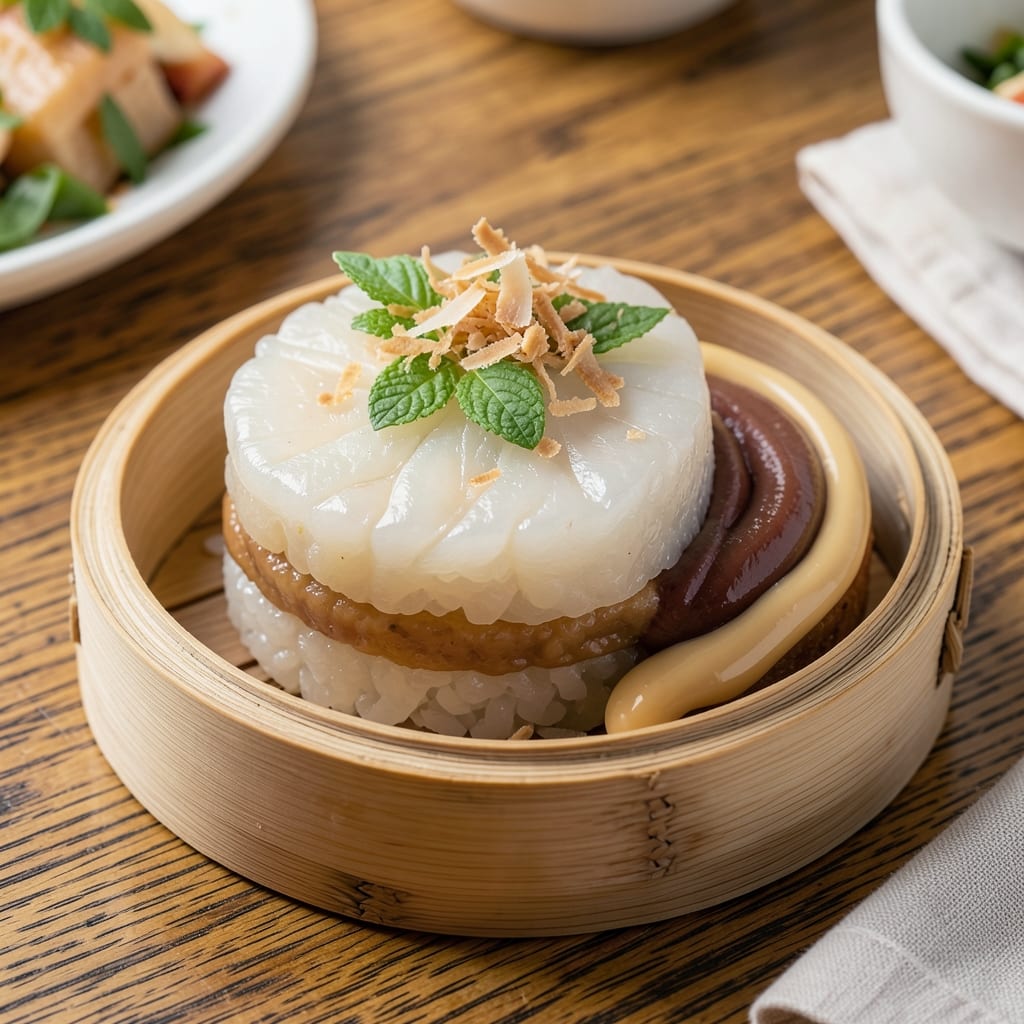
This Asian rice cake recipe ideas transforms simple ingredients into delicate, chewy treats that balance tradition and creativity. 🌟 Whether you're making classic mung bean or modern matcha-filled versions, the process is straightforward but requires patience for perfect texture. The key lies in the batter's consistency—too thick, and they'll be dense; too thin, and they'll lose structure.
From Japanese mochi to Korean songpyeon, these rice cakes span cultures and occasions, from New Year celebrations to everyday snacks. We'll cover steaming, frying, and baking methods, each yielding distinct textures—crispy edges, tender centers, or melt-in-your-mouth softness. The fillings are where flavor shines: sweet red bean, nutty peanut, or savory mushroom and scallion.
What makes these rice cakes special is their versatility—sweet for desserts, savory for appetizers, or even modern twists like ube or vegan adaptations. The batter's simplicity hides its magic: glutinous rice flour, sugar, and water (or plant-based milk) create a foundation that absorbs fillings beautifully. Mastering the shaping technique ensures uniform, elegant results every time.
Perfect for holidays, potlucks, or a quick homemade treat, these rice cakes prove that tradition and innovation can coexist. Let's explore the techniques and variations that will elevate your table—whether you're a beginner or a seasoned home cook. The possibilities are endless, and the process is deeply rewarding.
Ingredients for asian rice cake recipe ideas
Transform simple pantry staples into delicate Asian rice cakes with these versatile ingredients.
| Ingredient | Amount | Notes |
|---|---|---|
| Glutinous Rice Flour 🍚 | 2 cups | High-quality, fine-milled preferred |
| Granulated Sugar 🍬 | ½ cup | Adjust for sweetness preference |
| Water 💧 | 1 ½ cups | Room temperature preferred |
| Red Bean Paste 🌱 | 1 cup | Sweet or savory variety |
| Peanut Butter 🥜 | ½ cup | Creamy or crunchy, unsalted |
| Shredded Coconut 🥥 | ½ cup | Sweetened or unsweetened |
| Mung Bean Paste 🌱 | 1 cup | Traditional filling option |
| Dried Shiitake Mushrooms 🍄 | ¼ cup | Rehydrated for savory version |
| Scallions 🧅 | 3 whole | Thinly sliced for garnish |
| Sesame Seeds 🌾 | 1 tbsp | Toasted for crunch and flavor |
| Vegetable Oil 🫒 | 1 tbsp | For pan-frying edges |
| Matcha Powder 🍵 | 1 tbsp | For modern green tea version |
| Ube Halaya 🍠 | ½ cup | Purple yam jam for modern twist |
| Salt 🧂 | ¼ tsp | Fine sea salt preferred |
| Cornstarch 🌾 | 1 tbsp | For dusting work surface |
The glutinous rice flour is non-negotiable—it's what gives these rice cakes their signature chewy texture. Bob's Red Mill or King Arthur brands are reliable, but check labels for 100% pure glutinous rice flour (not a blend). If you can't find it, mochiko flour from Asian markets works perfectly. The sugar can be adjusted based on your sweetness preference, but keep in mind that the fillings will add their own sweetness too. For the water, room temperature is ideal—it blends more smoothly with the flour without creating lumps. If you're making savory versions, reduce the sugar to just 2 tablespoons and increase the salt slightly.
No red bean paste? Sweetened mashed sweet potatoes or black sesame paste work beautifully for sweet variations. For savory options, rehydrated shiitake mushrooms blended with scallions create a rich umami filling. Peanut butter can be swapped for almond butter or tahini if you prefer nutty flavors. The matcha powder is a game-changer for modern versions—just mix it with a little water to form a paste before incorporating into the batter. If you're going for a tropical twist, coconut cream can replace water in the batter, giving it a lighter texture. For the ube halaya, store-bought versions from Asian markets are convenient, but homemade is worth the effort for that vibrant purple color.
Once mixed, the batter should be thick but pourable—like pancake batter consistency. If it's too thick, add water one tablespoon at a time; if too thin, whisk in a little more flour. The batter keeps well in the fridge for up to 3 days, covered tightly. For the fillings, pre-portion them into small bowls to avoid messy handling later. These rice cakes freeze beautifully—shape them, then freeze on a tray before transferring to a bag. They'll keep for up to 3 months frozen, though texture may be slightly firmer after thawing. For best results, steam or pan-fry fresh from the fridge or frozen.
Why You'll Love This Recipe
- No-Fuss Mixing: I swear by this recipe because it’s basically three ingredients you stir together—no kneading, no fuss. Just glutinous rice flour, sugar, and water, then steam. My hands stay clean, my kitchen stays tidy, and the result? Still chewy perfection.
- Sweet-Savory Magic: That red bean paste and peanut butter combo? It’s like dessert and snack had a baby. The bean paste adds this deep, earthy sweetness, while the peanut butter gives it a rich, nutty crunch—every bite tastes like a hug from your favorite bakery.
- Steal for Any Occasion: Pack them for lunch, bring them to a potluck, or just snack on them straight from the fridge. They hold up for days without drying out, and honestly? They’re just as good cold as they are warm. (Yes, even on a Tuesday night.)
- Budget-Friendly Stretch: A bag of rice flour lasts forever, and you only need a spoonful of peanut butter for a whole batch. Between us, these cakes cost me pennies to make but feel like a treat—perfect for when you want something special without breaking the bank.
Step-by-step instructions for Asian rice cake variations
Let's craft these versatile rice cakes using the same base—just swap fillings for sweet or savory twists.
👨🍳 Step 1: Prepare the Rice Cake Batter
In a large mixing bowl, combine the 2 cups glutinous rice flour and 0.25 tsp salt. Create a well in the center and add the 1.5 cups water and 1 tbsp vegetable oil. Mix vigorously until you achieve a smooth, elastic dough that pulls away from the bowl sides—this should take about 5 minutes of active mixing.
Here's the thing—this dough needs to be supple but not sticky. If it feels too dry, add 1 tsp water at a time until it becomes pliable. If it's too sticky, sprinkle in 1 tbsp cornstarch and knead gently. The ideal texture should resemble soft modeling clay that doesn't cling to your fingers.
🥘 Step 2: Shape the Rice Cake Dough
Divide the dough into 4 equal portions (about 8 oz each) and roll each portion into a 4-inch log on a lightly cornstarch-dusted surface. For a traditional look, keep them cylindrical, but you can also flatten slightly for a more modern presentation. Seal any seams by pinching gently.
This is where creativity comes in—I like to make two sweet and two savory versions for variety. Wrap each log tightly in plastic wrap and refrigerate for 30 minutes to firm up. Cold dough holds its shape better during cooking and prevents cracking.
🔥 Step 3: Cook the Rice Cakes (Pan-Fry Method)
Heat a non-stick skillet over medium-low heat and add 1 tbsp vegetable oil. Once the oil shimmers (but doesn't smoke), carefully place 2 rice cake logs in the pan. Cook for 8-10 minutes per side until golden brown spots develop—this indicates the interior is fully cooked and the exterior has achieved that perfect crispy texture.
Don't rush this step. You'll know they're ready when the exterior develops a deep golden-brown color and releases easily from the pan. If they brown too quickly, reduce the heat slightly. The interior should be firm but tender—like a cross between a steamed bun and a dense cake.
🍽️ Step 4: Prepare Fillings and Assemble
For sweet versions, slice each cooked rice cake log diagonally into ½-inch thick pieces. Spread 2 tbsp red bean paste or ube halaya on one half, then sandwich with another piece. For a tropical twist, mix 2 tbsp peanut butter with 1 tbsp matcha powder and 1 tsp water to create a vibrant green filling—spread this between layers.
For savory versions, rehydrate the dried shiitake mushrooms in warm water for 15 minutes, then finely chop. Mix with 2 tbsp mung bean paste, 1 tbsp toasted sesame seeds, and 1 thinly sliced scallion. Spread this mixture between rice cake halves. For coconut lovers, sprinkle 2 tbsp shredded coconut between layers before closing.
⏰ Step 5: Serve Warm with Garnishes
Arrange the assembled rice cakes on a serving platter and let them sit for 5 minutes to firm up slightly. Garnish with thin scallion slices and an additional sprinkle of toasted sesame seeds for color and crunch. Serve warm—the contrast between the crispy exterior and tender interior is what makes these rice cakes irresistible.
Pro tip: For an extra-special presentation, dust the serving platter with powdered sugar before arranging the sweet versions. These rice cakes keep well at room temperature for 2 days, making them perfect for meal prep or gifting.
Pro Tips For Making Asian Rice Cake Recipe Ideas
- STEAM THE BATTER FIRST: Pour the glutinous rice flour-sugar-water mix into a steamer lined with banana leaves or parchment—don’t let it touch the metal. After 10 minutes, flip the cake or fold the leaf over; this prevents a raw center. I learned this the hard way when my first batch stayed gummy inside no matter how long I steamed it.
- WEIGH THE RED BEAN PASTE: Skip the eyeballing—use a kitchen scale for the red bean paste (aim for 30-40% of the total batter weight). Too much makes the texture dense; too little means flavor fades. My grandmother swore by this, and she was right: the paste isn’t just filling, it’s the soul of the cake.
- CHILL THE PEANUT BUTTER MIX: If using peanut butter in the filling, blend it with a splash of warm water (1 tsp per 2 tbsp peanut butter) and refrigerate for 30 minutes before shaping. This firms it up so it doesn’t ooze out during steaming—yes, even if you’re impatient like me.
- USE A THERMOMETER FOR DONENESS: Pull the cake when the center hits 205°F (96°C). Glutinous rice flour lies—it can look cooked but stay sticky inside. I was skeptical until I tried it: no more guessing, no more gummy bites. (Your future self will thank you.)
Serving suggestions for leftovers
Sweet Presentation Ideas
For sweet rice cakes, arrange them on a platter dusted with powdered sugar or toasted coconut flakes for a snowy, tropical effect. I like to drizzle warm honey or sweetened condensed milk over the top just before serving—it adds a glossy finish that makes them look restaurant-worthy. 🌟
Savory Garnish Combinations
Savory versions shine with fresh thinly sliced scallions and crispy fried shallots scattered on top. For extra depth, add a sprinkle of toasted black sesame seeds or crumbled fried tofu for protein. A drizzle of soy-glazed sauce (mix 1 tbsp soy sauce with 1 tsp honey) ties all the flavors together beautifully.
Modern Twist Garnishes
For matcha or ube-filled rice cakes, garnish with edible gold leaf or crushed pistachios for a luxurious touch. A few drops of rosewater or vanilla extract on the plate adds a subtle floral aroma that elevates the presentation. These details make them perfect for brunch or dessert tables.
Serving as Appetizers
Cut the rice cakes into bite-sized pieces and arrange them on skewers with cherry tomatoes and mozzarella balls for a fusion appetizer platter. Serve with a side of spicy peanut sauce (mix 2 tbsp peanut butter with 1 tbsp sriracha and 1 tsp lime juice) for dipping. This works wonderfully for parties or game day!
Dessert Pairings
Pair sweet rice cakes with chilled coconut milk or jasmine tea to complement their flavors. For a warm dessert, serve them with vanilla bean ice cream—the contrast of temperatures makes each bite magical. A sprinkle of crushed freeze-dried strawberries adds a fruity crunch that balances the richness.
Holiday Gift Packaging
Wrap individual rice cakes in parchment paper and tie with twine for a charming gift. Add a small jar of homemade jam or chocolate sauce as a pairing. These make thoughtful gifts for friends or neighbors—especially during Lunar New Year or Christmas when rice cakes symbolize prosperity. 💛
Nutrition facts
Frequently asked questions
Can I make Asian rice cakes without glutinous rice flour?
While traditional recipes rely on glutinous rice flour for that signature chewy texture, you can substitute with 1 cup regular rice flour + 1 cup all-purpose flour. The result will be less elastic but still delicious. For a closer texture, try tapioca starch (mixed with regular flour) or cornstarch—both add chewiness. Just know the flavor will be milder than authentic versions.
How do I prevent my rice cakes from cracking or breaking when cooking?
Cracking happens when the dough isn't properly rested or the heat is too high. Always chill the shaped logs for 30 minutes before cooking, and use medium-low heat in your pan. For extra protection, lightly dust the logs with cornstarch before pan-frying. If cracks appear, don't worry—just fill them with extra filling or powdered sugar for a decorative touch!
What's the best way to store leftover rice cakes?
Store them in an airtight container at room temperature for up to 2 days, or refrigerate for 5 days. For longer storage, freeze shaped (uncooked) logs for 3 months or cooked cakes for 2 months. To reheat, warm in a 350°F oven for 10 minutes or steam for 5 minutes to restore crispiness. Microwaving works but can make them soggy.
Can I make vegan or gluten-free Asian rice cakes?
For vegan versions, replace honey with maple syrup or agave and use plant-based milk (like coconut milk) instead of water. For gluten-free, ensure your glutinous rice flour is certified GF and use tamari instead of soy sauce. The batter will still need 5 minutes of vigorous mixing to develop elasticity—just work with it gently to avoid tearing. The texture will be slightly different but equally satisfying!
What's the difference between steaming and pan-frying these rice cakes?
Steaming yields a softer, lighter texture with minimal browning—ideal for delicate flavors like matcha or ube. Pan-frying creates a crispy exterior and chewy interior, perfect for hearty fillings like peanut or mushroom. For best results, steam first (5 minutes) then pan-fry to get both textures! Steamed versions are great for desserts, while fried ones work well as appetizers or main dishes.