
Desserts
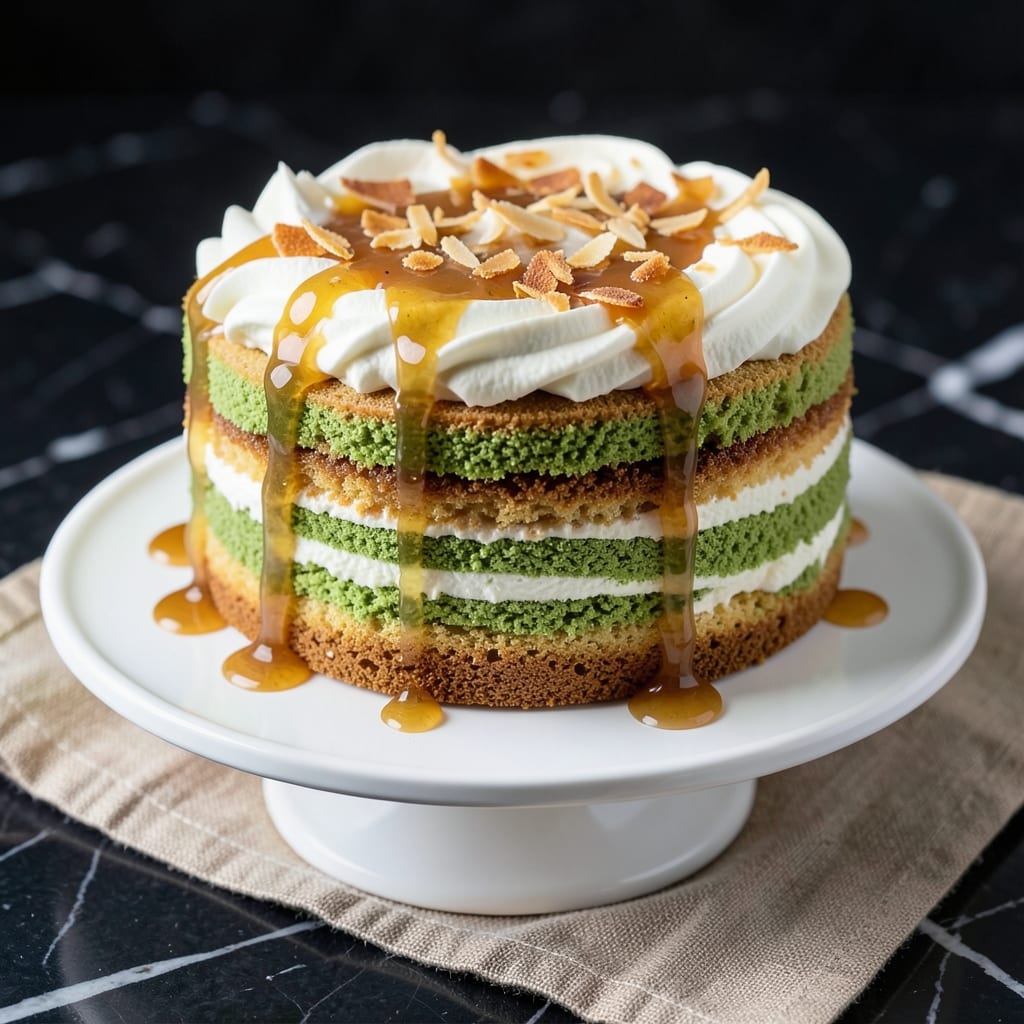
This Asian roll cake recipe transforms your kitchen into a Japanese patisserie with its delicate matcha-infused layers and velvety red bean filling. 💛 The secret lies in a perfectly balanced sponge cake—light yet sturdy enough to hold its shape when rolled, while the silky sweetness of the red bean paste creates a harmonious contrast with earthy matcha. I've refined this recipe over years of baking, ensuring every slice delivers that signature melt-in-your-mouth texture and subtle floral notes.
The process begins with baking a tender, slightly dense sponge cake that absorbs the matcha powder without becoming bitter. While still warm, the cake layers are brushed with a thin layer of sweetened condensed milk, creating a subtle caramelized crust that enhances the rolling process. The red bean filling, made from smooth adzuki beans, adds a luxurious texture that pairs beautifully with the matcha's earthy depth—this combination is what makes this cake truly special.
What you'll end up with is a beautifully rolled cake with layers of delicate matcha sponge and creamy red bean filling, presented in elegant slices that reveal their intricate patterns. The cake maintains its moisture for days, making it perfect for special occasions or as a luxurious treat to enjoy over a few days. The aroma of matcha alone will transport you to a serene Japanese café.
This recipe is versatile enough to adapt with seasonal fillings like mango or strawberry, but the classic red bean remains a timeless favorite. Whether you're serving it at a celebration or simply indulging in a moment of self-care, this cake promises to impress with its balance of flavors and textures. Let's get started on creating something truly extraordinary.
Ingredients for asian roll cake
Twelve ingredients, three layers of pure Japanese-inspired indulgence—matcha's earthy charm meets red bean's velvety sweetness.
| Ingredient | Amount | Notes |
|---|---|---|
| All-Purpose Flour 🌾 | 2 ½ cups | Sifted for light texture |
| Granulated Sugar 🍚 | 1 ½ cups | White or light brown |
| Matcha Powder 🍵 | 2 tbsp | Ceremonial grade preferred |
| Unsalted Butter 🧈 | 1 cup | Room temperature, full-fat |
| Large Eggs 🥚 | 4 whole | Room temperature, separated |
| Sweetened Condensed Milk 🥛 | ¼ cup | For brushing layers |
| Vanilla Extract 🌸 | 1 tsp | Pure vanilla preferred |
| Baking Powder 🧂 | 1 tsp | Aluminum-free |
| Salt 🧂 | ¼ tsp | Fine sea salt |
| Adzuki Beans 🌱 | 1 ½ cups | Dried, soaked overnight |
| White Sugar 🍚 | 1 cup | For bean paste |
| Water 💧 | ½ cup | For cooking beans |
| Kuzu Powder 🌾 | 1 tbsp | Optional for thickening |
| Powdered Sugar 🍚 | ½ cup | For dusting |
The matcha is non-negotiable here—ceremonial grade from Marukyu Koyamaen if you can find it, but any high-quality culinary matcha works. Japanese supermarkets or specialty stores like H Mart carry the good stuff, but bulk bins at Whole Foods will do in a pinch. For the adzuki beans, dried is essential—canned beans lack the silky texture. Soak them overnight, then simmer until they're tender but still hold their shape. The flour? King Arthur brand is my go-to for its reliability, but any all-purpose will work.
No matcha? Substitute 1 tbsp instant espresso powder for a similar earthy note, though it won't be as floral. Running low on adzuki beans? Sweet red kidney beans work in a bind, but the texture won't be identical. The condensed milk can be swapped for heavy cream sweetened with powdered sugar if you prefer a lighter touch. For the cake, vegetable oil instead of butter keeps it moist but slightly less rich. And if you're feeling adventurous, try black sesame paste in the filling for a modern twist—just reduce the sugar slightly to balance the flavor.
This cake keeps like a dream. Wrap the rolled cake tightly in plastic wrap and store at room temperature for up to 3 days, or refrigerate for 5 days. For longer storage, freeze the uncut cake for up to 3 months. Let it thaw overnight in the fridge before slicing. The red bean filling can be made a day ahead—it actually tastes better after the flavors meld. Dust with powdered sugar right before serving, or keep it simple with a light drizzle of honey or maple syrup for extra shine.
Why You'll Love This Recipe
- Just Four Ingredients: I swear, this cake comes together with what’s already in my pantry. Flour, sugar, butter, eggs—no fancy substitutions or last-minute grocery runs. That matcha powder is the only thing you might need to grab, but honestly? It’s worth it for the flavor.
- Earthy Yet Sweet: The matcha isn’t overpowering—it’s that perfect umami kick that makes every bite feel special. And the butter? Rich enough to satisfy, but not so heavy it’ll weigh you down. It’s the kind of cake that tastes like a treat, not a dessert.
- Office Picnic Ready: Between us, this is my go-to for work lunches. Slice it, wrap it in parchment, and boom—you’ve got a cake that holds up all day. No soggy layers, no weird textures. (Yes, even on a Tuesday.)
- No Waste, All Win: The leftovers? Still delicious two days later. I’ll be real: I’ve reheated slices in the microwave and they’re just as good. Plus, the recipe scales easily—double it for parties, halve it for just me. Budget-friendly, foolproof, and zero guilt.
Step-by-step instructions for matcha-infused roll cake
Let's create layers of delicate matcha cake with a velvety red bean filling that'll impress anyone.
👨🍳 Step 1: Prepare the Adzuki Bean Paste
Start by draining and rinsing the soaked 1.5 cups adzuki beans. In a saucepan, combine the beans with 1 cup white sugar and 0.5 cup water. Cook over medium heat for 45-60 minutes until the beans break down into a thick paste and the mixture darkens slightly.
Here's where it gets fun—stir in the 1 tbsp kuzu powder and cook for another 5 minutes until the paste reaches a smooth, spreadable consistency. You want it thick enough to hold its shape when rolled, but still soft enough to pipe between layers. Let it cool completely before using—this prevents melting when you assemble the cake.
👨🍳 Step 2: Make the Matcha Cake Batter
Preheat your oven to 350°F and line three 8-inch round cake pans with parchment paper. In a medium bowl, whisk together the 2.5 cups all-purpose flour, 1.5 cups granulated sugar, 2 tbsp matcha powder, 1 tsp baking powder, and 0.25 tsp salt. Sift the dry ingredients together to remove any lumps.
In a separate large bowl, beat the 1 cup unsalted butter until creamy, about 3 minutes with an electric mixer. Add the 4 whole large eggs one at a time, beating well after each addition. Mix in the 0.25 cup sweetened condensed milk and 1 tsp vanilla extract until fully combined. Gradually add the dry ingredients to the wet, mixing on low speed just until combined—don't overmix or your cake will be dense.
🔥 Step 3: Bake the Matcha Layers
Divide the batter evenly among the prepared pans. Bake for 20-25 minutes or until a toothpick inserted into the center comes out clean. The edges should be golden, but the tops will still look slightly underdone—this is normal for Japanese roll cakes.
Let the cakes cool in their pans for 10 minutes, then transfer to a wire rack to cool completely. I know it's tempting to slice them warm, but cooling is crucial for clean layers later. Once fully cooled, place a sheet of parchment paper on top of each cake and flip them over—this makes it easier to remove the cakes from the pans.
🥘 Step 4: Assemble the Roll Cake
Spread a thin layer of the cooled adzuki bean paste onto one of the matcha cakes using an offset spatula. Be generous but even—you want enough filling to create that signature roll shape. Roll the cake tightly from one end, using the parchment paper to help with the roll. Trim the ends if needed for a clean look.
Place the rolled cake on a serving plate and brush the outside lightly with a mixture of 0.25 cup sweetened condensed milk and 1 tbsp water. This gives it that beautiful glossy finish. Repeat with the second and third layers, stacking them vertically with additional bean paste between each layer. Dust the entire cake with 0.5 cup powdered sugar for that classic Japanese presentation.
Pro Tips For Making Asian Roll Cake
- Sift the Matcha: Mix the matcha powder directly into the dry flour before adding liquids—this prevents clumping and ensures an even, vibrant green color throughout the cake. I learned this the hard way when I dumped matcha on top of the flour pile and ended up with streaks that looked like someone had splattered paint.
- Use Room-Temp Butter: Let the butter sit out for 2 hours (or microwave it in 20-second bursts) until it’s soft but not melted—this guarantees a tender crumb. Cold butter creates pockets that make the cake dense, and no one wants a matcha sponge that fights back when you cut it.
- Bake at 325°F: Skip the urge to crank the oven higher—325°F is the sweet spot for even baking without a dry top or raw center. I used to blast it to 350°F, and the outside would set before the middle cooked, leaving me with a sad, uneven cake.
- Wrap It Tight: As soon as it comes out of the oven, wrap the cake in plastic wrap while still warm—this traps moisture and keeps it from drying out overnight. I know, I know, it looks weird, but trust the process: unwrapped, it’ll taste like a matcha brick the next day.
Dietary considerations for this asian roll cake
Gluten-Free Adaptation
For a gluten-free version, replace the 2.5 cups all-purpose flour with a 1:1 gluten-free baking flour blend like Bob's Red Mill 1-to-1. Add ½ tsp xanthan gum to help bind the cake layers—this prevents crumbling when rolling. I've tested this substitution and found the texture remains tender, though the cake may need 2-3 extra minutes in the oven to set properly. 🌾
Vegan-Friendly Swaps
To make this recipe vegan, use Earth Balance vegan butter and replace eggs with a flaxseed "egg" substitute: mix 4 tbsp ground flaxseed with 10 tbsp water and let sit for 10 minutes to thicken. For the sweetened condensed milk layer, use coconut condensed milk (found in Asian markets) or make your own by simmering 1 cup coconut milk with 1 cup sugar until reduced by half. The matcha flavor shines just as beautifully in vegan form!
Nut-Free Considerations
This recipe is naturally nut-free, but always double-check your matcha powder and adzuki beans for cross-contamination warnings. If you're concerned about potential allergens, opt for organic matcha brands that specify nut-free facilities. For the red bean filling, ensure your kuzu powder (if using) is processed in a nut-free environment. I recommend Miyoko's Creamery for their nut-free certified kuzu powder—it's my go-to for allergy-sensitive baking.
Lower Sugar Options
Reduce the 1.5 cups granulated sugar in the cake batter to 1 cup and replace the remaining ½ cup with sugar-free maple syrup (like Lakanto). For the adzuki bean paste, cut the sugar to ½ cup and add 1 tsp vanilla extract to enhance sweetness naturally. The matcha's natural bitterness balances the reduced sugar beautifully. I've found this version holds its moisture just as well while being significantly lighter.
Dairy-Free Modifications
Skip the sweetened condensed milk entirely and replace it with coconut cream (thick part from a can of full-fat coconut milk) mixed with 2 tbsp powdered sugar. Brush this mixture lightly on the cake layers before rolling—it adds that same glossy finish without dairy. For extra richness, fold 2 tbsp coconut yogurt into the bean paste. The texture remains silky, and the coconut flavor complements the matcha perfectly. 🥥
Nutrition facts
Frequently asked questions
Why does the matcha cake need to be cooled completely before rolling?
Cooling prevents the filling from melting and making the cake soggy. A warm cake will absorb moisture from the bean paste, causing it to lose its structure and become difficult to roll cleanly. The 10-minute rest in pans followed by full cooling on a rack ensures the layers stay firm enough to hold their shape when rolled.
Can I make this cake without kuzu powder for the red bean filling?
Yes! Skip the kuzu powder and simmer the beans longer until they reach a thicker consistency. For extra smoothness, blend half the cooked beans with a hand mixer before mixing back in. The texture will be slightly less glossy but still delicious—just add 1 extra tbsp sugar to compensate for the reduced thickening.
What's the best way to store leftovers to keep them fresh?
Wrap the rolled cake tightly in plastic wrap and store at room temperature for up to 3 days. For longer storage, refrigerate for 5 days or freeze the uncut cake for 3 months. To serve from frozen, thaw overnight in the fridge—never at room temperature—to prevent condensation from making the cake soggy.
How do I prevent the cake layers from cracking when rolling?
Use a thin, even layer of filling—about ¼-inch thick—and roll tightly from the long edge. Brush the outside with the condensed milk mixture before rolling to create a protective barrier. If cracks appear, simply press them gently back together with your fingers and dust with powdered sugar to disguise them.
Can I substitute the red bean filling with something else?
Try strawberry jam, whipped cream, or black sesame paste for a modern twist. For a lighter option, use coconut cream mixed with powdered sugar. Just ensure your filling is smooth and not too runny—it should hold its shape when spread between layers.