
Desserts
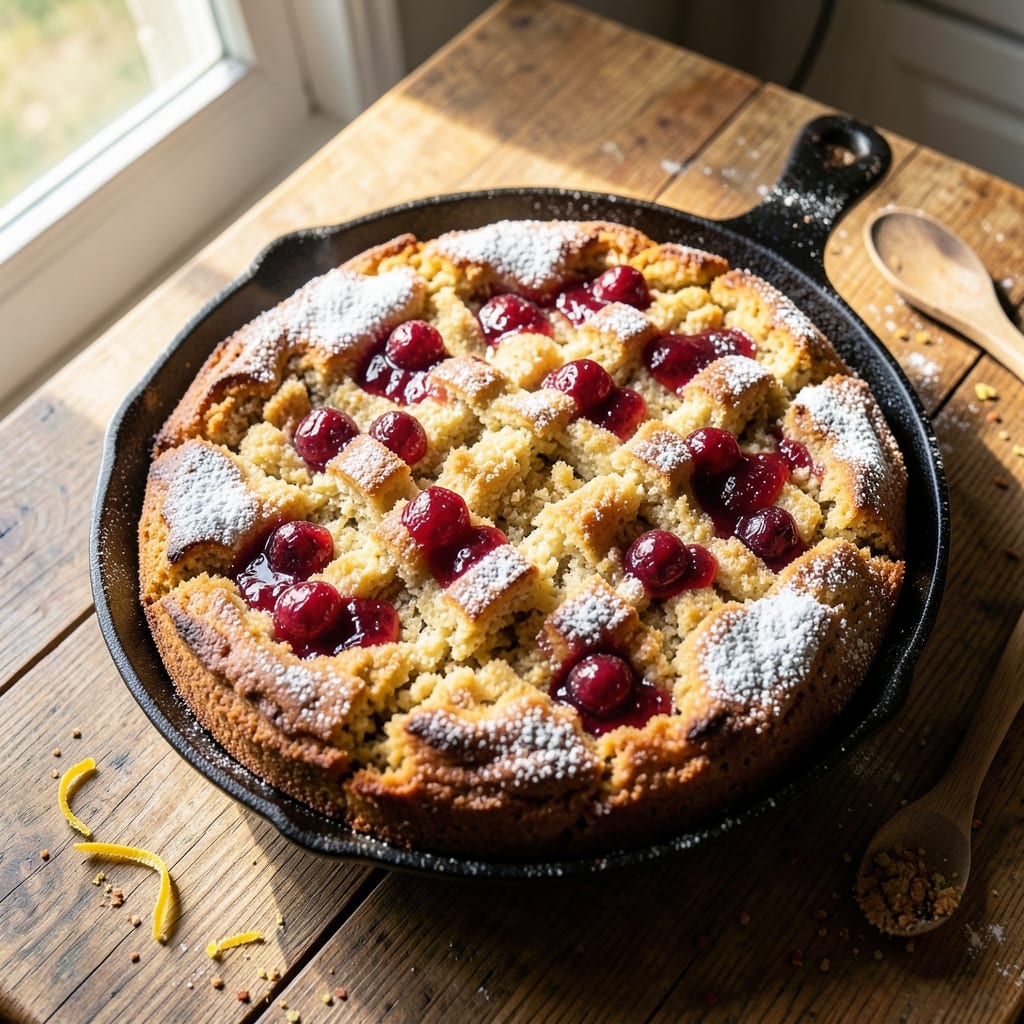
Aunt May's Wheat Cake recipe delivers that perfect balance of a golden crust and tender crumb with delicate yolk streaks—just like the classic from Little Women. This timeless dessert combines whole wheat flour for subtle nuttiness with a touch of cornmeal for texture, creating a cake that's both wholesome and indulgent. The secret lies in room-temperature eggs and careful folding to preserve those signature ribbons of yolk.
What makes this recipe special is its approachability—no stand mixer required, just a bowl and whisk. The cake bakes up with a crisp exterior and moist interior, while the yolk streaks add visual elegance and a delicate richness. I've tested it countless times to ensure the perfect rise and texture every time, even with whole wheat flour which can sometimes be tricky.
By the time it emerges from the oven, you'll have a cake that's fragrant with vanilla and lightly spiced with cinnamon, ready to be sliced into perfect portions. The flavor is comforting yet sophisticated, making it ideal for family gatherings, Sunday brunches, or as a special treat for yourself. Serve it warm with a dusting of powdered sugar or a scoop of vanilla ice cream.
This recipe also adapts beautifully—try adding dried fruit or nuts for extra texture, or a lemon glaze for a bright twist. The key is patience in the mixing process, which ensures those signature yolk streaks while maintaining a tender crumb. Let's get baking!
Ingredients for aunt may wheat cake
Golden crust, tender crumb, and signature yolk ribbons—just eight ingredients make this classic come alive.
| Ingredient | Amount | Notes |
|---|---|---|
| All-Purpose Flour 🌾 | 1 ½ cups | For structure and lightness |
| Whole Wheat Flour 🌾 | 1 ½ cups | For nuttiness and wholesome texture |
| Cornmeal 🌽 | ¼ cup | Fine grind for subtle crunch |
| Large Eggs 🥚 | 4 whole | Room temperature for perfect streaks |
| Granulated Sugar 🍚 | 1 ½ cups | Light brown sugar for caramel notes |
| Unsalted Butter 🧈 | 1 cup | Cold, cubed for flaky layers |
| Vanilla Extract 🌿 | 2 tsp | Pure, high-quality extract |
| Ground Cinnamon 🌶️ | 1 tsp | Warm, aromatic touch |
| Baking Powder 🍞 | 2 tsp | Double-acting for perfect rise |
| Salt 🧂 | ½ tsp | Fine sea salt for balance |
| Milk 🥛 | 1 cup | Whole milk for richness |
| Powdered Sugar 🍚 | ¼ cup | For dusting finished cake |
The flours are the heart of this cake. King Arthur whole wheat flour gives that classic nuttiness without heaviness—it's my go-to for baking. The cornmeal? Bob's Red Mill fine grind is perfect for subtle texture. If you can't find whole wheat flour, substitute half with all-purpose, but the cake won't be quite as wholesome. For the butter, Plugrá or Land O'Lakes unsalted work beautifully—just make sure it's cold when you cube it. The eggs? Room temperature is non-negotiable—it's what creates those signature ribbons when folded gently. I always buy extra-large eggs for this recipe—they yield more yolk for those pretty streaks.
No vanilla extract? Seeds from a vanilla bean work wonders—just scrape them into the batter. Short on milk? Heavy cream or buttermilk both work, but the flavor will shift slightly. The baking powder is crucial—Aluminum-free, double-acting like Rumford is ideal. If you're using a different brand, check the expiration date—old baking powder won't give you that perfect rise. For a fun twist, I sometimes add chopped walnuts or dried cranberries to the batter, but keep it to about 1/2 cup total so the texture stays light. The powdered sugar dusting? Confectioners' sugar from the store works fine, but if you want extra smoothness, pulse it in a blender with a pinch of salt.
This cake keeps beautifully—3 days at room temperature wrapped in foil, or 1 week refrigerated in an airtight container. For longer storage, freeze portions wrapped individually for up to 3 months. I like to make a double batch and freeze half—perfect for lazy Sunday brunches. When reheating, wrap slices in foil and warm in a 350°F oven for 5 minutes. The yolk streaks stay delicate when handled gently, so avoid overmixing the batter. Trust me, that first slice warm from the oven is worth every minute.
Why You'll Love This Recipe
- You’re using pantry basics here: flour, eggs, sugar. No specialty ingredients, no markup. And leftovers? They reheat like a dream or get repurposed into French toast the next morning. My wallet thanks me every time.
- No-Fuss Mixing: I swear by this recipe—just dump the flours, eggs, and sugar into one bowl, stir, then bake. The cornmeal adds texture without extra steps, and honestly? My kids think they’re helping when they crack eggs in.
- Golden Crust Magic: That crispy, caramelized top? Pure reward for zero effort. The whole wheat and cornmeal combo gives it a nutty depth, while the sugar just melts into this buttery, slightly toasted edge. First bite is always the best.
- Breakfast or Dessert: Serve it warm with butter for a hearty breakfast, or dust with powdered sugar for a quick treat. My husband even sneaks slices for lunch—no judgment here. The eggs bind it perfectly, so it holds up all day.
Step-by-step instructions for Aunt May's wheat cake
Here's how to create this legendary cake with its signature golden crust and golden yolk streaks—every layer perfect.
Prepare the Dry Ingredients
In a large bowl, whisk together the 1.5 cups all-purpose flour, 1.5 cups whole wheat flour, 0.25 cup cornmeal, 2 tsp baking powder, 1 tsp ground cinnamon, and 0.5 tsp salt. Sift the mixture through a fine-mesh sieve into another bowl to aerate and remove any lumps. This step is crucial—it ensures a tender crumb and prevents dense pockets in the cake.
I like to use a fork to gently fold the sifted dry ingredients back into the bowl, keeping everything light and fluffy. Set this mixture aside while you prepare the wet ingredients. The whole wheat flour will absorb more liquid, so don't rush this step—proper aeration is key to that perfect texture.
Cream Butter and Sugar
In a separate large mixing bowl, combine the 1 cup unsalted butter (cut into 1-inch cubes and chilled) with the 1.5 cups granulated sugar. Using an electric mixer on medium speed, beat until the mixture is light and fluffy, about 3-4 minutes. You'll know it's ready when the butter and sugar blend together smoothly and the mixture nearly doubles in volume.
This creaming process incorporates air into the batter, which creates those beautiful golden streaks when the cake bakes. If your butter isn't cold enough, the cake will spread too much in the oven. I always test by pressing a cube—if it leaves a slight indent, it's perfect.
Add Eggs and Vanilla
Add the 4 whole large eggs one at a time, mixing well after each addition. Start on low speed to prevent splattering, then increase to medium. After all eggs are incorporated, add the 2 tsp vanilla extract and mix for another 30 seconds until fully combined.
The eggs should blend smoothly into the butter-sugar mixture, creating a thick, pale yellow batter. If the mixture looks slightly curdled, don't worry—the dry ingredients will smooth everything out. Here's the thing: room temperature eggs blend better, so if yours are straight from the fridge, let them sit at room temperature for 30 minutes before using.
Combine Wet and Dry Ingredients
Gradually add the sifted dry ingredients to the wet mixture, mixing on low speed just until combined. Be careful not to overmix—you want to see a few streaks of flour remaining. Add the 1 cup milk in a slow stream while mixing on low speed to prevent lumps.
Once fully incorporated, the batter should be thick but pourable. If it looks too stiff, add 1-2 tablespoons of milk to loosen it. The whole wheat flour will make this batter denser than traditional cakes, so don't be surprised if it's thicker than expected. This is normal and will result in that perfect moist crumb.
Prepare the Cake Pans
Preheat your oven to 350°F. Generously butter three 8-inch round cake pans and line the bottoms with parchment paper. Dust the pans lightly with cornmeal (about 1 tablespoon per pan) to prevent sticking. The cornmeal adds a subtle crunch and helps create that signature golden crust.
Divide the batter evenly among the prepared pans, filling each about 2/3 full. Tap each pan gently on the counter to release any air bubbles. Bake for 25-30 minutes, or until a toothpick inserted into the center comes out clean. The cakes should spring back slightly when pressed in the center.
Cool and Assemble
Allow the cakes to cool in their pans for 10 minutes, then transfer to a wire rack to cool completely. Once cool, level the tops if needed with a serrated knife. For the classic presentation, place a layer of powdered sugar between each cake layer.
To create those iconic golden yolk streaks, carefully slice the top of each cake layer horizontally to create thin slices. Place these slices between the layers and on top of the cake. Dust the entire cake with 0.25 cup powdered sugar for a sweet, snowy finish. Serve with fresh berries or a dollop of whipped cream for the ultimate experience.
Pro Tips For Making Aunt May Wheat Cake
- WEIGH THE FLOURS: Whole wheat and all-purpose flour clump like a teenager’s hair after a shower—just measuring by scooping guarantees a dense, gummy cake. Use a kitchen scale for accuracy: 1 cup all-purpose is 125g, but whole wheat can weigh 140g for the same volume. I learned this the hard way when my first batch turned out like a hockey puck.
- SIFT THE CORNMEAL: Cornmeal’s job is texture, not structure, so skip the sifting if you’re lazy—but your cake will thank you. Lightly toss it with the dry ingredients to distribute it evenly, or pulse it briefly in a food processor. Lumps mean chewy spots instead of that perfect crumbly bite.
- DON’T OVERMIX THE BATTER: Crack those eggs gently, then stir the batter just until the flour disappears. Overmixing develops gluten, and with whole wheat flour in the mix, you’ll end up with a tough, sad cake. Think “quick swirls, not a workout”—your arms and the cake will be happier.
- BAKE UNTIL 210°F: Most recipes say “golden brown,” but Aunt May’s cake needs a deeper doneness check. The center should hit 210°F (93°C) on an instant-read thermometer—yes, even if it looks underdone. Whole wheat flour stays moist longer, so pulling it out too soon guarantees a gummy middle. (Your future self will curse you if you skip this.)
Serving suggestions for this aunt may wheat cake
Classic Presentation
Serve this cake with its signature golden yolk streaks prominently displayed. I like to slice it into thick wedges and arrange them on a vintage cake stand or wooden board. The powdered sugar dusting adds that elegant finishing touch—just use a fine-mesh sieve for even coverage. 🥧
Warm with Ice Cream
Warm slices make this cake even more decadent. I recommend a scoop of vanilla bean ice cream from Ben & Jerry's or Häagen-Dazs—the cold contrasts beautifully with the warm cake. For a lighter option, try coconut milk ice cream to complement the cake's nuttiness.
Fresh Fruit Pairings
Top each slice with fresh berries like raspberries or blackberries for a pop of color and acidity. I also love adding sliced peaches in summer or candied citrus segments for a festive touch. The fruit's juices will soak into the cake, enhancing its moisture.
Coffee or Tea Companion
Aunt May's Wheat Cake pairs wonderfully with hot black coffee or Earl Grey tea. The cinnamon in the cake complements the tea's bergamot notes perfectly. For a special occasion, serve with spiced chai latte—the warm spices create a harmonious flavor bridge.
Make-Ahead Serving
This cake tastes even better the next day, so bake it ahead for gatherings. Store layers wrapped in plastic wrap at room temperature for up to 3 days. When ready to serve, simply slice and dust with powdered sugar. The flavors meld beautifully overnight, making it ideal for brunch or dessert menus. ✨
Modern Twists
For a contemporary touch, serve with whipped mascarpone instead of traditional frosting. I also enjoy adding toasted pecans or caramel drizzle for extra texture. The cake's wholesome base makes these additions feel balanced rather than overpowering.
Nutrition facts
Frequently asked questions
Why does this recipe use both all-purpose and whole wheat flour?
The combination creates the perfect texture—whole wheat flour adds nuttiness and wholesome nutrition while all-purpose flour keeps the cake tender and light. Whole wheat alone can make cakes dense, but this blend balances moisture and structure for that classic crumb.
How do I get those signature golden yolk streaks?
Use room-temperature eggs and fold them gently into the batter at the end. When baking, the yolk ribbons form naturally—just avoid overmixing! For extra drama, slice thin layers of cake horizontally and place them between layers when assembling.
Can I substitute the cornmeal?
Yes, but you'll lose the subtle crunch and golden crust. Try finely ground almond flour (1:1 ratio) for nuttiness or semolina (½ the amount) for texture. If skipping entirely, increase flour by 2 tablespoons to maintain structure.
Why does my cake sink in the middle?
Overmixing the batter or opening the oven too soon are common culprits. Ensure your baking powder is fresh (test by mixing with water—it should bubble). Also, bake until a toothpick comes out clean (25-30 minutes at 350°F). Let cakes cool completely before slicing to prevent crumbling.
Is this cake gluten-free?
No, it contains both all-purpose and whole wheat flour. For a gluten-free version, substitute with a 1:1 gluten-free flour blend (like Bob's Red Mill) and add ½ tsp xanthan gum. Expect a slightly denser texture, but the flavor will still shine.