
Desserts
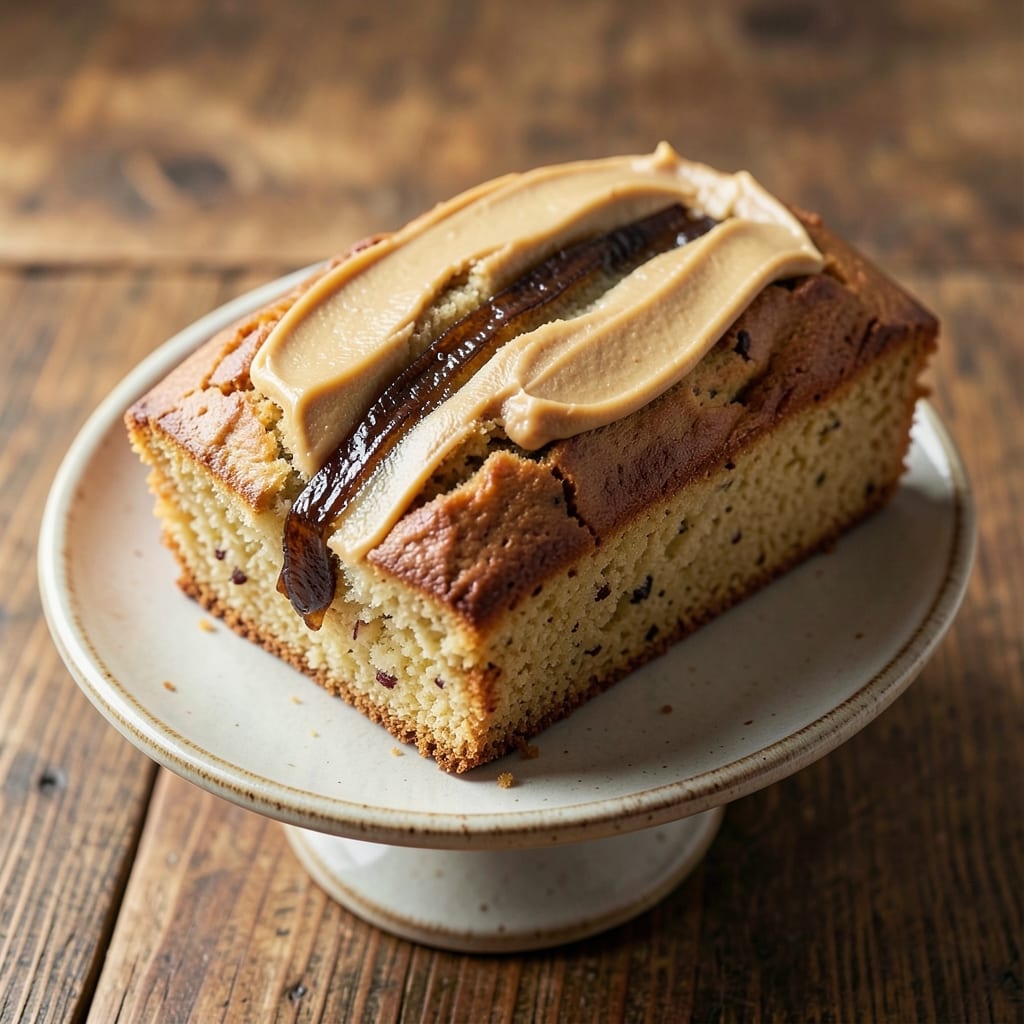
Aunt Sue's pound cake recipe delivers the kind of buttery, moist perfection that makes every slice feel like a homecoming. 💛 The secret lies in its rich vanilla bean swirls and velvety texture, baked to golden perfection with a foolproof method that ensures no dry crumbs. This classic dessert has been passed down through generations, and now it's your turn to create a cake that tastes like family.
The recipe balances simplicity with indulgence—just six core ingredients transform into layers of tender crumb and fragrant vanilla swirls. A simple buttercream frosting, lightly sweetened, complements the cake's richness without overpowering it. The key technique? Creaming the butter and sugar until light and fluffy, then folding in just the right amount of flour for that signature tender crumb.
What you'll end up with is a cake that's perfectly moist in the center and just slightly crisp at the edges, with swirls of vanilla bean that add depth to every bite. The frosting adds a touch of elegance while keeping the focus on the cake's natural buttery flavor. This is the kind of dessert that pairs beautifully with afternoon tea, coffee, or even as a special treat on its own.
Whether you're baking for a celebration or simply craving a taste of nostalgia, this recipe delivers restaurant-quality results with minimal effort. The best part? It keeps well for days, so you can enjoy slices whenever the mood strikes. Let's get started on creating your own piece of tradition.
Ingredients for aunt sue's pound cake
Six core ingredients transform into layers of tender crumb and fragrant vanilla swirls for a classic pound cake.
| Ingredient | Amount | Notes |
|---|---|---|
| Unsalted Butter 🧈 | 1 lb | Cold, cut into cubes |
| All-Purpose Flour 🌾 | 3 cups | Sifted, plus extra for pan |
| Granulated Sugar 🍚 | 2 cups | Lightly packed |
| Vanilla Bean Paste 🌿 | 2 tbsp | High-quality, or 1 vanilla bean split |
| Large Eggs 🥚 | 4 whole | Room temperature |
| Baking Powder 🧂 | 1 ½ tsp | Diamond Crystal preferred |
| Salt 🧂 | ½ tsp | Fine sea salt |
| Whole Vanilla Beans 🌿 | 2 whole | For swirls, split lengthwise |
| Heavy Whipping Cream 🥛 | 1 cup | Cold, for frosting |
| Powdered Sugar 🍚 | 3 cups | Sifted, for frosting |
| Vanilla Extract 🌿 | 1 tsp | Pure, for frosting |
| Lemon Zest 🍋 | 1 tsp | Fresh, for frosting |
The butter makes or breaks this cake—use high-fat, unsalted sticks like Land O'Lakes or Plugrá. Cold cubes ensure proper creaming, so don't let them sit out. Flour? King Arthur or Gold Medal are my go-tos—they bake up lighter. The vanilla bean paste is worth the splurge: Madagascar bourbon or Tahitian varieties add depth. For the swirls, split two whole beans lengthwise—scrape the seeds into the batter, then use the pods as your guide when swirling.
No vanilla bean paste? Two teaspoons of pure extract will work, but you'll lose that beautiful speckled look. Substituting powdered sugar? Sift it thoroughly—lumps ruin the frosting. For the frosting, heavy whipping cream must be ice-cold—whip it with powdered sugar until stiff peaks form. The lemon zest brightens the frosting without overpowering the cake's buttery flavor. Trader Joe's has affordable vanilla beans if you want to DIY the paste (simmer seeds in sugar for 10 minutes, then strain).
Store the cake in an airtight container at room temperature for up to 5 days—it actually improves overnight. For longer storage, wrap tightly in plastic and refrigerate for 1 week. The frosting? Whip it fresh each time—it won't hold well once made. I always bake two cakes: one for immediate serving, one to freeze for 3 months. Thaw overnight in the fridge before frosting.
Why You'll Love This Recipe
- Here’s what sold me: it’s fancy enough for company but cheap enough to make weekly. A stick of butter, a cup of sugar, a few eggs—no specialty ingredients, no markup. And because it keeps so well, you’ll actually have leftovers to enjoy, not just crumbs in the pan. That’s a win in my book.
- No-Measurement Madness: I swear by this recipe because it’s the rare cake that doesn’t demand perfect precision. Just cream the butter and sugar until it’s light—no food scale, no stress—and fold in the flour and eggs like you’re tucking in a blanket. The vanilla bean paste? That’s the secret—it’s rich but not overpowering, and a little goes a long way.
- Butter-Sugar Bliss: The moment that warm, golden cake comes out of the oven? Pure satisfaction. That creamy crumb? The way the vanilla lingers like a hug? It’s the kind of flavor that makes you pause mid-slice and think, “Wait, I’ll have another piece.” And honestly, that’s the best compliment a dessert can get.
- Weekend or Weeknight: This cake is my go-to for anything. Slice it fresh for brunch, pack it for a picnic, or stash it in the fridge for when you’re too tired to bake. It holds up beautifully—no freezer burn, no drying out—so it’s always ready when you are. (Yes, even on a Tuesday night.)
Step-by-step instructions for aunt Sue's classic pound cake
Here's how to create a tender, moist pound cake with signature vanilla bean swirls and velvety frosting.
👨🍳 Step 1: Prepare the Vanilla Bean Swirls
Split the 2 whole vanilla beans lengthwise using a sharp knife. Scrape out the seeds with the back of the knife and set aside. You'll need about 2 tablespoons of seeds for the swirls. The remaining seeds will be used in the batter later.
In a small bowl, combine the vanilla bean seeds with 1 tablespoon of the 2 cups granulated sugar. Use a fork to gently crush the seeds and mix with the sugar. This creates a sweet, aromatic paste that will infuse the cake with deep vanilla flavor. Set this mixture aside for now.
👨🍳 Step 2: Cream Butter and Sugar
In a stand mixer fitted with the paddle attachment, beat the 1 lb cold unsalted butter (cut into cubes) with the remaining 1 cup granulated sugar on medium speed for 3-4 minutes. The mixture should become light and fluffy, nearly doubling in volume. Scrape down the sides of the bowl to ensure even mixing.
Add the 4 whole large eggs one at a time, mixing on low speed for 30 seconds after each addition. This gradual incorporation prevents the eggs from scrambling. Stir in the 2 tbsp vanilla bean paste and mix for another 30 seconds until fully combined. The batter should be smooth and pale yellow.
👨🍳 Step 3: Combine Dry Ingredients and Fold in Swirls
In a separate bowl, whisk together the 3 cups all-purpose flour, 1.5 teaspoons baking powder, and 0.5 teaspoon salt. Gradually add this dry mixture to the wet ingredients, mixing on low speed just until combined. Avoid overmixing—you should still see a few flour streaks.
Transfer half of the batter to a separate bowl. To the remaining batter in the mixer, add the reserved vanilla bean-sugar mixture. Mix on low speed for 10 seconds to create swirls. Using a spatula, carefully fold the vanilla-infused batter back into the plain batter to create marbled streaks.
🥘 Step 4: Bake to Golden Perfection
Preheat your oven to 350°F. Grease a 9x5-inch loaf pan generously with butter and dust with flour, tapping out any excess. Pour the batter into the prepared pan and smooth the top with a spatula. Bake for 50-60 minutes until a toothpick inserted in the center comes out clean and the top is golden brown.
I like to check the cake at the 50-minute mark)—the reason we wait until the top is golden is that pound cake benefits from a slightly longer bake time to develop that signature dense yet tender crumb. Let the cake cool in the pan for 15 minutes before transferring to a wire rack to cool completely.
🍳 Step 5: Make the Lemon Vanilla Frosting
In a medium bowl, combine the 1 cup cold heavy whipping cream, 3 cups powdered sugar, 1 teaspoon vanilla extract, and 1 teaspoon lemon zest. Whip with an electric mixer on high speed for 2-3 minutes until soft peaks form. The frosting should be thick enough to hold its shape but still spreadable.
Spread the frosting evenly over the completely cooled cake. For extra flair, pipe decorative swirls using a star tip. The lemon zest adds a bright contrast to the rich vanilla cake, balancing the sweetness perfectly. Slice and serve within 24 hours for the best texture.
Pro Tips For Making Aunt Sue'S Pound Cake
- Cream Butter Slowly: I learned this the hard way—dumping cold butter into sugar and whipping it like crazy just makes a greasy mess. Instead, let the butter sit out for 30 minutes first, then beat it with the sugar on medium-high until the mixture turns pale and fluffy. That’s when you know the butter’s emulsified properly, and your cake won’t turn out dense.
- Sift the Flour Twice: Aunt Sue’s recipe relies on that light, airy texture, and skipping the sift isn’t helping. After mixing the dry ingredients, give the flour another quick sift right before folding it into the batter—yes, even if it looks fine. This removes hidden lumps and keeps the cake tender, not gummy.
- Don’t Overmix the Eggs: I was skeptical until I tried it: beat the eggs just until they’re pale and thick, but stop before they get frothy or streaky. Overworking them adds air that’ll collapse during baking, leaving you with a cake that’s more sad than showstopping. Think “smooth, not soupy.”
- Test for Doneness Early: The toothpick trick works, but so does this: tap the top of the cake gently with your knuckle. If it springs back instead of feeling mushy, it’s done—even if the center looks slightly underbaked. Overbaking dries out the crumb, and this cake’s magic is in its moisture. Pull it out when it’s almost there.
Regional styles of this dish
Southern Classic
Aunt Sue's version hails from traditional Southern baking, where pound cakes were staples at church socials and family reunions. The recipe's simplicity—just six core ingredients—reflects this heritage, focusing on quality over complexity. I remember my grandmother saying, "Good cake doesn't need fancy ingredients, just good butter and patience." 💛
The signature vanilla bean swirls originated from Southern cooks who wanted to maximize flavor without adding extra liquid. By splitting the beans and creating a paste with sugar, they created those beautiful marbled patterns while infusing deep vanilla notes. This technique became a hallmark of Southern pound cakes, distinguishing them from Northern versions that often used extracts.
New England Twist
Up north, pound cakes often incorporate spices like nutmeg or cinnamon, creating a warmer flavor profile. A New England adaptation would call for adding ½ teaspoon ground nutmeg to the dry ingredients, along with ¼ teaspoon cinnamon. The frosting might also include a touch of maple syrup instead of lemon zest to complement apple orchard traditions. 🌟
For a regional variation, some New England bakers use partially browned butter for the cake batter, adding a nutty depth that pairs beautifully with the vanilla. The cakes are often baked in round pans instead of loaf pans, creating a more traditional "pound cake" shape that's easier to slice for tea parties.
Texas-Style Adaptation
In Texas, pound cakes often become breakfast staples, sometimes served with sweet tea or even savory toppings. A Texan version might include ½ cup chopped pecans folded into the batter before baking, creating a crunchy contrast. The frosting could incorporate Texas-grown blackberry jam for a fruity twist that's popular in Central Texas bakeries.
For a true Texas touch, some bakers add 1 teaspoon of chili powder to the flour mixture—yes, really! The subtle heat balances the sweetness beautifully, especially when paired with a glass of sweet iced tea. This variation became famous at roadside diners along I-10 during the 1950s.
Modern Urban Take
City bakers often adapt traditional recipes with unexpected ingredients to create contemporary versions. A modern twist might include 1 tablespoon of espresso powder in the dry ingredients for a mocha flavor profile, or ½ cup of toasted coconut flakes mixed into the batter. The frosting could be infused with matcha powder for a vibrant green hue and earthy notes.
For a gluten-free adaptation, substitute the all-purpose flour with a 1:1 gluten-free baking flour like Bob's Red Mill 1-to-1, though you'll need to add ½ teaspoon xanthan gum. The texture will be slightly denser but still delicious. Urban bakers also love adding infused oils—like lavender or orange—to the buttercream for sophisticated flavor layers.
Nutrition facts
Frequently asked questions
Can I substitute vanilla bean paste with vanilla extract?
Yes, you can use 2 teaspoons of pure vanilla extract instead of the vanilla bean paste, but you'll lose the beautiful speckled swirls. The flavor will still be delicious, just slightly less complex. For the swirl effect, consider adding a few drops of almond extract to the sugar mixture to mimic the visual appeal while keeping the vanilla flavor intact.
How do I know when the cake is fully baked?
The cake is done when a toothpick inserted in the center comes out clean and the top is golden brown. It typically takes 50-60 minutes at 350°F. If the top browns too quickly, tent the pan with foil to prevent over-browning while the center finishes baking.
Why did my pound cake turn out dry?
Overbaking or overmixing are the most common causes. Pound cake should be tender, not crumbly. To prevent this, bake until just golden and a toothpick comes out clean, then remove immediately. Also, avoid overmixing the batter—just combine the dry ingredients until no flour streaks remain.
Can I make this cake in a different pan shape?
Yes! For a round 9-inch cake, reduce the baking time to 40-45 minutes. For a 10x6-inch loaf pan, increase to 60-70 minutes. Adjust baking time based on your oven—always check with a toothpick. The batter quantity remains the same regardless of pan shape.
How can I add boozy flavors to this recipe?
For a boozy twist, replace 1 tablespoon of vanilla extract with 1 tablespoon of bourbon or rum in the batter. For the frosting, add 1 teaspoon of Grand Marnier or brandy along with the vanilla extract. The alcohol will cook off during baking, leaving behind rich, warm notes.