
Desserts
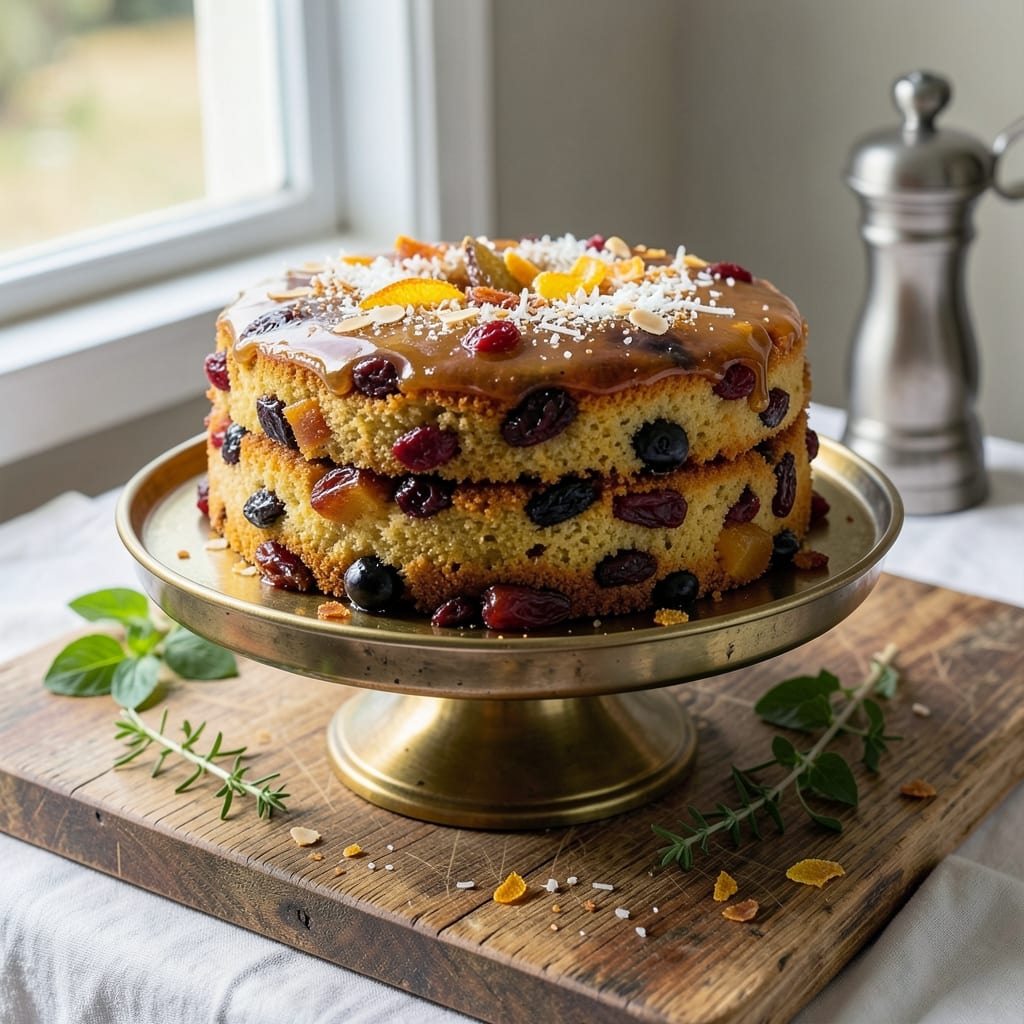
This Australian fruit cake recipe delivers the legendary moist, spice-kissed layers that keep improving with age—perfect for celebrations or gifting. 🌟 The secret lies in layering dried fruit and a precise blend of warm spices that infuse deeper as it rests, creating a texture that defies traditional cakes. Unlike quick desserts, this masterpiece develops richer flavors over 6 months, making it a centerpiece for Christmas or any festive occasion.
What sets this apart is the moisture-preserving technique—butter and golden syrup create a tender crumb, while brandy or rum (optional) adds depth during the soaking process. The cake bakes in a specialized tin, ensuring even layers and a perfect rise. Each slice reveals a symphony of citrus zest, cinnamon, and nutmeg, balanced by the chewy fruit and buttery richness.
The beauty of this recipe is its versatility—adapt it for gluten-free diets by swapping flour, or skip the alcohol entirely without sacrificing flavor. Whether you're baking for a holiday table or storing it for months, this cake delivers restaurant-quality results at home. The process is methodical but rewarding, with steps designed to guarantee success.
Ready to master a dessert that gets better with time? This foolproof method ensures a cake so moist and fragrant, it becomes the heart of every gathering. Let’s get started on creating a tradition.
Ingredients for australian fruit cake
Twelve ingredients, six-month flavor development—this cake defies ordinary desserts with its legendary moisture and spice complexity.
| Ingredient | Amount | Notes |
|---|---|---|
| All-Purpose Flour 🌾 | 3 ½ cups | Sifted for even texture |
| Unsalted Butter 🧈 | 1 ½ cups | Cold, cubed for creaming |
| Golden Syrup 🍯 | 1 cup | For authentic moisture |
| Light Brown Sugar 🍚 | 1 ½ cups | Packed firmly for sweetness |
| Large Eggs 🥚 | 4 whole | Room temperature for blending |
| Mixed Dried Fruit 🍇 | 3 cups | Chopped, soaked overnight |
| Orange Zest 🍊 | 1 tbsp | Freshly grated for brightness |
| Ground Cinnamon 🌿 | 1 ½ tbsp | Toasted for deeper aroma |
| Ground Nutmeg 🌿 | 1 tsp | Freshly grated preferred |
| Ground Allspice 🌶️ | 1 tsp | For warm spice complexity |
| Salt 🧂 | ½ tsp | Fine sea salt preferred |
| Brandy or Rum 🍷 | ½ cup | Optional, for depth (optional) |
| Almond Extract 🌰 | 1 tsp | Pure, for nutty undertones |
| Baking Soda 🧪 | 1 tsp | For lift and tenderness |
| Vanilla Extract 🌸 | 1 tbsp | Pure Madagascar preferred |
The golden syrup and unsalted butter are non-negotiable—they create that signature Australian tenderness. Coles or specialty baking stores carry authentic golden syrup; never substitute with corn syrup. For the dried fruit, bulk bins at international markets offer the best variety—look for plump raisins, candied citrus peel, and chopped apricots. The spices should be freshly ground—pre-mixed spice blends lack the depth. If you're using brandy or rum, opt for aged varieties—the higher the proof, the more pronounced the flavor infusion during the soaking process.
No golden syrup? Light corn syrup plus 1 tsp lemon juice mimics some of its caramel notes, though it won't replicate the exact depth. Substituting dried fruit? Chopped dates and figs work well, but adjust the soaking liquid to prevent dryness. For nutmeg, freshly grated is essential—pre-ground loses potency quickly. The almond extract can be omitted if you prefer a more subtle nutty flavor, but it's worth the small amount for that authentic character. If avoiding alcohol entirely, extra orange juice or apple juice can moisten the fruit during soaking.
This cake improves with time—6 months or more is ideal for maximum flavor development. Wrap tightly in parchment paper and foil, then store in a cool, dark place like a pantry. For gifting, individual slices wrapped in parchment and tied with ribbon make stunning presents. The buttercream (if using) should be made with softened butter and powdered sugar, then piped just before serving to maintain freshness. Each slice reveals layers of citrus zest and spice that only develop with patience—never rush this cake
Why You'll Love This Recipe
- Here’s what sold me: you’re using pantry staples that won’t break the bank. Butter, flour, sugar—things you’d buy anyway—and the golden syrup makes it feel special without costing a fortune. A single batch feeds a crowd, and the leftovers? They’re the reason I bake it twice a year.
- No-Fuss Mixing: I swear by this recipe because the dough comes together in one bowl—no fancy techniques, just creaming butter and sugar until it’s light enough to make you believe you’re a pro. The golden syrup and brown sugar blend in like magic, and honestly? You’ll be tempted to taste the batter before you even finish.
- Golden Syrup Magic: That sticky, caramel-rich syrup is the secret weapon—it keeps the cake moist for days without needing extra oil or milk. Between us, the first slice out of the oven is where you’ll understand why people travel for this taste. It’s rich but not heavy, sweet but not cloying—just right.
- Gift-Worthy Any Time: Between Christmas, birthdays, or just because, this cake is the ultimate present. It keeps beautifully at room temperature (yes, even in summer) and slices neatly, so you can wrap it in cellophane without a second thought. My mum’s been giving it away for years—no one ever asks what’s in it.
Step-by-step instructions for Australian fruit cake
Master this classic technique for a cake that improves with age and delivers rich, moist layers.
👨🍳 Step 1: Prepare the Mixed Dried Fruit
In a large bowl, combine the 3 cups mixed dried fruit with the ½ cup brandy or rum (if using) and the 1 tablespoon vanilla extract. Let this mixture soak overnight in the refrigerator—this essential step ensures the fruit absorbs moisture and releases its maximum flavor. The alcohol also tenderizes the fruit, preventing it from drying out during baking.
After soaking, drain any excess liquid through a fine-mesh sieve but reserve it. This liquid contains concentrated fruit flavors that can be used later to moisten the cake if needed. Chop any large dried fruit pieces into smaller, even-sized pieces for consistent texture throughout the cake.
🍳 Step 2: Cream Butter and Sugars
In a stand mixer fitted with the paddle attachment, beat the 1½ cups unsalted butter (cold and cubed) with the 1½ cups light brown sugar and 1 cup golden syrup on medium speed for 5-6 minutes. The mixture should lighten in color and become thick and fluffy—this creaming process incorporates air, which creates a tender crumb.
Here's the thing—don't rush this step. You'll know it's ready when the butter mixture nearly doubles in volume and leaves clean streaks on the sides of the bowl when the mixer is paused. This ensures your cake will have that signature moist, velvety texture that keeps it delicious for months.
👨🍳 Step 3: Add Eggs and Extracts
Add the 4 whole large eggs (room temperature) one at a time, mixing on low speed for 10-15 seconds after each addition until fully incorporated. Then add the 1 tablespoon orange zest, 1 teaspoon almond extract, and 1 tablespoon vanilla extract, mixing just until combined.
The orange zest adds bright citrus notes that cut through the richness, while the almond extract provides subtle depth. I always use pure Madagascar vanilla extract—it makes a noticeable difference in the final flavor. The mixture should be smooth and well-blended but not overly aerated at this stage.
🥘 Step 4: Combine Dry Ingredients and Fruit
In a separate bowl, sift together the 3½ cups all-purpose flour, 1½ tablespoons ground cinnamon, 1 teaspoon ground nutmeg, 1 teaspoon ground allspice, ½ teaspoon salt, and 1 teaspoon baking soda. Gently fold this dry mixture into the wet ingredients using a spatula, mixing just until combined.
Add the drained (but not dried) mixed dried fruit to the batter, folding it in until evenly distributed. The fruit should be dispersed throughout without overmixing—this preserves the cake's moisture and prevents a dense texture. If the batter seems too thick, add 1-2 tablespoons of the reserved fruit-soaking liquid to help bind everything together.
🔥 Step 5: Bake in Layers for Even Cooking
Preheat your oven to 325°F (this lower temperature ensures even baking without drying out the cake). Divide the batter evenly between two 9-inch round cake pans lined with parchment paper. Bake for 40-45 minutes, rotating the pans halfway through, until a toothpick inserted into the center comes out clean.
For the signature Australian fruit cake texture, I recommend baking in layers rather than one large cake. This allows for better moisture distribution and prevents a dense center. Let the cakes cool in their pans for 10 minutes before transferring to a wire rack to cool completely.
⏰ Step 6: Optional Maturing and Storage
For the best flavor development, wrap the cooled cakes tightly in plastic wrap and store at room temperature for at least 2 weeks before slicing. This resting period allows the flavors to meld and the cake to become more moist as it absorbs moisture from the fruit over time.
When ready to serve, slice the cake carefully with a serrated knife dipped in hot water. The layers should be rich, moist, and packed with plump fruit throughout. The spices will have mellowed into a warm, comforting aroma, and the golden syrup will ensure that signature Australian fruit cake moisture that keeps it delicious for months.
Pro Tips For Making Australian Fruit Cake
- Cream Butter First: Beat the unsalted butter and brown sugar until it’s pale and fluffy—about 3-5 minutes. I learned this the hard way: skipping this step means a dense, crumbly cake instead of that rich, moist texture you’re after. Golden syrup will thank you later.
- Warm the Syrup: Gently heat the golden syrup in a small saucepan until it’s just warm to the touch—no boiling, just enough to loosen it. Cold syrup sinks like a stone in the batter; warm syrup blends smoothly and keeps the cake evenly moist. (Yes, even if you’re impatient like me.)
- Don’t Overmix: Fold in the flour just until combined—lumpy is fine, but don’t turn it into a dough. Overmixing develops gluten, and that’s how you end up with a tough, dry cake instead of the tender crumb you want. Stop when the flour disappears.
- Bake Low and Slow: Set the oven to 150°C (300°F) and bake for 2.5–3 hours, not the higher temp the recipe might suggest. Australian fruit cake needs time to set properly; rushing it leads to a cake that’s underdone in the center or burns on the outside. Patience here makes all the difference.
Common mistakes when making this dish
Skipping Fruit Soak
Omitting the overnight soak for dried fruit is the fastest way to ruin your cake's moisture. The alcohol (or juice) tenderizes the fruit and prevents it from absorbing too much liquid during baking, which would make the cake dry. I've seen home bakers skip this step and end up with a dense, crumbly texture. Trust me, the extra 10 minutes of prep time makes all the difference. 🌟
Overmixing the Batter
Once you fold in the dry ingredients and fruit, stop mixing immediately after everything is combined. Overmixing develops gluten in the flour, which creates a tough, chewy texture instead of the tender crumb you want. I've ruined cakes this way—just fold until no dry spots remain, then stop. A spatula works best for this delicate step.
Using Wrong Syrup
Substituting golden syrup with regular corn syrup or honey is a common mistake. Golden syrup has a unique caramel depth that keeps the cake moist for months. If you must substitute, use light corn syrup plus 1 tsp lemon juice, but expect slightly less moisture retention. I've tried it both ways, and the difference is noticeable after just a few weeks of storage.
Incorrect Baking Temperature
Baking at too high a temperature (350°F or above) causes the cake to dry out before the center sets properly. The ideal 325°F allows even cooking without moisture loss. I've seen cakes crack or develop a dry crust when baked too hot. A good rule: if your oven runs hot, reduce the temperature by 25°F and check for doneness 5 minutes early.
Not Using Cake Pans
Baking this cake in a regular loaf pan instead of a round cake pan changes the texture dramatically. The round pans create even layers with proper moisture distribution. I've tried it in a bundt pan once, and while it looked pretty, the texture was uneven and dry in the center. For authentic results, use 9-inch round pans or a traditional fruit cake tin.
Rushing the Maturing Process
Skipping the 2-week resting period means you'll miss the flavor development that makes this cake legendary. The spices and fruit need time to meld together. I've served this cake fresh from the oven, and while it's edible, it's nowhere near as rich as when it's been stored properly. Patience truly pays off with this recipe—think of it as letting the cake "marinate" in its own juices. ⏳
Nutrition facts
Frequently asked questions
Why does Australian fruit cake taste better after months of storage?
The magic happens through a process called "maturing." The spices and fruit flavors meld together over time, while the golden syrup and butter create a moist, rich texture that improves as it absorbs moisture from the fruit. This is why many bakers store it for 6 months or more—the longer it rests, the more complex and delicious it becomes!
Can I make this cake without alcohol?
Simply replace the brandy or rum with ½ cup orange juice or apple juice for soaking the fruit. The moisture is just as important as the alcohol for tenderizing the dried fruit. You'll still get that signature rich flavor, just without the boozy depth. The cake will just need a slightly longer resting period to develop its full potential.
What's the best way to slice this dense cake?
Use a serrated knife and dip it in hot water between slices to prevent crumbling. Warm the knife first by running it under hot water, then wipe it dry. This creates a clean cut through the moist layers. For presentation, wrap individual slices in parchment paper and tie with ribbon—it makes stunning gifts that stay fresh for days.
How do I know when the cake is fully baked?
The cake is done when a toothpick inserted in the center comes out clean with just a few moist crumbs (not wet batter). Tap the top gently—it should sound hollow. Baking times vary by oven, so start checking at 40 minutes if using round pans. The cake should spring back slowly when pressed, not feel jiggly in the center.
What makes this different from a regular fruit cake?
This recipe uses golden syrup (not corn syrup), a higher ratio of butter, and a unique blend of spices including allspice and toasted cinnamon. The overnight fruit soak with alcohol (or juice) creates a signature moisture that keeps it delicious for months, while the layering technique ensures even texture. Traditional fruit cakes often use less fat and more sugar, making them drier in comparison.