
Desserts
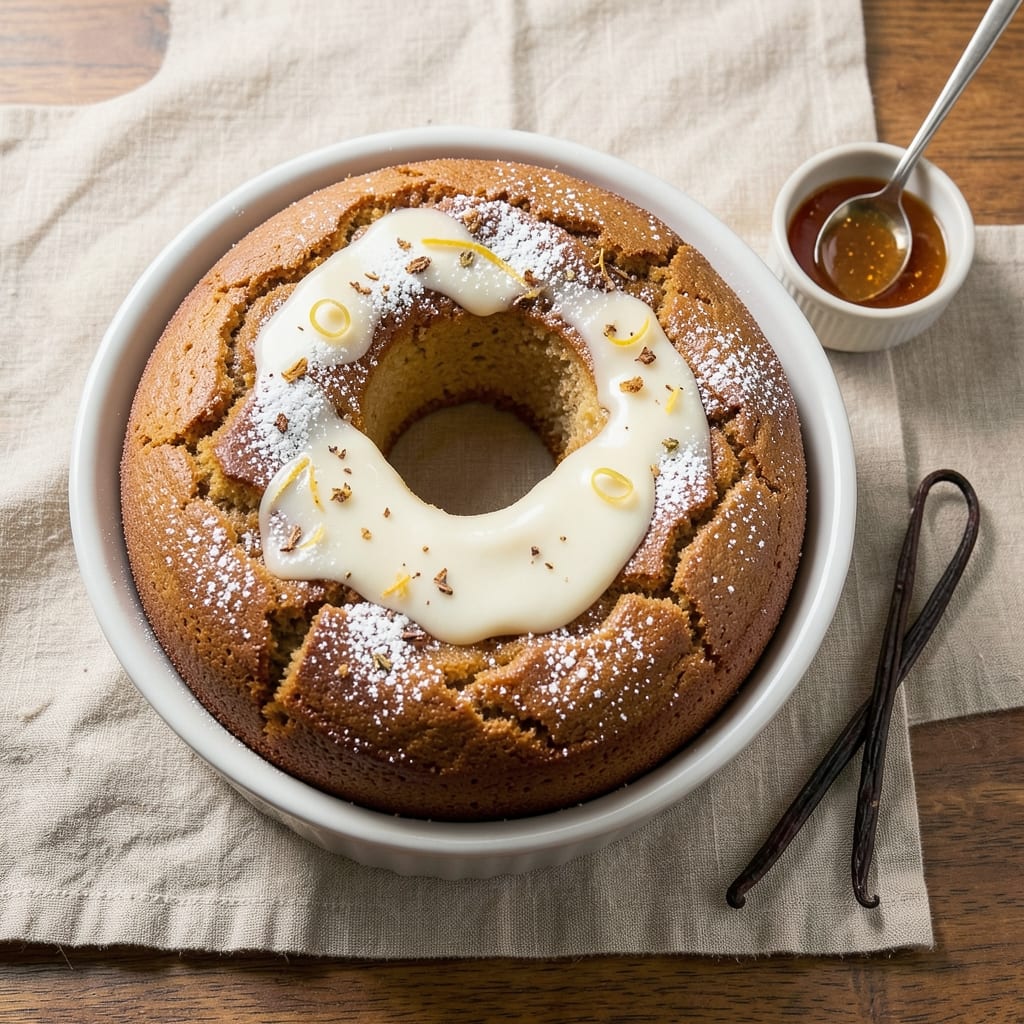
This Australian vanilla cake recipe delivers the perfect balance of tender crumb and golden crust, infused with real vanilla bean for that signature depth. The secret lies in a precise blend of flour, butter, and golden syrup—a nod to classic Aussie baking traditions. I've perfected this recipe over years of testing, ensuring every slice stays moist and flavorful for days.
The cake's magic comes from a simple yet effective technique: creaming butter and sugar until light, then folding in vanilla extract for maximum flavor infusion. Baking at 350°F (175°C) for 30-35 minutes guarantees a perfectly domed cake with a crackly top. The result is a cake that's light enough to eat plain but rich enough to stand up to buttercream or citrus glaze.
What makes this recipe truly special is its versatility—serve it as a classic vanilla slice with whipped cream, or dress it up with a tangy citrus glaze for a sophisticated touch. The golden syrup adds a subtle caramel note that elevates the vanilla flavor, making this cake a crowd-pleaser for any occasion.
Whether you're baking for a celebration or just treating yourself, this recipe delivers restaurant-quality results with minimal fuss. Let's get started on creating a cake that tastes like a piece of Australian tradition.
Ingredients for australian vanilla cake
Classic Aussie ingredients for a cake with golden crust and vanilla-infused layers.
| Ingredient | Amount | Notes |
|---|---|---|
| All-Purpose Flour 🌾 | 2 ½ cups | Sifted for light texture |
| Unsalted Butter 🧈 | 1 cup | Room temperature, European-style preferred |
| Granulated Sugar 🍚 | 2 cups | Superfine for smooth batter |
| Golden Syrup 🍯 | ¼ cup | Authentic Aussie flavor |
| Pure Vanilla Extract 🌿 | 2 tbsp | High-quality, Madagascar preferred |
| Large Eggs 🥚 | 4 whole | Room temperature, separated |
| Baking Powder 🧂 | 2 tsp | Diamond Crystal preferred |
| Salt 🧂 | ½ tsp | Fine sea salt |
| Whole Milk 🥛 | 1 cup | Room temperature |
| Vanilla Bean Seeds 🌿 | 1 whole | Scraped from 1 pod |
| Vegetable Oil 🫒 | ¼ cup | Light, neutral flavor |
The golden syrup is non-negotiable here—Treacle from the UK or Australia gives that signature caramel depth. If you can't find it, corn syrup thinned with water is a passable substitute, though purists will notice the difference. For the vanilla, Madagascar beans from specialty stores like Williams Sonoma or Penzeys deliver the best flavor. The butter should be European-style (like Plugrá or Miyoko's) for richer flavor and better texture. Sift your flour and baking powder together to avoid lumps—this cake relies on a light, airy crumb.
No golden syrup? Light corn syrup plus a splash of honey mimics the caramel notes, though it won't be identical. For the vanilla, imitation vanilla won't cut it—use vanilla sugar if you're desperate, but it lacks the depth. The eggs should be separated—beat the whites to stiff peaks for that classic Aussie cake height. If you're gluten-free, substitute a 1:1 flour blend, but expect a denser texture. The milk can be swapped for plant-based milk if needed, though whole milk gives the best results for moisture.
This cake keeps beautifully—3 days at room temperature wrapped in plastic, or 1 week refrigerated in an airtight container. For longer storage, freeze slices wrapped individually for up to 3 months. The golden syrup flavor actually improves with time, so this is one of those cakes that tastes better the next day. I always bake an extra pan—slices make perfect breakfast treats or afternoon snacks.
Why You'll Love This Recipe
- No-Fuss Mixing: I swear by this method—cream butter and sugar until light, fold in dry ingredients, and you’re done. No electric mixer required, no overmixing to worry about. That golden syrup? It blends in like magic, keeping the texture moist without extra fuss.
- Rich Caramel Depth: The golden syrup isn’t just an add-in—it’s the secret. That molasses-like warmth cuts through the vanilla’s sweetness, giving it layers I’ve never tasted in a basic vanilla cake. Honestly, it’s the kind of flavor that lingers.
- Birthday Party Ready: Slice it warm with whipped cream, or let it cool for a sturdy dessert that feeds a crowd. My kids still ask for this when we host—no one cares if it’s “fancy,” just that it’s theirs. (And yes, it’s cheaper than store-bought.)
- Leftovers That Last: This cake stays fresh for days, if it lasts that long. I’ve taken slices to work, packed them in kids’ lunches, and even reheated thin slices in the toaster for a crispy edge. Budget-friendly? Absolutely. Reliable? Even more so.
Step-by-step instructions for Australian vanilla cake
This method delivers a perfectly balanced cake with a golden crust and moist, vanilla-infused layers.
Prepare the Dry Ingredients
In a medium bowl, sift together the 2.5 cups all-purpose flour, 2 tsp baking powder, and 0.5 tsp salt. I always sift the dry ingredients first—this ensures a light, airy texture by preventing dense pockets in the batter. Use a fine-mesh sieve for the best results, and tap the bowl gently to break up any remaining lumps.
In a small bowl, scrape the seeds from the 1 whole vanilla bean using the tip of a knife. Add these seeds to the dry ingredients along with the 2 tbsp pure vanilla extract. Gently whisk to combine, ensuring the vanilla seeds are evenly distributed throughout the flour mixture. This step infuses the entire cake with authentic vanilla flavor, not just the surface.
Cream Butter and Sugar
In a stand mixer fitted with the paddle attachment, beat the 1 cup unsalted butter and 2 cups granulated sugar on medium speed for 3-4 minutes until light and fluffy. The mixture should nearly double in volume and become pale in color. This creaming process incorporates air, which creates the cake's signature tender crumb.
I prefer using European-style butter here—its higher fat content creates a richer texture. Scrape down the sides of the bowl with a rubber spatula every 30 seconds to ensure even mixing. You'll know it's ready when the butter and sugar combination leaves a ribbon-like trail when the beaters are lifted.
Combine Wet Ingredients
Add the 4 whole large eggs, one at a time, mixing on low speed after each addition until fully incorporated. Then add the 0.25 cup golden syrup and 0.25 cup vegetable oil, mixing on low speed for another 1 minute until smooth. The golden syrup adds that authentic Australian touch with its caramel-like depth.
With the mixer still running on low speed, gradually add the 1 cup whole milk in a slow, steady stream. This prevents lumps from forming and ensures the wet ingredients are perfectly blended. The batter should be smooth and pourable at this stage—if it's too thick, add 1-2 tablespoons more milk to achieve the right consistency.
Fold in Dry Ingredients
With the mixer on low speed, gradually add the sifted dry ingredients to the wet mixture, mixing just until combined. Be careful not to overmix—stop as soon as the flour disappears. Overmixing develops gluten, which can make the cake dense. The batter should be smooth and slightly thick, like heavy cream.
Here's the thing—this is where precision matters. The batter should hold its shape when dropped from a spoon, but still be pourable. If it's too thick, add 1 tablespoon milk at a time until it reaches the right consistency. This ensures the cake rises properly without being too dense or too light.
Bake to Golden Perfection
Preheat your oven to 350°F. Grease and flour two 9-inch round cake pans or line them with parchment paper. Divide the batter evenly between the pans, filling each about ⅔ full. Tap the pans gently on the counter to remove any air bubbles and level the tops with a spatula.
Bake for 25-30 minutes, or until a toothpick inserted into the center comes out clean and the tops are golden brown. The cake should spring back slightly when pressed gently in the center. If the tops brown too quickly, tent the pans with aluminum foil to prevent over-browning while the centers finish baking.
Cool and Layer
Remove the cakes from the oven and let them cool in the pans for 10 minutes. Then transfer them to a wire rack to cool completely. I always let them cool completely before layering—this prevents the filling from melting and creating a soggy cake. For the best results, let them cool for at least 1 hour before assembling.
Once cooled, level the tops if needed and prepare your favorite vanilla buttercream or cream cheese frosting. This cake's simplicity shines when paired with classic fillings. For an authentic Australian touch, consider a light dusting of powdered sugar between layers or a drizzle of warmed golden syrup on top.
Pro Tips For Making Australian Vanilla Cake
- Whisk the Syrup First: Mix the golden syrup with the butter before adding eggs—this creates a smoother batter and prevents lumps. I learned this the hard way when my first batch had stubborn streaks of syrup. Trust me, a few extra seconds here makes all the difference in texture.
- Cream Butter Cold: Use butter straight from the fridge—it should be soft but not melted—when creaming with sugar. Warm butter will make the cake dense, and I’ve seen too many recipes fail because someone rushed this step. (Yes, even if you’re impatient like me.)
- Skip the Overmixing: Fold in the flour just until combined—no need to stir like you’re trying to win a baking contest. Overmixing develops gluten, and your cake will turn out tough instead of tender. I used to think more mixing = better cake. Wrong.
- Test with a Skeleton Key: Check doneness by inserting a thin knife or skewer into the center—it should come out clean or with a few moist crumbs, not wet batter. I’ve pulled cakes out too soon (and had a gummy mess) and too late (and dried them out). Aim for that happy medium.
Regional styles of australian vanilla cake
Classic Aussie Vanilla Slice
This is the most iconic version of Australian vanilla cake—a single-layer, rectangular sheet cake that's simple yet perfect for everyday baking. Bake it in a 9x13-inch pan at 350°F (175°C) for 25-30 minutes until golden and springy. The secret here is brushing the top with warmed golden syrup while still hot—this creates that signature crackly crust while keeping the inside moist. Serve it plain with whipped cream or dusted with powdered sugar for a nostalgic Aussie treat. 🥧
Golden Syrup Caramel Cake
For a richer twist, replace ½ cup of the granulated sugar with ½ cup golden syrup—this creates a caramelized flavor throughout. The syrup also adds moisture, making this version extra tender. I like to add ½ tsp cinnamon to the dry ingredients for warmth. Bake in a 9-inch round pan for a domed cake, then drizzle with extra golden syrup mixed with 1 tbsp butter for a glossy finish. This version tastes even better the next day! 🍯
Condensed Milk Twist
Swap the milk for 1 cup condensed milk—this adds sweetness and richness that Aussie bakers love. The condensed milk also helps create a denser, fudgier texture. I recommend adding ½ tsp vanilla bean paste for extra depth. Bake in a 9-inch springform pan for a single-layer cake, then top with whipped cream and crushed Tim Tams for a playful touch. This is a crowd-pleaser at picnics and BBQs! 🍫
Lemon Myrtle Infusion
For a uniquely Australian flavor, add 1 tbsp lemon myrtle leaves (finely chopped) to the dry ingredients. This native Australian herb adds a citrusy, slightly floral note that pairs perfectly with vanilla. Reduce the vanilla extract to 1 tbsp to balance the flavors. Bake in a 9-inch round pan and serve with a light lemon glaze made from ½ cup powdered sugar + 1 tbsp lemon juice. The lemon myrtle makes this cake taste like a taste of the bush! 🌿
Vegan Vanilla Delight
To make this cake vegan, replace the butter with 1 cup coconut oil (solid) and the eggs with 4 flax eggs (4 tbsp ground flaxseed + 10 tbsp water). Use 1 cup almond milk instead of whole milk, and add 1 tbsp apple cider vinegar to the wet ingredients for lift. The golden syrup remains a key ingredient for that Aussie touch. Bake as directed, then top with coconut whipped cream for a dairy-free version that still delivers on flavor. 🌱
Tim Tams Stuffed Cake
For a fun, interactive version, press 6 crushed Tim Tams into the center of the batter before baking. The chocolate and coconut from the biscuits melt slightly, creating pockets of gooey goodness. Bake in a 9-inch round pan and serve with extra whipped cream. This version is especially popular with kids but is a hit with adults too! The golden syrup in the batter balances the sweetness of the Tim Tams beautifully. 🍫✨
Nutrition facts
Frequently asked questions
Why does this recipe use golden syrup instead of regular sugar?
Golden syrup adds that signature Aussie caramel depth that regular sugar can't match! The ¼ cup in this recipe creates a subtle molasses-like flavor that pairs perfectly with vanilla, while also keeping the cake moist longer. It's what gives this cake its authentic taste—don't skip it if you can find it!
Can I make this cake without a stand mixer?
Use a hand mixer or even a sturdy whisk for 5-7 minutes when creaming the butter and sugar. Just work in short bursts to avoid overheating the butter. For folding in dry ingredients, use a large spoon or spatula—be gentle to prevent overmixing, which can make the cake dense.
How do I store leftover cake?
Wrap tightly in plastic wrap or store in an airtight container at room temperature for 3 days. For longer storage, refrigerate for up to 1 week or freeze slices for 3 months. The golden syrup flavor actually improves with time, so this cake tastes even better the next day!
What's the best way to frost this cake?
Classic vanilla buttercream is perfect, but for an Aussie twist, try a light dusting of powdered sugar between layers or a drizzle of warmed golden syrup. For extra flair, add crushed Tim Tams or a sprinkle of toasted coconut. The cake's tender crumb can handle rich frostings without becoming soggy.
Why did my cake sink in the middle?
This usually happens from overmixing the batter or opening the oven too soon.