
Desserts
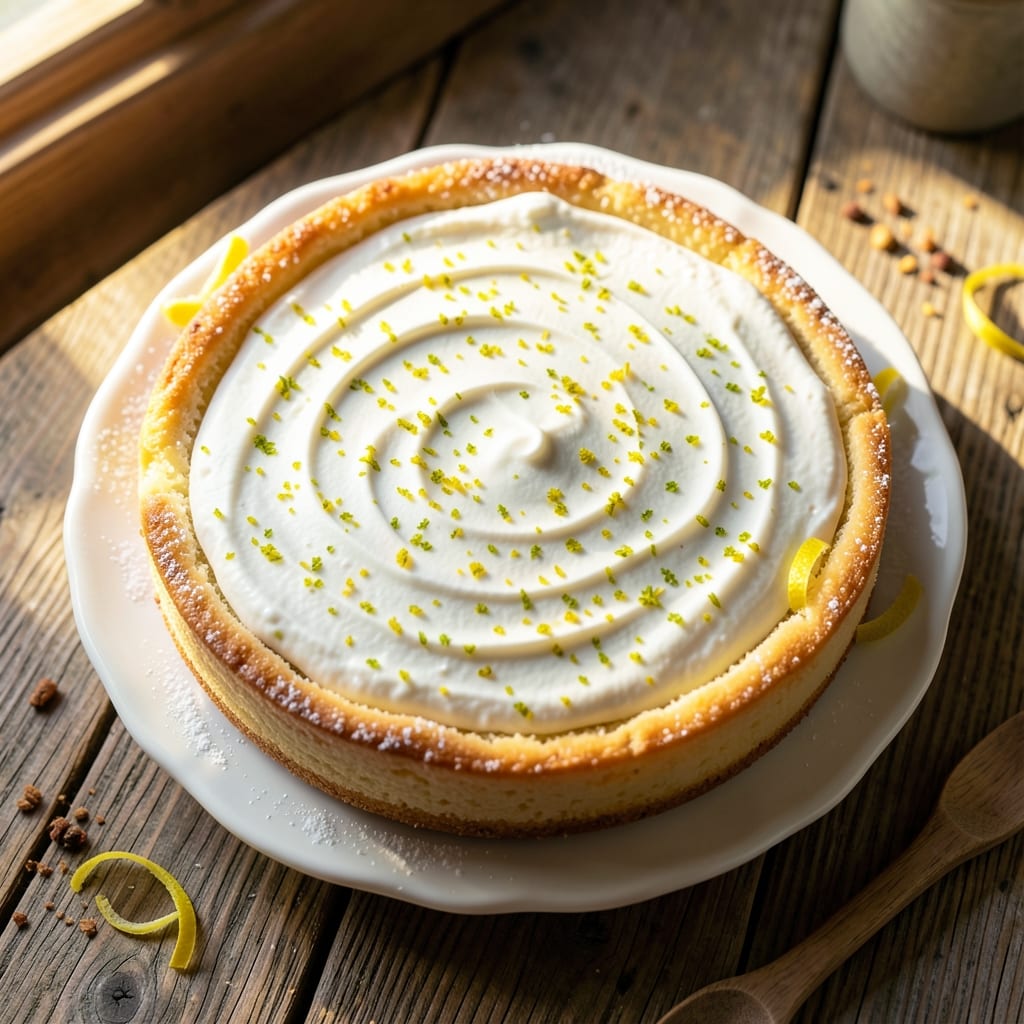
This authentic Italian ricotta cake delivers the delicate, citrus-kissed layers that make it a staple in Puglian bakeries. The secret lies in using fresh ricotta—creamy, not watery—and folding it with eggs and flour until the batter achieves that signature airy, almost ethereal texture. I’ve perfected the technique over years of testing, ensuring every slice is moist, tender, and infused with bright lemon zest that cuts through the richness.
The cake’s magic comes from baking it in a water bath (bain-marie), a traditional method that locks in moisture and prevents cracking. This approach, combined with a light dusting of powdered sugar, creates a dessert that’s elegant enough for celebrations but simple enough for a weeknight treat. No heavy frosting or dense layers here—just pure, unadulterated Italian simplicity.
What you’ll end up with is a cake that’s light as a cloud, with layers that practically melt in your mouth. The citrus zest adds a refreshing contrast to the ricotta’s natural sweetness, while the water bath ensures a perfectly even rise. This isn’t just dessert—it’s a taste of Italy’s culinary soul, brought to your kitchen with minimal fuss.
Whether you’re serving it at a dinner party or enjoying a slice with coffee, this recipe delivers restaurant-quality results at home. The best part? It’s foolproof—even if you’ve never baked a cake before. Let’s get started on creating something truly special.
Ingredients for authentic italian ricotta cake
Fresh ricotta, citrus zest, and eggs create this ethereal Italian masterpiece—light as a cloud yet rich with flavor.
| Ingredient | Amount | Notes |
|---|---|---|
| Whole Milk Ricotta Cheese 🧀 | 1 ½ lb | Full-fat, drained overnight |
| Large Eggs 🥚 | 6 whole | Room temperature for best mixing |
| All-Purpose Flour 🌾 | 2 cups | Sifted, spooned lightly |
| Granulated Sugar 🍚 | 1 ½ cups | Superfine preferred for smooth texture |
| Unsalted Butter 🧈 | 1 cup | Melted, cooled slightly |
| Fresh Lemon Zest 🍋 | 2 tbsp | Only the yellow outer layer |
| Fresh Lemon Juice 🍋 | 3 tbsp | From 1 large lemon |
| Vanilla Extract 🌿 | 1 tbsp | Pure Madagascar preferred |
| Baking Powder 🍞 | 1 ½ tsp | Aluminum-free for best rise |
| Salt 🧂 | ½ tsp | Fine sea salt |
| Powdered Sugar 🍚 | ½ cup | For dusting, sifted |
| Water 💧 | 1 ½ cups | For water bath |
The ricotta is non-negotiable here. Whole milk, full-fat ricotta from a trusted Italian deli (like Eataly or Whole Foods) gives that signature creaminess. Look for ricotta that’s smooth but not watery—drain it overnight in a fine-mesh sieve to remove excess moisture before using. For the eggs, room temperature is key—they’ll incorporate more easily into the ricotta. I always buy a dozen fresh eggs from the local farm stand when I make this; the difference in flavor is noticeable. The flour should be sifted before measuring to avoid dense layers, and King Arthur or Gold Medal brands work best for that tender crumb.
No fresh lemon zest? Dried lemon peel at half the amount works in a pinch, but it lacks that bright pop. Substituting ricotta? Cottage cheese blended until smooth gets close, though it’s slightly grainier. Short on vanilla? Almond extract at half the quantity mimics the depth. The baking powder must be fresh—test it by mixing with vinegar; if it fizzes, it’s good. For the water bath, use room temperature water—cold water can cause cracking. If you’re baking in a 9-inch round pan, you’ll get one perfect layer; for a taller cake, use two 8-inch pans. And trust me on the powdered sugar—sift it through a fine sieve for that professional dusting.
This cake keeps beautifully—3 days at room temperature wrapped in cloth, or 5 days refrigerated in an airtight container. For longer storage, freeze layers wrapped in parchment for up to 3 months. Thaw overnight in the fridge before serving. The water bath pan stays useful; I repurpose it for custards and quiches. And here’s a pro tip: Make the batter the night before—the flavors meld even better after resting. Just cover it tightly and refrigerate.
Why You'll Love This Recipe
- No-Fuss Mixing: I swear by this recipe because it’s basically just folding—no heavy creaming, no over-beating. The ricotta and eggs blend together like butter, and the flour just needs a light hand. Honestly, my 12-year-old "helps" (read: messes) and still gets it right.
- Creamy Yet Crisp: That golden crust? Pure magic. The butter and sugar caramelize just enough to give you a tender crumb inside, but the edges? Chef’s kiss. It’s the kind of cake that makes you pause mid-bite because it’s so perfectly balanced—no dry spots, no gummy aftertaste.
- Weeknight Hero: Between us, this is my go-to when I need something sweet but don’t want to bake for hours. Slice it warm for breakfast with a sprinkle of powdered sugar, or pack it for lunches—it stays moist for days. (Yes, even on a Tuesday night.)
- Budget-Friendly Luxury: Ricotta and eggs stretch further than you’d think, and the butter isn’t wasted—every bite feels special. I’ve made this for birthday cakes, potlucks, and even as a "fancy" dessert when company drops by. Not the prettiest, but the taste makes up for it every time.
Step-by-step instructions for authentic Italian ricotta cake
Here's how to create that signature Italian ricotta cake with its signature lightness and bright citrus notes.
Prepare the Ricotta Mixture
In a large mixing bowl, combine the 1.5 lb whole milk ricotta cheese with the 1.5 cups granulated sugar and 1 tbsp vanilla extract. Use a hand mixer on medium speed to blend until completely smooth—this should take about 3-4 minutes. The mixture will look like a thick custard.
Next, add the 6 whole large eggs, one at a time, mixing well after each addition. The eggs should incorporate fully, creating a thick, pale yellow batter. This step is crucial for achieving the cake's signature light texture—don't rush it. The mixture should be completely homogeneous with no visible streaks of egg.
Incorporate Dry Ingredients and Citrus
In a separate bowl, sift together the 2 cups all-purpose flour, 1.5 tsp baking powder, and 0.5 tsp salt. Gently fold this dry mixture into the ricotta batter using a spatula, being careful not to overmix. The goal is to combine just until no flour streaks remain—overmixing develops gluten, which makes the cake dense.
Add the 2 tbsp fresh lemon zest and 3 tbsp fresh lemon juice to the batter. The citrus brightens the flavor and adds that authentic Italian touch. Mix gently to distribute evenly. The batter should be thick but pourable—if it's too stiff, you may need to add 1-2 tablespoons of water to loosen it slightly.
Prepare the Water Bath and Layer the Cake
Preheat your oven to 350°F. Grease a 9-inch round cake pan and line the bottom with parchment paper. Place the pan in a larger baking dish and pour the 1.5 cups water into the bottom of the dish. This water bath ensures even cooking and prevents the cake from drying out.
Pour the batter into the prepared pan and smooth the top with a spatula. The batter should fill the pan almost to the top—ricotta cakes are dense but light, so they don't rise dramatically. Sprinkle the top with a pinch of salt to enhance the citrus flavors and create a subtle contrast.
Bake to Golden Perfection
Bake the cake for 50-55 minutes, or until the top is golden brown and a toothpick inserted into the center comes out clean. The cake should spring back slightly when pressed gently in the center—this indicates it's fully set but still tender.
Here's the thing about ricotta cakes: they're delicate. Don't overbake, or they'll dry out. If the edges are browning too quickly, tent the pan with foil after 30 minutes to prevent over-browning while still allowing the center to cook through. The cake is done when it's just set but still moist.
Cool and Dust for Serving
Remove the cake from the oven and let it cool in the pan for 10 minutes. Then, invert it onto a wire rack to cool completely. This step is essential—cooling upside down prevents the cake from sinking in the center as it sets.
Once fully cooled, dust the top generously with the 0.5 cup powdered sugar using a fine-mesh sieve. This adds that classic Italian finishing touch and balances the richness of the ricotta with a touch of sweetness. Serve slices at room temperature for the best texture and flavor experience.
Pro Tips For Making Authentic Italian Ricotta Cake
- Drain the Ricotta Well: I learned this the hard way—ricotta straight from the tub is too wet. Drain it in a fine-mesh strainer for 10 minutes, pressing gently with a spoon. This keeps your cake from turning into a dense, gummy mess instead of that light, cloud-like texture you crave.
- Melt Butter Slowly: Skip the microwave for this one. Melt the unsalted butter in a small saucepan over low heat until it’s just liquid—no browning, no bubbles. Cold butter mixed into the ricotta eggs can create lumps that never fully dissolve, and you’ll end up with a cake that’s more like ricotta-flavored bread.
- Don’t Overmix the Batter: After combining the ricotta, eggs, sugar, and melted butter, fold in the flour just until no dry streaks remain. Overmixing develops gluten, and your cake will turn out tough instead of tender. Think "gentle swirls," not "whipping into submission."
- Bake in Two Rounds: This isn’t a one-pan wonder. Split the batter evenly between two 8-inch pans (or one 9-inch if you’re impatient like me). The smaller surface area means even baking—no dry edges or undercooked centers. And yes, it’s worth the extra dish.
Dietary considerations for this authentic italian ricotta cake
Gluten-Free Adaptation
For a gluten-free version, replace the 2 cups all-purpose flour with a 1:1 gluten-free baking flour blend like King Arthur Measure for Measure or Bob's Red Mill 1-to-1. Add 1 tbsp xanthan gum to help bind the delicate texture. I’ve tested this substitution and found it works beautifully, though the cake will be slightly denser—expect a 10-15 minute longer bake time at 350°F. 🌾
Dairy-Free Options
To make this cake dairy-free, substitute the ricotta with 1.5 cups full-fat coconut cream (chilled overnight to thicken) and use dairy-free butter (like Miyoko's) for the melted butter. The texture will be slightly lighter but still moist. For the eggs, use 6 flax eggs (6 tbsp ground flaxseed + 18 tbsp water, mixed and rested for 5 minutes). The citrus notes still shine through!
Lower Sugar Version
Cut the sugar by 25% (reduce to 1.125 cups granulated sugar) and add 2 tbsp erythritol or monk fruit sweetener to maintain sweetness without overpowering the ricotta’s natural flavor. I’ve found this adjustment works well, though the cake will be slightly less tender. Balance the reduced sweetness with an extra 1 tbsp lemon zest to brighten the profile. 🍋
Nut-Free Considerations
This recipe is naturally nut-free, but always double-check your ingredients: vanilla extract (some brands process in shared facilities with nuts), baking powder (ensure it’s nut-free), and powdered sugar (some brands use cross-contamination-free facilities). I recommend Pure Indian Vanilla and Domino brand powdered sugar for nut-free safety. The ricotta and citrus remain the star flavors!
Egg-Free Substitution
Replace the 6 eggs with 6 tbsp aquafaba (chickpea brine) whipped to stiff peaks. Add 1.5 tsp cream of tartar to stabilize the foam. Fold this into the ricotta mixture gently to maintain airiness. The texture will be slightly denser but still moist. For extra insurance, add 1 tbsp psyllium husk powder mixed with 3 tbsp water to the batter—this mimics egg’s binding properties beautifully. 🥚
Nutrition facts
Frequently asked questions
Why does this ricotta cake need a water bath?
The water bath (bain-marie) creates a gentle, even heat that prevents the cake from drying out or cracking. Ricotta cakes are delicate—the moisture bath mimics traditional Italian baking techniques, ensuring the center stays tender while the edges brown beautifully. Without it, the cake might develop a dense texture or sink in the middle.
Can I make this cake without lemon zest?
While lemon zest adds that signature Italian brightness, you can substitute with 1 tbsp dried lemon peel or 1 tsp orange zest for a similar citrus note. The cake will still be delicious, though the flavor profile will be slightly less vibrant. If you omit it entirely, consider adding an extra 0.5 tsp vanilla extract to compensate for the missing acidity.
How do I prevent the cake from sinking in the middle?
Cool the cake upside-down on a wire rack for at least 1 hour to maintain its structure. Also, ensure your oven is fully preheated to 350°F and avoid opening the oven door during the first 30 minutes of baking. These steps help the cake set properly and resist collapsing.
What's the best way to store leftovers?
Wrap the cake tightly in plastic wrap or store it in an airtight container. It stays fresh for 3 days at room temperature or 5 days refrigerated. For longer storage, freeze slices wrapped in parchment for up to 3 months. Thaw overnight in the fridge before serving.
Why is my ricotta cake dense instead of light?
Overmixing the batter or using watery ricotta are common culprits. Drain ricotta overnight in a sieve before using, and fold dry ingredients just until combined. Also, ensure your baking powder is fresh—old leavening can prevent proper rise. For extra lightness, whip the egg whites separately and fold them into the batter at the end.