
Desserts
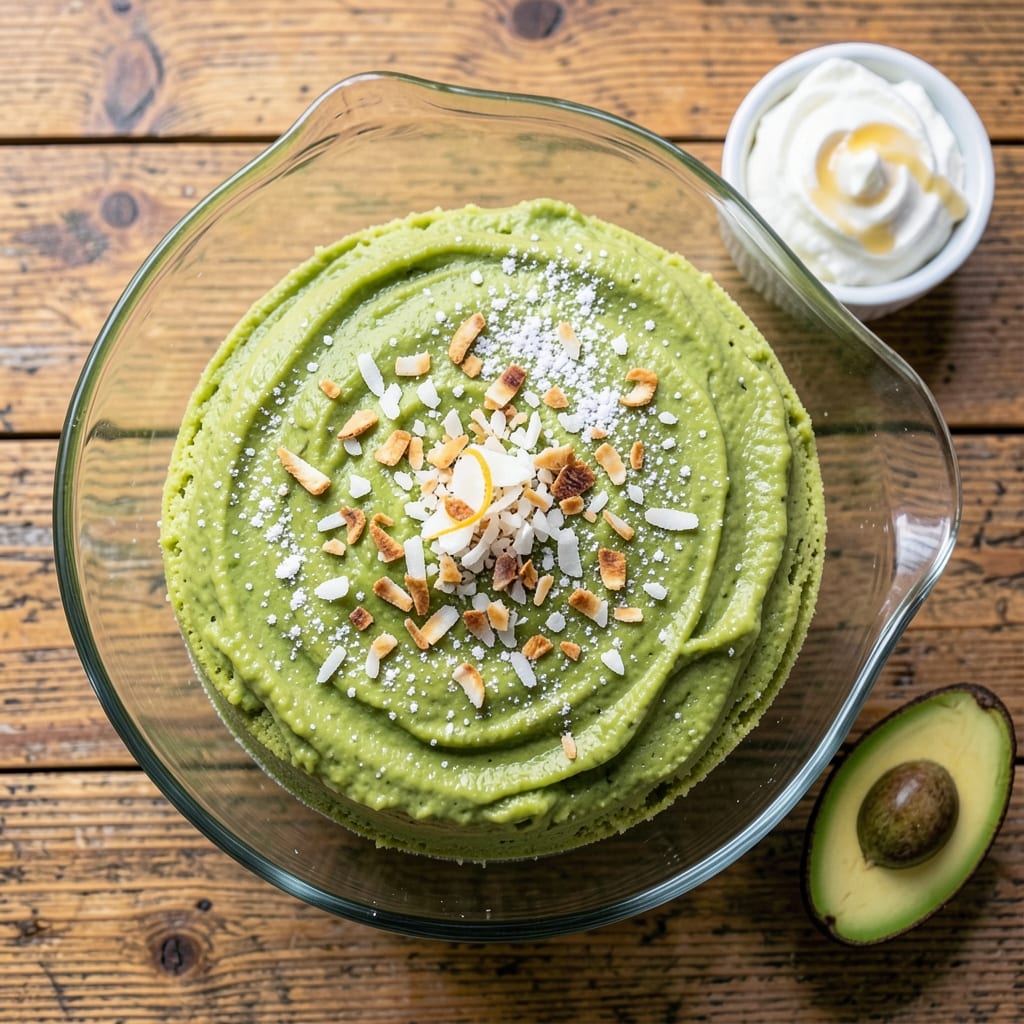
This avocado egg cake recipe transforms humble ingredients into a vibrant, moist dessert with layers of bright green beauty and citrus zest zing. The secret lies in perfectly mashed avocado combined with eggs and a touch of sweetness, creating a texture that's surprisingly tender yet sturdy enough to slice cleanly. What makes this recipe special is how it balances the richness of avocado with the freshness of citrus, delivering a flavor profile that's both comforting and unexpectedly light.
The cake's magic comes from its simple yet precise technique—no fancy equipment required. You'll work with ripe avocados (the key to that perfect creamy texture), fold in beaten eggs for structure, and incorporate citrus zest for that signature bright pop of flavor. The result is a cake that's moist without being dense, with a subtle sweetness that lets the avocado's natural richness shine through. Professional bakers often call this the ultimate "foolproof" recipe for its ability to deliver consistent results every time.
When sliced, this cake reveals its beautiful green layers, each bite offering a perfect balance of creamy avocado, tender crumb, and citrus notes that linger pleasantly. The natural sweetness means you can serve it plain or with a light honey drizzle, but the real star is how the flavors come together—earthy avocado meets vibrant citrus in a way that feels both familiar and excitingly new. It's the kind of dessert that feels special enough for company but simple enough for a weeknight treat.
Perfect for brunch gatherings, afternoon tea, or as a unique vegetarian dessert option, this cake pairs beautifully with fresh berries or a cup of Earl Grey. The recipe scales easily for larger crowds, and leftovers keep well for up to three days, making it an ideal make-ahead dessert. Let's get started on creating this bright, flavorful masterpiece that will impress even the most skeptical dessert lovers.
Ingredients for avocado egg cake
Eight vibrant ingredients create this stunning avocado egg cake with layers of citrus zing.
| Ingredient | Amount | Notes |
|---|---|---|
| Ripe Avocados 🥑 | 3 whole | Pitted, peeled, and mashed smooth |
| Large Eggs 🥚 | 6 whole | Room temperature, beaten lightly |
| Granulated Sugar 🍚 | ¾ cup | Light brown sugar for depth |
| All-Purpose Flour 🌾 | 1 ½ cups | Sifted for smooth batter |
| Baking Powder 🧂 | 1 ½ tsp | Aluminum-free for best results |
| Salt 🧂 | ½ tsp | Fine sea salt preferred |
| Lemon Zest 🍋 | 2 tbsp | Freshly grated, vibrant color |
| Orange Zest 🍊 | 1 tbsp | Bright, fragrant zest |
| Lemon Juice 🍋 | ¼ cup | Freshly squeezed, strained |
| Vanilla Extract 🌸 | 1 tsp | Pure, high-quality extract |
| Unsalted Butter 🧈 | ½ cup | Melted, cooled slightly |
| Plain Greek Yogurt 🥛 | ½ cup | Full-fat for moisture |
| Almond Extract 🌰 | ¼ tsp | Optional, for nutty depth |
The avocados are the star—ripe but firm is key. Look for those with a little give when squeezed, but no browning. Trader Joe's or Whole Foods usually have the best selection, but any grocery store's produce section works. I always grab two extra—one for the cake, one for toast the next morning. The eggs should be room temperature for even mixing, so take them out of the fridge 30 minutes before baking. For the citrus zest, use a microplane—it's the only way to get those fine, fragrant shreds that make this cake sing.
No lemon juice? Lime juice works in a pinch, but the flavor won't be quite the same. Short on almond extract? Vanilla alone works fine—just add a pinch more zest. The Greek yogurt adds moisture without making the cake dense, but if you're out, sour cream or extra mashed avocado does the trick. For the butter, don't skip melting it first—it mixes so much better when warm. The flour? Sift it—this makes all the difference in a light, tender crumb. And if you're worried about the cake being too green, don't be—it's stunning when sliced, but the flavor is what really steals the show.
This cake keeps beautifully—cover tightly and store at room temperature for 2 days, or refrigerate for up to 5 days. The layers stay moist, but if it dries out slightly, a quick zap in the microwave with a damp paper towel revives it. Freeze slices for up to 3 months—they thaw perfectly. I always make a double batch because it disappears fast. The leftovers? Perfect for breakfast the next morning—just warm a slice and top with a drizzle of honey. Trust me, the second day is even better than the first.
Why You'll Love This Recipe
- I’ll be real: this recipe uses ingredients you already own. Ripe avocados? Check. Flour and sugar? Always in my cupboard. The eggs are the only thing you might need to grab, but they’re cheap and versatile. Plus, any leftovers stay fresh for days—wrap them in foil and reheat in minutes. Budget-friendly, foolproof, and zero food waste.
- No Mash Needed: I swear, this recipe is the kind of easy where you might skip reading the instructions. Just scoop the avocado right out of the skin, mash it with a fork (or don’t even bother—spoon it in), and let the eggs and flour do the work. The baking powder handles the rising, so you’re basically watching a cake assemble itself while you sip your coffee.
- Rich Without Guilt: Here’s what sold me—this tastes like a decadent dessert but uses ripe avocados for natural creaminess instead of butter or oil. The sugar keeps it sweet enough for breakfast or dessert, but the eggs give it that satisfying density. Honestly, my husband asked for seconds before I even sliced it.
- Breakfast or Snack: Between us, this is my go-to when I need something fast but still feels special. Serve it warm with a drizzle of honey for breakfast, or cut into squares for a grab-and-go snack. (Yes, even on a Tuesday night.) The flour and baking powder combo means it holds up to reheating—just pop slices in the toaster like a muffin.
Step-by-step instructions for avocado egg cake
Here's how to create a moist, vibrant cake with layers of avocado richness and citrus brightness.
Prepare the Avocado Base
Start by mashing the 3 whole ripe avocados until completely smooth—no lumps allowed. I like to use a fork in a bowl, pressing firmly to break down all the flesh. The result should be a thick, creamy paste with a vibrant green hue. This is your cake's moisture foundation, so take your time to get it perfectly smooth.
In a separate bowl, whisk together the 6 whole large eggs until just combined—no need to overbeat. Add the 0.75 cup granulated sugar and mix until fully dissolved. The eggs should lighten slightly in color as they incorporate with the sugar. Here's the thing—don't skip this step. Properly beaten eggs create a lighter texture that balances the avocado's richness.
Combine Wet Ingredients
To the egg mixture, add the mashed avocados, 0.5 cup melted unsalted butter, 0.5 cup plain Greek yogurt, 0.25 cup lemon juice, 1 tsp vanilla extract, and 0.25 tsp almond extract. Mix gently until everything is evenly combined. The batter should be thick but pourable—like heavy pudding. If it looks too thick, add 1 tablespoon of water at a time until it reaches the right consistency.
Next, fold in the 2 tbsp lemon zest and 1 tbsp orange zest using a spatula. Be gentle here—you don't want to incorporate too much air, which could cause the cake to sink. The zests will add that bright citrus punch that makes this cake truly special. Give it one final stir to ensure all the zest is evenly distributed throughout the batter.
Incorporate Dry Ingredients
In a separate bowl, sift together the 1.5 cups all-purpose flour, 1.5 tsp baking powder, and 0.5 tsp salt. This prevents lumps and ensures even distribution throughout the batter. Gently fold these dry ingredients into the wet mixture using a spatula, mixing just until combined. The key here is to mix until no dry spots remain, but don't overmix—you want to preserve that tender cake texture.
I always give the batter one final taste at this stage. It should be tangy from the citrus, slightly sweet from the sugar, and rich from the avocado. If it needs more brightness, add a splash more lemon juice. If it needs more sweetness, add a bit more sugar. This is your chance to adjust before baking—trust your taste buds here.
Bake in Layers
Preheat your oven to 350°F. Grease and flour two 8-inch round cake pans or line them with parchment paper. Divide the batter evenly between the pans—you should have about 2 cups in each pan. Bake for 25-30 minutes, or until a toothpick inserted in the center comes out clean. The edges should be golden brown, and the top should spring back when gently pressed.
Real talk: Your oven might run hot or cold, so start checking at the 20-minute mark. If the top starts browning too quickly, tent the pans with foil. The cake should be moist but not gummy when done. Let the cakes cool in the pans for 10 minutes, then transfer to a wire rack to cool completely before assembling.
Pro Tips For Making Avocado Egg Cake
- PREHEAT TO 325°F: I learned this the hard way—hotter ovens make this cake dense. Avocado egg cakes are delicate; they need a gentle bake. The edges will brown faster than the center, so resist the urge to crank it up.
- MASH AVOCADOS UNTIL SILKY: Lumpy avocado = lumpy cake. Use a fork first, then switch to a potato masher or food processor for 30 seconds. You’re not making guacamole; the texture should be smooth enough to pour, not chunky.
- WHISK EGGS UNTIL FROTHY: Room-temperature eggs whip better, but even then, don’t rush this step. Beat them for 2-3 minutes until the ribbons hold when you lift the whisk. Under-whipped eggs = a cake that collapses in the middle.
- FOLD DRY INGREDIENTS GENTLY: Add flour and baking powder in two batches, folding with a spatula just until combined. Overmixing activates the gluten and turns your cake into a dense brick. Stop when there are no more streaks of flour—no need to "fix" it.
Common mistakes when making your avocado egg cake
Overmixing the Batter
This is the #1 mistake that turns your avocado egg cake into a dense brick. When combining the wet and dry ingredients, stop mixing as soon as you see no flour streaks remaining. I've seen home bakers whip this batter like pancake batter, and it creates too much gluten development. The goal is a tender, moist crumb—not a tough one. Use a spatula and fold gently, just until combined. The batter should hold its shape when you lift the spatula, but still be pourable. 🥄
Using Unripe Avocados
Nothing ruins this cake faster than avocados that aren't perfectly ripe. Underripe avocados will make your cake dry and crumbly, while overripe ones (with brown spots) add bitterness. Look for avocados that yield slightly to gentle pressure but still hold their shape. I always test one by cutting into it—if the flesh is dark green with no brown, it's perfect. For best results, use avocados that are just ripe enough to mash easily but still vibrant in color. 🥑
Skipping Room-Temperature Eggs
Cold eggs from the fridge can cause your batter to curdle and create pockets of water in your cake. Always take your eggs out of the refrigerator 30 minutes before mixing to let them reach room temperature. I've seen this mistake lead to cakes that collapse in the center or have a weird, watery texture. If you forget, you can warm the eggs slightly by placing the carton in warm water for 5 minutes—just don't let them get hot. 🥚
Incorrect Oven Temperature
Avocado cakes are delicate—they need precise temperature control. Baking at 325°F instead of the required 350°F will make your cake dense and undercooked, while 375°F will dry it out. Always preheat your oven for at least 20 minutes and use an oven thermometer to confirm accuracy. I keep one in my oven at all times because most home ovens run 25°F hotter or colder than their settings. 🌡️
Not Greasing Pans Properly
Avocado cakes stick like glue if your pans aren't properly prepared. Grease with butter or oil, then dust with flour—but don't skip the flour step! I've seen cakes crack and tear when removed because they adhered to the pan. For extra insurance, line your pans with parchment paper circles cut to fit. If you're using nonstick pans, still grease them lightly—they still need that extra layer to prevent sticking. 🧈
Overbaking or Underbaking
The sweet spot is 25-30 minutes at 350°F, but every oven behaves differently. Overbaking dries out the cake, while underbaking leaves it gummy. Insert a toothpick into the center—it should come out with a few moist crumbs, not wet batter or dry flour. If your cake browns too quickly, tent it with foil after 20 minutes. I've learned the hard way that avocado cakes don't recover well once overbaked. ⏰
Nutrition facts
Frequently asked questions about avocado egg cake
Why does this cake look so green but not taste like avocado?
The vibrant green color comes from fresh avocado and citrus zest, but the recipe balances it with sweetness and acidity. The avocado provides moisture and richness, while the citrus brightens the flavor—think of it like a citrusy, creamy dessert with avocado's subtle earthiness. The sugar and eggs create a tender texture that keeps the avocado flavor from being overpowering.
Can I make this cake without eggs for a vegan version?
This recipe relies on eggs for structure and moisture, so a true vegan version would require substitutions like flax eggs or aquafaba. However, the texture would differ significantly—expect a denser, more crumbly result. For the best flavor and texture, stick with the original egg-based recipe. If you're avoiding eggs for dietary reasons, consider a vegan avocado mousse instead.
How do I store leftovers to keep them moist?
Wrap slices tightly in plastic wrap and store at room temperature for up to 2 days, or refrigerate for 5 days. For longer storage, freeze slices for 3 months. To revive stale pieces, microwave for 10-15 seconds with a damp paper towel over them. The cake's natural oils keep it moist longer than most baked goods.
What's the best way to layer and decorate this cake?
Use a serrated knife to level the cooled cake layers, then spread a thin layer of lemon curd or cream cheese between them. For decoration, try a light dusting of powdered sugar, fresh berries, or a drizzle of honey. The natural green color makes it stunning without frosting! For extra flair, add edible flowers or citrus slices on top.
Can I substitute Greek yogurt with something else?
Yes! For the same moisture and tang, use sour cream or extra mashed avocado (about 0.5 cup). Avoid dairy-free yogurts—they won't provide the same structure. If you're out of yogurt entirely, omit it but add 1 extra tablespoon of lemon juice to maintain brightness. The texture will be slightly denser but still delicious.