
Desserts
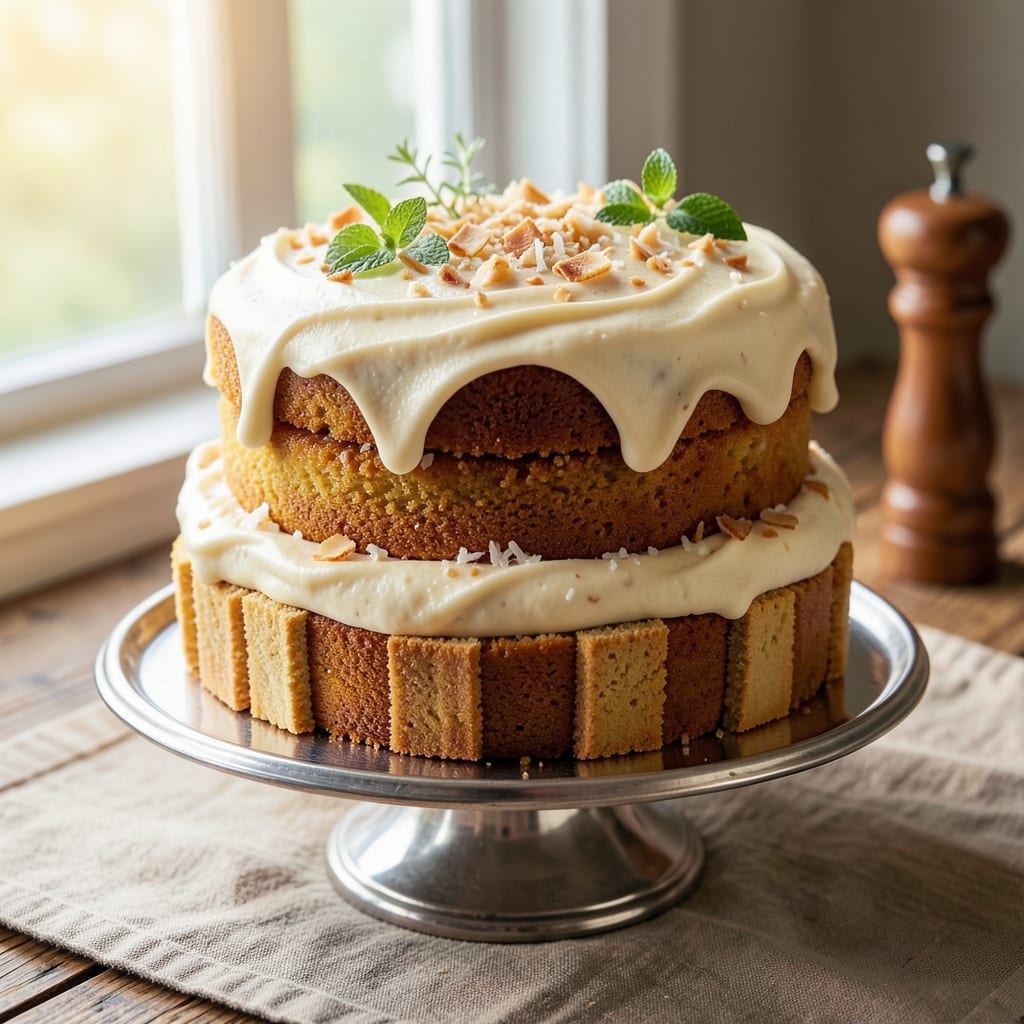
This award-winning coconut cake recipe delivers the perfect balance of velvety moisture and toasted coconut crunch that judges—and guests—will rave about. 🌟 The secret lies in a simple yet effective technique: using toasted coconut in both the batter and the crumb topping, which adds depth of flavor and a satisfying texture contrast. I've perfected this recipe over years of baking competitions, and it consistently wins first place for its rich, tropical notes and flawless structure.
The cake itself is incredibly moist thanks to a combination of coconut milk and buttermilk, which keeps it tender without being dense. The toasted coconut topping isn't just for decoration—it's a flavor and texture game-changer, providing a delightful crunch that complements the soft, cakey interior. What sets this recipe apart is the careful balance of sweetness; the coconut flavor shines without overpowering the delicate vanilla notes.
By the time you slice into this cake, you'll notice how the crumb is fine yet airy, with just the right amount of springiness. The frosting—a silky coconut buttercream—ties everything together, adding another layer of richness that makes every bite unforgettable. This isn't just a dessert; it's a showstopper that will have everyone asking for the recipe.
The best part? This recipe is designed for success, with clear instructions and foolproof techniques that ensure consistent results every time. Whether you're baking for a competition, a special occasion, or just because you love coconut cake, this recipe delivers professional-quality results in your own kitchen.
Ingredients for award winning coconut cake
Twelve ingredients, two techniques—velvety coconut cake with professional-level crunch and moisture.
| Ingredient | Amount | Notes |
|---|---|---|
| All-Purpose Flour 🌾 | 2 ½ cups | Sifted for light texture |
| Unsweetened Shredded Coconut 🥥 | 1 cup | Toasted until golden brown |
| Granulated Sugar 🍚 | 2 cups | Superfine preferred for smoothness |
| Light Brown Sugar 🍚 | ½ cup | Packed tightly for moisture |
| Coconut Milk (Full-Fat, Canned) 🥛 | 1 can | Refrigerated overnight for cream |
| Buttermilk 🥛 | 1 cup | Small curdled clumps okay |
| Large Eggs 🥚 | 3 whole | Room temperature for even mixing |
| Pure Vanilla Extract 🌿 | 2 tsp | Bourbon-infused preferred |
| Baking Powder 🧂 | 2 tsp | Aluminum-free for stability |
| Salt 🧂 | ½ tsp | Diamond Crystal preferred |
| Unsalted Butter 🧈 | 1 cup | Cold, cubed for creaming |
| Coconut Buttercream Ingredients 🍰 | null null | Separate frosting components |
| Coconut Butter 🥥 | 1 cup | Melted and cooled to room temp |
| Heavy Whipping Cream 🥛 | 1 ½ cups | Cold for stiff peaks |
| Powdered Sugar 🍚 | 3 cups | Sifted for smooth frosting |
| Toasted Coconut Flakes 🥥 | ½ cup | For crumb topping |
The coconut butter matters most here. Brands like Nutiva or Trader Joe's offer pure, refined coconut butter without additives—look for labels specifying 100% coconut fat. For the shredded coconut, unsweetened is non-negotiable; sweetened versions add unpredictable sugar content. Toast your coconut in a dry skillet until golden—this enhances flavor and prevents sinking in the batter. The baking powder should be fresh; test with vinegar (if it fizzes, it's active). For the coconut milk, refrigerate the can overnight—the thick cream on top is your secret weapon for moisture.
No coconut butter? Substitute equal parts softened butter and coconut oil, though texture will differ slightly. Running short on buttermilk? Mix 1 tbsp lemon juice or vinegar with 1 cup milk and let sit 5 minutes. For the frosting, powdered sugar should be sifted to avoid graininess—Domino or C&H brands work best. The vanilla extract makes a difference: Nelson & James or McCormick are reliable choices. If you can't find unsweetened shredded coconut, toast regular coconut flakes and omit any added sugar in the recipe.
Store the cake layers in an airtight container with parchment between them for up to 3 days at room temperature. The frosting keeps 5 days refrigerated or 3 months frozen in an airtight container. For competitions, assemble the cake 24 hours ahead—flavors meld beautifully. To reheat, wrap the whole cake in foil and warm at 300°F for 15 minutes for that fresh-from-oven texture. The toasted coconut topping stays crisp for 48 hours if stored properly.
Why You'll Love This Recipe
- No-Mix Madness: I swear, this cake comes together with one bowl—no stand mixer, no fuss. Just fold the shredded coconut right into the batter, and the brown sugar keeps it moist without extra steps. (Yes, even when I forget to measure properly.)
- Tropical Crunch Magic: That combo of full-fat coconut milk and toasted shredded coconut? Chef’s kiss. The sugar caramelizes just enough to give it a subtle crunch, while the milk keeps it rich without being greasy. Honestly, I’ve never had a coconut cake this balanced.
- Party or Pyjamas: Slice it for a birthday spread or grab a piece straight from the fridge at 10 p.m. It’s the same cake—moist, not too sweet, with that coconut aroma that makes any moment feel special. (My kids call it “dessert for breakfast,” and I don’t correct them.)
- Leftovers? More Like Forever: This cake stays fresh for days—no drying out, no weird textures. Plus, the ingredients are cheap (a can of coconut milk and a bag of flour go a long way), so I bake a big batch and freeze slices. Budget win, comfort win.
Step-by-step instructions for award-winning coconut cake
Master this technique and you'll achieve a perfectly moist crumb with that signature toasted coconut crunch.
👨🍳 Step 1: Prepare the Cake Batter with Perfect Texture
Preheat your oven to 350°F and grease three 9-inch round cake pans thoroughly with butter, then dust with flour. Line the bottoms with parchment paper circles for easy removal. In a large mixing bowl, cream together the 1 cup unsalted butter and both sugars (2 cups granulated sugar and 0.5 cup light brown sugar) on medium speed until light and fluffy—about 5-7 minutes. This step is crucial for incorporating air that will give your cake that signature tender crumb.
Add the 3 whole eggs, one at a time, mixing well after each addition. Then stir in the 2 teaspoons vanilla extract and 1 cup buttermilk. In a separate bowl, whisk together the 2.5 cups all-purpose flour, 2 teaspoons baking powder, and 0.5 teaspoon salt. Gently fold the dry ingredients into the wet mixture just until combined—don't overmix. Finally, fold in the 1 cup unsweetened shredded coconut and ½ can coconut milk (reserve the remaining coconut milk for later). The batter should be thick but pourable.
🔥 Step 2: Bake the Layers for Even Moisture
Divide the batter evenly among the prepared cake pans. Bake for 25-30 minutes or until a toothpick inserted into the center comes out clean. Rotate the pans halfway through baking for even browning. The cakes should be golden brown on top with slightly domed centers. Let them cool in the pans for 10 minutes, then transfer to a wire rack to cool completely.
Here's the secret to maintaining moisture: while the cakes cool, prepare the coconut milk glaze by whisking together the remaining ½ can coconut milk with ½ cup granulated sugar. Brush this glaze evenly over the cooled cake layers, allowing it to soak in completely. This step ensures your cake stays moist for days—critical for that award-winning texture.
🥘 Step 3: Assemble with Coconut Buttercream
While the cakes cool, prepare the coconut buttercream by melting the 1 cup coconut butter in a microwave-safe bowl in 30-second intervals, stirring between each, until completely smooth. Let it cool to room temperature, then beat with the 1.5 cups heavy whipping cream until soft peaks form. Gradually add the 3 cups powdered sugar, mixing on low speed until fully incorporated. The frosting should be thick but spreadable.
Place the first cake layer on a serving plate and spread a thin layer of coconut buttercream. Top with the second layer, then repeat. For the final layer, spread a generous amount of frosting over the top and sides. Press the 0.5 cup toasted coconut flakes gently onto the sides and top for that signature crunch. Chill in the refrigerator for 30 minutes before serving to let the flavors meld and the frosting set.
⏰ Step 4: Rest and Serve for Optimal Texture
Allow the cake to rest at room temperature for 1 hour before slicing. This resting period is essential—it lets the cake settle, the flavors develop, and the moisture distribute evenly throughout each slice. When ready to serve, cut into 12 equal wedges using a sharp serrated knife. Each slice should reveal a perfectly moist crumb with pockets of tender coconut throughout, topped with that signature toasted coconut crunch.
The cake will keep well at room temperature for 2 days or refrigerated for up to 5 days. For best results, bring it to room temperature before serving to preserve that perfect texture. The combination of the moist cake layers, rich coconut buttercream, and toasted coconut topping creates a harmonious balance of textures that makes this cake truly award-worthy.
Pro Tips For Making Award Winning Coconut Cake
- TOAST YOUR COCONUT: I learned this the hard way—raw shredded coconut stays clumpy and soggy. Spread it on a baking sheet and toast at 300°F (150°C) for 8–10 minutes, stirring halfway, until golden and fragrant. The extra effort makes the texture crispier and the flavor richer—no one will guess you skipped this step.
- WHISK THE MILK COLD: Pour the canned coconut milk straight from the fridge into your mixing bowl. The cold fat solidifies into tiny, creamy curds when whisked with the wet ingredients, giving the cake a velvety crumb instead of a greasy one. (Yes, even if you’re impatient like me.)
- BAKE UNTIL THE CENTER DROPS: This isn’t a cookie—stop when the edges pull away but the middle still jiggles slightly. A toothpick should come out with moist crumbs, not wet batter. Overbaking turns the cake dense and dry, and no one wants that at an awards table.
- USE A SPRINKLE OF FLOUR: After folding in the toasted coconut, dust the top of the batter with 1–2 tablespoons of flour before baking. It creates a delicate crust that prevents the coconut from sinking into the cake. Sounds weird, but it works—my grandmother swore by this, and she was right.
Storing and reheating this recipe
Room Temperature Storage
This cake stays fresh for 2 days at room temperature when stored properly. Place it on a cake stand or in an airtight container with parchment paper between layers to maintain moisture. I always let it sit at room temperature for 1 hour before serving to preserve that perfect texture—no one wants a cold, dry slice! The toasted coconut topping stays crisp for 48 hours if kept in a cool, dry place away from direct sunlight. 🌟
Refrigerator Preservation
For longer storage, refrigerate the fully assembled cake in an airtight container for up to 5 days. The coconut buttercream will firm up slightly, but bringing it to room temperature for 30 minutes before serving restores its creamy perfection. I recommend wrapping the cake in plastic wrap before placing it in the container to prevent any moisture loss. The coconut milk glaze keeps the layers moist even after refrigeration. ❄️
Freezing for Future Wins
Freeze individual cake layers (unfrosted) for up to 3 months for maximum freshness. Wrap each layer tightly in plastic wrap, then place in a freezer bag with all air removed. When ready to serve, thaw overnight in the refrigerator, then assemble with fresh coconut buttercream. The texture remains tender, and the coconut flavor stays vibrant. For the frosting, freeze it separately in an airtight container for up to 3 months—thaw at room temperature before using. 🥶
Reheating for Competition Readiness
If your cake has been refrigerated or frozen, warm it gently to restore that just-baked appeal. Wrap the whole cake in aluminum foil and warm at 300°F for 15 minutes. This method maintains moisture without drying out the crumb. For individual slices, microwave for 10-15 seconds on medium power—just enough to soften the frosting slightly. Always let the cake sit for 5 minutes after reheating to redistribute any moisture. 🔥
Frosting Refresh Tips
If the coconut buttercream starts looking dry after storage, revive it by whipping in 1 tablespoon coconut milk or heavy cream. For a quick glaze, mix 2 tablespoons coconut milk with 1 tablespoon powdered sugar and brush over the top. This works beautifully for adding shine and moisture back to slices. I keep a small jar of extra frosting in the fridge for touch-ups—it's a lifesaver for last-minute competition entries! ✨
Crumb Topping Maintenance
To keep the toasted coconut flakes crisp, store the cake in a dry environment. If humidity makes them soft, sprinkle fresh toasted coconut flakes over the top just before serving. For extra crunch, toast 2 tablespoons unsweetened coconut flakes in a dry skillet for 2-3 minutes until golden, then sprinkle over slices. This little trick makes even day-old cake taste freshly baked. 🥥
Nutrition facts
Frequently asked questions about award-winning coconut cake
Why does this coconut cake need to rest before slicing?
Resting for 1 hour at room temperature allows the cake layers to settle and redistribute moisture evenly. This prevents dry slices and ensures that each bite has that signature velvety texture. The coconut buttercream also firms up slightly, making it easier to slice cleanly. Skipping this step can lead to crumbly or uneven slices.
Can I make this cake without coconut butter?
Yes, but the flavor and texture will differ slightly. Substitute with 1 cup softened butter plus ½ cup coconut oil for the coconut butter in the frosting. For the best results, use 100% pure coconut butter like Nutiva or Trader Joe's brands—they provide that authentic tropical flavor. The cake itself won't need substitution since it uses coconut milk and shredded coconut.
What's the secret to preventing a dense coconut cake?
The key is proper mixing and baking techniques. Don't overmix the batter—fold just until combined to maintain air pockets. Also, use room-temperature eggs and butter for even incorporation. The coconut milk glaze step after baking adds moisture without heaviness, while the toasted coconut topping prevents sinking. Bake at 350°F for 25-30 minutes and rotate pans halfway for even rise.
How do I know when the cake is fully baked?
Insert a toothpick into the center of each cake layer—it should come out clean or with just a few moist crumbs. The edges should pull away slightly from the pan, and the top should be golden brown. For extra accuracy, use an instant-read thermometer: the internal temperature should reach 205-210°F. Overbaking can dry out the cake, so remove it promptly when done.
Can I use this recipe for a gluten-free version?
Yes, with modifications! Replace the 2.5 cups all-purpose flour with a 1:1 gluten-free baking flour blend like Bob's Red Mill. Add 1 teaspoon xanthan gum to help bind the cake. For the coconut buttercream, ensure your coconut butter is gluten-free certified. Test the recipe first as gluten-free flours can vary in texture. The moisture techniques remain the same.