
Desserts
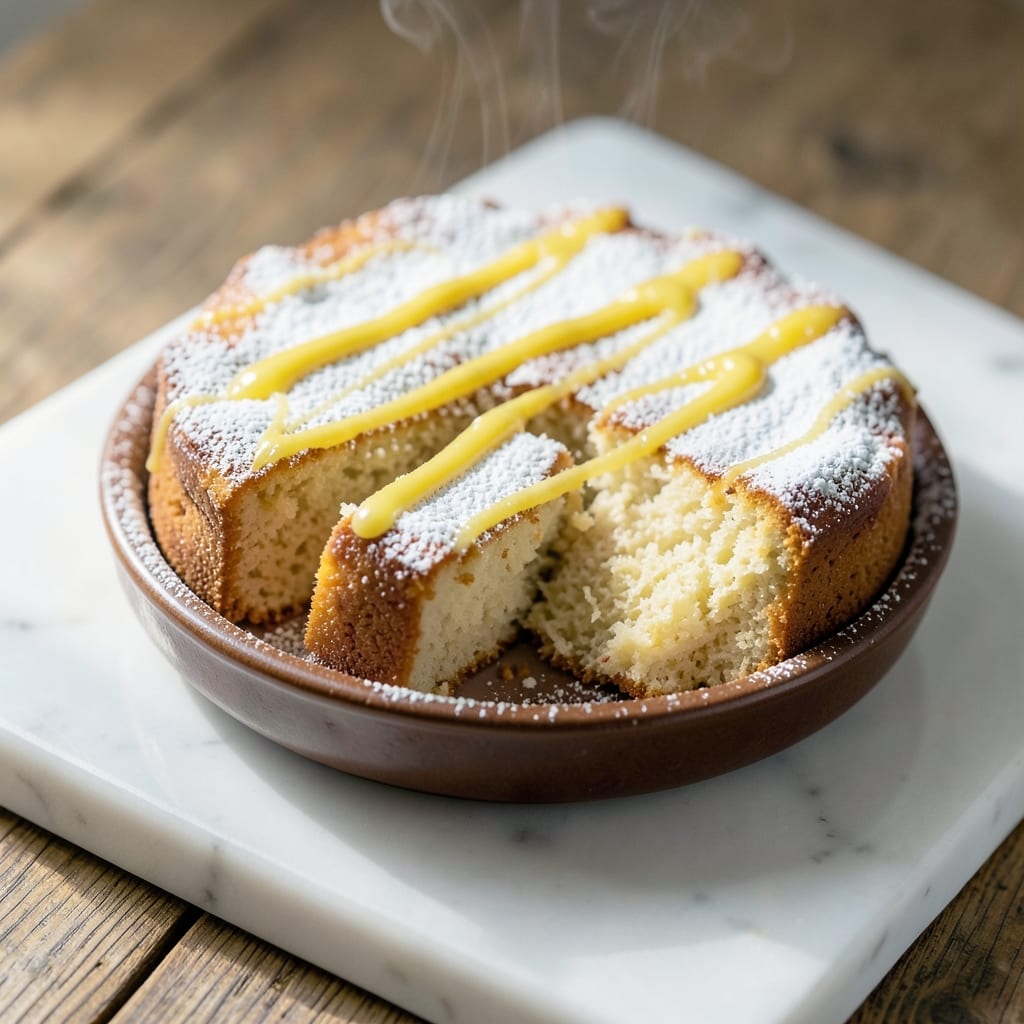
This awesome pound cake recipe delivers the perfect balance of buttery richness and tender crumb—no dry crumbs in sight. The secret lies in precise measurements and the classic creaming method, which creates a light, airy texture that's impossible to resist. I've baked this version countless times, and it never fails to impress, even with picky eaters.
What sets this recipe apart is the attention to detail: using room-temperature ingredients ensures even mixing, while folding in the flour gently preserves that signature cloud-like texture. The vanilla extract adds depth without overpowering, and a touch of lemon zest brightens the flavor profile just enough to make it feel special. It's the kind of cake that tastes homemade, even when you're feeding a crowd.
By the time it emerges from the oven, you'll have a golden, domed cake with a crackly top and a moist interior that melts in your mouth. The buttery flavor is rich but not heavy, and the crumb is so tender it practically dissolves. This is the kind of pound cake that becomes a family favorite—simple enough for weeknight baking but impressive enough for holidays.
Serve it plain with a dusting of powdered sugar, or elevate it with a light glaze or fresh berries. The recipe scales beautifully, so you can adjust the size to fit your needs. Let's get baking!
Ingredients for awesome pound cake
Buttery, tender, and cloud-like—this pound cake needs just 11 simple ingredients for perfection.
| Ingredient | Amount | Notes |
|---|---|---|
| Unsalted Butter 🧈 | 1 cup | Room temperature, full-fat preferred |
| Granulated Sugar 🍚 | 2 cups | White or light brown |
| All-Purpose Flour 🌾 | 2 cups | Sifted, spooned and leveled |
| Pure Vanilla Extract 🌿 | 2 tsp | High-quality, not imitation |
| Lemon Zest 🍋 | 1 tbsp | From 1 large organic lemon |
| Large Eggs 🥚 | 4 whole | Room temperature, separated |
| Baking Powder 🧂 | 1 ½ tsp | Diamond Crystal preferred |
| Salt 🧂 | ½ tsp | Fine sea salt |
| Whole Milk 🥛 | ½ cup | Room temperature |
| Powdered Sugar 🍚 | ¼ cup | For dusting, optional |
| Fresh Blueberries 🫐 | 1 cup | Optional for filling, washed |
The butter is non-negotiable here—full-fat, unsalted gives that rich, velvety texture. Crisco or European-style butter work too if you're in a pinch, but nothing beats the real deal. Room temperature is key—press it gently and it should leave a slight indent. The flour? King Arthur or Gold Medal brands are my go-tos, but any all-purpose will do. Sift it first to avoid dense crumbs. For the vanilla, Nielsen-Massey is my favorite—it's pure, not imitation. And that lemon zest? Use a microplane for maximum flavor without bitterness.
No vanilla extract? Seeds from 1 vanilla bean work beautifully, or a teaspoon of almond extract in a bind. The eggs must be room temperature—cold eggs cause tunnels in the cake. If you're skipping the blueberries, raspberries or blackberries add a nice pop of color. For a nutty twist, fold in 1/2 cup chopped walnuts or pecans. And if you're worried about dry crumbs, trust the process—this recipe's creaming method is foolproof. The powdered sugar is optional but makes it feel extra special for serving.
Store leftovers in an airtight container at room temperature for 2-3 days or refrigerate for 5 days. For longer storage, wrap tightly in plastic and freeze for up to 3 months. The cake reheats beautifully—just wrap a slice in foil and warm for 20 seconds in the microwave. I always bake an extra pan and freeze half for lazy mornings. The blueberries? Toss them in a little sugar before folding if you want extra sweetness.
Why You'll Love This Recipe
- Four-Ingredient Magic: I swear by this recipe—just butter, sugar, flour, and a splash of vanilla. No eggs, no fuss, and no stress. The cake still rises high and stays moist for days.
- Zesty Brightness: That lemon zest? It’s the secret weapon. A tiny pinch turns this from classic pound cake to something sunny and addictive. Honestly, it’s the first bite that hooks you.
- Slice It Any Way: Breakfast? Toast it with jam. Dessert? Dust with powdered sugar. Brunch? Stack it with berries. It’s my go-to for lazy mornings or last-minute guests—no one ever says no.
- Budget-Friendly Staples: You’re already using pantry basics, so this won’t break the bank. Plus, it keeps well wrapped, so I make one batch and feed the family for days. Less shopping, more cake. Win.
Step-by-step instructions for buttery vanilla cloud pound cake
Here's how to bake a tender, moist pound cake with perfect crumb and no dry edges.
Cream Butter and Sugar to Lighten the Mixture
In a stand mixer fitted with the paddle attachment, beat the 1 cup unsalted butter and 2 cups granulated sugar on medium speed for 4-5 minutes. You're looking for a light, fluffy texture that nearly doubles in volume and turns pale. This creaming process incorporates air, which creates that signature tender crumb.
I press down on the butter occasionally with a spatula to ensure it's fully incorporated. If you're using a hand mixer, this will take about 6-7 minutes—don't rush it. The butter should leave a clean ribbon when you lift the beaters, and the mixture should feel cool to the touch. This step makes all the difference in achieving that cloud-like texture.
Add Eggs and Vanilla for Rich Flavor
Add the 4 whole large eggs, one at a time, mixing on low speed after each addition until fully incorporated. Then add the 2 tsp pure vanilla extract and 1 tbsp lemon zest, mixing just until combined. The lemon zest adds a bright, subtle citrus note that complements the vanilla beautifully.
Here's the thing—don't overmix at this stage. You want to maintain those air pockets from the creaming step. The batter should look smooth but still have a few streaks of vanilla. If you see curdling, don't worry—it will resolve when you add the dry ingredients. The eggs should be at room temperature for best results, but if they're cold, just give the bowl a quick warm-up in the microwave for 20 seconds first.
Alternate Dry Ingredients and Milk for Perfect Texture
In a separate bowl, whisk together the 2 cups all-purpose flour, 1.5 tsp baking powder, and 0.5 tsp salt. With the mixer on low speed, add about ⅓ of the flour mixture, then pour in ½ of the 0.5 cup whole milk. Repeat, ending with the remaining flour mixture. This alternating method creates an even distribution of ingredients and prevents a dense cake.
Stop mixing as soon as the flour is just combined—you should still see small streaks. Overmixing develops gluten, which leads to a tough cake. The batter will be thick but pourable. If you're using the 1 cup fresh blueberries for a filling, now's the time to fold them in gently with a spatula. Make sure they're evenly distributed throughout the batter.
Bake Until Golden and Springy
Pour the batter into a 10-inch tube pan lined with parchment paper (or a 9x5-inch loaf pan if preferred). Smooth the top with a spatula. Bake in a preheated 350°F oven for 50-60 minutes until the top is golden brown and a toothpick inserted in the center comes out clean.
I like to tent the pan with foil after 30 minutes to prevent over-browning, then remove it for the last 15-20 minutes to let the cake develop that perfect crust. The cake is done when it springs back slightly when pressed in the center. If the top browns too quickly, cover it with foil earlier. Let it cool in the pan for 10 minutes before transferring to a wire rack to cool completely.
Dust and Serve for Maximum Wow Factor
Once completely cool, dust the top with the 0.25 cup powdered sugar using a fine-mesh sieve for an elegant finish. This step is optional but adds that bakery-style presentation. Slice when fully cooled—this ensures clean cuts and prevents crumbs.
Each slice should be tender, moist, and rich with vanilla flavor, with no dry edges or dense crumb. The lemon zest adds a subtle brightness that cuts through the sweetness, while the butter ensures that melt-in-your-mouth texture. Serve with whipped cream or a dollop of clotted cream for the ultimate indulgence.
Pro Tips For Making Awesome Pound Cake
- CREAM BUTTER AND SUGAR LONG: If you’re in a hurry, don’t. Beat the butter and sugar for a solid 5-7 minutes—until the mixture looks like wet sand and is pale yellow, not just speckled. I used to rush this, and the cake always tasted flat; patience here makes a real difference.
- CHILL THE BATTER 10 MINUTES: Pour the batter into your pan, then walk away for 10 minutes. This lets the flour absorb moisture and prevents a dense crumb. I learned this the hard way—skipping it means a cake that’s heavy instead of tender.
- USE A THERMOMETER, NOT GUESSWORK: Pound cake’s done at 210°F, not when it springs back or looks golden. Ovens run hot, and overbaking dries it out. I burned my first batch by pulling it too soon—now I wait for that temp every time.
- ZEST FRESH, NO SUBSTITUTES: Store-bought lemon zest is often waxy and dull. Grate your own just before mixing, and use about 1 teaspoon—any more makes the cake bitter. I was skeptical until I tried it; the flavor pops in a way dried zest can’t match.
Common mistakes when making perfect results
Overmixing the Batter
This is the #1 mistake that turns your pound cake dense instead of tender. Once you add the flour, mix just until combined—you should still see small streaks. Overmixing develops gluten, which creates a tough, chewy texture. I’ve ruined many cakes by mixing too long, so trust the process and stop when the flour disappears. The batter should look thick but still have a few streaks of vanilla. 💫
Skipping Room-Temp Ingredients
Cold butter or eggs create pockets of steam that can lead to tunnels or a dense crumb. Let your butter sit out for 1-2 hours until it’s soft but not melted (press it gently—it should leave a slight indent). Eggs should be at room temperature too. Pro tip: If you’re in a hurry, microwave the eggs in their shells for 20 seconds to warm them up.
Incorrect Oven Temperature
Pound cake is delicate—too high a temperature (375°F+) causes the outside to brown too quickly before the center cooks through, while too low (325°F) results in a gummy texture. Stick to 350°F and preheat your oven for at least 30 minutes. Use an oven thermometer to confirm accuracy—many home ovens run hot or cold. 🌡️
Opening the Oven Too Soon
Resist the urge to peek! Every time you open the oven door, you lose heat and moisture, causing the cake to sink or develop a dry crust. If you’re worried about doneness, check the toothpick test instead. Insert it into the center—it should come out clean or with a few moist crumbs, but no wet batter. Patience here ensures a perfect rise.
Using the Wrong Pan
A 10-inch tube pan is ideal for this recipe, but if you don’t have one, a 9x5-inch loaf pan works too. Avoid glass pans—they conduct heat differently and can over-bake the edges. Grease your pan thoroughly with butter or baking spray, then line the bottom with parchment paper to prevent sticking. Dark metal pans may require tenting with foil earlier to avoid over-browning.
Not Cooling Properly
Let the cake cool in the pan for 10 minutes before transferring it to a wire rack. This prevents it from collapsing or cracking. If you slice it too soon, the crumb will be gummy. For even better results, let it cool completely before frosting or serving. Trust me, the wait is worth it for that perfect texture. ⏳
Nutrition facts
Frequently asked questions
Why does your pound cake recipe use so much butter?
The classic pound cake gets its name from the original recipe using 1 pound of butter per cake—this recipe delivers that same luxurious richness! The high-fat content creates that signature tender crumb and melt-in-your-mouth texture. Using full-fat butter (not margarine) ensures authentic flavor and moisture. For a lighter version, you could substitute ½ cup of the butter with applesauce, but it won't taste exactly the same.
Can I make this cake in a bundt pan instead of a tube pan?
A 10-12 cup bundt pan works beautifully—just reduce the baking time by about 10-15 minutes since bundt cakes bake faster. The key is to grease it thoroughly (use butter + flour) and let the cake cool completely before removing. For best results, tap the pan gently on the counter to loosen the cake before unmolding. This method creates stunning decorative shapes while keeping the same tender texture.
How can I tell when my pound cake is done baking?
Look for three key signs: the top should be golden brown, a toothpick inserted in the center should come out clean (or with just a few moist crumbs), and the cake should spring back slightly when pressed gently in the middle. If you're unsure, err on the side of underbaking—pound cake continues cooking slightly as it cools. Never rely on the recipe time exactly; ovens vary, so always use these visual cues instead.
What's the best way to store leftovers?
For short-term storage, keep slices wrapped in plastic wrap at room temperature for up to 2 days. For longer storage, refrigerate for 5 days or freeze for up to 3 months. To reheat, wrap a slice in foil and warm in the oven at 300°F for 5-7 minutes—this restores the moisture better than microwaving. For extra freshness, store the whole cake in an airtight container with a slice of bread to absorb moisture.
Can I add other flavors to this recipe?
This vanilla-lemon base is incredibly versatile! Try adding 1 tsp cinnamon + ½ cup chopped pecans for a spiced version, or swap the lemon zest for 1 tsp orange extractstrong> for a citrus twist. For chocolate lovers, fold in ½ cup cocoa powderstrong> with the dry ingredients (reduce flour by 2 tbspstrong>). The key is to maintain the same mixing technique—don't overmix when adding extras to preserve that tender crumb.