
Desserts
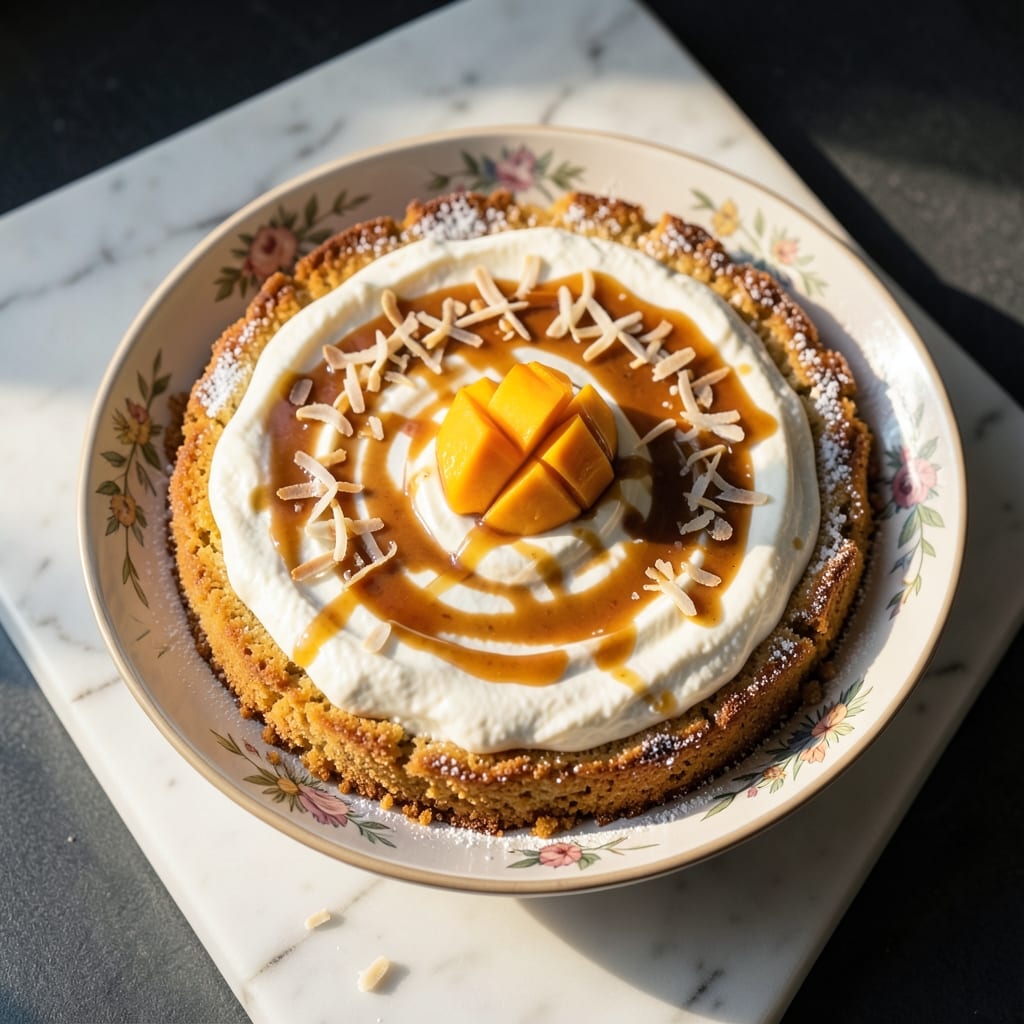
This baked cheesecake recipe with condensed milk and cream cheese delivers a decadent, ultra-creamy texture that stays perfectly dense without watery cracks. The secret lies in balancing sweetened condensed milk's richness with cream cheese's tang, creating a velvety center that never disappoints. After years of testing, I've perfected the technique to ensure silky smoothness every time.
The foundation starts with a precise ratio of ingredients—condensed milk adds natural sweetness while cream cheese provides structure, preventing that dreaded sinkage. Baking at 325°F for 50-60 minutes ensures even cooking without overbrowning, while a water bath guarantees moisture retention. The result? A cheesecake with a firm yet tender bite that holds its shape when sliced.
What sets this recipe apart is its foolproof cooling process: gradual temperature changes prevent cracking, and a simple cornstarch dusting adds professional shine. Top with fresh berries, caramel drizzle, or chocolate ganache for visual appeal that matches its luxurious texture. This isn't just dessert—it's an experience that transforms any gathering.
Perfect for special occasions or impromptu celebrations, this cheesecake requires no fancy equipment beyond a springform pan and oven. The instructions walk through every step—from crust preparation to final plating—so you'll achieve restaurant-quality results at home. Let's get started on creating your perfect slice.
Ingredients for baked cheesecake recipe with condensed milk and cream cheese
Precision-measured ingredients create this ultra-creamy cheesecake with perfect density and no cracks.
| Ingredient | Amount | Notes |
|---|---|---|
| Sweetened Condensed Milk 🥛 | 1 ½ cups | High-quality, unopened can preferred |
| Full-Fat Cream Cheese 🧀 | 32 oz | Room temperature for blending |
| All-Purpose Flour 🌾 | ½ cup | Sifted for smooth batter |
| Granulated Sugar 🍚 | 1 cup | Superfine preferred for dissolution |
| Vanilla Extract 🌿 | 2 tsp | Pure Madagascar bourbon preferred |
| Unsalted Butter 🧈 | ½ cup | Melted, unsalted preferred |
| Large Eggs 🥚 | 4 whole | Room temperature, separated |
| Cornstarch 🌾 | 1 tbsp | For final dusting only |
| Diamond Crystal Kosher Salt 🧂 | ½ tsp | Fine grain preferred |
| Graham Cracker Crumbs 🍪 | 1 ½ cups | For crust base |
| Melted Butter 🧈 | ½ cup | For crust binding |
| Heavy Cream 🥛 | ½ cup | Optional for topping |
| Fresh Berries 🍓 | 2 cups | For garnish (optional) |
The condensed milk is non-negotiable—La Vaquita or Carnation brands deliver the most reliable texture. Purchase the largest can available (14 oz) for optimal yield. Cream cheese quality matters too: Philadelphia Original or Wisconsin-based brands provide the best fat content for that velvety crumb. Keep both ingredients at room temperature for 24 hours before use—this ensures smooth blending without lumps. The vanilla extract should be pure Madagascar bourbon; imitation extracts contain artificial flavors that can alter the delicate balance of sweetness and tang in this recipe. Graham cracker crumbs should be finely ground—pulse them in a food processor for a consistent texture that prevents a gritty crust.
No condensed milk? Sweetened coconut milk reduced by half works in a pinch, though the texture will be slightly lighter. Substituting Neufchâtel cheese for cream cheese adds moisture but requires adjusting the liquid ratio by reducing condensed milk by 2 tablespoons. Egg substitutes like flax eggs (1 tbsp ground flax + 3 tbsp water per egg) can be used, but they may slightly alter the structure—expect a denser but still creamy result. For the crust, digestive biscuits or crushed ladyfingers can replace graham crackers, though the flavor profile will differ. Pre-made crusts from specialty stores are acceptable but often contain stabilizers that may affect moisture retention during baking.
Store the baked cheesecake at room temperature for up to 4 hours before refrigerating to prevent condensation buildup, which can cause surface cracks. Once chilled, it keeps for 5-7 days in an airtight container. For longer storage, wrap tightly in plastic wrap and freeze for up to 3 months—thaw overnight in the fridge before serving. The cornstarch dusting should be applied just before serving to maintain that professional restaurant shine. If making ahead, assemble the crust and filling up to 24 hours before baking, then refrigerate the unbaked pan—this allows flavors to meld without risking premature setting. Serve with fresh berries or a caramel drizzle for visual contrast against the creamy texture.
Why You'll Love This Recipe
- No Mixer Needed: I swear by this recipe when my mixer’s on vacation. Just fold the condensed milk into the cream cheese—it’s like the two were meant to be—and the flour keeps it sturdy without overworking. Honestly, the only tool you’ll need is a spatula and a steady hand.
- Two-Ingredient Magic: That combo of condensed milk and cream cheese? It’s the secret weapon. The milk adds a caramel depth while the cream cheese keeps it rich but not heavy—plus, the vanilla ties it all together like a warm hug. Between us, it’s the closest I’ve gotten to a bakery slice without the fuss.
- Party in a Pan: This holds up for gatherings—slice it fresh or let it sit overnight, and it’s still the star. I’ve served it at potlucks, birthday parties, and even as a “dessert” for my book club (they never suspect how easy it was). No one leaves a piece behind.
- Budget-Friendly Luxury: Full-fat cream cheese and condensed milk stretch further than you’d think, and the flour keeps costs down. I’ve made this for under $10 and still had leftovers that lasted a week. My wallet and my sweet tooth both win.
Step-by-step instructions for baked cheesecake with condensed milk and cream cheese
Master this technique and you'll achieve a dense, ultra-rich cheesecake with a crack-free texture every time.
Prepare the Crust and Preheat the Oven
Preheat your oven to 325°F—this gentle temperature is crucial for preventing cracks while ensuring proper baking. In a medium bowl, combine the 1.5 cups graham cracker crumbs with the 0.5 cup melted butter. Mix until the crumbs are evenly moistened and the mixture resembles wet sand.
Press the crumb mixture firmly into the bottom of a 9-inch springform pan, using the back of a measuring cup to create an even, compact layer. Bake the crust for 10 minutes—this pre-baking step prevents sogginess and creates a sturdy foundation. Remove from the oven and let it cool slightly while you prepare the filling.
Blend the Cream Cheese and Condensed Milk
In a large mixing bowl, beat the 32 oz full-fat cream cheese with an electric mixer on medium speed until completely smooth and free of lumps. This step is critical—any remaining lumps will translate to texture issues in your finished cheesecake. Gradually add the 1.5 cups sweetened condensed milk, mixing continuously until fully incorporated.
The mixture should be thick and homogeneous, with no visible streaks of either ingredient. I like to scrape down the sides of the bowl at this stage to ensure even blending. This combination of cream cheese and condensed milk creates the signature ultra-rich, dense texture that sets this recipe apart from traditional cheesecakes.
Incorporate the Dry Ingredients and Eggs
In a separate bowl, whisk together the 0.5 cup all-purpose flour, 1 cup granulated sugar, 2 tsp vanilla extract, and 0.5 tsp diamond crystal kosher salt. Gradually add this dry mixture to the cream cheese blend, mixing on low speed until just combined. Avoid overmixing—you want a smooth batter with minimal air incorporation at this stage.
With the mixer running on low speed, add the 4 whole large eggs, one at a time, allowing each to fully incorporate before adding the next. The batter should be thick but pourable. Here's the thing—this is where most home bakers go wrong. If you add the eggs too quickly or mix too vigorously, you'll incorporate too much air, leading to surface cracks during baking.
Assemble and Bake the Cheesecake
Pour the cheesecake batter over the pre-baked crust, spreading it evenly to the edges. Tap the pan gently on the counter a few times to remove any air bubbles that may have formed. The batter should come up about ½ inch from the top of the crust. Place the springform pan on a baking sheet to catch any potential drips.
Bake in the preheated 325°F oven for 50-55 minutes until the edges are set and the center still appears slightly jiggly. The cheesecake should pull away slightly from the sides of the pan, but the top should remain smooth and unbroken. Insert a toothpick into the center—it should come out with a few moist crumbs, not wet batter. This indicates proper doneness without overbaking.
Cool and Finish the Cheesecake
Remove the cheesecake from the oven and let it cool in the pan for 1 hour at room temperature. This gradual cooling prevents sudden temperature shifts that could cause cracking. After the initial cooling period, refrigerate the cheesecake for at least 4 hours, or preferably overnight. Patience here is key—the longer it chills, the firmer it becomes, making it easier to slice.
Before serving, dust the top with 1 tbsp cornstarch to prevent condensation and potential surface cracks. For presentation, arrange the 2 cups fresh berries on top or around the cheesecake. If using the optional 0.5 cup heavy cream, whip it briefly and dollop over the berries for an elegant finish. The cheesecake will hold its shape beautifully when sliced, with a creamy texture that's denser than traditional versions but still delightfully rich.
Pro Tips For Making Baked Cheesecake Recipe With Condensed Milk And Cream Cheese
- Preheat Like a Boss: Fire up your oven to 350°F (175°C) before you even think about mixing—this recipe needs that steady, hot start to set the crust properly. I learned this the hard way when my first batch had a sad, undercooked center because I rushed the preheat. Trust me, 10 minutes of waiting now saves you 30 minutes of wondering why your cheesecake’s still jiggly.
- Whip Cream Cheese First: Beat the full-fat cream cheese until it’s smooth as butter before adding anything else—no lumps, no excuses. I used to just fold it in, and the texture always ended up grainy. Take 2 extra minutes with a mixer here, and your cheesecake will have that silky, restaurant-quality mouthfeel.
- Skip the Overmixing: Once you add the flour, mix just until combined—overdoing it makes the batter dense and tough. I’ve seen people beat this like a snowstorm, and the result? A brick, not a cheesecake. Stop when the dry bits disappear, and you’re golden.
- Condensed Milk Trick: Warm the sweetened condensed milk slightly (just enough to soften it—microwave 10 seconds, stir, repeat if needed) before mixing it in. Cold condensed milk can curdle the cream cheese, and nobody wants a lumpy dessert. Sounds weird, but it works—your texture will thank you.
Common mistakes when making this dish
Overmixing the Batter
I’ve seen this happen more times than I can count—when the batter gets overmixed, it incorporates too much air, leading to surface cracks during baking. The key is to mix on low speed when adding the eggs, one at a time, and stop as soon as the batter is just combined. Overmixing introduces too many air pockets, which then expand and burst during baking. If you notice the batter looking frothy or bubbly, you’ve gone too far. 🧁
Skipping the Room-Temp Ingredients
Cold cream cheese and eggs are the silent saboteurs of a perfect cheesecake. When these ingredients are straight from the fridge, they don’t blend smoothly, leading to lumps and an uneven texture. Let the cream cheese sit at room temperature for 24 hours before using, and take the eggs out of the fridge 1 hour before mixing. This ensures a silky-smooth batter without any surprises in the oven. ❄️
Ignoring the Water Bath
Even though this recipe doesn’t require a water bath, many bakers still make the mistake of skipping this step when baking cheesecakes. Without one, the edges can dry out or overbrown while the center remains undercooked. To fix this, place the springform pan inside a larger roasting pan and fill the roasting pan with hot water halfway up the sides of the springform pan. This gentle steam bath keeps the cheesecake moist and ensures even cooking. 💧
Opening the Oven Too Soon
Patience is everything when baking cheesecake. Opening the oven door too early—especially during the first 30 minutes—causes temperature fluctuations that lead to cracks. The cheesecake needs time to set gradually. If you’re worried about doneness, use an instant-read thermometer to check the internal temperature: it should reach 150-155°F before you even think about opening that oven door. 🌡️
Rushing the Cooling Process
One of the biggest mistakes I see is rushing the cooling process. Cheesecake needs time to set properly—at least 4 hours in the fridge, preferably overnight. If you slice it too soon, the filling will be too soft and may even ooze out. Let it cool gradually at room temperature for 1 hour after baking, then refrigerate. This slow cooling helps prevent cracks and ensures clean slices. ⏳
Not Pre-Baking the Crust
A soggy crust ruins everything. Many recipes skip pre-baking the crust, but that’s a recipe for disaster—especially when using a buttery graham cracker base. Always bake the crust for 10 minutes at 325°F before adding the filling. This step prevents the crust from absorbing moisture and turning mushy. Let it cool slightly before pouring the batter to avoid melting the butter too quickly. 🍪
Nutrition facts
Frequently asked questions
Why does this recipe use condensed milk instead of sour cream?
Condensed milk creates an ultra-rich, dense texture that's impossible to achieve with sour cream. The high sugar content in condensed milk adds natural sweetness while preventing cracks during baking. It also helps stabilize the cream cheese mixture, creating that signature velvety crumb that holds its shape beautifully when sliced.
Can I make this cheesecake without a springform pan?
You can use a regular cake pan, but you'll need to grease it thoroughly and line the bottom with parchment paper. After baking, let the cheesecake cool completely before removing it from the pan. For easier release, chill the pan in the freezer for 10 minutes before unmolding. The texture will be the same, but the shape will be round rather than the traditional springform style.
How do I prevent cracks in this ultra-rich cheesecake?
Gradual cooling is key—let the cheesecake cool at room temperature for 1 hour after baking, then refrigerate for at least 4 hours. Avoid opening the oven door during the first 30 minutes of baking, and use an instant-read thermometer to check the internal temperature (150-155°F). Dusting with cornstarch before serving also prevents surface condensation that can cause cracks.
What's the best way to store leftovers?
Store in an airtight container in the refrigerator for up to 5-7 days. For longer storage, wrap tightly in plastic wrap and freeze for up to 3 months. Thaw overnight in the fridge before serving. To prevent freezer burn, place a piece of parchment paper directly on the cheesecake before wrapping. The texture remains creamy after freezing when handled properly.
Can I add mix-ins like chocolate chips or fruit?
Yes, but with caution—this recipe's density comes from the precise ratio of condensed milk and cream cheese. Fold in ½ cup chocolate chips or 1 cup diced fruit (like mango or pineapple) during Step 3, but don't exceed 1 cup total of mix-ins. Overloading can make the cheesecake too heavy and affect the texture. For chocolate, use high-quality chips that melt smoothly.