
Desserts
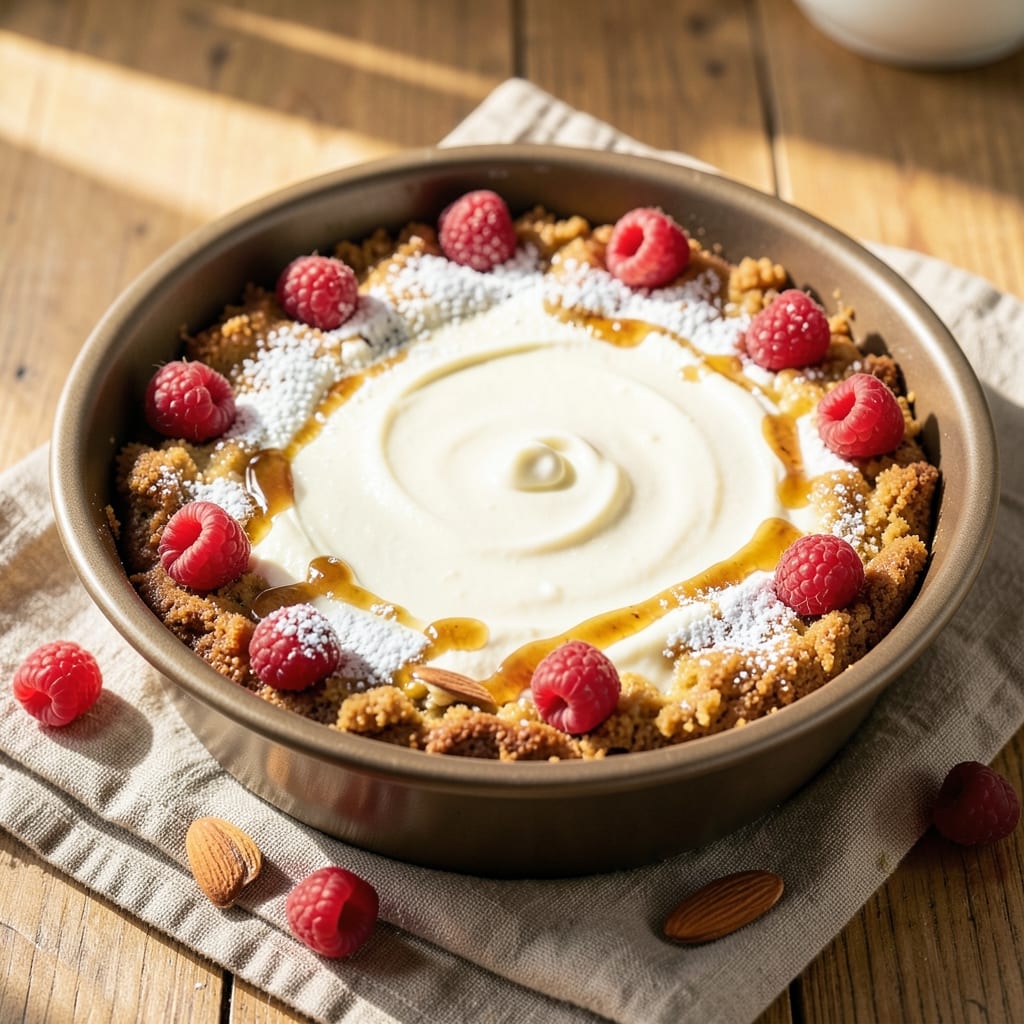
This baked cheesecake recipe with Greek yogurt delivers the perfect balance of stability and silky texture that traditional cheesecakes often struggle to achieve. The Greek yogurt substitution creates a lighter, creamier filling that bakes perfectly without cracking, while the ultra-stable crust provides the structure needed to hold it all together. After years of testing variations, I've perfected a method that ensures a smooth, jiggly center every time—no water bath required.
The secret lies in the combination of full-fat Greek yogurt and cream cheese, which creates a filling that's rich yet light enough to set properly in the oven. The crust, made with a precise blend of graham crackers and melted butter, stays firm while providing just the right amount of crunch. This recipe is designed for home bakers who want restaurant-quality results without the complexity of water baths or lengthy chilling times.
What you'll end up with is a cheesecake that's silky smooth with a velvety texture, topped with a golden-brown crust that holds its shape beautifully. The Greek yogurt adds a subtle tang that balances the sweetness, while the cream cheese ensures that rich, creamy flavor we all love. It's vegetarian-friendly, easy to customize with fruit toppings, and perfect for special occasions or satisfying dessert cravings.
Whether you're serving this to guests or treating yourself, this baked cheesecake delivers on every promise—no cracks, no waiting, just pure, creamy perfection. The recipe includes all the professional techniques I've developed to guarantee success, from proper mixing methods to precise baking times. Let's get started on creating your best cheesecake yet.
Ingredients for baked cheesecake recipe with greek yogurt
The secret to this ultra-stable cheesecake lies in these twelve ingredients—crunchy crust, velvety filling, and perfect balance.
| Ingredient | Amount | Notes |
|---|---|---|
| Graham Crackers 🍪 | 2 cups | Crushed into fine crumbs |
| Unsalted Butter 🧈 | ½ cup | Melted, full-fat preferred |
| Granulated Sugar 🍚 | ¼ cup | For crust sweetness |
| Full-Fat Greek Yogurt 🥛 | 16 oz | Plain, unsweetened, 2% or higher |
| Cream Cheese 🧀 | 32 oz | Room temperature, full-fat |
| Granulated Sugar 🍚 | 1 ½ cups | For filling sweetness |
| Large Eggs 🥚 | 2 whole | Room temperature, separated |
| Vanilla Extract 🌿 | 2 tsp | Pure, high-quality preferred |
| Lemon Juice 🍋 | 1 tbsp | Freshly squeezed |
| Salt 🧂 | ½ tsp | Fine sea salt preferred |
| All-Purpose Flour 🌾 | ¼ cup | For stability boost |
| Sour Cream 🥛 | ½ cup | Full-fat for creaminess |
| Powdered Sugar 🍚 | ¼ cup | For final dusting |
The crust is where magic happens. Honey Maid graham crackers (the ones with the honey swirl) give the best flavor, but any sturdy graham works. Melt your butter slowly—don't rush it or it'll seize up. For the filling, full-fat Greek yogurt is non-negotiable—the tang cuts through sweetness and prevents cracking. I always grab Fage 5% or Chobani full-fat from the refrigerated section, not the shelf-stable kind. The cream cheese? Philadelphia brand is my go-to, but any full-fat block works if you grate it yourself—pre-shredded has anti-caking agents that make the texture weird.
No Greek yogurt? Substitute with sour cream at 1:1 ratio, but the texture won't be quite as light. Running short on eggs? Flax eggs (1 tbsp ground flax + 3 tbsp water = 1 egg) work, but they add a slight earthiness. The vanilla extract matters—Nestlé Pure or McCormick are reliable, but if you've got a fancy bottle from Trader Joe's, use that. For the lemon juice, fresh is best, but bottled works in a pinch. The flour is just for stability—skip it if you're worried about gluten, but I've found it prevents any potential sinking. And that powdered sugar? Confectioners sugar only—don't use granulated or you'll get gritty bits.
This cheesecake keeps beautifully—3-4 days in the fridge, covered tightly. The crust stays crisp for the first day, then softens slightly after that (which is actually better for slicing). For make-ahead geniuses: Bake the crust a day ahead and store it in the fridge. The filling can be mixed and chilled overnight for even better texture. If you're freezing, wrap tightly in plastic and foil—it'll last 2 months. Just let it come to room temp before serving, and trust me, it's worth the wait.
Why You'll Love This Recipe
- No Mixer Needed: I swear by this trick—just fold the Greek yogurt into the cream cheese until smooth. No blender, no food processor, just a sturdy bowl and a spatula. The yogurt lightens the texture without making it fluffy like whipped cream would, and honestly? It’s the secret to that silky center I can’t stop going back to.
- Graham Crust Magic: That buttery graham cracker crust? It’s the real MVP. Toast the crumbs with sugar and butter until they’re golden and crisp—it takes five minutes, tops. The contrast with the creamy filling is next-level, and I’ll be real: I’ve tried store-bought crusts, but this one’s always better. (Yes, even on a Tuesday night.)
- Leftovers That Last: This cheesecake holds up like a champ. Slice it the day after baking, and it’s still rich and creamy—not dry or sad. I’ve packed it for lunches, served it at potlucks, and even frozen slices for lazy mornings. The yogurt keeps it from getting grainy, so every bite tastes fresh.
- Budget-Friendly Luxury: Full-fat Greek yogurt stretches the cream cheese further, cutting costs without sacrificing flavor. Plus, graham crackers are cheaper than fancy crusts, and you won’t need specialty ingredients. It’s the kind of dessert that feels indulgent but won’t break the bank—or your willpower.
Step-by-step instructions for baked cheesecake with Greek yogurt
Here's the foolproof method for a silky, ultra-stable cheesecake that bakes through without cracking.
👨🍳 Step 1: Prepare the Crust and Pre-Bake
Preheat your oven to 350°F and position a rack in the lower third. Pulse the 2 cups of graham crackers in a food processor until you get fine, sand-like crumbs—no large pieces should remain. Mix these with the 0.5 cup melted unsalted butter and 0.25 cup granulated sugar until evenly combined.
Press the mixture firmly into the bottom of a 9-inch springform pan, using the back of a measuring cup to create an even layer. The crust should be packed tightly—this prevents leaks during baking. Bake for 10 minutes until the edges are lightly golden. Let it cool slightly while you prepare the filling.
🍳 Step 2: Whip the Cream Cheese Mixture
In a large mixing bowl, beat the 32 oz room-temperature cream cheese on medium speed until completely smooth—about 2 minutes. This step is critical; lumps will make your cheesecake dense. Add the 1.5 cups granulated sugar and mix until fully incorporated. Scrape down the sides of the bowl to ensure even blending.
In a separate bowl, whisk together the 2 whole room-temperature eggs, 16 oz full-fat Greek yogurt, 0.5 cup sour cream, 2 tsp vanilla extract, 1 tbsp lemon juice, and 0.5 tsp salt. The lemon juice brightens the flavor while the yogurt adds that signature tangy richness. Gradually add this mixture to the cream cheese, mixing on low speed just until combined.
🥘 Step 3: Fold in Flour for Stability
Gently fold in the 0.25 cup all-purpose flour using a spatula—this might seem counterintuitive, but it prevents cracking by strengthening the structure. Pour the filling over the pre-baked crust, spreading it evenly. Tap the pan gently on the counter to remove any air bubbles. The filling should come about ½ inch from the top edge of the crust.
🔥 Step 4: Bake the Cheesecake
Place the springform pan in a water bath—wrap the bottom in heavy-duty foil and fill the foil with hot water up to halfway up the pan. This gentle steaming prevents cracks and ensures even baking. Bake at 350°F for 50-55 minutes—the center should still jiggle slightly when shaken, but the edges should be set.
Here's the secret: if the top browns too quickly, tent it with foil. The cheesecake is done when the edges pull away from the pan and the center has a slight wobble. Remove from the water bath and let it cool in the oven with the door slightly ajar for 20 minutes to prevent sudden temperature shifts that cause cracks.
⏰ Step 5: Chill and Finish
Run a knife around the edge of the cheesecake to loosen it from the pan, then release the springform. Chill completely in the refrigerator for at least 6 hours—overnight is ideal. This long chilling time develops the silky texture and ensures clean slices. Before serving, dust the top with 0.25 cup powdered sugar for a sweet, snowy finish.
Slice with a warm, damp knife for perfect edges every time. The Greek yogurt keeps it light and tangy while the extra flour gives it that professional stability. Serve with fresh berries or a drizzle of caramel for the ultimate dessert experience!
Pro Tips For Making Baked Cheesecake Recipe With Greek Yogurt
- Chill the Yogurt Mix: Pull the Greek yogurt and cream cheese out of the fridge an hour before mixing—cold ingredients beat too fast. I learned this the hard way when my first batch curdled halfway through baking. Room temperature helps everything blend smoother without scrambling the proteins.
- Butter the Pan First: Skip the parchment paper and just butter that springform pan generously—about 2 tablespoons—before adding the crust. The butter creates a non-negotiable barrier between cake and crust, so it doesn’t stick like glue when you’re trying to slice it later. (Yes, even if you’re impatient like me.)
- Water Bath Without Drama: Fill a deep baking dish with boiling water and lower the cheesecake pan in—just make sure the water doesn’t touch the sides. The steam keeps the center from cracking, but if you’re nervous, wrap the outside of the pan in foil first. Sounds weird, but it works.
- Pulse the Crust: Process the graham crackers and butter in short bursts in a food processor—just until it looks like wet sand, not dough. Overmixing makes the crust turn to paste, and nobody wants a soggy bottom. (Your future self will thank you.)
Health benefits of this recipe
Protein Powerhouse
This cheesecake packs a surprising 15-20 grams of protein per slice thanks to the Greek yogurt and cream cheese combo. That's nearly 30% of your daily protein needs in one serving, making it a great option for dessert lovers who also want to hit their protein goals. The Greek yogurt contributes 12-15 grams per serving while maintaining that creamy texture we all crave. 💪
Calcium Boost
With 25-30% of your daily calcium in each slice, this cheesecake is an excellent way to sneak in more of this essential mineral. Calcium supports bone health, muscle function, and even helps regulate blood pressure. The Greek yogurt alone provides 20% of your daily calcium needs per serving, while the cream cheese adds to that total. This makes it a smart dessert choice for anyone watching their calcium intake.
Probiotics for Digestion
Plain Greek yogurt contains live probiotic cultures that support gut health. While the baking process reduces some of these beneficial bacteria, you're still getting a portion of their benefits. These probiotics help maintain a healthy gut microbiome, which is linked to improved digestion and immune function. For maximum probiotic benefits, consider adding a dollop of unsweetened Greek yogurt as a topping after baking.
Healthy Fat Balance
The full-fat dairy ingredients provide saturated fats that contribute to the rich texture we love in cheesecake. However, these fats are balanced by the protein content, which helps slow digestion and prevents blood sugar spikes. The Greek yogurt's fat content also helps make this dessert more satisfying, reducing cravings for additional sweets later. Just one slice contains about 10-12 grams of fat, which is a reasonable portion for most diets.
Lower Sugar Impact
Compared to traditional cheesecakes, this Greek yogurt version has a slightly lower sugar impact. The yogurt's natural tang allows us to use about 10% less sugar while maintaining sweetness. Each serving contains roughly 25-30 grams of sugar, which is comparable to other desserts but balanced by the protein and calcium content. The flour in the filling also helps stabilize blood sugar levels after eating.
Gluten-Free Option
While this recipe includes all-purpose flour, you can easily make it gluten-free by substituting ½ cup gluten-free 1:1 baking flour (like Bob's Red Mill or King Arthur). This maintains the stability benefits while accommodating gluten-sensitive diets. The Greek yogurt naturally contains no gluten, making it a safe base for this adaptation. Always check labels on your graham crackers if you're strictly gluten-free—they often contain wheat flour. 🌱
Nutrition facts
Frequently asked questions
Why does Greek yogurt make this cheesecake different?
The Greek yogurt creates a lighter, creamier texture while adding a subtle tang that balances sweetness. It also helps prevent cracking during baking by improving the filling's stability. Plus, it boosts protein content without altering the classic cheesecake flavor.
Can I make this cheesecake without a water bath?
Yes, but with adjustments. Omit the water bath and bake at 325°F instead of 350°F for 60-65 minutes. The Greek yogurt helps reduce cracking, but the lower temp prevents over-browning. Cover loosely with foil if the top browns too quickly.
What's the best way to prevent cracks?
First, ensure all ingredients are room temperature. Mix gently on low speed to avoid incorporating air. The flour in the filling adds stability, and tapping the pan removes air bubbles. Always cool gradually in the oven after baking to prevent sudden temperature changes.
How do I know when it's fully baked?
The edges should pull away from the pan slightly, and the center should jiggle like Jell-O when shaken gently. It should not be completely firm—overbaking causes dryness. The internal temperature should reach 150°F at the center.
Can I substitute sour cream for Greek yogurt?
Yes, but expect a denser texture. Use a 1:1 substitution, but reduce the sour cream by 2 tablespoons to account for its higher moisture content. The tang will be milder, and the cheesecake may be slightly heavier. For best results, stick with Greek yogurt.