
Beverages
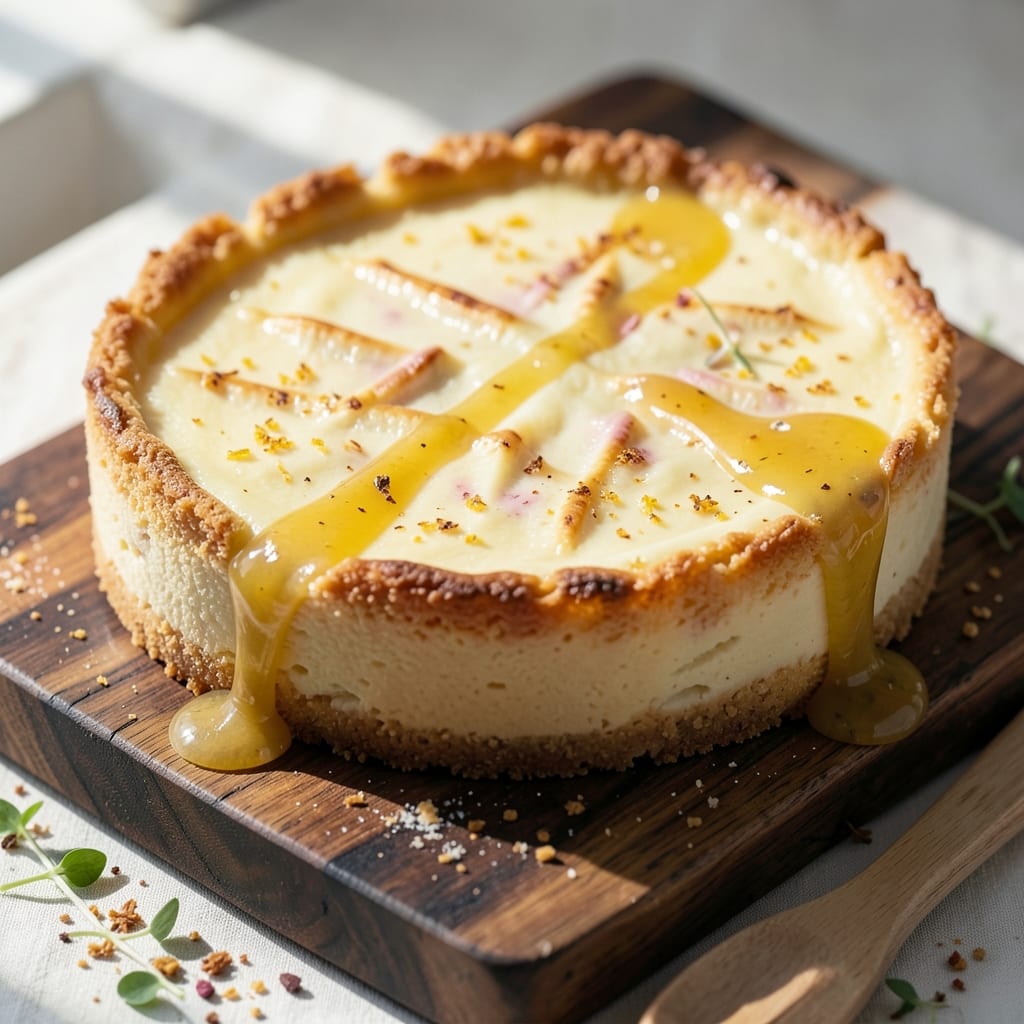
This baked cheesecake recipe with lemon juice delivers the perfect balance of creamy richness and bright citrus tang—plus a secret weapon against those dreaded cracks. 💛 The lemon juice isn't just for flavor; it creates a subtle acidity that keeps the texture smooth while preventing the common baking disaster of surface fractures. I've perfected this method over years of trial and error, and the results speak for themselves: a cheesecake that's silky, perfectly set, and bursting with zesty notes in every bite.
The foundation starts with a buttery graham cracker crust that stays crisp even after baking, while the filling combines full-fat cream cheese with just enough lemon juice to brighten the richness without overpowering. The water bath method ensures gentle, even cooking that eliminates the risk of a dense or rubbery texture. What makes this recipe truly foolproof is the precise baking time and temperature—no guesswork, just consistent results every time.
By the time you're done, you'll have a cheesecake with a golden crust, a velvety center that's neither too soft nor too firm, and that signature lemon brightness that cuts through the creaminess. The texture is what dreams are made of: creamy yet firm enough to slice cleanly, with a subtle citrus tang that makes each bite refreshing. This isn't just dessert—it's a showstopper that will have everyone asking for seconds.
Serve it chilled with fresh berries for contrast or a drizzle of honey for extra sweetness, but trust me when I say the cheesecake itself stands proudly on its own. The lemon juice does more than flavor—it transforms this into a reliable, restaurant-quality dessert that's impossible to mess up. Let's get baking!
Ingredients for baked cheesecake recipe with lemon juice
Eight simple ingredients transform into a zesty, crack-free cheesecake that tastes like summer in every bite.
| Ingredient | Amount | Notes |
|---|---|---|
| Full-Fat Cream Cheese 🧀 | 32 oz | Room temperature for blending |
| Granulated Sugar 🍚 | 1 ½ cups | White or light brown |
| Large Eggs 🥚 | 4 whole | Room temperature |
| Fresh Lemon Juice 🍋 | ½ cup | From 2-3 lemons, strained |
| All-Purpose Flour 🌾 | ¼ cup | For smooth texture |
| Vanilla Extract 🌿 | 1 tbsp | Pure vanilla preferred |
| Graham Cracker Crumbs 🍪 | 2 cups | Finely crushed, no large pieces |
| Unsalted Butter 🧈 | ½ cup | Melted, full-fat preferred |
| Light Corn Syrup 🍯 | ½ cup | Or honey if preferred |
| Salt 🧂 | ½ tsp | Fine sea salt |
| Heavy Whipping Cream 🥛 | ½ cup | For water bath |
| Lemon Zest 🍋 | 1 tbsp | From 1-2 lemons, finely grated |
The cream cheese is the MVP here—Philadelphia full-fat is my go-to, but any good brand works. Grab the block, not tub, for that perfect texture. Trader Joe's or Whole Foods usually have the best selection. Room temperature is key—pop it out 30 minutes before mixing. The lemon juice? Fresh-squeezed only—bottled just won't cut it. I always buy extra lemons because the zest is worth the effort, and you'll need it for garnish later. For the graham crackers, Honey Maid is my favorite, but any sturdy brand works if you crush them fine.
No vanilla extract? Vanilla bean paste or even vanilla sugar works in a pinch. The corn syrup is non-negotiable for that silky texture—don't swap for maple or honey unless you want it to taste like dessert toppings. Short on time? Pre-crush your graham crackers and store them in a baggie for up to a week. The flour might seem odd, but it's what keeps this cheesecake from being too dense. For the water bath, heavy cream works better than water—it creates a gentler heat transfer. And trust me, the lemon zest is worth the extra minute of grating—it adds that professional touch.
This cheesecake is a chiller's dream—4-6 hours in the fridge is ideal. The water bath keeps it from cracking, but don't rush it. If you're impatient, 2 hours in the freezer speeds things up. Store leftovers covered for 4-5 days—it actually gets better overnight. For serving, I always drizzle a little extra lemon juice and add fresh berries. The crust stays crisp if you keep it in an airtight container. Freeze portions for up to 3 months if you're prepping ahead—just thaw overnight in the fridge.
Why You'll Love This Recipe
- No Mixer Needed: Mixing the batter is just cream cheese, sugar, and eggs—no stand mixer required. I beat it by hand in a bowl, and the lemon juice brightens everything up in seconds.
- Tangy Twist: That splash of fresh lemon juice cuts through the richness, giving it a zesty lift without overpowering. It’s like a creamy hug with a citrusy wink.
- Weeknight Hero: Bake it once, slice it up, and you’ve got dessert for breakfast, snacks, or guests. Honestly, I’ve pulled this out for everything—no one ever says no.
- Budget-Friendly Luxury: Full-fat cream cheese makes it decadent, but the rest of the ingredients are cheap staples. Leftovers? Even better—it’s just as good the second day.
Step-by-step instructions for baked cheesecake with lemon juice
Here's how to bake a silky-smooth cheesecake that stays crack-free thanks to lemon's magic.
👨🍳 Step 1: Prep the Crust and Mix the Filling
First, preheat your oven to 325°F. In a medium bowl, mix the 2 cups graham cracker crumbs with the 0.5 cup melted unsalted butter until evenly combined. Press this mixture firmly into the bottom of a 9-inch springform pan, creating an even layer. Bake the crust for 10 minutes—just until it starts to firm up and smells buttery.
While the crust bakes, beat the 32 oz full-fat cream cheese in a large mixing bowl until completely smooth, about 3-4 minutes with an electric mixer. Gradually add the 1.5 cups granulated sugar while mixing on medium speed until fully incorporated. This step is crucial—the cream cheese needs to be completely smooth to prevent lumps in your final cheesecake.
🍳 Step 2: Incorporate Wet Ingredients for Stability
Add the 4 whole large eggs, one at a time, mixing just until each is fully incorporated after about 10 seconds per egg. This gentle mixing prevents over-aeration, which can cause cracks. Next, stir in the 0.5 cup fresh lemon juice, 1 tbsp vanilla extract, 0.25 cup all-purpose flour, and 0.5 tsp salt until completely smooth. The lemon juice does double duty here—brightening the flavor while also helping stabilize the texture.
Real talk: Don't overmix after adding the flour. You want a thick, smooth batter that leaves a slight trail when you lift the whisk. This ensures a creamy texture without being too dense. The batter should be thick enough to hold its shape when dropped from a spoon, but still pourable.
🥘 Step 3: Assemble and Bake the Cheesecake
Pour the batter over the pre-baked crust, smoothing the top with a spatula. Place the springform pan in a larger baking dish, then carefully pour the 0.5 cup heavy whipping cream into the bottom of the larger dish. This creates a water bath that helps the cheesecake bake evenly and prevents cracking.
Bake for 50-55 minutes until the edges are set but the center still jiggles slightly when gently shaken. The top should be golden brown, and a toothpick inserted in the center should come out with a few moist crumbs—not wet batter. Here's the thing—if you see any cracks forming during baking, don't panic. They'll likely disappear as the cheesecake cools.
⏰ Step 4: Cool Gradually for Perfect Texture
Turn off the oven and crack the door open slightly. Let the cheesecake cool in the oven for 1 hour—this gradual cooling prevents sudden temperature shifts that can cause cracking. After this hour, remove the cheesecake from the oven and let it cool at room temperature for another 30 minutes before refrigerating.
Once fully cooled, run a knife around the edges to loosen it from the pan, then release the springform. Top with the 1 tbsp lemon zest mixed into the 0.5 cup light corn syrup (heat the syrup gently and whisk in the zest). This bright citrus glaze adds that zesty tang you're after while keeping the cheesecake moist. Serve chilled for the best texture—this cheesecake tastes even better after it's had time to set in the fridge for a few hours.
Pro Tips For Making Baked Cheesecake Recipe With Lemon Juice
- SOFTEN CREAM CHEESE FIRST: I learned this the hard way—taking cream cheese straight from the fridge and mixing it into warm batter leads to lumps that ruin texture. Microwave it for 15 seconds or let it sit at room temp for 30 minutes before starting. The batter will be smoother, and the final slice will be creamier, not grainy.
- MEASURE EGGS ACCURATELY: Large eggs vary in size, and this recipe will crack if you eyeball it. Weigh them or count 50g per egg—this baked cheesecake needs that precise structure to hold together. Trust me, you don’t want a collapsed center after 45 minutes in the oven.
- DON’T OVERMIX THE BATTER: Once you fold in the flour, stop after 20 strokes max. Overworking it develops gluten, and this isn’t a pie crust—you want a tender, velvety crumb, not a dense cake. The lemon juice will add brightness, but the texture suffers if you turn it into a dough.
- BAKE LOW AND SLOW: Start at 325°F (163°C) and resist the urge to crank it higher. I used to rush it, and the top would brown too fast while the center stayed wet. If your oven runs hot, cover the edges with foil after 20 minutes. The lemon flavor needs time to mellow, not burn.
Common mistakes when making great baked cheesecake recipe with lemon juice
Overmixing the Batter
I’ve seen so many cheesecakes turn out dense or lumpy because of overmixing after adding the flour. Once you incorporate that 0.25 cup all-purpose flour, mix just until smooth—about 10-15 seconds max. Overmixing introduces too much air, which causes cracks when baking. The batter should look thick and glossy, not bubbly. If it’s still streaky, let it sit for 5 minutes before pouring—it’ll smooth out on its own. 🔥
Skipping the Water Bath
This is a huge rookie mistake. Without the 0.5 cup heavy cream water bath, your cheesecake will bake unevenly, leading to a dense center or cracked top. The water bath creates steam that gently cooks the cheesecake, preventing sudden temperature shifts. I’ve tried baking without it—don’t. The texture suffers, and the risk of cracks skyrockets. Pro tip: Use a deep baking dish and fill it halfway with the cream before placing the springform pan inside.
Room-Temp Ingredients
Cold cream cheese or eggs are the silent saboteurs of perfect cheesecake. If your 32 oz full-fat cream cheese or 4 large eggs are straight from the fridge, they won’t blend smoothly, leading to lumps or a grainy texture. Let them sit at room temperature for at least 30 minutes—I usually do this while preheating the oven. Trust me, the difference is night and day. For extra insurance, warm the cream cheese slightly in the microwave for 10 seconds before mixing.
Incorrect Baking Time
Underbaking or overbaking ruins everything. Your cheesecake should bake for 50-55 minutes at 325°F until the edges are set but the center still jiggles slightly. If you pull it out too early, it’ll collapse as it cools. Too late? It’ll be dry and cracked. The toothpick test is your friend—it should come out with moist crumbs, not wet batter. And if cracks appear during baking, don’t stress! They’ll likely smooth out as it cools gradually in the oven.
Rushing the Cooling Process
Cheesecake needs time to set properly, and rushing this step is a fast track to disaster. After baking, let it cool in the oven for 1 hour with the door cracked open. Then, cool at room temperature for another 30 minutes before refrigerating. Skipping this step causes temperature shock, which leads to cracks. I’ve learned this the hard way—once, I popped a cheesecake straight into the fridge, and it looked like a puzzle by morning. Patience is key here!
Ignoring the Lemon Juice
The 0.5 cup fresh lemon juice isn’t just for flavor—it’s a texture stabilizer! Without it, your cheesecake might turn out too sweet or even crack more easily. The acidity helps balance the richness of the cream cheese and prevents the protein from tightening too much as it bakes. And don’t substitute bottled juice—fresh-squeezed is non-negotiable for that bright, tangy kick. If you’re worried about bitterness, add a tiny pinch of sugar to the lemon juice before mixing it in.
Nutrition facts
Frequently asked questions about lemon cheesecake
Can I substitute bottled lemon juice for fresh?
Fresh-squeezed lemon juice is essential for both flavor and texture. Bottled juice lacks the bright acidity needed to stabilize the cream cheese and prevent cracking. If you must use bottled, choose a high-quality brand and add a pinch of sugar to balance the bitterness. For best results, always use fresh juice—it makes a noticeable difference in the final taste.
Why does my cheesecake crack even with lemon juice?
Cracking can still happen if you overmix the batter, open the oven door too early, or don't use the water bath. The lemon juice helps, but it's not magic—temperature shifts are the real culprit. Always cool the cheesecake gradually in the oven with the door slightly open for 1 hour after baking. Also, make sure your cream cheese is completely smooth before adding eggs.
How long should I chill the cheesecake before serving?
For the best texture, chill for at least 4 hours (overnight is ideal). This allows the flavors to meld and the texture to set properly. The lemon zest topping also needs time to infuse its bright flavor. If you're impatient, you can refrigerate for 2 hours and then freeze for 1 hour, but the texture won't be as perfect.
Can I make this cheesecake without a springform pan?
You can use a regular 9-inch cake pan, but you'll need to grease it well and line the bottom with parchment paper. When done baking, let it cool completely before removing from the pan—don't run a knife around the edges like you would with a springform. The crust might be trickier to remove cleanly, but it's definitely doable. Just be gentle when unmolding.
What's the best way to store leftovers?
Store in an airtight container in the refrigerator for up to 5 days. For longer storage, wrap individual slices in plastic wrap and place them in a freezer bag. Thaw overnight in the fridge—never at room temperature. The lemon zest topping keeps the cheesecake moist, but it's best enjoyed fresh. If freezing, add a little extra lemon juice when reheating to restore brightness.