
Desserts
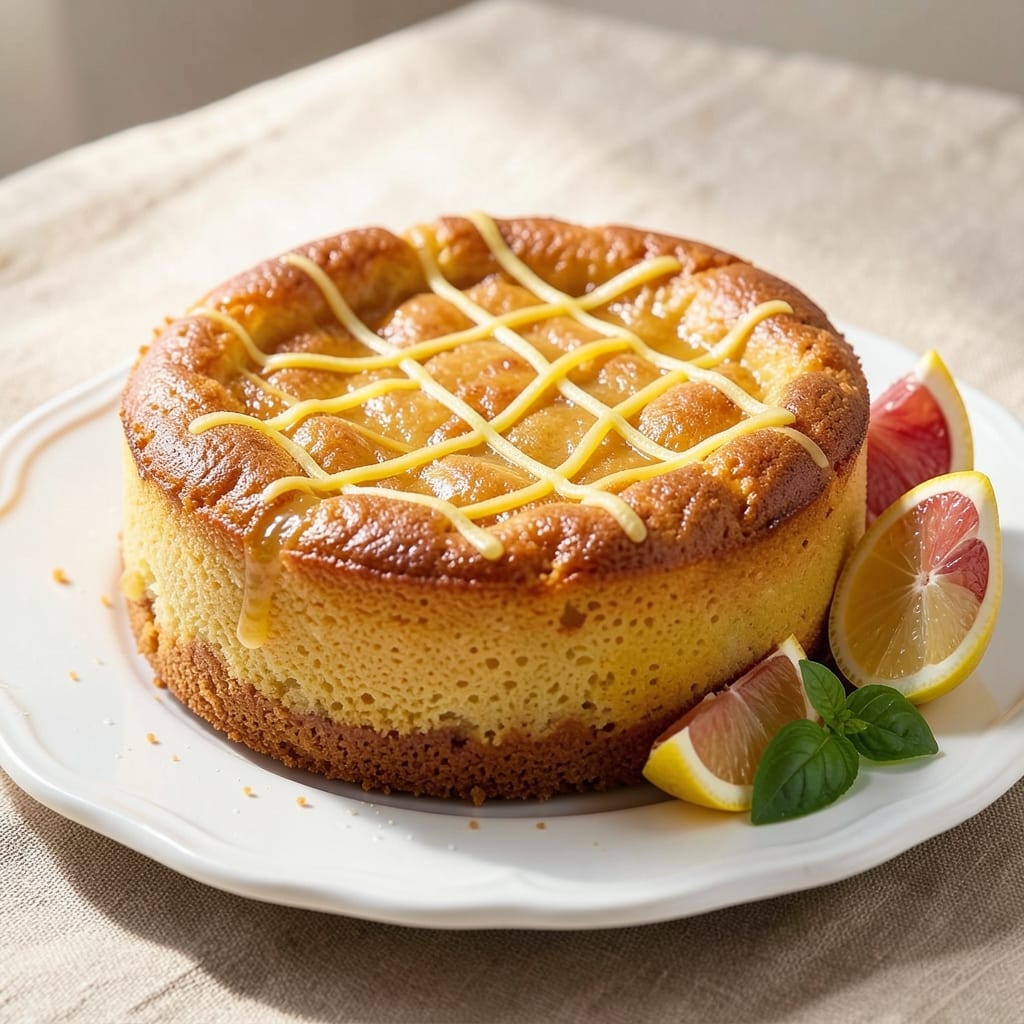
This baked lemon pudding cake delivers the perfect balance of bright citrus and velvety layers—each bite reveals a moist, tender crumb with pockets of silky lemon pudding at its heart. 💛 The secret lies in its dual-texture magic: a buttery lemon cake base baked with a pudding mixture that steams into creamy perfection, creating that signature restaurant-quality effect. What sets this recipe apart is the technique—baking the cake and pudding simultaneously in the same pan, allowing the pudding to steam and set while the cake bakes. No special equipment needed, just a standard oven and a little patience. The result? A dessert that’s elegant enough for gatherings but simple enough for a weeknight treat. By the time it emerges from the oven, you’ll have golden layers infused with zesty lemon, topped with a glossy glaze that adds a touch of sophistication. The pudding core remains silky and rich, while the cake stays tender and moist—no dry bites here. Serve it warm with a dollop of whipped cream or a sprinkle of fresh berries for a showstopping finish. Let’s make this dessert that’s as impressive as it is delicious.
Ingredients for baked lemon pudding cake
Bright citrus meets velvety layers—just these 13 ingredients transform into restaurant-quality dessert magic.
| Ingredient | Amount | Notes |
|---|---|---|
| All-Purpose Flour 🌾 | 2 cups | Sifted for even texture |
| Granulated Sugar 🍚 | 1 ½ cups | White or light brown |
| Unsalted Butter 🧈 | 1 cup | Cold, cubed for even melting |
| Fresh Lemon Zest 🍋 | 2 tbsp | From 2 large lemons |
| Fresh Lemon Juice 🍋 | ½ cup | From 2 large lemons |
| Large Eggs 🥚 | 4 whole | Room temperature preferred |
| Milk 🥛 | 1 cup | Whole milk for richness |
| Vanilla Extract 🌿 | 1 tsp | Pure vanilla preferred |
| Salt 🧂 | ½ tsp | Fine sea salt preferred |
| Cornstarch 🌾 | ¼ cup | For pudding mixture |
| Powdered Sugar 🍚 | 1 cup | For glaze |
| Heavy Cream 🥛 | ¼ cup | For glaze |
| Lemon Extract 🍋 | ½ tsp | Optional for extra zing |
The lemon zest and juice are non-negotiable here—fresh is a must (bottled juice won't cut it). Grab organic lemons from Whole Foods or your local farmers' market for the most vibrant flavor. The butter should be cold and cubed when you measure it—this ensures proper layering in the cake. For the cornstarch, Bob's Red Mill is my go-to brand—it's finely milled and dissolves perfectly. If you're using a mix of white and brown sugar, the brown adds subtle depth, but white keeps the cake's color bright and cheerful.
No fresh lemons? Bottled lemon juice works in a pinch, but add an extra 0.25 tsp of lemon extract to compensate for the lack of zest. For the butter, vegetable shortening can be substituted if you're worried about overmixing, though it won't have the same rich flavor. The powdered sugar glaze is where the magic happens—if you want extra shine, add 1 tsp of milk to thin it slightly. For a dairy-free version, swap the milk for almond milk and the heavy cream for coconut cream, though the texture will be slightly lighter.
The cake and pudding mixture can be prepped a day ahead—just store them separately in the fridge. When ready to bake, let everything sit at room temperature for 30 minutes before combining. The finished cake keeps well in an airtight container for 3-4 days at room temperature or up to 1 week in the fridge. For serving, warm slices slightly in the oven or microwave to bring out the pudding's silky texture. The glaze sets quickly, so assemble the cake just before serving for the glossiest finish.
Why You'll Love This Recipe
- No Mixer Needed: I swear by this recipe—just whisk, dump, and bake. The butter gets creamed with sugar in seconds by hand, and the flour folds in smoother than you’d expect. No stand mixer? No problem.
- Zesty Magic: That first bite—bright, buttery, with lemon so fresh it’s like sunshine in cake form. The zest clings to every crumb, and the juice keeps it from being too sweet. Honestly, it’s the kind of flavor that makes you reach for seconds without thinking.
- Crowd-Pleaser Any Day: Bring it to brunch, pack slices for lunch, or serve it at a picnic—this cake handles everything. The texture stays moist for days, and the lemon flavor is universally loved. (Yes, even your picky uncle.)
- Budget-Friendly Luxury: Flour, sugar, butter—pantry staples that won’t break the bank. A single lemon stretches across multiple batches, and leftovers? They disappear faster than you can say “pudding cake.” My secret weapon for feeding a house without stress.
Step-by-step instructions for baked lemon pudding cake
This layered dessert combines a tender citrus cake with a velvety lemon pudding filling—each step ensures perfect balance.
👨🍳 Step 1: Prepare the Lemon Pudding Filling
In a medium saucepan, whisk together the 1 cup milk, 1 cup granulated sugar, 2 tbsp fresh lemon zest, 0.5 cup fresh lemon juice, 0.25 cup cornstarch, and 0.5 tsp salt. Cook over medium heat, stirring constantly, until the mixture thickens to a pudding-like consistency—about 5-7 minutes. You'll notice it go from thin to glossy and slightly translucent.
Remove from heat and stir in 4 whole large eggs, one at a time, until fully incorporated. Then add 1 tsp vanilla extract and 0.5 tsp lemon extract (if using). Pour the warm pudding mixture into a greased 8-inch round cake pan or springform pan. Let it cool completely before proceeding—this prevents the cake layers from becoming soggy.
👨🍳 Step 2: Make the Lemon Cake Batter
In a large mixing bowl, cream together the 1 cup cold unsalted butter and 1.5 cups granulated sugar using an electric mixer on medium speed until light and fluffy—about 3-4 minutes. This step incorporates air, which creates a tender crumb. Scrape down the sides of the bowl as needed to ensure even mixing.
Add 2 cups all-purpose flour (sifted) and 0.5 tsp salt, mixing on low speed just until combined. In a separate bowl, beat the 4 whole large eggs until frothy, then add them to the butter mixture along with the 1 cup milk and 1 tsp vanilla extract. Mix on low speed until just combined—overmixing develops gluten, which makes the cake dense.
🥘 Step 3: Assemble and Bake the Cake
Pour half of the cake batter over the cooled pudding layer in the pan, spreading it evenly with a spatula. Bake at 350°F for 20 minutes, then remove from the oven and pour the remaining batter over the top layer. Return to the oven and bake for another 25-30 minutes, until the top is golden brown and a toothpick inserted comes out clean.
I like to bake it slightly underdone in the center—this ensures a moist texture. Let the cake cool in the pan for 10 minutes, then transfer to a wire rack to cool completely before glazing.
🍳 Step 4: Prepare the Lemon Glaze
In a small bowl, whisk together 1 cup powdered sugar, 0.25 cup heavy cream, and 1 tbsp fresh lemon juice until smooth and glossy. The glaze should be thick enough to coat the back of a spoon but still drizzle easily. If it's too thick, add 1-2 drops of milk to thin it out.
Once the cake is completely cooled, pour the glaze evenly over the top. Let it set for 10 minutes before slicing—this allows the glaze to firm up slightly for easier serving. The finished cake should have a vibrant lemon aroma and a perfect balance of tender cake layers with creamy pudding filling.
Pro Tips For Making Baked Lemon Pudding Cake
- Whisk Butter First: Cream your butter and sugar until the mixture turns pale and fluffy—about 3-4 minutes. I learned this the hard way: skipping this step leaves your cake dense and dry, especially when you’re baking something as delicate as lemon pudding.
- Zest Before Juicing: Use the same lemon for zest and juice—no need to waste another fruit. Scrape the zest finely (a microplane works best) and then juice it right away, so you’re not left with a half-used lemon sitting in your fridge.
- Don’t Overmix the Batter: Once you add the flour, mix just until combined—overmixing develops gluten and turns your cake tough. I used to think more mixing meant better texture, but this recipe thrives on a tender crumb.
- Test for Doneness Early: Start checking your cake at 25-30 minutes (depending on your oven). A toothpick should come out clean, but if it’s still slightly sticky, that’s okay—lemon cakes stay moist as they cool. Pulling it too soon ruins the pudding center.
Serving suggestions for this recipe
Warm Whipped Cream
Serve this lemon pudding cake warm with a generous dollop of whipped cream—I like to heat it gently in a small saucepan until just warm (about 160°F). The warmth enhances the lemon flavor and creates a luxurious contrast with the cake's cool pudding core. For extra decadence, fold in 1 tsp of lemon zest or a splash of lemon extract before whipping. 🥛
Fresh Berries
Top each slice with raspberries, blueberries, or blackberries for a pop of color and brightness. The tartness of the berries complements the sweetness of the cake beautifully. Arrange them in a circular pattern for an elegant presentation. I recommend using organic berries from Trader Joe's for their consistent quality and vibrant taste.
Citrus Garnishes
Add a finishing touch with lemon slices or thinly shaved lemon zest on top of the glaze. For a more dramatic look, create a lemon twist by rolling a strip of lemon peel between your fingers and placing it on the plate. This not only looks stunning but also intensifies the citrus aroma. 🍋
Vanilla Ice Cream
Pair your pudding cake with a scoop of vanilla bean ice cream for a classic dessert combination. The cold ice cream balances the warm cake, creating a delightful temperature contrast. I prefer Häagen-Dazs vanilla for its rich, creamy texture, but any high-quality vanilla ice cream will work beautifully.
Herbal Tea Pairing
Complement your dessert with a cup of Earl Grey tea or jasmine green tea—both enhance the lemon flavors without overpowering them. The floral notes of jasmine or the bergamot in Earl Grey create a harmonious pairing. Serve the tea warm for a cozy finish to your meal. 🍵
Garnish with Toasted Nuts
For added texture, sprinkle toasted almonds or pistachios over the cake before serving. Toast them in a dry skillet over medium heat for about 3-4 minutes until golden and fragrant. Their nutty crunch provides a delightful contrast to the soft, creamy layers of the cake. 🌰
Nutrition facts
Frequently asked questions
Why does this recipe use both cake batter and pudding?
The magic happens when the pudding steams while baking, creating a silky core that contrasts perfectly with the tender cake layers. This dual-texture technique is what makes it special—no heavy layers, just a balance of moist cake and velvety pudding. The pudding also keeps the cake juicy for days after baking!
Can I make this cake in a different pan size?
Yes! For an 8-inch round pan, use the full recipe. For a 9-inch pan, reduce baking time by about 5-7 minutes (watch closely). If using a loaf pan, bake at 325°F for 50-55 minutes—the pudding will still steam but may need slightly longer. Always check doneness with a toothpick!
What if my cake is too dry or dense?
Overmixing the batter or overbaking are the most common culprits. For next time, mix the cake batter on low speed and bake until just golden (a toothpick should have moist crumbs, not wet batter). Also ensure your butter is cold when creaming—this incorporates air for a light texture. If using a different flour, sift it first to prevent density.
How do I store leftovers?
Keep the cake in an airtight container at room temperature for 2-3 days or refrigerate for up to 1 week. For best texture, reheat slices in the microwave for 10-15 seconds before serving. The pudding core stays creamy when stored properly—just avoid freezing, as it can make the texture grainy.
Can I substitute ingredients for dietary needs?
For gluten-free, use a 1:1 GF flour blend and add 1 extra tbsp cornstarch to the pudding. Dairy-free? Swap butter for vegetable shortening and milk for almond milk. For vegan, use flax eggs (1 tbsp ground flax + 3 tbsp water per egg) and coconut milk. The texture may vary slightly, but the zesty lemon flavor stays intact!