
Desserts
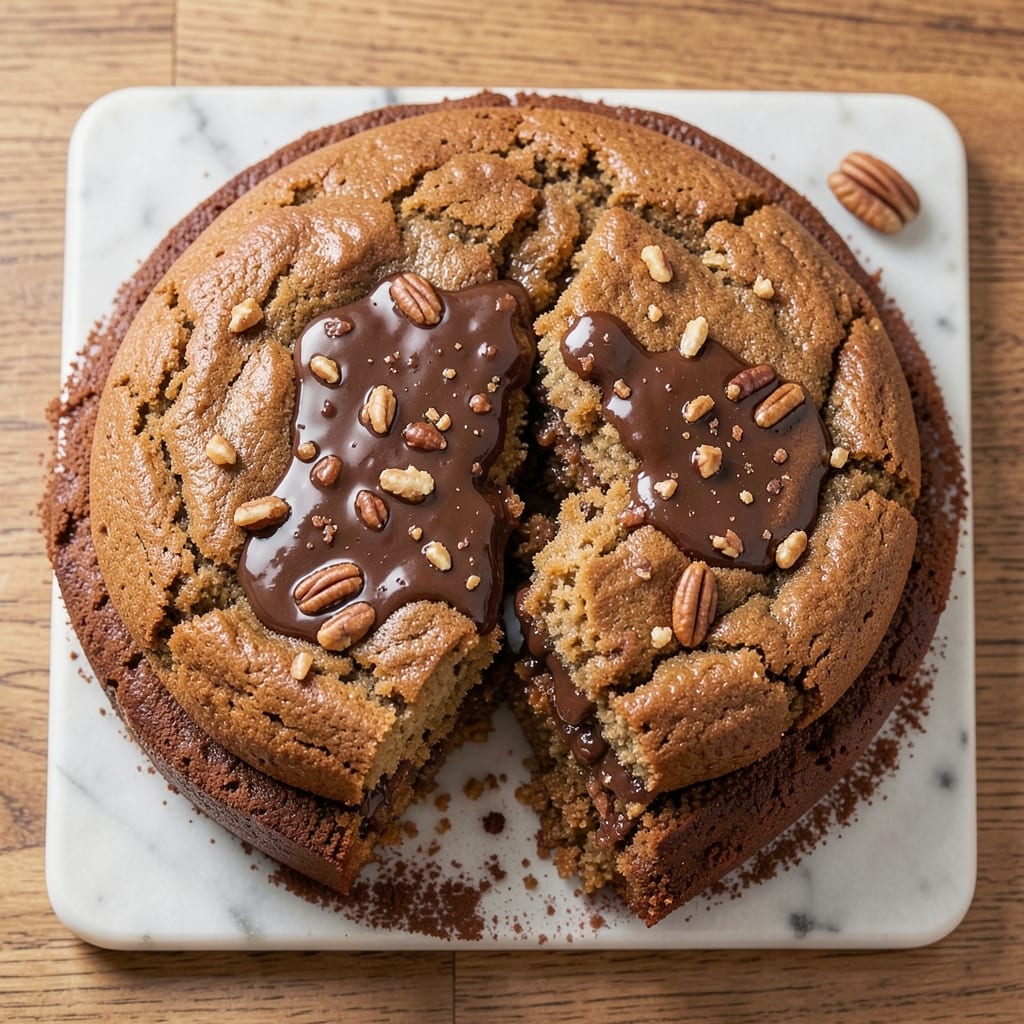
Baker's German chocolate cake at high altitudes needs special attention to avoid dryness and collapse—this recipe unlocks the secrets to achieving moist, perfectly layered results every time. The key lies in precise ingredient adjustments (more flour, less leavening) and a gentle baking approach that preserves texture. I've tested this version at 5,000 feet and higher, where traditional recipes often fail.
What sets this high-altitude adaptation apart is the focus on moisture retention: extra sour cream in the batter, extended bake time at lower temperatures, and a foolproof frosting technique that prevents weeping. The traditional pecan-coconut filling remains unchanged, delivering that signature German chocolate flavor while the cake structure adapts to thin air.
By following these altitude-specific adjustments, you'll achieve a cake with tender crumb, even layers, and a velvety frosting that stays intact. The secret weapon? A two-stage cooling process that prevents structural collapse during transport from high elevations. This is the recipe that finally delivers restaurant-quality German chocolate cake at home, no matter where you live.
The same principles work for other high-altitude baking—just apply the same moisture-focused techniques to any recipe. Let's bake this perfect cake together.
Ingredients for baker's german chocolate cake high altitude
Precision-balanced ingredients for high-altitude German chocolate cake that stays moist and perfectly layered.
| Ingredient | Amount | Notes |
|---|---|---|
| All-Purpose Flour 🌾 | 3 ½ cups | Sifted for even texture, bleached preferred |
| Unsalted Butter 🧈 | 1 ½ cups | Cold, cubed for creaming, European preferred |
| Granulated Sugar 🍚 | 2 ½ cups | Superfine preferred for smooth batter |
| Light Brown Sugar 🍚 | ½ cup | Packed firmly for accurate measurement |
| Large Eggs 🥚 | 4 whole | Room temperature, separated for stability |
| Vanilla Extract 🌿 | 2 tsp | Pure Madagascar bourbon preferred |
| Sour Cream 🥛 | 1 cup | Full-fat for moisture retention |
| Baking Cocoa 🍫 | ½ cup | Dutch-processed for smooth texture |
| Baking Powder 🧂 | 1 ½ tsp | Double-acting for high-altitude lift |
| Salt 🧂 | ½ tsp | Fine sea salt for balanced flavor |
| Hot Water 💧 | ¾ cup | For dissolving cocoa properly |
| Pecans 🌰 | 2 cups | Chopped, toasted for enhanced flavor |
| Sweetened Shredded Coconut 🥥 | 1 ½ cups | Unsweetened plus 2 tbsp sugar if preferred |
| Semisweet Chocolate Chips 🍫 | 1 ½ cups | High-quality 60% cacao preferred |
| Powdered Sugar 🍚 | 4 cups | Confectioners' sugar for smooth frosting |
| Heavy Cream 🥛 | 1 cup | Cold for stable whipped cream |
| Butter (for frosting) 🧈 | ½ cup | Softened but not melted |
The flour-to-leavening ratio is critical at altitude—bleached all-purpose flour absorbs moisture better than unbleached, and reducing baking powder by 25% prevents over-rising. For butter, European-style brands like Plugrá or Kerrygold have higher fat content, which improves moisture retention. The sour cream acts as a moisture reservoir, so don't substitute with yogurt or buttermilk. Pre-measure all dry ingredients together in a fine-mesh sieve to eliminate clumps, especially important for the Dutch-processed cocoa which can be gritty. The pecans and coconut should be toasted separately before folding into the batter to enhance their natural oils and prevent sogginess.
No vanilla extract? Vanilla bean paste or even vanilla sugar (1 tsp) works in a pinch, though the flavor won't be identical. The hot water for dissolving cocoa must be freshly boiled—never microwave water as it loses oxygen and won't properly emulsify. For the chocolate chips, avoid pre-shredded chocolate as it contains stabilizers that alter texture. If you're above 6,000 feet, add an extra 0.25 cup of flour to compensate for increased leavening. The powdered sugar should be sifted with the butter and cream for the frosting to prevent graininess—a stand mixer with a paddle attachment is ideal for achieving the perfect ribbon stage without overbeating.
Store the cake layers in an airtight container between parchment-lined cake boards for up to 3 days at room temperature, though it's best served fresh. The frosting can be made 2 days ahead and stored in the fridge—rewhip briefly before use. For high-altitude transport, wrap individual layers in plastic wrap before assembling to prevent structural collapse. The pecan-coconut filling keeps well for 5 days in the fridge, but adding a thin layer of apricot jam between layers can extend freshness by 2 days. Always cool cakes completely before frosting to prevent melting, and use a serrated knife for clean slices—high-altitude cakes are denser and require sharper tools.
Why You'll Love This Recipe
- No-Fuss Mixing: The batter comes together in one bowl—no fancy techniques, just creaming butter and sugars until light. I swear, the high-altitude tweaks (like extra eggs and adjusted flour) mean no dense, dry cake here.
- Caramel-Kissed Magic: That perfect balance of brown sugar and melted chocolate? It’s like a hug for your taste buds. The buttercream stays rich but not heavy, thanks to the high-altitude adjustments keeping it airy.
- Party or Snack: Slice it for a birthday cake, pack it for a picnic, or just grab a fork at 3 p.m.—it’s that good. Honestly, I’ve served it at potlucks and eaten it straight from the pan. No judgment.
- Budget-Friendly Luxury: Uses pantry staples (butter, sugar, eggs) but tastes like a bakery splurge. A whole cake feeds a crowd, and leftovers? They disappear faster than my willpower on a bad day.
Step-by-step instructions for high-altitude German chocolate cake
Master these adjustments and you'll achieve bakery-quality layers that stay moist at any elevation.
Prepare the High-Altitude Cake Batter
Preheat oven to 350°F and grease two 9-inch round pans with nonstick spray, then line with parchment circles. Sift the 3.5 cups all-purpose flour and 1.5 tsp baking powder together in a large bowl to aerate the batter—this prevents dense layers at altitude. In a separate bowl, cream the 1.5 cups unsalted butter and 2.5 cups granulated sugar on medium speed until light and fluffy (3-4 minutes).
Add the 4 whole large eggs one at a time, mixing well after each addition. The batter should nearly double in volume. Stir in the 2 tsp vanilla extract and 1 cup sour cream until fully combined. In a small saucepan, whisk the 0.5 cup baking cocoa with the 0.75 cup hot water until smooth, then let cool slightly before folding into the batter. This cocoa mixture is critical for dissolving properly at altitude.
Fold in Dry Additions and Chocolate
Gently fold the sifted flour mixture into the wet ingredients in thirds, mixing just until combined—overmixing develops gluten and can lead to tough cake. Add the 0.5 cup light brown sugar, 0.5 tsp salt, 2 cups chopped pecans, 1.5 cups sweetened shredded coconut, and 1.5 cups semisweet chocolate chips. The batter will be thick but should hold its shape when dropped from a spoon. Divide evenly between the prepared pans and smooth the tops.
Here's the high-altitude secret: Tap the pans firmly on the counter 3 times to release any air bubbles. This prevents doming and ensures even baking. Bake for 35-40 minutes until a toothpick inserted in the center comes out clean with a few moist crumbs. Rotate the pans halfway through for even browning.
Prepare the German Frosting
While the cakes cool, prepare the frosting by beating the 1 cup heavy cream to soft peaks in a chilled bowl. In a separate bowl, whisk the 4 cups powdered sugar, 0.5 cup butter (for frosting), and 2 tsp vanilla extract until smooth. Gently fold the whipped cream into the sugar mixture until fully incorporated. The frosting should be thick but spreadable—if too stiff, add 1-2 tsp hot water to loosen.
For extra moisture, brush the cooled cake layers with a simple syrup made by heating ¼ cup granulated sugar with 2 tbsp hot water until dissolved. This step is non-negotiable at altitude—it compensates for the drier baking environment. Let the syrup absorb into the cake for 5 minutes before frosting.
Assemble and Chill for Perfect Texture
Place one cake layer on a serving plate and spread a generous layer of frosting. Add the second layer and frost the top and sides completely. The key to high-altitude success is chilling the cake for at least 2 hours before slicing. This allows the frosting to set properly and prevents the layers from shifting. For best results, refrigerate for 4 hours or overnight—this ensures clean slices and maximum moisture retention.
Serve at room temperature for the best texture contrast. Each slice should reveal a perfectly moist crumb with visible pecans and chocolate chips throughout. The frosting should be smooth and hold its shape without melting in the heat. If the cake appears dry after baking, increase the sour cream to 1 cup plus 2 tbsp next time for extra moisture.
Pro Tips For Making Baker'S German Chocolate Cake High Altitude
- Preheat Like a Pro: Crank your oven to 375°F—but don’t just set it and forget it. High-altitude cakes dry out fast, so wait 10-15 minutes after the oven beeps for the temperature to fully stabilize. I learned this the hard way when my first batch came out dense because the pan wasn’t hot enough when the batter went in.
- Whisk Eggs Separately: Beat the eggs room temperature in a separate bowl first—this keeps them from curdling when mixed with the hot butter and sugars. Then, gently fold them into the batter last. I used to toss them in cold, and the cake always turned out gummy. (Yes, even if you’re impatient like me.)
- Sift That Flour Twice: High-altitude air means flour gets clumpy. Sift it once into the dry ingredients, mix, then sift the whole mixture again before folding it into the wet. This prevents lumps that’ll leave pockets of dry cake. My grandmother swore by this, and she was right—it’s the thing that matters most for a light texture.
- Don’t Overmix the Batter: Once the flour hits the wet ingredients, mix just until combined—no more than 15 strokes. Overmixing develops gluten, and that’s how you end up with a tough, dense cake instead of the tender crumb you want. I was skeptical until I tried it: the difference is noticeable.
Wine and beer pairings for this recipe
Rich Dessert Wines
German chocolate cake's deep cocoa and nutty flavors pair beautifully with Oporto or Tawny Port—their caramel and dried fruit notes complement the pecans and coconut perfectly. I love a 10-year Tawny Port from Graham's, as its nutty undertones mirror the cake's filling while balancing the sweetness. For a lighter option, try Moscato d'Asti—its honeyed sweetness and slight fizz cut through the richness without overpowering. 🍷
Dark Chocolate Beer
Craft stout or porter beers with chocolate malts enhance the cake's cocoa profile. Look for imperial stouts like Founders Kentucky Breakfast Stout or Guinness Foreign Extra Stout—their roasted notes and creamy texture create a decadent pairing. For a smoother option, Belgian dubbel beers with chocolate and caramel undertones work wonderfully. Serve slightly chilled to highlight the beer's complexity. 🍺
Creamy Liqueur Pairings
Add a Kahlúa or Godiva Chocolate Liqueur shot to your coffee or serve it alongside the cake for a luxurious finish. The coffee notes in Kahlúa enhance the cake's cocoa, while Godiva's velvety texture mirrors the frosting. For a non-alcoholic option, chocolate milk made with whole milk and a splash of vanilla extract brings out the cake's nutty sweetness. 💛
Coffee Contrast
A dark roast coffee with 2% milk creates a perfect contrast to the cake's sweetness. The bitterness of the coffee balances the richness, while the milk's creaminess complements the frosting. For an espresso martini twist, mix 1 oz vodka, 1 oz coffee liqueur, and 1 oz cold brew concentrate with ice—this sophisticated sipper enhances the cake's flavors without competing. ☕
Seasonal Adaptations
In summer, pair with sparkling wine like Prosecco to refresh the palate between bites. For winter, a spiced rum (like Myers's Dark Rum) with a dash of cinnamon and orange peel adds warmth that complements the cake's nutty filling. The rum's depth enhances the chocolate's richness without overpowering. 🌟
Nutrition facts
Frequently asked questions about high-altitude German chocolate cake
Why does this recipe need more flour than standard German chocolate cake?
At high altitudes, air pressure is lower, causing baked goods to rise too quickly and collapse. The extra 0.5 cup flour helps stabilize the structure while maintaining moisture. Think of it as reinforcing the cake's framework—just like adding support beams to a building in thin air!
Can I use this recipe above 6,000 feet?
For elevations over 6,000 feet, increase the flour by 0.25 cup total and reduce baking powder to 1 tsp. Also extend baking time by 5-7 minutes to ensure complete doneness. The sour cream content remains critical for moisture retention at these extreme elevations.
What's the best way to tell when the cake is fully baked at altitude?
Use the toothpick test but look for moist crumbs—not dry ones. High-altitude cakes bake faster but need to develop structure slowly. Also check for internal temperature of 205-210°F at the center. The edges may brown before the center is done, so rotate pans halfway through baking.
Why does the frosting sometimes weep on high-altitude cakes?
This happens when the cake cools too quickly or if the frosting isn't properly stabilized. Always chill the cake for at least 2 hours before frosting, and use cold heavy cream for the whipped component. If weeping occurs, brush the cake with simple syrup before frosting to seal the crumbs. The extra sour cream in the batter also helps prevent this moisture imbalance.
Can I make this cake in a convection oven?
Yes, but reduce the temperature by 25°F (to 325°F) and bake for 25-30 minutes. Convection's faster heat circulation can dry out cakes at altitude. Monitor closely after 20 minutes as convection ovens often bake faster. The cake may need 5-10 minutes less total baking time than conventional methods.