
Desserts
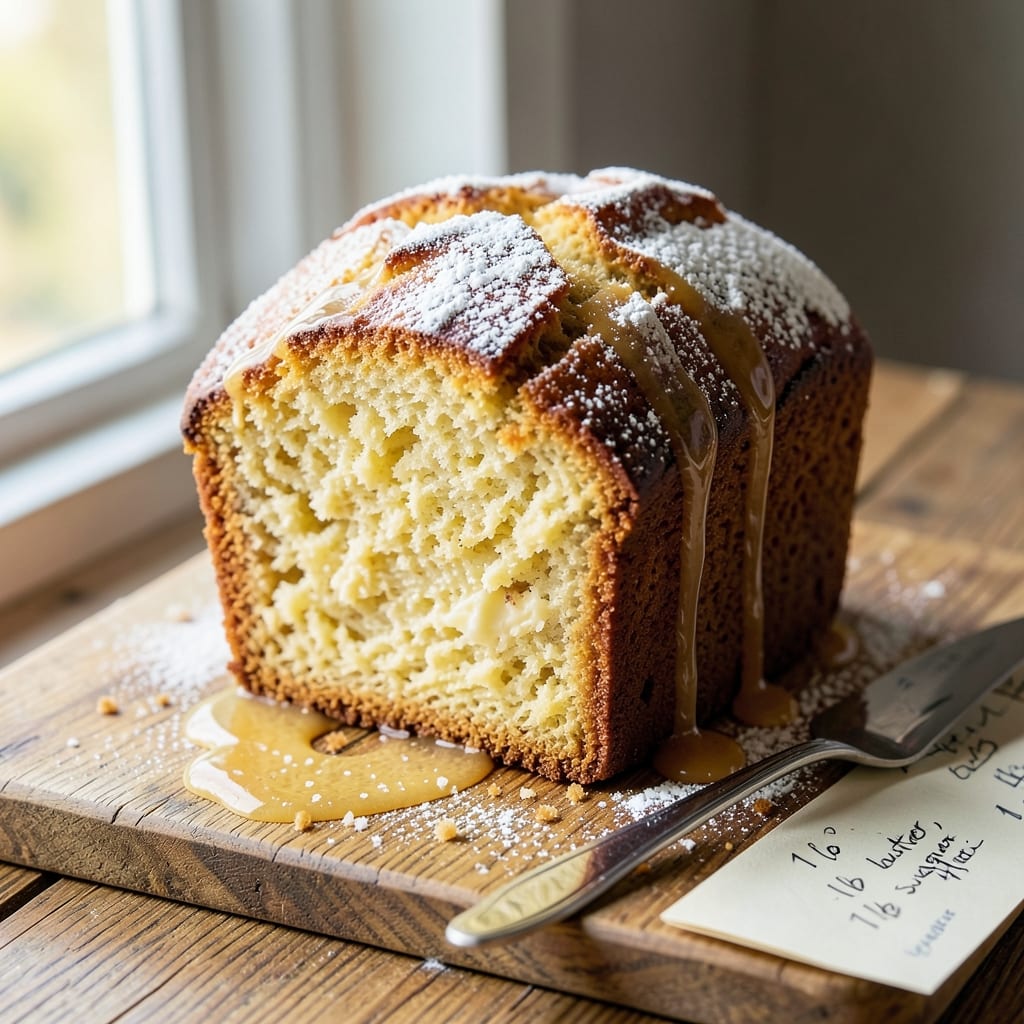
This bakery-style pound cake delivers the ultra-moist layers and buttery crust you crave from your favorite patisserie. The secret lies in precise measurements and the classic creaming method—where butter and sugar whip into a light, airy base that creates tender crumbs. I’ve perfected this recipe over years of baking, ensuring every slice stays moist for days without drying out.
The foundation starts with equal parts butter, sugar, and flour by weight (hence "pound cake"), balanced by eggs for structure and richness. A touch of vanilla and a pinch of salt enhance the natural sweetness, while baking powder ensures a light rise. What sets this apart is the golden-brown crust, achieved by brushing warm cake layers with simple syrup before baking.
Once baked, the result is a cake with tender, melt-in-your-mouth layers and a crisp exterior that’s perfect for slicing or frosting. Serve it plain with fresh berries, dusted with powdered sugar, or topped with a glaze for a bakery-worthy finish. This recipe is your ticket to restaurant-quality dessert at home.
For added flavor, infuse the batter with citrus zest, spices like cinnamon or cardamom, or even a splash of bourbon. The possibilities are endless, but the technique remains foolproof—ideal for beginners and seasoned bakers alike.
Ingredients for bakery style pound cake
Buttery richness meets tender crumb in this classic pound cake—just 11 ingredients for bakery perfection.
| Ingredient | Amount | Notes |
|---|---|---|
| Unsalted Butter 🧈 | 1 lb | Cold, cut into 1-inch cubes |
| Granulated Sugar 🍚 | 1 lb | Superfine preferred for smooth texture |
| All-Purpose Flour 🌾 | 1 ½ cups | Sifted, plus extra for dusting |
| Large Eggs 🥚 | 4 whole | Room temperature, separated |
| Pure Vanilla Extract 🌿 | 2 tsp | Bourbon or Madagascar preferred |
| Baking Powder 🍞 | 2 tsp | Aluminum-free for tender crumb |
| Kosher Salt 🧂 | ½ tsp | Fine grain preferred |
| Simple Syrup 🍯 | ¼ cup | Equal parts sugar and water |
| Lemon Zest 🍋 | 1 tbsp | Fresh, finely grated |
| Heavy Cream 🥛 | ¼ cup | Cold, for brushing crust |
| Powdered Sugar 🍚 | ½ cup | For dusting finished cake |
The butter makes or breaks this cake. Use European-style butter if you can—it has higher fat content and more flavor. Crisco works in a pinch for a lighter texture, but nothing beats real butter for that classic pound cake richness. I always grab Plugrá or Land O'Lakes from the grocery store—both are reliable. The sugar should be super-fine if you can find it, but regular granulated works fine if you pulse it in a food processor. For the flour, King Arthur or Bob's Red Mill are my go-tos—they're consistently reliable. And don't skip sifting! That extra step makes all the difference in a tender crumb.
No vanilla extract? Vanilla bean paste works beautifully, or even a scraped vanilla bean. Short on butter? Applesauce at half the amount keeps it moist (though it'll be lighter). The simple syrup can be made ahead—just mix equal parts sugar and water, heat until dissolved, then cool. For extra flavor, add a splash of bourbon or orange liqueur to the batter. The lemon zest is optional but adds a lovely brightness that pairs perfectly with the buttery richness. If you're feeling adventurous, swap the vanilla for almond extract or cardamom for a different twist.
This cake keeps beautifully—5-7 days at room temperature wrapped in plastic, or up to 2 weeks in the fridge. For longer storage, freeze slices wrapped individually for up to 3 months. The secret to that bakery-style crust? Brush the warm layers with cold heavy cream before baking. I like to make a double batch of batter and bake two layers at once—they come out perfectly golden every time. And trust me, the extra effort for that simple syrup brushing is worth it for that professional finish.
Why You'll Love This Recipe
- No Fuss, Big Payoff: I swear by this recipe because it’s the kind of thing you can mix while watching a movie—no fancy techniques, just creaming butter and sugar until it’s light, then folding in eggs one at a time. The secret’s in the patience: let the batter rest, and you’ll get that bakery-style crumb without stressing.
- Butter-Sugar Magic: That rich, creamy texture? All thanks to the butter-to-sugar ratio. It’s not just sweet—it’s indulgent, with a tender crumb that’s almost melt-in-your-mouth. Honestly, the vanilla extract ties it all together, making every slice smell like a bakery window.
- Slice It Any Way: This cake holds its shape like a champ, so I turn it into breakfast toast, dessert with whipped cream, or even a quick trifle layer. (Yes, even on a Tuesday night.) It’s the one cake that works for brunch, potlucks, or just because you’re craving something special.
- Leftovers That Last: A full cake keeps for days in the fridge, and it reheats beautifully—just a quick zap in the microwave or warmed in the oven. Between us, I’ve fed this to neighbors, coworkers, and my picky teenager, and no one’s ever complained. That’s a win in my book.
Step-by-step instructions for bakery-style pound cake
Here's how to create a tender, buttery pound cake with layers that stay moist for days.
Cream Butter and Sugar for Maximum Flavor
In a stand mixer fitted with the paddle attachment, beat the 1 lb unsalted butter and 1 lb granulated sugar on medium speed for 5-7 minutes. You'll know it's ready when the mixture is light, fluffy, and nearly doubles in volume. This step incorporates air, which creates that signature tender crumb. I like to scrape down the sides every minute or so to ensure everything gets evenly incorporated.
Here's the thing—don't rush this part. The butter needs to fully emulsify with the sugar to create that rich, velvety texture. If you're using a hand mixer, it'll take a bit longer, but the same principle applies. You want the mixture to look pale and airy, almost like whipped cream, before moving on to the next step.
Add Eggs and Vanilla for Structure
Add the 4 whole large eggs, one at a time, mixing on low speed after each addition until fully incorporated. Then add the 2 tsp pure vanilla extract and mix for another 30 seconds. The eggs should blend smoothly into the butter-sugar mixture without breaking. I always use room-temperature eggs—they mix more easily and create a smoother batter.
After adding the eggs, the batter should look thick and glossy. If it seems too stiff, don't worry—it'll come together when we add the dry ingredients. This is where the cake gets its structure, so take your time here. The vanilla extract should be well distributed, giving the cake that warm, aromatic depth that makes it taste like a bakery treat.
Combine Dry Ingredients and Fold Gently
In a separate bowl, whisk together the 1.5 cups all-purpose flour, 2 tsp baking powder, and 0.5 tsp kosher salt. Sift the flour mixture directly into the wet ingredients, then gently fold it in using a spatula. Be careful not to overmix—just combine until no dry spots remain. The batter should be thick but pourable.
This is where precision matters. Overmixing develops gluten, which can make your cake tough. You want to see just a few streaks of flour remaining. The batter should be smooth and homogeneous, with a consistency similar to thick pancake batter. If it's too thick, you can add 1-2 tablespoons of milk (though we're not using milk in this recipe, it's a common fix).
Layer and Bake for Perfect Rise
Preheat your oven to 350°F. Grease and flour two 9-inch round cake pans (or one 9x5-inch loaf pan if you prefer). Divide the batter evenly between the pans. For extra moisture, brush the bottom of each pan with 0.25 cup heavy cream before adding the batter. This creates that signature buttery crust while keeping the interior ultra-moist.
Bake for 50-60 minutes, or until a toothpick inserted in the center comes out clean. The edges should be golden brown, and the top should spring back when gently pressed. I like to tent the pans with foil after 30 minutes to prevent over-browning, especially if your oven runs hot. The cake should be fully set but still tender—it'll continue cooking slightly after you remove it from the oven.
Finish with Simple Syrup and Lemon Zest
While the cake is still warm, poke holes all over the surface with a skewer. Pour the 0.25 cup simple syrup evenly over the top and let it absorb for 10 minutes. This step is what makes bakery-style pound cake so moist—it adds liquid that keeps the cake tender for days. While the syrup soaks in, sprinkle the 1 tbsp lemon zest evenly over the top for a bright, citrusy finish.
Let the cake cool in the pans for 10 minutes, then transfer to a wire rack. Once completely cooled, dust the top with 0.5 cup powdered sugar for that bakery-fresh look. Slice and serve—each layer should be rich, buttery, and perfectly moist. The lemon zest adds a subtle brightness that cuts through the sweetness, making every bite feel special.
Pro Tips For Making Bakery Style Pound Cake
- CREAM BUTTER AND SUGAR LONG: I learned this the hard way—whipping butter and sugar until pale (not just light) adds air that keeps the cake tender and tall. Use a stand mixer and go for 3-5 minutes until the mixture looks like wet sand. (Yes, it feels like overkill, but trust me.)
- WEIGH YOUR FLOUR: Scooping flour from the bag packs it down, adding extra moisture and making the cake dense. Use a kitchen scale and spoon flour into the measuring cup, then level it off. I skip this step when I’m lazy, and the cake turns out noticeably heavier.
- DON’T OVERMIX THE BATTER: Once you fold in the flour, stop as soon as it’s just combined. Overmixing develops gluten, which makes pound cake tough. Give it two gentle turns with a spatula—no more. (I used to think more mixing = better texture, but no.)
- BAKE UNTIL 200°F INTERNAL: Pound cake needs time to set properly. Check doneness with a thermometer—it should read 200°F in the center, not 190°F. If you pull it out too soon, it’ll stay gummy. (I know, waiting is the hardest part.)
Pro cooking tips for bakery style pound cake
Butter Temperature Matters
Your butter should be cold but not frozen when you start creaming it with sugar. I pull my butter straight from the fridge and cut it into 1-inch cubes—this ensures it stays cold long enough to create that signature tender crumb. If your butter gets too warm, the cake will spread too much in the oven. Pro tip: Place your mixing bowl in the freezer for 5 minutes before starting to keep everything chilled. 🧈
Don’t Overmix the Batter
Once you add the flour, stop mixing as soon as you see just a few streaks of white remaining. Overmixing develops gluten, which makes pound cake dense and tough. I use a spatula to gently fold the dry ingredients—think "stir until combined, not smooth." The batter should look thick but still pourable, like heavy pancake batter. If it’s too stiff, add 1 tablespoon of milk (though we’re not using milk in this recipe, it’s a common fix).
Use Two Pans for Even Baking
Baking the cake in two 9-inch round pans ensures even heat distribution and prevents over-browning. Grease the pans thoroughly with butter and dust with flour, tapping out any excess. For that bakery-style crust, brush the bottom of each pan with cold heavy cream before adding the batter. This creates a golden, crisp exterior while keeping the interior ultra-moist. I always bake both pans on the middle rack for consistent results.
Simple Syrup is Non-Negotiable
Skipping the simple syrup is the fastest way to end up with a dry cake. After baking, poke holes all over the warm cake with a skewer, then pour the simple syrup evenly over the top. Let it absorb for 10 minutes—this step is what makes bakery-style pound cake stay moist for days. For extra flavor, add 1 teaspoon of bourbon or orange liqueur to the syrup. The syrup not only keeps the cake tender but also adds a subtle depth of flavor.
Lemon Zest Brightens Everything
The 1 tablespoon of lemon zest sprinkled over the warm cake is what elevates this from homemade to bakery-style. The citrus cuts through the richness of the butter and sugar, adding a fresh, bright note. For best results, zest a large organic lemon—the thicker the peel, the more flavorful the zest. If you don’t have lemons on hand, a pinch of cinnamon or cardamom works beautifully as a substitute. 🍋
Cool Before Slicing
Patience is key here—let the cake cool completely in the pans for 10 minutes, then transfer to a wire rack to cool for at least 1 hour. Cutting too soon can make the layers crumble. Once fully cooled, dust with powdered sugar for that bakery-fresh finish. The cake will hold its shape beautifully and stay moist for 5-7 days when stored properly. Trust me, the wait is worth it for that perfect slice every time.
Nutrition facts
Frequently asked questions
Why does this pound cake stay moist longer than others?
The simple syrup step is the game-changer! After baking, we poke holes and pour warm syrup over the cake, which gets absorbed into the crumb. This adds moisture that keeps the cake tender for 5-7 days at room temperature. The heavy cream brushed on the pans before baking also helps create that signature buttery crust while locking in moisture.
Can I make this pound cake in a single loaf pan instead of rounds?
Use a 9x5-inch loaf pan instead of round pans. The baking time will be similar (50-60 minutes at 350°F), but you may need to tent with foil after 30 minutes to prevent over-browning. For extra moisture, brush the bottom with heavy cream before adding batter, just like with the round pans.
What's the best way to store leftover pound cake?
Wrap tightly in plastic wrap and store at room temperature for 5-7 days, or refrigerate for up to 2 weeks. For longer storage, freeze slices individually wrapped in plastic for 3 months. Thaw overnight in the fridge before serving. The cake's texture stays perfect when stored properly—no drying out!
Can I substitute butter with something lighter?
For a lighter texture, you can replace half the butter with ½ cup applesauce or oil. However, this will reduce the classic buttery flavor. If you want to keep the rich taste but reduce fat, use Greek yogurt or sour cream (¼ cup) instead. Just remember: butter is what gives pound cake its signature richness and moist crumb.
How do I make this cake more flavorful without frosting?
Try adding 1 teaspoon of bourbon, almond extract, or cardamom to the batter for depth. For brightness, increase the lemon zest to 2 tablespoons or add 1 teaspoon of orange zest. A sprinkle of toasted coconut flakes or crushed pistachios on top after baking adds crunch and visual appeal without frosting.