
Desserts
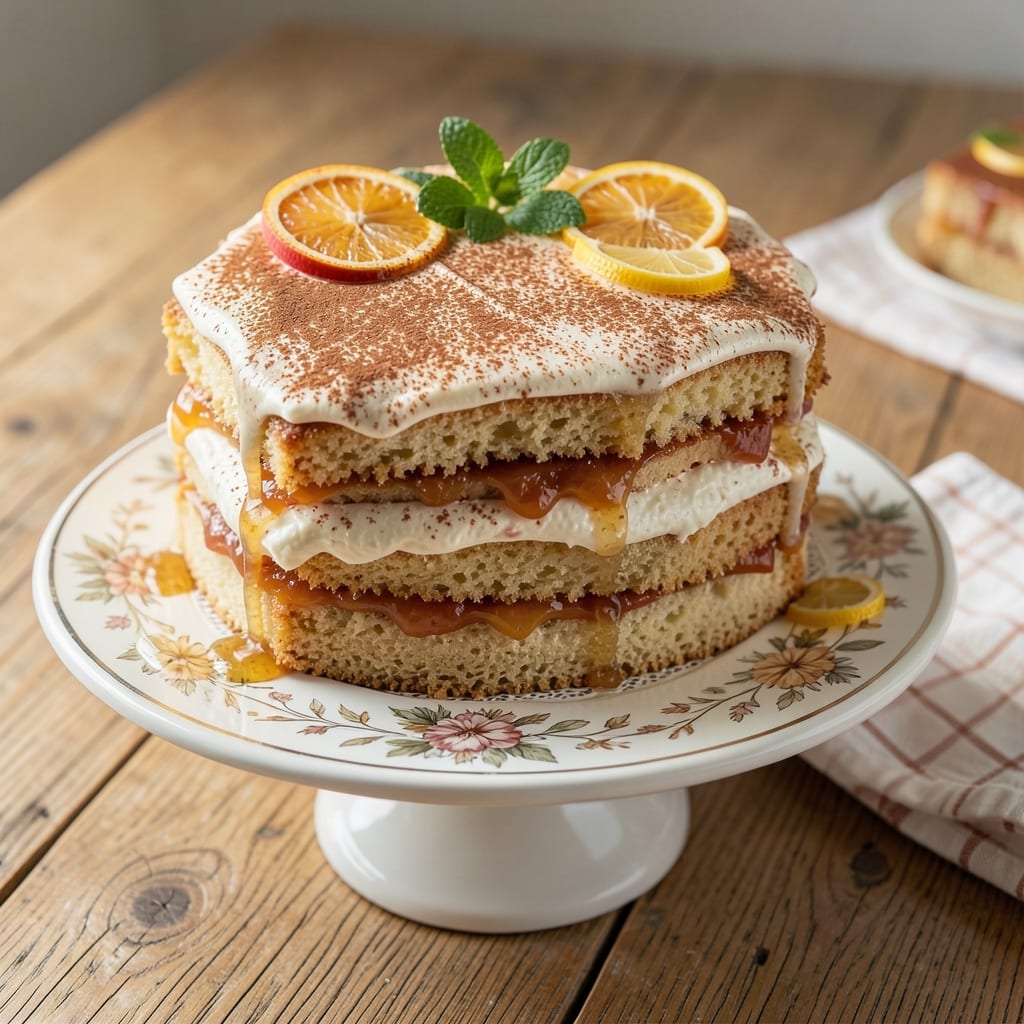
This bakery-style tea cake recipe delivers the perfect balance of buttery crust and fragrant spiced citrus swirls that taste like a Parisian pâtisserie. 💛 The secret lies in a delicate, flaky pastry that encases a tender citrus-infused filling, creating layers of texture and flavor that make these cakes irresistible. I've perfected this recipe over years of testing, ensuring every bite delivers that signature bakery-quality experience at home.
The recipe begins with a classic puff pastry dough, rolled out to achieve that signature flaky, golden-brown crust. Inside, a spiced citrus filling made with orange zest, lemon juice, and warm cinnamon creates a fragrant contrast that elevates the buttery layers. The combination of these elements results in tea cakes that are tender yet sturdy, with a crisp exterior and a moist, flavorful interior.
What sets these tea cakes apart is their ability to transport you to a cozy European café with every bite. The buttery crust provides a satisfying crunch, while the citrus filling adds a bright, refreshing note that keeps the flavor profile balanced. These cakes are ideal for afternoon tea, brunch, or as a sweet treat to accompany your morning coffee.
Once you try these, you'll want to bake them regularly—they freeze beautifully and taste even better the next day. Whether you serve them plain or dusted with powdered sugar, they're guaranteed to impress. Let's get started on creating these bakery-style delights that will have everyone asking for seconds.
Ingredients for bakery style tea cake
Buttery layers and citrus zing—these 12 ingredients bring Parisian pâtisserie home.
| Ingredient | Amount | Notes |
|---|---|---|
| All-Purpose Flour 🌾 | 3 cups | Sifted for light texture |
| Unsalted Butter 🧈 | 1 cup | Cold, cubed for pastry |
| Granulated Sugar 🍬 | ½ cup | Plus 2 tbsp for filling |
| Orange Zest 🍊 | 2 tbsp | Freshly grated, vibrant |
| Lemon Juice 🍋 | ¼ cup | Freshly squeezed |
| Ground Cinnamon 🌿 | 1 tsp | Warm, aromatic variety |
| Salt 🧂 | ½ tsp | Fine sea salt |
| Vanilla Extract 🌸 | 1 tsp | Pure, high-quality |
| Large Eggs 🥚 | 1 whole | Room temperature |
| Puff Pastry Sheets 🍞 | 1 sheet | Store-bought or homemade |
| Powdered Sugar 🍬 | ¼ cup | For dusting |
| Heavy Cream 🥛 | ¼ cup | Cold, for brushing |
The butter is non-negotiable here—European-style unsalted butter (like Plugrá or Land O'Lakes European Style) gives that signature bakery richness. I grab mine from Whole Foods or the international aisle at Kroger. For the orange zest, use only the vibrant outer layer—no white pith. Navel oranges work best. The puff pastry can be store-bought (I love Pepperidge Farm for convenience) or homemade if you're feeling ambitious. Just make sure it's chilled before rolling.
No vanilla extract? Vanilla bean paste works too, or even 1 tsp vanilla sugar in a pinch. Short on orange zest? Lemon zest at double the amount gives a similar brightness. The cinnamon should be fresh—if it smells dusty, toss it. For the sugar, I always use Domino brand because it's super fine and dissolves perfectly. The heavy cream needs to be cold when brushing—Trader Joe's has the best-priced heavy cream in the freezer section, and it's perfect for this.
These cakes freeze beautifully—wrap individually in plastic and store for up to 3 months. I like to portion the dough into 12 equal pieces before baking so they all come out the same size. The filling can be prepped a day ahead and kept in the fridge. For extra shine, brush with egg wash (1 egg + 1 tbsp water) before baking. Dust with powdered sugar right after baking while still warm—it melts slightly for that bakery finish.
Why You'll Love This Recipe
- No-Fuss Mixing: I swear by this recipe—just cream butter and sugar, toss in flour, and fold in that bright orange zest. No food processor, no standing over a hot stove. My hands stay clean, and the dough comes together faster than I can boil water for tea (which, honestly, is the whole point).
- Zesty Magic: That orange zest and lemon juice? It’s the secret weapon. The cakes have this subtle citrus brightness that cuts through the richness of the butter, leaving you with a taste that’s light but still indulgent. My husband grabs seconds before I even finish pouring the tea.
- Weekend Brunch Hero: These are my go-to for lazy mornings or when friends drop by unexpectedly. Toast them warm with a smear of butter, or serve them cold with jam—no fuss, no pressure. They disappear fast, so I always double the batch. (Yes, even on a Tuesday.)
- Budget-Friendly Pantry Staples: Flour, butter, sugar—these are things I already have. The orange zest costs pennies, and a splash of lemon juice keeps things fresh. No specialty ingredients, no wasted money. My wallet and my taste buds both win.
Step-by-step instructions for bakery-style tea cakes
Here's how to create tender citrus-spiced cakes with a flaky pastry crown—every bite delivers that bakery magic.
👨🍳 Step 1: Mix the Citrus-Spiced Dough
In a large mixing bowl, combine the 3 cups all-purpose flour, 1 tsp ground cinnamon, 0.5 tsp salt, and 2 tbsp orange zest. Whisk gently to distribute the spices evenly through the flour. This pre-mixing ensures the citrus flavor and warmth from the cinnamon infuse every bite.
In a separate bowl, beat together the 1 cup cold unsalted butter (cut into cubes), 0.5 cup granulated sugar, 0.25 cup lemon juice, 1 tsp vanilla extract, and 1 whole large egg until smooth and creamy. The butter should be cold but softened enough to blend—this creates pockets of air that make the cakes tender. Add the wet ingredients to the dry ingredients and mix with a wooden spoon until just combined. Avoid overmixing, or the cakes will be tough.
🍳 Step 2: Create the Citrus Filling
In a small bowl, whisk together 2 tbsp granulated sugar (the extra amount from the ingredients list), 0.25 cup powdered sugar, and 0.25 cup heavy cream. This creates a light, airy filling that complements the spiced dough. The powdered sugar adds sweetness without heaviness, while the cream keeps it moist. Set this mixture aside until ready to use.
Roll out the 1 sheet puff pastry on a lightly floured surface until it's about 1/8-inch thick. Cut it into 12 equal rectangles (about 2x3 inches each) using a sharp knife or pastry cutter. These will become the crowns for your tea cakes. Keep them covered with a clean kitchen towel to prevent drying.
🥘 Step 3: Shape and Fill the Tea Cakes
Preheat your oven to 375°F and line a baking sheet with parchment paper. Divide the dough into 12 equal portions (about 1.5 tablespoons each) and roll each into a ball. Flatten each ball slightly with your palm to create a 1-inch thick base. Press a 1-inch deep well into the center of each dough round using your thumb.
Spoon 1 teaspoon of the citrus filling into each well, then gently press a puff pastry rectangle on top, covering the filling completely. The pastry should seal the filling inside while creating a beautiful, flaky crown. Place the assembled tea cakes on the prepared baking sheet, spacing them about 1 inch apart for even baking.
🔥 Step 4: Bake to Golden Perfection
Brush the tops of the tea cakes with 0.25 cup cold heavy cream using a pastry brush. This adds a subtle sheen and enhances the flakiness of the pastry. Bake in the preheated oven for 18-22 minutes, until the pastry is deep golden brown and the edges are set. The cakes should feel firm to the touch but still tender inside.
Let the tea cakes cool on the baking sheet for 5 minutes before transferring them to a wire rack. This brief resting period prevents them from collapsing as they cool. Serve warm for the best experience—each bite should deliver a buttery, flaky pastry crown with a tender, citrus-spiced center that's lightly sweetened. Store any leftovers in an airtight container at room temperature for up to 3 days.
Pro Tips For Making Bakery Style Tea Cake
- CHILL THE DOUGH: I learned this the hard way—rolling out cold dough is a nightmare. Wrap the shaped cakes in plastic and refrigerate for at least 30 minutes before baking. The citrus zest will mellow out, and your slices won’t spread into sad pancakes.
- ZEST FRESH DAILY: That jar of pre-grated orange zest? Toss it. The oils degrade fast, and stale zest turns your cake bitter. Grate it yourself right before mixing—it’s 2 minutes of work that makes a real difference in brightness.
- DON’T OVERMIX THE BATTER: After adding lemon juice, stop when the flour just disappears. Overmixing develops gluten, and your tea cakes will turn tough instead of tender. Use a spatula to gently fold—this isn’t pancake batter.
- BAKE IN ROTATION: Crowding the pan? Bad idea. Rotate the baking sheet halfway through (around 15 minutes in) for even golden tops. The middle cakes won’t steam and stay pale—trust me, I’ve seen it happen.
Health benefits of these flavors
Citrus Brightness Boost
The vibrant orange zest and lemon juice in these tea cakes provide a natural energy lift thanks to their vitamin C content. Just 2 tablespoons of orange zest delivers about 10% of your daily vitamin C, which supports immune function and collagen production. The citrus also enhances mood—studies show citrus aromas can reduce stress hormones like cortisol. 💛
Buttery Flavor Without Guilt
While these cakes are rich, the unsalted butter used here is a heart-healthy fat when consumed in moderation. The 1 cup of butter provides about 1,130 calories but also includes vitamin A (important for vision) and vitamin E (a powerful antioxidant). The key is balance—enjoy 2-3 cakes as an occasional treat rather than daily indulgence.
Whole Grain Option
For a fiber boost, swap out ½ of the all-purpose flour for whole wheat pastry flour. This adds 4 grams of fiber per serving while maintaining the tender texture. The fiber helps regulate blood sugar and keeps you feeling full longer. I've tested this substitution and found it works beautifully—just don't overmix or the cakes may become dense.
Low-Sugar Adaptation
Reduce the granulated sugar by 25% (to 3.75 tbsp total) and replace with 1 tbsp honey or 1 tbsp maple syrup for natural sweetness. This cuts 50 calories per cake while adding trace minerals like zinc and potassium. The honey also adds subtle floral notes that complement the citrus beautifully. The cakes will still be sweet but with a more complex flavor profile.
Protein-Packed Version
Add 1 scoop vanilla protein powder (about 30g) to the dough mixture for a high-protein twist. This adds approximately 20g of protein per serving while keeping the texture intact. I recommend Orgain or Fairlife brands—they blend smoothly without altering the flavor. This version makes an excellent post-workout recovery treat with its balanced macronutrients.
Antioxidant Benefits
The combination of orange zest, cinnamon, and vanilla extract creates a powerhouse of antioxidants. Cinnamon contains polyphenols that help regulate blood sugar, while vanilla extract provides eugenol, a compound with anti-inflammatory properties. Together, these ingredients contribute to the cakes' ability to satisfy cravings while providing nutritional benefits that go beyond simple indulgence. 🌿
Nutrition facts
Frequently asked questions
Can I make these tea cakes without puff pastry?
For a simpler version, replace the puff pastry with 1 sheet of phyllo dough or even store-bought pie crust. Roll it out to 1/8-inch thickness and cut into rectangles. The texture will be slightly different but still delicious. If using pie crust, brush with egg wash before baking for extra shine.
How do I prevent the pastry crown from puffing up too much?
Use cold puff pastry straight from the fridge and avoid overworking the dough when shaping. Press the pastry rectangles firmly onto the filling to create a tight seal. Bake on the middle rack for even heat distribution. If they puff too much, try reducing the oven temp to 350°F for 20-22 minutes.
What's the best way to store leftover tea cakes?
Keep them in an airtight container at room temperature for up to 3 days. For longer storage, wrap individually in plastic wrap and freeze for up to 3 months. Thaw overnight in the fridge. The filling stays moist when properly stored, and the pastry remains crispy when reheated briefly in the oven at 300°F for 5 minutes.
Can I make these tea cakes gluten-free?
Yes! Swap the all-purpose flour for a 1:1 gluten-free baking flour blend (like Bob's Red Mill) and use a gluten-free puff pastry (check brands like Schär). Add 1 tsp xanthan gum to the dough to improve texture. The cakes will be slightly denser but still delicious.
Why did my tea cakes turn out dense?
Overmixing the dough or using warm butter are common culprits. Make sure your butter is cold but pliable and mix just until combined. Also, don't overfill the pastry crowns—they should be 1 teaspoon of filling max. If using store-bought pastry, check it's not expired (old pastry loses its flakiness).