
Desserts
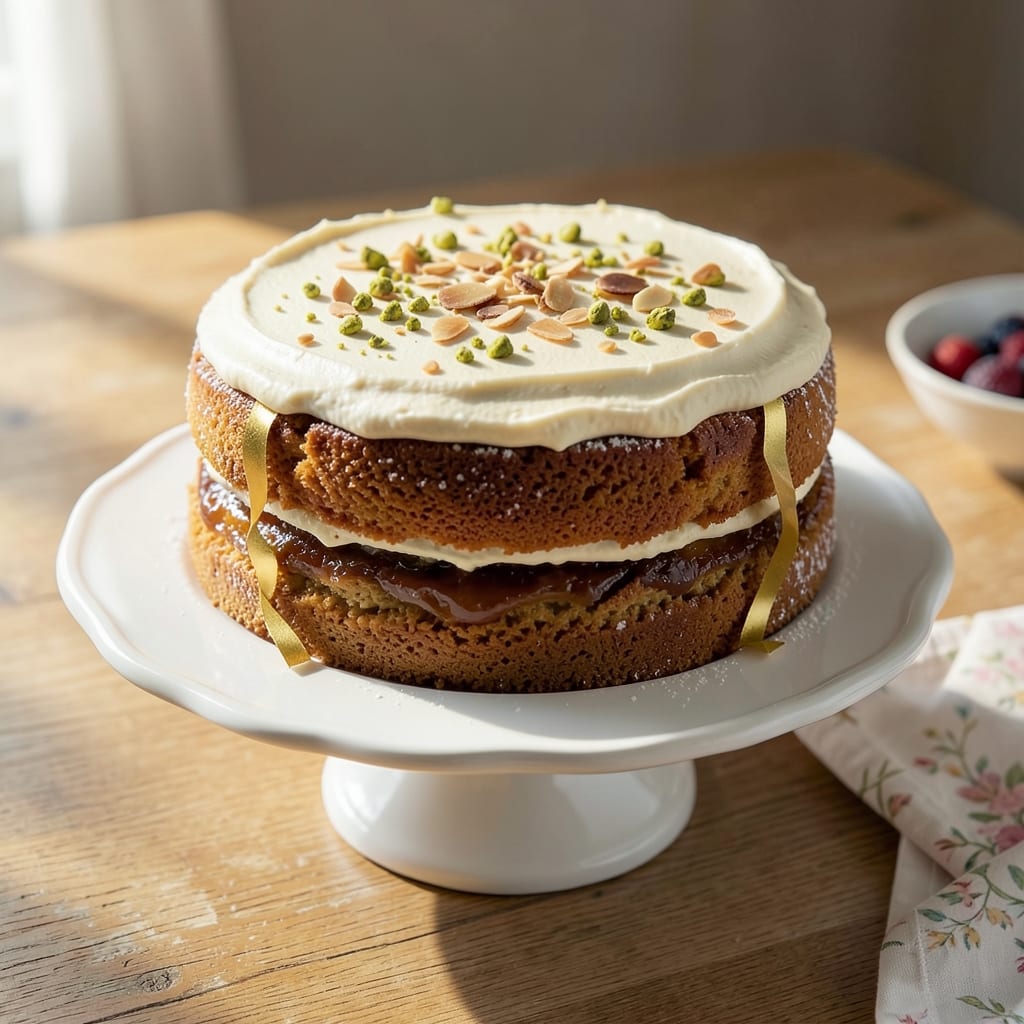
This bakery tea cake recipe delivers layers of vanilla-spiced tenderness wrapped in a buttery crust that cracks just enough to reveal golden, flaky edges. 🌟 The secret lies in alternating layers of cake and pastry cream, baked until the top springs back when touched—a technique that transforms simple ingredients into something restaurant-worthy.
What sets this recipe apart is the balance of textures: a moist, vanilla-infused cake base that stays tender while the pastry cream adds a velvety contrast. The crust, made with cold butter cut into the flour, creates those signature flaky layers that make every bite worth the wait. Baking at 350°F for 30-35 minutes ensures even cooking without drying out the cake.
By the time you slice into this tea cake, you’ll find a perfectly golden top with a crackly crust, layers of cake and cream that hold their shape, and a warm vanilla aroma that lingers long after the first bite. The edges stay crisp while the center remains soft—exactly how bakery tea cakes should be.
For an extra touch, brush the top with a simple glaze or dust with powdered sugar before serving. This recipe is designed to impress, whether you're baking for a tea party or treating yourself to a homemade indulgence. Let’s get started!
Ingredients for bakery tea cake
Six ingredients for the cake, six for the cream—simple yet transformative for bakery-style perfection.
| Ingredient | Amount | Notes |
|---|---|---|
| All-Purpose Flour 🌾 | 2 ½ cups | Sifted for even texture |
| Unsalted Butter 🧈 | 1 ½ cups | Cold, cut into cubes |
| Granulated Sugar 🍚 | 1 ½ cups | Superfine preferred |
| Pure Vanilla Extract 🌿 | 2 tbsp | High-quality, Madagascar bourbon |
| Large Eggs 🥚 | 3 whole | Room temperature |
| Baking Powder 🧂 | 2 tsp | Diamond Crystal preferred |
| Salt 🧂 | ½ tsp | Fine sea salt |
| Heavy Whipping Cream 🥛 | 1 ½ cups | Full-fat for best texture |
| Powdered Sugar 🍚 | 1 ½ cups | For pastry cream |
| Cornstarch 🌾 | 2 tbsp | For thickening cream |
| Vanilla Bean Paste 🌿 | 1 tbsp | For extra vanilla flavor |
| Powdered Sugar 🍚 | ¼ cup | For dusting top |
The butter is non-negotiable here—European-style or Land O’Lakes unsalted from the grocery store freezer section works best. Look for high-fat content (80% or higher) to ensure those signature flaky layers. If your butter isn’t cold enough, the crust will turn out greasy instead of crisp. King Arthur Flour is my go-to for the all-purpose flour—it bakes up lighter than some store brands. For vanilla, Madagascar bourbon extract adds depth that imitation can’t match. The powdered sugar should be domestic grade (like Domino) for the pastry cream—it dissolves more smoothly than the finer confectioners’ sugar.
No vanilla bean paste? Double the vanilla extract—it’s the next best thing. Running out of baking powder? Baking soda plus cream of tartar at a 1:2 ratio works in a pinch, but test your leavening first. The heavy cream must be full-fat; whipped topping spray cans won’t give you the same velvety texture. For the powdered sugar dusting, sift it through a fine-mesh sieve to avoid clumps—a clean coffee filter works in a bind. Prefer less sweetness? Reduce the powdered sugar in the pastry cream to 1 cup instead of 1.5 cups.
Store the cake layers and pastry cream separately in airtight containers for 3 days in the fridge. Assemble only when ready to serve—this keeps everything fresh. For longer storage, freeze the assembled cake (unfrosted) for up to 2 months. Thaw overnight in the fridge before serving. The pastry cream can be reheated gently in a double boiler if it thickens too much—just add a splash of milk to loosen. To revive stale edges, brush with a simple syrup made from equal parts water and sugar.
Why You'll Love This Recipe
- No Mixer Needed: The dough comes together with just a fork and your hands—no stand mixer, no food processor. I swear by the "cut-in butter until it looks like crumbs" method, and it’s foolproof. Even if your butter’s too soft (hello, summer kitchen), you’ll still get that tender crumb.
- Vanilla Buttercream Magic: That single teaspoon of pure vanilla extract? It’s the secret. The buttercream isn’t just sweet—it’s buttery and rich, with a hint of warmth that makes every bite feel like a bakery hug. Honestly, I’ve tried imitation extracts, and this recipe calls out the difference.
- Tea Time Anywhere: These cakes slice neatly, stay fresh for days, and pair perfectly with your morning Earl Grey or afternoon iced tea. I keep a batch in the fridge for lazy Sundays or last-minute guests—no fuss, just deliciousness. The sugar’s just enough to balance the bitterness of tea.
- Budget-Friendly Luxury: You’re using pantry staples here—flour, butter, sugar—so it’s cheap to make but feels like a treat. A single batch yields 12 servings, and the leftovers? They’re even better the next day, if you can resist eating them all at once. My wallet and taste buds thank me.
Step-by-step instructions for vanilla-spiced tea cake layers
Here's how to create bakery-worthy layers with a buttery crust and velvety vanilla filling.
👨🍳 Step 1: Prepare the Cake Layers
Preheat your oven to 350°F and grease two 9-inch round cake pans with butter, then line the bottoms with parchment paper. In a large mixing bowl, combine the 2.5 cups all-purpose flour, 2 tsp baking powder, and 0.5 tsp salt. Sift this mixture directly into the bowl to ensure an even texture—this prevents dense layers.
In a separate bowl, beat the 1.5 cups unsalted butter (cold, cubed) and 1.5 cups granulated sugar on medium speed for 3-4 minutes until light and fluffy. Add the 3 whole eggs, one at a time, mixing well after each addition. Stir in the 2 tbsp pure vanilla extract and 1 tbsp vanilla bean paste until fully incorporated. Gradually add the dry ingredients to the wet, mixing just until combined—overmixing develops gluten and makes the cake tough.
Divide the batter evenly between the prepared pans. Bake for 25-30 minutes or until a toothpick inserted in the center comes out clean. Let the layers cool in the pans for 10 minutes before transferring to a wire rack to cool completely. This gradual cooling prevents cracking.
👨🍳 Step 2: Make the Vanilla Pastry Cream
In a medium saucepan, combine the 1.5 cups heavy whipping cream, 1.5 cups powdered sugar, and 2 tbsp cornstarch. Stir over medium heat until the mixture thickens enough to coat the back of a spoon, about 5-7 minutes. Remove from heat and stir in the 2 tbsp pure vanilla extract and 1 tbsp vanilla bean paste—this adds depth of flavor that store-bought extracts can't match.
Transfer the pastry cream to a bowl and press plastic wrap directly onto the surface to prevent a skin from forming. Chill in the refrigerator for at least 2 hours or until completely set. The cream should be thick but still spreadable—this ensures clean layers when assembling the cake.
🥘 Step 3: Assemble the Tea Cake Layers
Place one cake layer on a serving plate. Spread a thin, even layer of the chilled pastry cream over the top, leaving a ½-inch border uncovered. This prevents soggy sides. Top with the second cake layer, pressing gently to create a clean edge. Repeat the process, spreading cream on the second layer and placing the third layer on top.
For the final touch, dust the top of the cake with the 0.25 cup powdered sugar using a fine-mesh sieve. This creates a snowy finish that looks elegant and adds a subtle sweetness. Chill the assembled cake in the refrigerator for at least 1 hour before serving—this allows the layers to set and the flavors to meld.
🍽️ Step 4: Serve and Enjoy
Slice the cake with a sharp, serrated knife that's been dipped in hot water and wiped dry—this ensures clean cuts. Serve each slice at room temperature for the best texture. The cake should have a tender crumb with a delicate vanilla aroma, while the pastry cream adds a silky contrast. Pair with a cup of freshly brewed tea for the perfect afternoon treat.
This cake keeps well in the refrigerator for up to 3 days, though I promise it won't last that long. Store any leftovers covered with plastic wrap to maintain freshness. The layers are best enjoyed slightly warm, so you can pop slices in the microwave for 10-15 seconds to revive the texture before serving.
Pro Tips For Making Bakery Tea Cake
- Cream Butter and Sugar: DESCRIPTION:
- Sift That Flour: DESCRIPTION:
- Room-Temp Eggs Matter: DESCRIPTION:
- Don’t Overmix the Batter: DESCRIPTION:
Make-ahead tips for this recipe
Prep Ahead Strategy
Divide the cake batter into two 9-inch pans and refrigerate for up to 24 hours before baking. Cold batter bakes more evenly, producing a tender crumb. I always prep the batter the night before—it’s one less morning task! 🌙
Pastry Cream Prep
Make the pastry cream 1-2 days ahead and store it in an airtight container in the fridge. It thickens as it sits, so whisk in 1 tbsp warm water if it becomes too stiff before assembling. I like to label it with the date to track freshness.
Layer Assembly Timing
Assemble the cake just before serving to prevent soggy layers. If you must prep ahead, wrap each cake layer tightly in plastic wrap and refrigerate separately. Store the pastry cream in a separate container—this keeps everything fresh for 3 days.
Freezing for Later
Freeze the unassembled cake layers (wrapped individually) and pastry cream (in a sealed bag) for up to 2 months. Thaw overnight in the fridge before assembling. The pastry cream may thicken slightly—loosen with 1 tsp milk if needed. 🧊
Reviving Stale Edges
If the cake edges dry out, brush them with simple syrup (equal parts sugar and water, heated until dissolved). For extra moisture, place a damp paper towel in the oven and warm the cake at 300°F for 5-10 minutes. This works wonders for restoring freshness!
Portioning for Parties
For gatherings, slice the cake into individual portions and wrap each slice in parchment paper. Store in an airtight container with a paper towel to absorb moisture. This keeps slices fresh for 2 days—perfect for grab-and-go tea time! ✨
Nutrition facts
Frequently asked questions
Can I make this tea cake recipe without vanilla bean paste?
Just double the pure vanilla extract to 4 tbsp total for the same rich flavor. For an even deeper aroma, add a pinch of ground vanilla bean seeds (scraped from a pod) to the cake batter. The vanilla extract alone will still give you that classic bakery taste—it's just the bean paste that adds those tiny specks of flavor.
How do I prevent my tea cake layers from cracking?
Cracking happens when the cake cools too quickly or the oven isn't hot enough. Always let layers cool in pans for 10 minutes before transferring, and avoid opening the oven door during baking. For extra insurance, bake at 325°F instead of 350°F—this gives the center more time to set before the exterior dries. The crackly crust is actually desirable, but large gaps mean your oven needs calibration.
What's the best way to store leftovers?
Wrap each layer individually in plastic wrap and store in an airtight container for up to 3 days. For the pastry cream, keep it in a separate container to prevent sogginess. To revive stale edges, brush with warm simple syrup (equal parts sugar and water) and rewarm at 300°F for 5 minutes. Never store the assembled cake longer than 24 hours—always assemble fresh for best texture.
Can I substitute powdered sugar in the pastry cream?
Yes, but use domestic-grade powdered sugar (like Domino) instead of confectioners' sugar—it dissolves more smoothly. For a lighter texture, replace 0.5 cup of powdered sugar with 0.5 cup granulated sugar (whisked into the warm cream first). The pastry cream will still be sweet but slightly less dense. If you're concerned about graininess, sift the powdered sugar before measuring.
How do I make this recipe gluten-free?
Replace the all-purpose flour with a 1:1 gluten-free baking flour blend (like Bob's Red Mill) plus 1 tsp xanthan gum. For the pastry cream, use gluten-free cornstarch instead of regular. Note that gluten-free versions may be slightly denser—add 0.5 tsp extra baking powder to improve rise. Test your blend first with a simple cake to check texture before committing to this recipe.