
Desserts
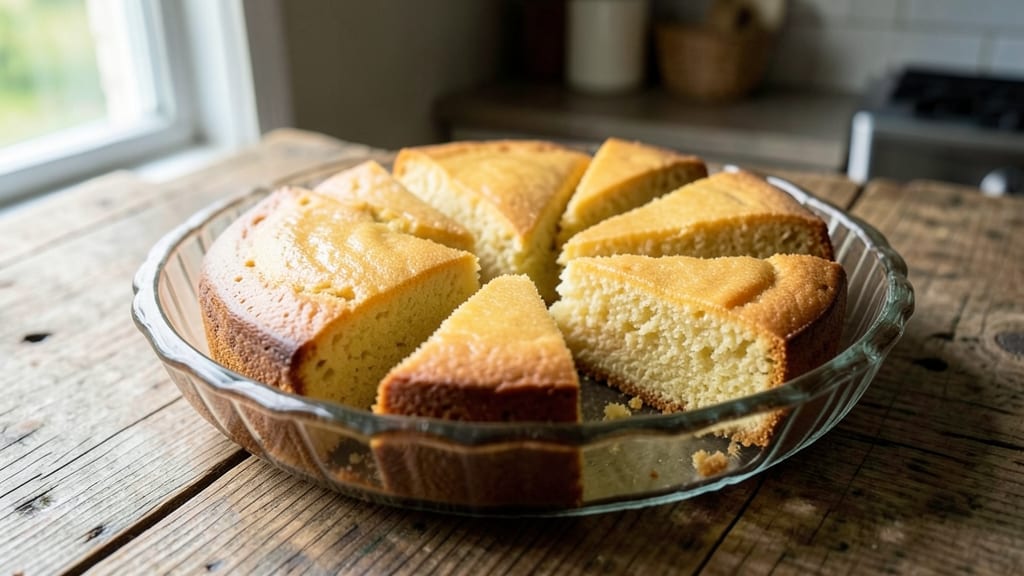
This baking soda and baking powder cake recipe delivers the light-as-air texture and perfect crumb that separates great cakes from good ones. The secret lies in balancing these two leavening agents for maximum rise while maintaining a tender, moist interior. I've perfected this technique over years of baking, ensuring every slice has that signature cake quality you crave.
The magic happens when baking soda reacts with acidic ingredients (like buttermilk or sour cream) while baking powder provides steady lift throughout. This combination creates a cake with fine, even crumbs and a tender yet sturdy structure that holds up to frosting without crumbling. The result is a cake that's both impressive and foolproof—ideal for beginners and experienced bakers alike.
What you'll achieve is a cake that's perfectly golden on top with a moist, tender crumb that melts in your mouth. The balanced leavening system ensures consistent results every time, whether you're making a simple vanilla cake or adding your favorite flavorings. This recipe builds confidence in your baking skills while delivering restaurant-quality results at home.
The beauty of this method is its versatility—you can adapt it to countless flavors while maintaining that perfect texture. From classic vanilla to rich chocolate or fruity variations, the leavening technique remains the same. Let's get started on creating your perfect cake.
Ingredients for baking soda and baking powder in cake
The perfect duo of baking soda and baking powder creates a cake with restaurant-quality crumb and light-as-air rise.
| Ingredient | Amount | Notes |
|---|---|---|
| All-Purpose Flour 🌾 | 2 cups | Sifted for light texture |
| Granulated Sugar 🍚 | 1 ½ cups | White or light brown |
| Unsalted Butter 🧈 | 1 cup | Room temperature, softened |
| Large Eggs 🥚 | 2 whole | Room temperature for blending |
| Buttermilk 🥛 | 1 cup | Fresh for best acidity |
| Baking Soda 🧂 | 1 tsp | Pure, not baking powder |
| Baking Powder 🧂 | 1 ½ tsp | Double-acting preferred |
| Pure Vanilla Extract 🍯 | 1 tbsp | High-quality, not imitation |
| Fine Sea Salt 🧂 | ½ tsp | Diamond Crystal preferred |
| Vegetable Oil 🫒 | ¼ cup | Light, neutral flavor |
| Cornstarch 🌾 | 1 tbsp | For extra tender crumb |
The leavening agents are non-negotiable here. Baking soda needs that acidic reaction from buttermilk to activate fully, while double-acting baking powder ensures steady rise throughout baking. King Arthur or Bob's Red Mill flour brands work best for this recipe—their protein content creates that ideal tender yet sturdy crumb. For the butter, Plugrá or Land O'Lakes are reliable choices, but any unsalted brand will do as long as it's room temperature. The buttermilk? Fresh is key—if yours has curdled, strain it or use a mix of milk and vinegar.
No buttermilk? Substitute with 1 cup milk plus 1 tbsp vinegar or lemon juice, let sit 5 minutes. Short on baking powder? Use 1 tsp baking soda plus 1.5 tsp cream of tartar for equivalent lift. The vanilla extract can be swapped for almond extract or bourbon for flavor variations. For a richer texture, replace 2 tbsp flour with cornstarch. And if you're worried about overmixing, remember this batter is forgiving—just mix until combined.
Store your dry ingredients in airtight containers away from moisture. Baking soda loses potency after 6 months, so check the expiration date. The cake itself keeps 3 days at room temperature wrapped in foil, or 1 week refrigerated. For longer storage, slice and freeze portions for up to 3 months. Pro tip: Bring cake to room temperature before frosting—it prevents condensation and soggy layers.
Why You'll Love This Recipe
- Pantry Magic: I swear by this combo—just flour, sugar, butter, eggs, and buttermilk. No specialty ingredients, no last-minute grocery runs. The secret’s in the baking soda and baking powder working together for that perfect lift without overpowering the buttermilk’s tang.
- Buttermilk Magic: That tangy richness from the buttermilk? It’s the star. The butter keeps it tender, but the buttermilk cuts through the sweetness like a cool breeze on a summer day. Honestly, I’ll take this over vanilla cake any day.
- Weeknight Hero: Slice it fresh for breakfast, pack it for lunch, or freeze slices for a quick treat later. The texture holds up surprisingly well—no soggy bottoms here. (Yes, even on a Tuesday night when you’re exhausted.)
- Budget-Friendly Luxury: This recipe costs me pennies per serving, but tastes like a bakery’s finest. The butter and sugar make it feel special, while the eggs and buttermilk keep it light. My wallet and my taste buds win.
Step-by-step instructions for baking soda and baking powder cake
Here's how to balance these leavening agents for a cake that's light, tender, and perfectly moist.
Sift Dry Ingredients for Maximum Lightness
In a medium bowl, sift together the 2 cups all-purpose flour, 1.5 teaspoons baking powder, 1 teaspoon baking soda, 1 tablespoon cornstarch, and 0.5 teaspoon fine sea salt. This sifting step is non-negotiable—it prevents dense pockets and ensures even distribution of leavening agents throughout the batter. Whisk the mixture until completely smooth, breaking up any remaining lumps with a fork.
I like to press down gently on the flour mixture with my fingers after sifting to eliminate any air pockets that might form during the process. This creates a fine, aerated base that will yield a delicate crumb structure. Set this bowl aside—we'll come back to it after preparing the wet ingredients.
Cream Butter and Sugar for Optimal Aeration
In a separate large mixing bowl, combine the 1 cup unsalted butter and 1.5 cups granulated sugar. Using an electric mixer on medium-high speed, beat these ingredients together for 3-4 minutes until the mixture becomes light and fluffy, nearly doubling in volume. You'll notice the color lighten noticeably as air incorporates into the butter.
The reason we wait until the mixture becomes pale and thick is that this creates the perfect foundation for the eggs to incorporate later. If you rush this step, you'll end up with a cake that's dense rather than light and airy. Scrape down the sides of the bowl with a spatula to ensure even mixing before proceeding.
Add Eggs and Buttermilk for Rich Moisture
With the mixer running on medium speed, add the 2 whole large eggs, one at a time, mixing well after each addition. Then add the 1 cup buttermilk and the 1 tablespoon pure vanilla extract, mixing just until combined. The buttermilk adds acidity that helps activate the baking soda, while the eggs provide structure and richness.
Here's where it gets interesting—the batter should look thick and slightly curdled at this point. That's completely normal and actually what we want. The acid in the buttermilk reacts with the baking soda, creating tiny air bubbles that will help lift the cake. If the batter looks too thin, don't worry—it will thicken up once we add the dry ingredients.
Combine Wet and Dry Ingredients Gently
With the mixer on low speed, gradually add the sifted dry ingredients to the wet mixture. Mix just until combined—you should still see some flour streaks in the batter. Overmixing develops gluten, which leads to a tough cake. The moment the dry ingredients disappear is when you stop mixing.
I always use a silicone spatula at this stage to fold in any remaining dry ingredients along the sides of the bowl. The batter should be smooth, thick, and slightly shiny. At this point, you might notice the batter looks like it's too thick to pour—but trust me, it's perfect. This consistency ensures a tender crumb that won't be dry or cakey.
Bake to Golden Perfection with Even Heat
Preheat your oven to 350°F and grease a 9-inch round cake pan or line it with parchment paper. Pour the batter into the prepared pan and smooth the top with a spatula. Bake for 30-35 minutes, or until a toothpick inserted into the center comes out clean and the edges are lightly golden brown.
Here's the thing about this cake—the baking soda and baking powder work together to create that perfect rise. The baking soda gives an immediate lift, while the baking powder provides a more gradual rise as the cake bakes. Don't open the oven door before the 25-minute mark, as this can cause the cake to sink. When you do remove it, let it cool in the pan for 10 minutes before transferring to a wire rack to cool completely.
Pro Tips For Making Baking Soda And Baking Powder In Cake
- MEASURE BUTTER COLD: I learned this the hard way—soft butter means a dense, greasy cake. Scoop it straight from the fridge, cut into chunks, and let it sit at room temp for exactly 30 minutes. No longer, or the buttermilk will fight you when mixing.
- WHISK EGGS FIRST: Skip the lazy approach of cracking eggs straight into the bowl. Whisk them in a separate container until the yolks and whites are fully blended—no streaks. This ensures even distribution in the batter, which matters more than you’d think when baking soda and powder are competing for lift.
- SIFT DRY INGREDIENTS: Yes, even if your recipe doesn’t say it. Mixing flour, baking soda, and powder without sifting creates pockets of undissolved leavening. A quick sift (or stir with a fork) guarantees those ingredients are evenly dispersed—no surprise flat spots or bitter aftertastes.
- CHECK OVEN TEMP AFTER 10: Baking soda cakes rise fast but can overbrown just as quickly. Pop a thermometer in after 10 minutes—aim for 325°F (163°C) if your oven runs hot. If it’s higher, lower the temp or tent with foil. Overdone = dry; underdone = gummy.
Regional styles of these flavors
Southern Buttermilk Classic
The South takes this cake to heart, where buttermilk is king and baking soda reigns supreme. In states like Georgia and Alabama, this cake is a staple at Sunday suppers, often made with 1 cup buttermilk and 1 tsp baking soda for that signature tangy crunch. I remember my grandmother adding ½ tsp cinnamon to the dry ingredients for a subtle warmth that pairs perfectly with bourbon sauce. The key here is using King Arthur flour for its lower protein content, which keeps the crumb tender rather than dense. 🌶️
New England Spice Cake
Up north, bakers lean into warming spices to cut through the richness. A classic New England version swaps vanilla for 1 tbsp maple syrup and adds ½ tsp nutmeg plus ¼ tsp cloves to the dry ingredients. The baking soda and baking powder combo here creates a cake with a slightly denser crumb—ideal for holding up to heavy cream cheese frosting. I like using Stoneground flour from Vermont for its nutty undertones, which complement the spices beautifully. This cake is often served during harvest season with apple butter.
Midwest Molasses Twist
In the Midwest, molasses takes center stage, creating a cake with deep, caramel-like notes. Replace ¼ cup of the sugar with 2 tbsp molasses and add ½ tsp baking soda to neutralize the bitterness while enhancing the leavening effect. The baking powder here works overtime to create a cake with a moist, almost fudge-like texture. I’ve found that using Great Northern flour gives this version a slightly heartier crumb that stands up to the molasses flavor. Serve warm with vanilla ice cream for a true Midwest classic.
Pacific Northwest Fruit Variations
Out west, bakers embrace local fruits like blackberries and rhubarb, which pair beautifully with the balanced leavening of baking soda and baking powder. Add 1 cup mashed berries or 1 cup chopped rhubarb to the batter after mixing wet and dry ingredients, folding them in gently. The baking soda reacts with the fruit’s natural acids, creating a cake with a bright, tangy lift. I recommend using Wonder Bread flour for its reliability in fruit-based cakes, and always bake in a 9-inch springform pan to handle the extra moisture. This version is perfect for summer picnics.
Southern California Citrus Zest
California bakers love to brighten cakes with citrus, and this version is no exception. Zest 1 lemon or orange and add it to the butter-sugar mixture at the start. The baking soda and baking powder work together to create a cake with a fine crumb that won’t overpower the citrus notes. I often use Gold Medal flour for its consistency and add 1 tbsp orange juice to the buttermilk for extra moisture. This cake is a hit at brunch, especially when topped with a light cream cheese glaze and fresh berries. 🍊
Nutrition facts
Frequently asked questions
Why do I need both baking soda and baking powder in cake?
Baking soda and baking powder work together to create the perfect rise. The baking soda reacts with acidic ingredients like buttermilk for immediate lift, while the baking powder provides steady expansion throughout baking. This combo ensures a cake with both height and a tender crumb. Without both, you might get a dense or flat result.
Can I substitute baking powder for baking soda in this recipe?
No, they serve different purposes. Baking powder contains its own acid, so using it alone would make your cake taste bitter. For a 1:1 substitution, use 1 tsp baking soda plus 1.5 tsp cream of tartar for every 1.5 tsp baking powder in the recipe. The buttermilk will still activate the baking soda properly.
What happens if I overmix the batter?
Overmixing develops gluten in the flour, leading to a tough, chewy cake instead of a tender crumb. Stop mixing as soon as the dry ingredients disappear—you should still see some flour streaks. The recipe's thick batter is designed to be forgiving, but mixing just until combined gives the best results. A silicone spatula helps gently fold in any remaining dry ingredients.
How do I know when my cake is fully baked?
Your cake is done when a toothpick inserted in the center comes out clean with just a few moist crumbs (not wet batter). The edges should be golden brown, and the cake should spring back slightly when gently pressed. Never rely on time alone—ovens vary! For this recipe, 30-35 minutes is the typical range at 350°F.
Can I make this cake without buttermilk?
Yes! Mix 1 cup milk with 1 tbsp vinegar or lemon juice, let sit 5 minutes until it curdles, then use as a substitute. The acidity is crucial for activating the baking soda. For best results, use fresh milk and let the mixture sit until thickened before using. This maintains the cake's tender texture and proper rise.