
Desserts
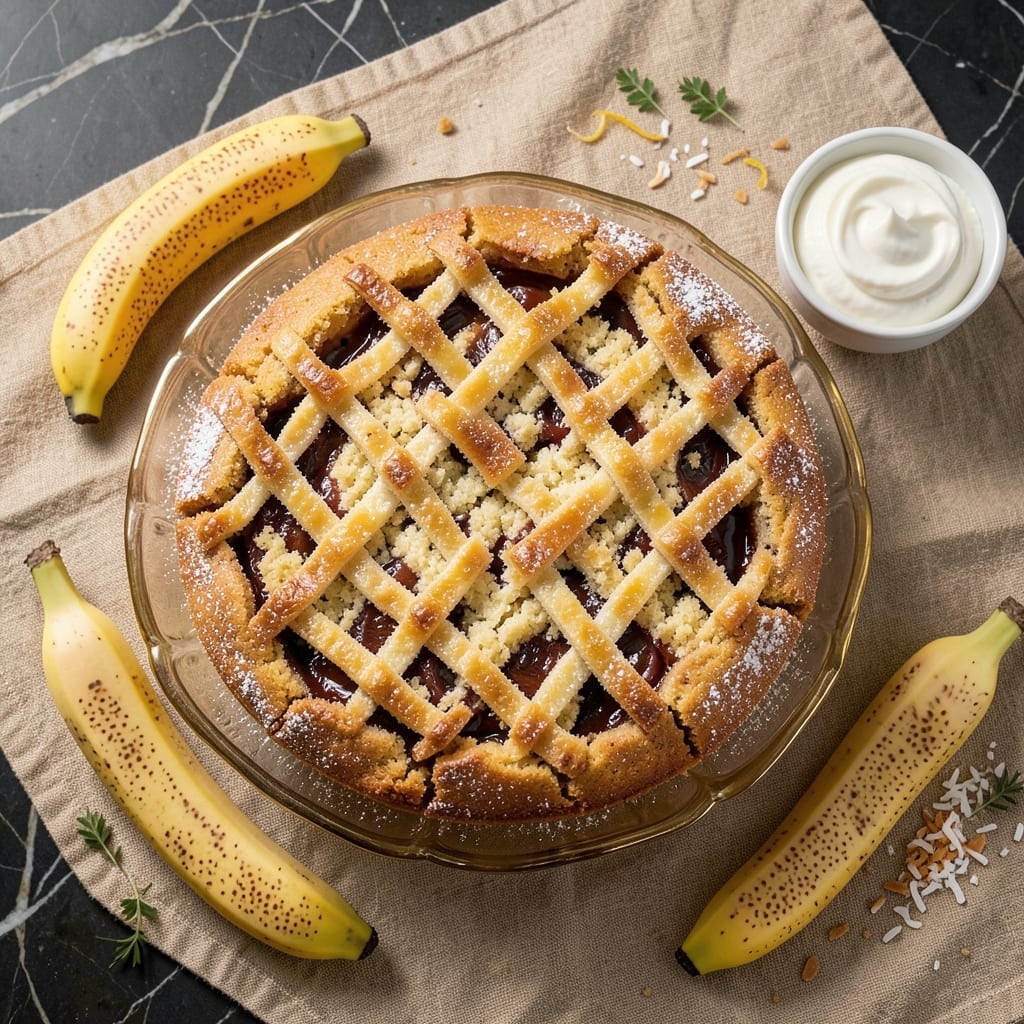
This banana cake made with sour cream delivers ultra-moist layers that stay tender for days—no dry crumbs in sight. The secret lies in sour cream's magic: it creates a velvety crumb while balancing the cake's natural sweetness. I've perfected this recipe over years of baking, ensuring every slice is rich, flavorful, and perfectly balanced between banana warmth and buttery frosting.
What makes this recipe stand out is the foolproof technique that guarantees success even for beginners. You'll mix everything in one bowl, bake at a precise 350°F, and end up with a cake so moist it practically melts in your mouth. The sour cream doesn't just add moisture—it enhances the banana flavor, creating a harmonious taste that's hard to resist.
The result is a golden-brown cake with a tender crumb and just the right amount of sweetness, topped with a smooth, buttery frosting that ties everything together. This isn't your average banana cake—it's a showstopper that's perfect for birthdays, brunch, or whenever you crave something comforting yet impressive.
Whether you're baking for a special occasion or treating yourself to a homemade dessert, this recipe delivers restaurant-quality results with minimal effort. Let's get started on creating your perfect slice of banana cake heaven.
Ingredients for banana cake made with sour cream
Pantry staples plus a few ripe bananas—everything you need for ultra-moist banana cake perfection.
| Ingredient | Amount | Notes |
|---|---|---|
| Ripe Bananas 🍌 | 2 cups | Mashed, about 3-4 medium |
| All-Purpose Flour 🌾 | 2 ½ cups | Sifted, for best texture |
| Granulated Sugar 🍚 | 1 ½ cups | White sugar preferred |
| Sour Cream 🥛 | 1 cup | Full-fat for moisture |
| Unsalted Butter 🧈 | ¾ cup | Melted, room temperature |
| Large Eggs 🥚 | 2 whole | Room temperature |
| Baking Soda 🧂 | 1 tsp | Pure baking soda |
| Ground Cinnamon 🌿 | 2 tsp | Freshly ground preferred |
| Vanilla Extract 🍯 | 2 tsp | Pure vanilla extract |
| Salt 🧂 | ½ tsp | Fine sea salt |
| Butter (for frosting) 🧈 | 1 cup | Cold, cubed for whipping |
| Confectioners' Sugar 🍚 | 3 cups | Sifted for smooth frosting |
| Milk 🥛 | ¼ cup | Whole milk preferred |
The bananas are the star, so pick the ripest ones you can find—those with brown spots, not black. Trader Joe's and Whole Foods usually have perfect ones, but any grocery store works. The sour cream is non-negotiable—it's what gives this cake that legendary moisture. Full-fat works best, but if you're using low-fat, add an extra tablespoon of milk to compensate. For the flour, King Arthur or Gold Medal brands are my go-to—they bake up lighter. Weighing your flour gives the most consistent results, but if you're scooping, spoon it into the cup and level it off.
No sour cream? Plain Greek yogurt works too, but it'll be slightly tangier. Running out of vanilla? Vanilla bean paste gives the same richness without the mess. The frosting can be made ahead—it actually tastes better after sitting overnight. For a richer frosting, swap half the milk for heavy cream. If you're watching sugar, reduce the confectioners' sugar by one-third and add an extra tablespoon of milk to maintain consistency. The butter for the frosting needs to be cold—pull it from the fridge 30 minutes before whipping so it's soft but not melted.
This cake keeps beautifully for 4-5 days in an airtight container at room temperature, though I rarely let it last that long. The frosting can be stored separately for up to 3 days before assembling. For make-ahead convenience, bake the cake a day ahead, cool completely, then wrap tightly in plastic. The frosting can be made the night before—just whip it again briefly before spreading. Freeze the unfrosted cake for up to 2 months—thaw at room temperature before adding the frosting.
Why You'll Love This Recipe
- No Mash Required: I swear by this trick—just mash those bananas with a fork right in the bowl. No food processor, no sticky mess, and zero cleanup. The sour cream does the heavy lifting of keeping it moist, so you’re basically just mixing and baking.
- Moisture Magic: That’s the secret weapon right there: the sour cream. It makes this cake ridiculously tender—no dry crumb here. And the ripe bananas? They caramelize just enough to give it that deep, almost custardy richness. One bite and you’ll forget about boxed cake.
- Breakfast or Dessert: Honestly, I make this for both. Serve it warm with a drizzle of honey for a lazy weekend breakfast, or chill it overnight and slice it for a no-fuss dessert. The butter and sugar combo means it’s just as happy with coffee as it is with ice cream.
- Budget-Friendly Leftovers: This cake actually tastes better the next day—yes, really. The flavors meld, and it’s perfect for packing lunches or sneaking into kids’ school lunches. Plus, you’re using pantry staples: bananas you’d otherwise toss, basic flour, and butter that stretches. Win.
Step-by-step instructions for banana cake made with sour cream
Here's how to create a tender, ultra-moist banana cake with perfect layers and velvety frosting.
Prepare the Banana Batter
In a large mixing bowl, combine the 2 cups mashed ripe bananas with the 1.5 cups granulated sugar and 1 cup sour cream. Mix until fully incorporated - you'll see a thick, golden mixture forming. The sour cream adds incredible moisture that keeps this cake tender for days.
Next, add the 2 whole large eggs one at a time, whisking well after each addition. The eggs help bind everything together while adding richness. Then stir in the 0.75 cup melted unsalted butter, 2 teaspoons vanilla extract, and 0.5 teaspoon salt. The butter should blend smoothly - if you see any lumps, gently warm it slightly to help it incorporate better.
Combine Dry Ingredients
In a separate bowl, whisk together the 2.5 cups all-purpose flour and 1 teaspoon baking soda. Sift the flour mixture directly into the banana batter while mixing on low speed with an electric mixer. This prevents lumps and ensures an even texture throughout the cake.
Continue mixing just until combined - you should still see some flour streaks. Overmixing develops gluten and can make the cake tough. The batter will be thick but pourable, similar to a brownie batter. This is perfect for creating that signature moist texture we're after.
Bake the Cake Layers
Preheat your oven to 350°F and grease two 8-inch round cake pans, lining the bottoms with parchment paper. Divide the batter evenly between the pans - you should have about 1½ cups per pan. Bake for 25-30 minutes or until a toothpick inserted in the center comes out clean with just a few moist crumbs.
I like to tap the pans gently on the counter after removing them from the oven - this helps release any air pockets and gives a more even surface. Let the cakes cool in their pans for 10 minutes before transferring to a wire rack to cool completely. The cooling process is crucial for preventing a gummy texture.
Create the Buttery Frosting
In a medium bowl, beat the 1 cup cold cubed butter on medium speed until smooth and creamy, about 2-3 minutes. This is where the magic happens - cold butter creates the perfect fluffy texture for the frosting. Gradually add the 3 cups sifted confectioners' sugar while continuing to beat on low speed.
Once the sugar is incorporated, add the 0.25 cup milk and 2 teaspoons vanilla extract. Beat for another 2-3 minutes until light and fluffy. The frosting should be thick enough to hold peaks when spread, but still spreadable. If it's too thick, add a splash more milk; if too thin, add a bit more confectioners' sugar.
Assemble the Cake
Place one cake layer on a serving plate and spread a generous layer of frosting on top. This is where the ultra-moist promise comes to life - the sour cream in the cake layers pairs perfectly with the buttery frosting. Add the second layer and frost the entire cake, creating a smooth surface.
For extra presentation, pipe decorative swirls around the edges or dust with a bit of extra confectioners' sugar. Let the cake sit at room temperature for 30 minutes before slicing to allow the frosting to set slightly. Each slice should reveal tender, moist crumbs with that perfect balance of sweetness and spice from the cinnamon.
Pro Tips For Making Banana Cake Made With Sour Cream
- Mash Bananas First: I learned this the hard way—skipping this step means you’ll end up with uneven texture and a cake that’s more like a banana-flavored brick. Use a fork to crush them thoroughly, then press through a mesh strainer to remove excess liquid. This keeps the batter light and prevents a gummy center.
- Don’t Overmix the Batter: The second you see streaks of flour, stop stirring. Sour cream cakes rely on tender layers, and overworking the batter makes them dense. Mix just until combined—about 20 seconds after the dry ingredients disappear. (Yes, even if it looks lumpy.)
- Use Room-Temp Sour Cream: Cold sour cream curdles when it hits the warm butter and sugar, and your cake will taste like buttermilk went wrong. Let it sit out for 30 minutes before measuring—no need to fully liquefy it, just soften it enough to blend smoothly.
- Check Doneness at 325°F: This isn’t a high-heat bake. Too hot, and the outside burns before the middle sets. Use an instant-read thermometer: pull it at 205°F (or when a toothpick comes out with moist crumbs, not wet batter). Cover loosely with foil 10 minutes in if the top browns too fast.
Troubleshooting your banana cake made with sour cream
Cake Too Dense
If your cake turns out dense instead of moist, you likely overmixed the batter or used too much flour. I’ve found that gently folding the dry ingredients into the wet mixture—just until combined—prevents this. Also, make sure your bananas are fully mashed with no lumps, as chunks can create uneven texture. For extra insurance, reduce the flour by 2 tablespoons and add 1 tablespoon extra sour cream to boost moisture. 💫
Dry or Crumbly Texture
Dry cake usually means the batter was overbaked or the oven ran too hot. Always use an oven thermometer to confirm your 350°F setting—many ovens run 25°F hotter. Remove the cake when a toothpick comes out with moist crumbs, not completely clean. For extra moisture, brush the warm layers with 2 tablespoons warm banana syrup (simmer ½ cup mashed bananas + 1 tbsp sugar) before frosting.
Cake Didn’t Rise
Flat cakes often result from old baking soda, expired sour cream, or under-whipped eggs. Test your baking soda by mixing it with vinegar—it should fizz vigorously. Replace sour cream with 1 cup plain yogurt if it smells sour, and whip the eggs until frothy before adding. Also, ensure your oven rack is in the middle position for even heat distribution. A 1-inch rise is ideal for this recipe. ✨
Frosting Too Thin
Thin frosting happens when butter melts during mixing or too much milk is added. Always use cold butter (straight from the fridge) and beat on medium speed to trap air. If your frosting is too runny, add 1-2 tbsp more confectioners’ sugar and chill for 10 minutes before re-whipping. For a stiffer frosting, chill the bowl and beaters for 5 minutes before starting.
Cracked Top or Sinkholes
Cracks or sinkholes form when the cake cools too quickly or the oven temperature fluctuates. After baking, let the cake cool in the pan for the full 10 minutes before transferring to a rack. For extra stability, tap the pan gently on the countertop to release air bubbles. If cracks appear, cover them with extra frosting or decorate with sliced bananas or nuts to mask imperfections.
Banana Flavor Too Strong
If the banana taste overpowers the cake, reduce the mashed bananas to 1½ cups and add ½ cup applesauce for balance. You can also increase the vanilla to 3 teaspoons and add a pinch of nutmeg for warmth. For a milder flavor, use ripe but not overly brown bananas—they’re sweeter and less intense. 🍌
Nutrition facts
Frequently asked questions
Why does this banana cake need sour cream?
The sour cream creates that signature ultra-moist texture by adding fat and moisture without making the cake greasy. It also tenderizes the crumb and helps balance the sweetness of the bananas, giving you a cake that stays fresh-tasting for days.
Can I substitute Greek yogurt for the sour cream?
Yes! Use 1 cup plain Greek yogurt instead of sour cream, but expect a slightly tangier flavor. For best results, choose full-fat yogurt and add 1 extra tablespoon of milk to maintain the same moisture level. The cake will still be delicious—just with a different twist.
How do I know when the bananas are ripe enough?
Look for bananas with solid yellow peels and brown spots—these are perfectly ripe. Avoid bananas that are mostly brown or have black spots, as they can make the cake taste too strong. The riper the bananas, the sweeter and more flavorful your cake will be!
Can I make this cake in a different pan size?
Yes, but adjust the baking time. For a 9-inch round pan, bake for 20-25 minutes (the batter will be thicker). For a loaf pan, bake for 50-60 minutes at 325°F (cover with foil if the top browns too quickly). Always check with a toothpick!
How can I make this cake gluten-free?
Replace the all-purpose flour with a 1:1 gluten-free baking flour blend (like Bob’s Red Mill). Add ½ teaspoon xanthan gum to help bind the cake. You may also need to reduce the flour by 2 tablespoons since gluten-free flours absorb liquid differently. Test with a small batch first!