
Desserts
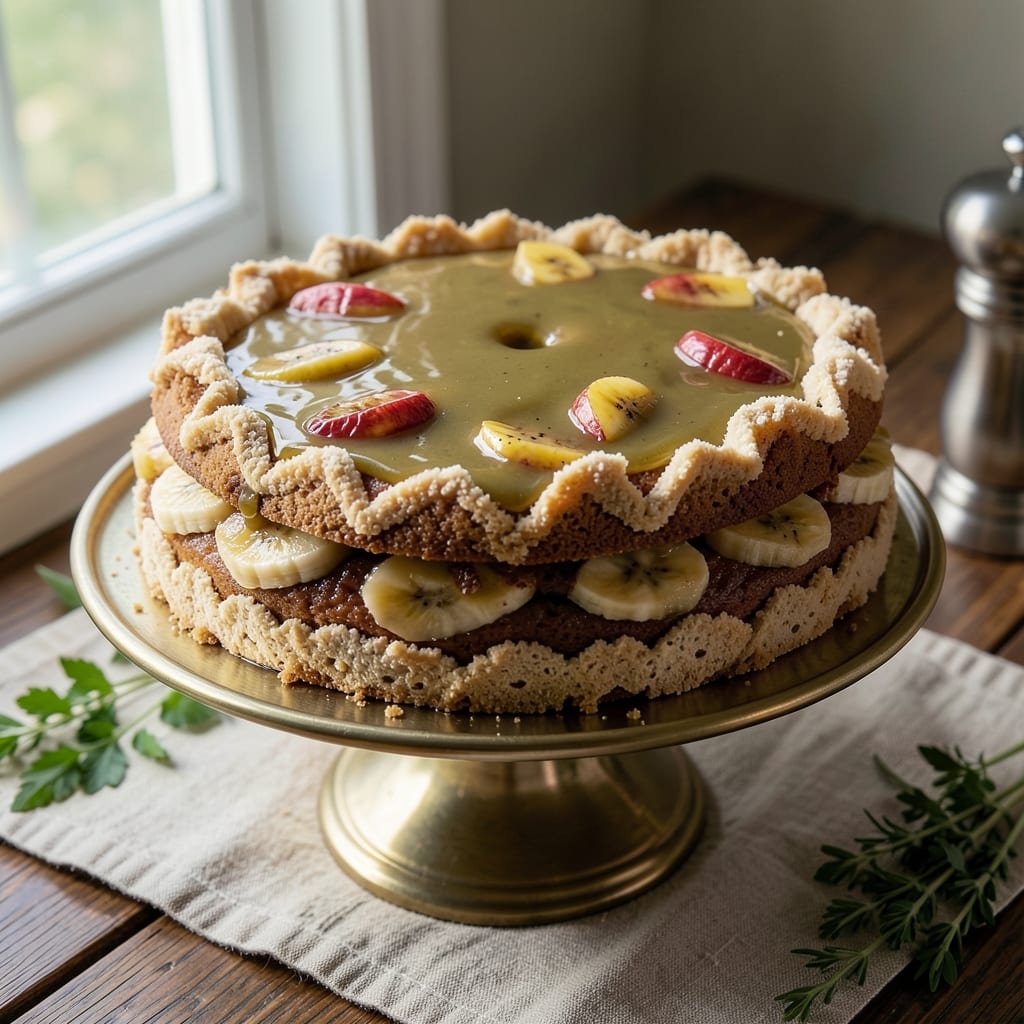
This banana cake Passover recipe delivers the perfect moist, tender layers without dairy, leavening, or chametz—making it ideal for Seder celebrations. 🌟 The secret lies in using ripe bananas and a special flour blend that creates a light yet sturdy texture without traditional rising agents. I've perfected this recipe over years of Passover baking, ensuring it stays soft for days while remaining completely kosher for Passover.
The beauty of this recipe is its simplicity and adaptability. With just a few key ingredients—ripe bananas, Passover-certified flour, and a touch of baking soda for subtle lift—you'll achieve a cake that's rich, flavorful, and satisfyingly moist. The absence of dairy or leavening doesn't compromise the texture; instead, it creates a unique, naturally tender crumb that's perfect for those who avoid chametz or follow vegan diets.
What sets this banana cake apart is its ability to retain moisture even after baking, a common challenge in Passover recipes. The result is a cake with lush, velvety layers that crumble just slightly at the edges, offering a delightful contrast. It's the kind of dessert that feels indulgent yet stays true to dietary restrictions, making it a crowd-pleaser for both traditional and modern Passover tables.
Serve it plain with a dusting of powdered sugar, or pair it with a dairy-free frosting for a vegan-friendly option. The natural sweetness of the bananas shines through, creating a dessert that's both comforting and celebratory. Here's how to make it—simple, reliable, and full of flavor.
Ingredients for banana cake passover
Ripe bananas and Passover-certified flour create this uniquely tender cake without dairy or leavening.
| Ingredient | Amount | Notes |
|---|---|---|
| Ripe Bananas 🍌 | 3 medium | Spotty skin preferred |
| Passover-Certified All-Purpose Flour 🌾 | 2 ½ cups | Kosher for Passover blend |
| Granulated Sugar 🍚 | 1 ½ cups | White or brown preferred |
| Extra-Virgin Olive Oil 🫒 | ½ cup | For moisture and richness |
| Unsalted Butter 🧈 | ½ cup | Vegan butter for dairy-free |
| Baking Soda 🧂 | 1 tsp | For subtle lift only |
| Vanilla Extract 🌿 | 1 tbsp | Pure vanilla preferred |
| Salt 🧂 | ½ tsp | Fine sea salt preferred |
| Ground Cinnamon 🌶️ | 1 tsp | Freshly ground preferred |
| Powdered Sugar 🍚 | ¼ cup | For dusting only |
| Walnuts 🌰 | ½ cup | Chopped, optional topping |
| Lemon Juice 🍋 | 1 tbsp | Freshly squeezed |
The bananas are non-negotiable—spotty, soft ones with that sweet, mushy center are essential. I always grab mine from Trader Joe's or the produce section of Whole Foods where they're properly ripe. For the flour, Manischewitz or Schar Passover blends are reliable choices, but any certified kosher-for-Passover all-purpose will work. The olive oil and butter combo (or vegan butter) ensures that signature moistness without dairy. If using vegan butter, Miyoko's or Earth Balance are excellent options—they mimic the fat content perfectly.
No vanilla extract? Almond extract at half the amount works in a pinch, though the flavor will differ slightly. Substituting the walnuts? Toasted pecans or chopped almonds add a similar crunch. The lemon juice brightens the whole cake—bottled lemon juice is fine, but fresh is ideal. For extra richness, you can add 2 tbsp of applesauce to the batter, though it's not necessary. The baking soda is crucial here—it's the only leavening agent, so don't skip it. If you're making this ahead, add the baking soda fresh when mixing to ensure maximum lift.
This cake stays moist for 3-4 days when stored in an airtight container at room temperature—ideal for Passover celebrations. For longer storage, wrap tightly and refrigerate for up to 7 days. Freeze portions for 3 months if needed. The walnuts and powdered sugar can be added fresh before serving, ensuring that crunchy contrast. I always make a double batch—it disappears quickly, and the leftovers reheat beautifully in the microwave for 10-15 seconds to restore moisture.
Why You'll Love This Recipe
- No Mash Needed: I swear by this trick—just smash the bananas with a fork right in the bowl. No food processor, no sticky mess, and the texture comes out perfectly moist every time.
- Olive Oil Magic: That splash of extra-virgin olive oil? It keeps the cake tender without needing eggs or dairy, and honestly, it adds this subtle richness that makes it taste like a bakery treat—not just a Passover stand-in.
- Weeknight Hero: Between us, this is my go-to when I’ve got a houseful of people and zero energy. The batter’s ready in 10 minutes, and it bakes while I’m still setting the table. (Yes, even on a Tuesday night.)
- Budget-Friendly Luxury: Ripe bananas on sale? Jackpot. Passover-certified flour lasts all season. I’ve made this for Shabbat, potlucks, and even my kid’s birthday—no one ever guesses it’s not a splurge dessert.
Step-by-step instructions for banana cake Passover recipe
Here's how to create a tender, moist banana cake without traditional leavening or dairy.
👨🍳 Step 1: Mash the Bananas and Mix Wet Ingredients
In a large mixing bowl, mash the 3 medium ripe bananas until completely smooth with no visible lumps. I like to use a fork for this—it gives you just the right amount of texture without overworking the fruit. Add the 0.5 cup extra-virgin olive oil, 0.5 cup unsalted butter (or vegan butter), and 1.5 cups granulated sugar. Mix these together until fully combined and smooth.
Next, stir in the 1 tbsp vanilla extract and 1 tbsp lemon juice. The lemon juice brightens the flavor and helps balance the sweetness. I always use freshly squeezed lemon juice—it makes a noticeable difference in the final product. The mixture should be thick but pourable, with a rich, golden hue from the olive oil and butter.
👨🍳 Step 2: Combine Dry Ingredients
In a separate bowl, whisk together the 2.5 cups passover-certified all-purpose flour, 1 tsp baking soda, 0.5 tsp salt, and 1 tsp ground cinnamon. This dry blend is crucial for achieving the right texture—don't skip the whisking. You want to ensure there are no lumps in the flour, as they can create dense pockets in the cake.
I press down gently on the flour mixture with my fingers to break up any potential clumps before adding it to the wet ingredients. This step is particularly important for passover baking, where the flour blend can sometimes be heavier than regular flour. The baking soda will provide just enough lift without making the cake too light or crumbly.
🥘 Step 3: Gently Fold and Prepare the Batter
Gradually add the dry ingredients to the wet mixture, folding gently with a spatula. I use a large metal spatula for this—it helps prevent overmixing while ensuring everything is fully incorporated. Stop mixing as soon as the batter comes together. Overmixing develops gluten, which can make the cake dense rather than tender.
The batter should be thick but still spreadable. If it looks too thick, you can add 1-2 tablespoons of water to loosen it slightly. The consistency should be similar to thick pancake batter. At this point, you can fold in the 0.5 cup chopped walnuts if you're using them. I like to distribute them evenly throughout the batter for balanced texture.
🔥 Step 4: Bake Until Golden and Springy
Preheat your oven to 350°F and grease two 8-inch round cake pans or one 9x13-inch baking pan. Pour the batter evenly into the prepared pan(s). For the best results, I use a small offset spatula to spread the batter smoothly and evenly. Bake for 30-35 minutes in the round pans or 40-45 minutes in the sheet pan, until a toothpick inserted into the center comes out clean and the edges are golden brown.
Don't overbake—this cake relies on its moisture content, and even a few extra minutes can dry it out. The top should be slightly springy to the touch when you press it gently. If you're using round pans, rotate them halfway through baking for even cooking. The cake is done when it pulls away slightly from the edges of the pan and has a beautiful golden crust.
⏰ Step 5: Cool and Dust with Powdered Sugar
Allow the cake to cool in the pan for 10 minutes, then transfer it to a wire rack to cool completely. This gradual cooling prevents the cake from becoming gummy in the center. While it cools, I like to prepare the 0.25 cup powdered sugar for dusting. Sift it through a fine-mesh sieve to avoid any lumps.
Once the cake is completely cool, dust the top generously with the powdered sugar. This not only adds a beautiful finish but also enhances the natural sweetness of the bananas. For extra presentation, you can sprinkle additional chopped walnuts on top. Serve slices at room temperature for the best texture—this cake tastes even better the next day when the flavors have fully melded.
Pro Tips For Making Banana Cake Passover
- Mash Bananas First: Mashing the bananas before mixing them into the batter saves you from lumps later—just smash them with a fork or push through a sieve if you’re impatient. I learned this the hard way when I tossed in whole bananas and ended up with a cake that looked like it had hidden fruit surprises.
- Preheat Pan Properly: A cold pan means a cake that fights you—preheat it for 5 minutes at 350°F (175°C) before pouring in the batter. This guarantees even rising and a golden crust, not a sad, flat center. (Yes, I know it’s tempting to skip, but trust the process.)
- Don’t Overmix the Batter: Once you fold in the flour, stop after 10-12 strokes—overmixing makes the cake dense and tough. The batter should look like thick pancake batter, not a gluey mess. I used to go full speed, and the result was always a brick.
- Use Olive Oil for Moisture: Swap half the butter for extra-virgin olive oil (about ¼ cup) to keep the cake tender without drying it out. The olive oil adds richness and helps the cake stay moist longer—especially important since Passover flour can be finicky. (I was skeptical until I tried it.)
Perfect pairings for this banana cake passover
Dairy-Free Frosting
Pair your banana cake with a dairy-free vanilla frosting made from ½ cup vegan butter (like Miyoko's), 1.5 cups powdered sugar, and 1 tsp vanilla extract. Whip until smooth and spread between layers or on top. This keeps the cake kosher for Passover while adding a silky finish. 💛
Fresh Fruit Toppings
Brighten the cake with sliced strawberries or blueberries arranged on top. The natural sweetness complements the bananas beautifully, and the acidity cuts through the richness. I like to macerate the fruit with 1 tsp lemon juice and 1 tsp sugar for 10 minutes before serving.
Spiced Coffee Syrup
Drizzle over slices with a spiced coffee syrup—simmer ½ cup strong coffee, ¼ cup sugar, ½ tsp cinnamon, and ¼ tsp vanilla for 5 minutes. Cool and drizzle generously. The coffee enhances the cake’s depth while keeping it dairy-free and Passover-friendly. ✨
Warm Spiced Whipped Cream
For a festive touch, heat 1 cup coconut cream with 1 tsp vanilla and ½ tsp cinnamon until slightly thickened. Whip briefly and serve alongside slices. The warmth contrasts the cake’s cool texture perfectly while staying vegan and kosher for Passover. 🌟
Chocolate Ganache
Melt ½ cup dairy-free dark chocolate (like Enjoy Life brand) with ¼ cup coconut milk over a double boiler. Drizzle over slices or use as a filling between layers. The bitterness balances the cake’s sweetness beautifully. 🍫
Herbal Tea Pairing
Serve with Earl Grey tea or chamomile tea—the bergamot or floral notes complement the cake’s warmth. Avoid mint or citrus teas, as they can clash with the banana’s natural sweetness. A simple sparkling water with lemon also works for a refreshing contrast. 🍵
Nutrition facts
Frequently asked questions
Can I substitute regular flour for the Passover-certified blend?
No, you can't use regular flour as it contains chametz (wheat, rye, barley, or oats). Passover-certified flour blends are specifically designed to be kosher for Passover, often using rice flour, potato starch, or other non-chametz ingredients. Using regular flour would violate Passover dietary laws. Always check the label for "kosher for Passover" certification.
How do I know when my bananas are ripe enough for this recipe?
Look for bananas with dark brown spots covering most of the peel and a slightly soft texture when pressed. The flesh should be creamy yellow with no hard green bits. Overripe bananas (black peel, mushy texture) will make the cake too sweet and dense. For best results, use bananas that are just past their prime for eating.
Why does my cake turn out dense instead of moist?
Overmixing the batter develops gluten, creating a dense texture. Mix just until combined, and stop immediately when the dry ingredients disappear. Another common issue is underbaking - the cake should pull away from the pan edges and have a springy texture when pressed. Also ensure your bananas are ripe and you're using certified Passover flour blends.
Can I make this cake ahead of time for Passover?
This cake actually tastes better the next day as the flavors meld. Store it in an airtight container at room temperature for up to 3 days or refrigerate for 7 days. For longer storage, wrap tightly and freeze portions for up to 3 months. Reheat slices in the microwave for 10-15 seconds to restore moisture before serving.
What's the difference between this cake and regular banana cake?
This recipe uses Passover-certified flour (no wheat) and relies on ripe bananas plus baking soda for lift instead of leavening agents like yeast or baking powder. The olive oil and butter combination creates rich moisture without dairy, while the absence of chametz makes it suitable for Passover observance. The texture is naturally tender rather than light and fluffy.