
Desserts
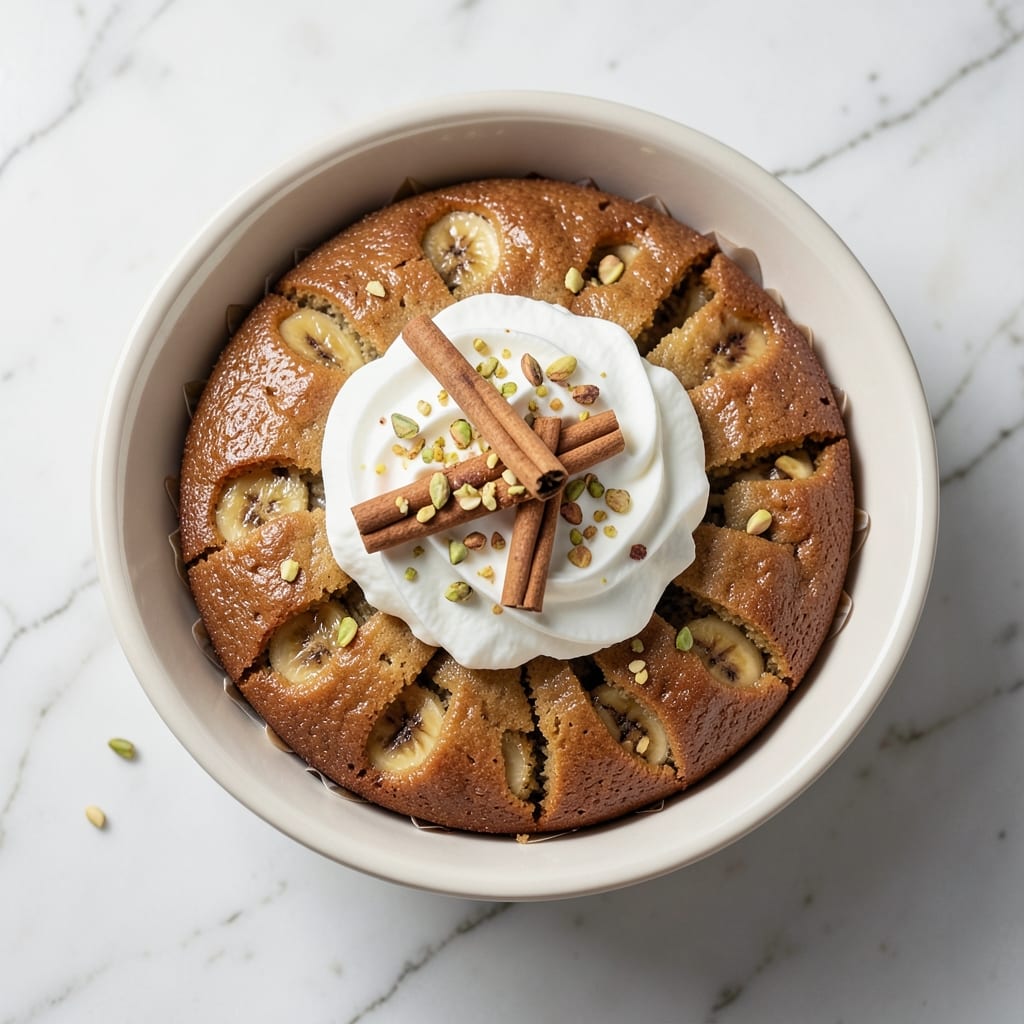
This banana cake recipe in steamer delivers perfectly moist layers without a single drop of oil—just steam and pure flavor. The magic happens when ripe bananas and simple ingredients transform into tender, cake-like layers infused with warm spices. I developed this method after years of experimenting with traditional baking, and the results speak for themselves: no dry crumbs, no heavy texture, just cloud-soft goodness every time.
The beauty of steaming lies in its simplicity: no precise oven temperature, no risk of overbaking, and no need for fancy equipment beyond a steamer basket. You'll mix ripe bananas, flour, eggs, and a touch of baking powder—then let the steamer do the rest. The heat gently cooks the batter, preserving moisture while creating a light, airy crumb that's impossible to resist.
What you'll end up with is a cake that's naturally sweet, subtly spiced, and so tender it practically melts in your mouth. The steam infuses every layer with a delicate aroma, while the bananas add natural sweetness that balances perfectly with the warm cinnamon and nutmeg. This isn't just dessert—it's a textural experience that transforms an ordinary afternoon into something special.
Perfect for brunch, tea time, or a simple weekend treat, this recipe scales easily for gatherings too. The steaming method ensures consistent results whether you're a baking novice or a seasoned pro. Let's get started on creating your ideal moist banana cake—no oven required.
Ingredients for banana cake recipe in steamer
Ripe bananas, warm spices, and tender layers—all you need for this steamed banana cake delight.
| Ingredient | Amount | Notes |
|---|---|---|
| Ripe Bananas 🍌 | 2 cups | Mashed, no brown spots |
| All-Purpose Flour 🌾 | 1 ½ cups | Sifted for light texture |
| Large Eggs 🥚 | 2 whole | Room temperature preferred |
| Granulated Sugar 🍚 | ¾ cup | White or light brown |
| Baking Powder 🧂 | 1 tbsp | Aluminum-free preferred |
| Ground Cinnamon 🌿 | 1 tsp | Freshly ground ideal |
| Ground Nutmeg 🌿 | ¼ tsp | Freshly grated preferred |
| Salt 🧂 | ½ tsp | Fine sea salt preferred |
| Unsalted Butter 🧈 | ½ cup | Melted, room temperature |
| Vanilla Extract 🌸 | 1 tsp | Pure, high-quality |
| Milk 🥛 | ½ cup | Whole milk preferred |
The bananas are non-negotiable—ripe is key. Look for those with brown speckles (not too mushy!) at Whole Foods or your local farmers market. The flour should be all-purpose, not self-rising—that extra baking soda can throw off the delicate texture. For the spices, Penzeys or the bulk section at Trader Joe's have the freshest ground cinnamon and nutmeg. Butter matters too—use unsalted, room temperature for the best emulsification. And vanilla? Pure extract, not imitation—the difference is noticeable.
No ripe bananas? Use 2 slightly underripe ones plus 2 tbsp lemon juice to mimic ripeness. Swap whole milk for almond milk or oat milk if needed, but add an extra pinch of salt to balance. The baking powder can be double-acting if that's what you have, but aluminum-free ensures better texture. For a deeper spice profile, add 0.25 tsp cardamom. If you're nervous about the steamer, parchment paper keeps the cake from sticking—no fancy liners needed. The batter should be thick but pourable; if too stiff, add 1 tbsp milk.
This cake keeps beautifully—3 days at room temperature wrapped in a damp towel, or 1 week refrigerated in an airtight container. For longer storage, slice and freeze portions for up to 3 months. Reheat slices in the steamer for 2 minutes to restore that cloud-soft texture. I always make a double batch—half goes in the fridge for quick snacks, and the rest gets frozen in single servings. Trust me, the reheated version is just as good as fresh.
Why You'll Love This Recipe
- Steamer Magic: I’ll admit, I was skeptical about cake in a steamer—until I tried this. The bananas soften just enough to blend into a velvety batter, and the steam gives it that tender, almost custardy crumb that’s way lighter than oven-baked. No greasing, no preheating, just dump and steam.
- No Fuss Batter: Honestly, the hardest part is peeling the bananas. Mash them, mix in the dry ingredients, and you’re done—no eggs cracking on the counter, no sugar measuring mistakes. The baking powder does all the work while you sip your coffee, and the cake comes out perfectly moist without a single dry crumb.
- Breakfast or Snack: Between us, this cake is my go-to for lazy mornings or after-school treats. Serve it warm with a drizzle of honey for a quick breakfast, or let it cool for a grab-and-go snack. (Yes, even on a Tuesday night when you’ve got zero energy.)
- Budget-Friendly Leftovers: Here’s what sold me—this recipe uses pantry staples and makes enough for seconds. The cake keeps well in the fridge for days, and reheating a slice in the microwave brings it back to life. Plus, overripe bananas get a second chance instead of going to waste. Win-win.
Step-by-step instructions for banana cake in steamer
This method delivers a perfectly moist, tender cake with no oven needed—just steam power and simple technique.
Prepare the Banana-Milk Mixture
Start by mashing the 2 cups ripe bananas until completely smooth with no lumps—this ensures even distribution in the batter. I like to use a fork first, then press through a fine-mesh sieve to remove any fibrous bits. In a separate bowl, whisk together the mashed bananas, 0.5 cup milk, 0.5 cup melted unsalted butter, 0.75 cup granulated sugar, 1 tsp vanilla extract, and 0.5 tsp salt until fully combined.
Here's the thing—ripe bananas should be soft enough to mash with minimal pressure, but not so overripe they're mushy. The milk and butter help create a rich, velvety texture, while the sugar balances the natural sweetness of the bananas. Let this mixture sit for 5 minutes while you prepare the dry ingredients—this gives the flavors time to meld slightly.
Combine Wet and Dry Ingredients
In a large mixing bowl, sift together the 1.5 cups all-purpose flour, 1 tbsp baking powder, 1 tsp ground cinnamon, and 0.25 tsp ground nutmeg. The sifting prevents lumps and aerates the flour for a lighter texture. Gently fold these dry ingredients into the banana mixture using a spatula, mixing just until combined—overmixing develops gluten and makes the cake dense.
Add the 2 whole eggs, one at a time, mixing gently after each addition. The eggs provide structure and moisture, but you want to keep the batter light. If the mixture looks too thick after adding the eggs, stir in 1-2 tablespoons of milk to achieve a smooth, pourable consistency. The batter should coat the back of a spoon but still be thick enough to hold its shape when dropped.
Prepare the Steamer and Cake Mold
Line a 4-inch round cake pan (or similar size) with parchment paper, leaving an overhang for easy removal. This cake is designed for a single layer, so the height should be about 2 inches—perfect for steaming. Place the pan in the steamer basket, ensuring it sits on the rack and doesn't touch the bottom or sides.
Fill the steamer with 2-3 inches of water and bring it to a boil over medium-high heat. Once boiling, reduce the heat to medium and cover the steamer. The steam should rise steadily but not violently—this creates gentle, even heat that cooks the cake through without drying it out. Let the steamer heat for 5 minutes before adding the batter to ensure everything is ready.
Steam the Cake to Moist Perfection
Pour the batter into the prepared pan and smooth the top with a spatula. Place the pan in the steamer and cover immediately. Steam over medium heat for 45-50 minutes. You'll know it's done when a toothpick inserted into the center comes out clean and the edges pull away slightly from the pan.
Here's where the magic happens: the steam gently cooks the cake, preserving its moisture while allowing it to develop a tender crumb. Don't peek during the steaming process—opening the lid releases steam and can cause the cake to sink. If the water in the steamer reduces too much, add hot water to maintain the level without disturbing the heat.
Rest, Unmold, and Serve
Once the cake is fully cooked, turn off the heat and let it rest in the steamer for 10 minutes. This resting period allows the cake to set slightly and makes it easier to unmold. Carefully remove the pan from the steamer, then use the parchment overhang to lift the cake onto a wire rack.
Let the cake cool completely before slicing—this ensures clean cuts and prevents it from falling apart. The result should be a moist, tender cake with a delicate texture and a subtle spiced aroma from the cinnamon and nutmeg. Serve it warm with a dollop of whipped cream or a scoop of vanilla ice cream for the ultimate treat.
Pro Tips For Making Banana Cake Recipe In Steamer
- STEAM ON FULL BOIL: The steamer basket should be screaming with steam before you put in the cake—no half-hearted simmering. I learned this the hard way when my first batch came out dense instead of light; the cake needs that aggressive heat to rise properly in the first 10 minutes.
- MASH BANNANAS SMOOTH: Use a fork to start, then switch to a potato masher for the last few presses—this keeps the batter just airy enough without overmixing. Overblending turns the cake into a brick, and nobody wants that, especially when steaming.
- DON’T OVERFILL THE MOLD: Fill the cake pan no more than ¾ full, or the batter will spill into the steamer and turn into a sticky mess. Trust me, cleaning banana batter off a steamer basket is a nightmare—leave room for the cake to puff.
- EGG ROOM TEMPERATURE MATTERS: Let the eggs sit out for 15 minutes before cracking them into the batter—they’ll blend smoother and create a lighter texture. Cold eggs make the cake gummy, and that’s a flavor crime in a steamed dessert.
Creative variations of this dish
Spiced Vanilla Twist
Add ½ tsp vanilla bean paste (instead of extract) for deeper flavor complexity—this gives a subtle floral note that pairs beautifully with the warm spices. I like to use Madagascar vanilla from Trader Joe's for that authentic depth. For an extra touch, fold in 1 tbsp toasted coconut flakes into the batter—they add a delicate crunch that contrasts the soft cake layers. 🌸
Chocolate Chip Fusion
Fold in ½ cup semi-sweet chocolate chips (I prefer Ghirardelli) into the batter for a decadent twist. The chocolate melts slightly during steaming, creating pockets of gooey goodness throughout. For a white chocolate variation, use ½ cup white chocolate chunks—they add a creamy contrast.
Lemon Zest Brightness
Zest of 1 lemon (about 1 tbsp) adds a refreshing citrus note that cuts through the richness. The acidity in the zest also helps balance the natural sweetness of the bananas. I like to add it to the wet ingredients along with the vanilla. For a stronger citrus flavor, add 1 tbsp lemon juice to the batter as well. This variation works especially well with a dollop of lemon curd on top.
Nutty Crunch Layer
Press ½ cup chopped walnuts or pecans into the bottom of your cake pan before adding the batter. The nuts toast slightly during steaming, creating a flavorful crunch layer at the base. For extra richness, toast the nuts in a dry pan with ½ tsp cinnamon before pressing them into the pan. This variation adds texture contrast and a satisfying bite with every slice.
Coconut Milk Adaptation
Replace the regular milk with ½ cup coconut milk for a tropical twist that complements the bananas beautifully. The coconut flavor enhances the natural sweetness while adding a subtle creaminess. I recommend using full-fat coconut milk for the best texture. This variation pairs wonderfully with a sprinkle of toasted coconut flakes on top. For a vegan version, use flax eggs (1 tbsp ground flaxseed + 3 tbsp water per egg) instead of regular eggs.
Caramel Swirl Option
Create a stunning visual effect by swirling ½ cup homemade caramel sauce into the batter before steaming. I make mine by simmering ½ cup brown sugar with 2 tbsp heavy cream and 1 tbsp butter until thickened. Pour the batter into the pan, then drizzle the caramel in a zigzag pattern before adding another thin layer of batter. This creates beautiful caramel ribbons throughout the cake that melt into gooey pockets when steamed. 🍯
Nutrition facts
Frequently asked questions
Why does steaming make this banana cake so moist?
The steam creates a humid environment that gently cooks the batter, preventing moisture loss like traditional baking. This method preserves the bananas' natural juices while developing a tender, cloud-like texture. The gentle heat also prevents overbaking, which often causes dryness in oven-baked cakes.
Can I use underripe bananas for this recipe?
Not ideal, but you can adapt it! Use 2 slightly underripe bananas plus 2 tbsp lemon juice to mimic ripeness. The acidity helps balance the starchier texture of underripe bananas. For best results, let the bananas sit at room temperature for 24 hours before using to soften them naturally.
How do I know when the cake is fully cooked?
Insert a toothpick into the center—it should come out clean with no wet batter. The edges should pull away slightly from the pan, and the cake should spring back when gently pressed. Steaming times vary by altitude, so check at 40 minutes if you're above 3,000 feet. Never peek during steaming or the cake may sink!
What if I don't have a steamer basket?
Use a metal colander or even a heatproof plate that fits snugly in your pot. Line it with parchment paper and place it above the water. For even cooking, ensure the pan sits 1-2 inches above the water level—this mimics proper steaming conditions. A makeshift steamer works just as well!
Can I make this cake gluten-free?
Yes! Replace the all-purpose flour with a 1:1 gluten-free baking flour blend (like Bob's Red Mill). Add ½ tsp xanthan gum to improve texture. For binding, use 1 extra egg or 1 tbsp ground flaxseed + 3 tbsp water per egg. The steaming method actually helps gluten-free cakes achieve better texture than baking.