
Desserts
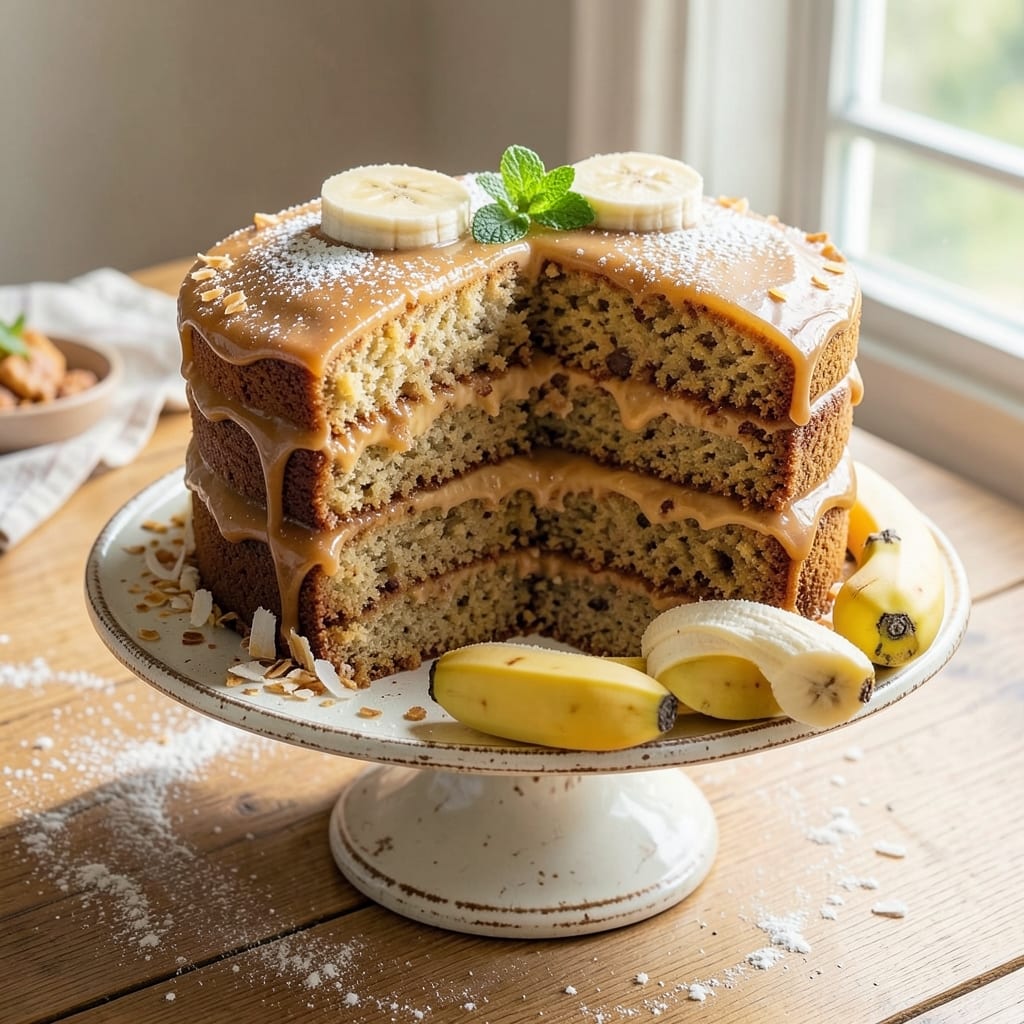
This banana cake recipe in Tamil brings comfort and tradition to your kitchen with its signature fluffy layers and aromatic spiced frosting. 🌟 The blend of ripe bananas, warm cardamom, and coconut milk creates a moist texture that’s impossible to resist, while the frosting adds a fragrant twist inspired by South Indian desserts. Perfect for celebrations or everyday treats, this cake balances sweetness with subtle spices for a truly satisfying bite.
The secret to achieving that signature fluffy texture lies in the right mix of ingredients—ripe bananas, baking powder, and a touch of yogurt for moisture. Traditional variations often include jaggery or coconut milk instead of refined sugar, while modern twists like chocolate chips or cream cheese frosting add depth. Whether you're baking for family gatherings or a quiet afternoon snack, this recipe delivers restaurant-quality results with minimal fuss.
By the time you pull this cake from the oven, you’ll have golden layers with a tender crumb and a frosting that’s both creamy and lightly spiced. The aroma alone will have everyone gathering around the table, and each bite combines the natural sweetness of bananas with the warm, comforting flavors of cardamom and coconut. This is the kind of dessert that feels like home.
Ready to bake? The recipe includes step-by-step instructions in Tamil for mixing, baking, and decorating, ensuring every layer turns out perfectly. Whether you stick to traditional flavors or add your own twist, this banana cake is a celebration of both heritage and creativity.
Ingredients for banana cake recipe in tamil
Ripe bananas and coconut milk create that signature moist crumb, while cardamom and cinnamon add South Indian warmth.
| Ingredient | Amount | Notes |
|---|---|---|
| Ripe Bananas 🍌 | 2 cups | Mashed, about 4 medium bananas |
| All-Purpose Flour 🌾 | 2 cups | Sifted for fluffy texture |
| Granulated Sugar 🍚 | 1 cup | Or jaggery for traditional taste |
| Baking Powder 🍞 | 2 tsp | Double-acting for lift |
| Baking Soda 🧪 | ½ tsp | For extra fluffiness |
| Salt 🧂 | ½ tsp | Fine sea salt preferred |
| Plain Yogurt 🥛 | ½ cup | Full-fat for moisture |
| Coconut Milk 🥥 | ½ cup | Canned, full-fat preferred |
| Cardamom Powder 🌿 | 1 tsp | Ground fresh for aroma |
| Ground Cinnamon 🌶️ | ½ tsp | Warmth without overpowering |
| Vanilla Extract 🌸 | 1 tsp | Pure, not imitation |
| Vegetable Oil 🫒 | ½ cup | Light neutral flavor |
| Milk 🥛 | ½ cup | Any kind works fine |
| Powdered Sugar 🍚 | 2 cups | For frosting |
| Coconut Cream 🥥 | ½ cup | Chilled for frosting |
The bananas are non-negotiable—overripe with brown spots gives the best flavor, but firm yellow bananas work too if that's what you've got. Costco or local Indian grocery stores usually have the perfect ones. Cardamom is key here—Penzeys or Spicewalla sell the best ground version, but the pods work too if you toast and grind them. Coconut milk matters: Aroy-D or Thai Kitchen brands are reliable, but homemade is even better if you can make it. The yogurt should be plain, unsweetened—Greek yogurt works too, but regular works fine.
No cardamom? A pinch of nutmeg plus extra cinnamon gets you close. Running out of coconut milk? Substitute with evaporated milk—it won't be identical, but still delicious. The frosting can be made with cream cheese instead of coconut cream if you prefer. For extra richness, melt 2 tbsp of ghee into the frosting. The baking powder and soda are a team—don't skip either or the cake will be dense. And if you're feeling fancy, add 1/2 cup of chopped walnuts to the batter for crunch.
Bananas keep for 3-4 days in the fridge once mashed. The dry ingredients (flour, sugar, baking powder) stay good for 3 months in airtight containers. The frosting keeps for 5 days in the fridge, but freezes beautifully for 2 months—just thaw overnight before using. This cake tastes even better the next day, so bake it ahead if you can. Store leftovers covered at room temp for 2 days or refrigerate for 5 days.
Why You'll Love This Recipe
- No Mash Needed: I’ll admit, I was skeptical at first—no food processor, just ripe bananas mashed with a fork. But those overripe bananas? They blend into the batter so smoothly, no lumps, no fuss. Honestly, the texture comes out better than when I’ve forced purees before.
- Sweet Without Guilt: That caramelized banana flavor? It’s like dessert sneaking up on you. The sugar’s not overpowering—just enough to balance the flour’s mildness, and the baking soda gives it that light, airy crunch on top. (Yes, even on a Tuesday night.)
- Breakfast, Snack, or Tea Pair: Here’s what sold me—the flexibility. Serve it warm with a dollop of ghee for breakfast, slice it cold for a midday snack, or pair it with chai. My kids grab it after school; my husband takes it to work. It’s the one cake that everyone wants, no occasion required.
- Pantry Staples Only: Between us, this recipe’s a lifesaver when my grocery budget’s tight. Flour, sugar, baking powder—stuff I already have. And those ripe bananas? I’d otherwise toss them. Now they’re the star of my cake, no extra shopping needed. (Plus, leftovers? They last days if you refrigerate them.)
Step-by-step instructions for banana cake with spiced frosting
Here's how to create a moist, spiced banana cake with coconut cream frosting—simple steps for perfect layers every time.
👨🍳 Step 1: Prepare the Banana Mixture
Start by mashing the 2 cups ripe bananas until completely smooth—no lumps allowed. I like to use a fork first, then give it a quick blend with an immersion blender for extra smoothness. This ensures your cake will be tender, not dense.
In a separate bowl, whisk together the 2 cups all-purpose flour, 1 cup granulated sugar, 2 tsp baking powder, 0.5 tsp baking soda, 0.5 tsp salt, 1 tsp cardamom powder, and 0.5 tsp ground cinnamon. Sift the dry ingredients first for that light, fluffy texture we're after. Here's the thing—cardamom adds that warm, aromatic touch that makes this cake special, so don't skip it.
🍳 Step 2: Combine Wet Ingredients
In a large mixing bowl, combine the mashed bananas with 0.5 cup plain yogurt, 0.5 cup coconut milk, 0.5 cup vegetable oil, 0.5 cup milk, and 1 tsp vanilla extract. Mix until smooth—this is your wet base. The yogurt and coconut milk add moisture while keeping the cake tender, not gummy.
Now, gradually add the dry ingredients to the wet mixture. Mix on low speed just until combined—about 30 seconds—being careful not to overmix. Overmixing develops gluten, which makes cakes tough instead of light. You'll see a thick, smooth batter that's ready for the oven.
🔥 Step 3: Bake to Golden Perfection
Preheat your oven to 350°F and grease two 8-inch round cake pans or line them with parchment paper. Divide the batter evenly between the pans and smooth the tops. The batter should fill the pans about 2/3 full—this prevents overflow and ensures even baking.
Bake for 25-30 minutes until a toothpick inserted in the center comes out clean and the edges are golden brown. I know it's tempting to open the oven door, but resist! The oven needs to maintain that steady temperature for even baking. If the tops brown too quickly, tent loosely with foil after 15 minutes to prevent over-browning.
⏰ Step 4: Make the Spiced Frosting
While the cakes cool, whip the 2 cups powdered sugar with 0.5 cup chilled coconut cream until smooth and fluffy. I like to use a stand mixer for this—beat on medium speed until light and airy. The cold coconut cream helps create that perfect piping consistency, so make sure it's well-chilled.
For extra flavor, add 1 tsp vanilla extract and a pinch of ground cinnamon. This gives the frosting that warm, aromatic touch that complements the cake beautifully. You'll know it's ready when it holds soft peaks—like whipped cream but with a slightly firmer texture.
🥘 Step 5: Assemble the Cake
Once the cakes have cooled completely, place one layer on a serving plate. Spread a generous layer of the spiced frosting on top, then place the second cake layer on the frosting. Here's a pro tip—I like to chill the cakes for 10 minutes in the fridge before frosting. This makes them easier to handle and prevents the frosting from melting too quickly.
Spread the remaining frosting over the top and sides of the cake, then decorate with extra cardamom powder or a sprinkle of cinnamon for that traditional Tamil touch. Let it set in the fridge for 30 minutes before serving—this ensures clean slices and a perfect presentation. The result? A moist, flavorful cake with a light, aromatic frosting that's perfect for any occasion.
Pro Tips For Making Banana Cake Recipe In Tamil
- MASH THE BANANAS WELL: Skip the food processor—hand-mashing with a fork breaks down the fibers better. I learned this the hard way when my cake turned dense; now I press the bananas through a sieve to remove excess moisture, which keeps the texture light and fluffy.
- WEIGH THE FLOUR (DON’T SCOOP): That cup measure? It’s lying to you. Fluff the flour first, then scoop and level it—scooping straight from the bag packs it down, and your cake will turn out heavier. A 220g cup is your target for this recipe.
- CHECK OVEN TEMP AT 180°C: Tamil recipes often assume your oven runs hot. Mine reads 180°C but bakes like 160°C—so I test with a thermometer or bake for 10 minutes longer. Underbaked banana cake sinks fast; overbaked cake dries out.
- ADD YOGURT OR BUTTERMILK: This isn’t optional—it’s the upgrade. Replace ¼ cup water with yogurt or buttermilk for a tender crumb. I was skeptical until I tried it; the acidity also balances the sweetness of ripe bananas.
Regional styles of this dish
Kerala Style
In Kerala, this banana cake often incorporates grated coconut into the batter for extra texture and flavor. Replace ½ cup of the flour with ½ cup finely grated coconut and add 1 tbsp shredded coconut to the frosting for a tropical twist. Kerala cooks also use jaggery instead of sugar—substitute 1 cup jaggery for the granulated sugar and reduce coconut milk by ¼ cup to balance moisture. The result is a denser, more aromatic cake with caramelized notes. 🥥
Tamil Nadu Classic
The traditional Tamil version skips frosting entirely and focuses on a single-layer cake baked in a rectangular tin. Use 1½ cups flour and 1 cup mashed bananas with ½ cup jaggery for sweetness. Add ½ tsp fennel seeds (crushed) to the batter for a distinct South Indian flavor. This version is often served at Pongal celebrations and pairs beautifully with sweetened coconut milk drizzled on top. 🌶️
Pondicherry Fusion
Pondicherry's French colonial influence shines in this variation, where the cake includes orange zest and a vanilla bean scraped into the batter. Replace ½ cup coconut milk with ½ cup heavy cream and add 1 tbsp orange zest along with 1 vanilla bean (seeds only). The frosting gets a citrus glaze—mix ½ cup powdered sugar with 2 tbsp orange juice and drizzle over the cooled cake. This version balances Indian spices with French finesse. 🍊
Andhra Sweet Twist
Andhra cooks often add raw mango powder (amchur) to the frosting for a tangy contrast. After baking, mix 1 tbsp raw mango powder with 2 tbsp coconut cream and spread over the cake before chilling. For extra richness, replace ½ cup vegetable oil with ½ cup ghee in the batter. This variation is popular during Ugadi and Diwali festivals, offering a unique sweet-sour balance. 🍈
Modern Tamil Twist
For a contemporary take, try adding dark chocolate chunks (½ cup) to the batter and swirling raspberry jam between layers. Use cream cheese frosting instead of coconut cream—whip 8 oz cream cheese with 1 cup powdered sugar and 1 tsp vanilla. This version keeps the cardamom and cinnamon but adds a Western dessert flair. Perfect for birthdays or casual gatherings! 🍫
Temple Offering Style
In Tamil temple kitchens, this cake is often made gluten-free using rice flour or almond flour. Replace 2 cups all-purpose flour with 1½ cups rice flour and ½ cup almond flour, then add 1 extra egg to bind. Use ghee instead of oil and bake at 325°F for 35-40 minutes. This version is lighter and ideal for festival prasadam (offerings). 🏯
Nutrition facts
Frequently asked questions
Can I use unripe bananas for this Tamil banana cake?
Ripe bananas with brown spots are ideal for maximum sweetness and moisture, but you can use firm yellow bananas if that's what you have. Just add 1 extra tablespoon of sugar or ½ teaspoon extra cardamom to compensate for the lack of natural sweetness. The texture will be slightly less moist but still delicious!
How do I substitute jaggery for granulated sugar in the Tamil version?
Replace 1 cup granulated sugar with 1 cup jaggery, but melt the jaggery first with ¼ cup coconut milk to create a smooth paste. This prevents graininess in your cake. Reduce coconut milk in the batter by ¼ cup since jaggery is more concentrated. The result will have a deeper caramel flavor and richer color.
Why does my cake turn out dense instead of fluffy?
Overmixing the batter or using too much flour are the most common causes. Mix just until combined (30 seconds max) and ensure you're using 2 teaspoons baking powder and ½ teaspoon baking soda together. Also check your oven temperature—350°F is critical. If your cake still seems dense, try adding 1 extra tablespoon of yogurt to the batter next time.
Can I make this cake without coconut milk?
Yes! Substitute with ½ cup evaporated milk plus 1 tablespoon melted coconut oil for the coconut milk in the batter. For the frosting, use ½ cup heavy cream whipped with 2 tablespoons powdered sugar instead of coconut cream. The flavor will be slightly different but still delicious.
How can I make this cake gluten-free for temple offerings?
Replace the 2 cups all-purpose flour with 1½ cups rice flour and ½ cup almond flour. Add 1 extra egg to help bind the batter. Use ghee instead of vegetable oil and bake at 325°F for 35-40 minutes in a greased pan. The texture will be slightly denser but still perfectly suitable for prasadam.