
Desserts
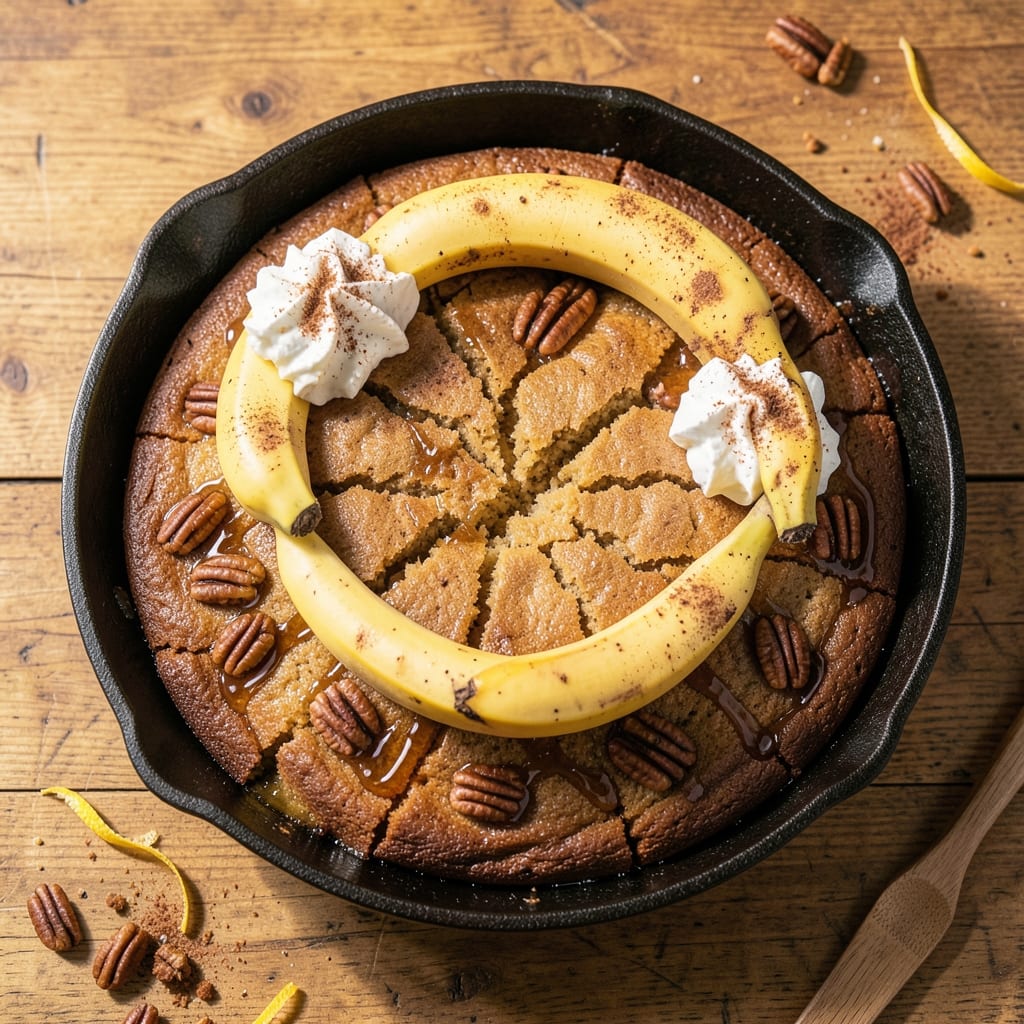
This banana cake recipe using vegetable oil delivers layers so moist they'll make you forget about dry cake forever. I first perfected it in Nana Mae's diner kitchen, where we used vegetable oil to keep every slice tender—no buttermilk or sour cream needed. The secret lies in the oil's ability to create that signature Southern-style richness without overpowering the natural banana flavor.
The cake's magic comes from three simple steps: mixing the batter just until combined (overmixing is the enemy of moisture), baking at a precise 350°F for exactly 45-50 minutes, and letting it cool completely before frosting. That vanilla bean extract I mention? It's what elevates this from basic banana cake to something truly special—warm, aromatic, and deeply satisfying.
What you'll end up with is a cake that's perfectly balanced—ultra-moist layers with just enough structure to hold your fork, and a subtle vanilla depth that makes every bite feel like a hug. The vegetable oil keeps it tender while the ripe bananas add natural sweetness, so you won't need much sugar. This is the kind of cake that disappears quickly, whether you're serving it at a family gathering or just enjoying a slice with your morning coffee.
Pair it with a simple cream cheese frosting or leave it unfrosted to let the cake's natural flavors shine. The beauty of this recipe is its versatility—it works for any occasion, from a quick weekday dessert to your Sunday brunch centerpiece. Let's get baking!
Ingredients for banana cake recipe using vegetable oil
Ripe bananas, rich oil, and vanilla extract create layers so moist they disappear in seconds.
| Ingredient | Amount | Notes |
|---|---|---|
| Ripe Bananas 🍌 | 3 medium | Mashed to 1.5 cups |
| Vegetable Oil 🫒 | 1 cup | Light or neutral flavor preferred |
| Granulated Sugar 🍚 | 2 cups | Light brown sugar for depth |
| All-Purpose Flour 🌾 | 2 ½ cups | Sifted for even texture |
| Baking Soda 🧂 | 1 tsp | Freshly opened package |
| Ground Cinnamon 🌿 | 2 tsp | Toasted for deeper aroma |
| Salt 🧂 | ½ tsp | Fine sea salt preferred |
| Vanilla Bean Extract 🍯 | 2 tsp | Pure vanilla extract works |
| Large Eggs 🥚 | 2 whole | Room temperature for blending |
| Milk 🥛 | 1 cup | Whole milk for richness |
| Unsalted Butter 🧈 | ½ cup | Melted for frosting |
| Cream Cheese 🧀 | 8 oz | Room temperature for frosting |
| Powdered Sugar 🍚 | 2 cups | Sifted for smooth frosting |
The bananas are non-negotiable—use ones so ripe their skins have brown spots. Trader Joe's or Whole Foods usually have the sweetest ones, but check your local market first. Vegetable oil is the secret weapon here; Crisco or any neutral oil from the grocery store works perfectly. The vanilla bean extract? Splurge on a real vanilla bean if you can—it makes all the difference. I always buy mine from Williams Sonoma or make my own by scraping out the seeds. The flour should be sifted right before mixing to avoid lumps, and the baking soda needs to be fresh—if it's more than six months old, toss it.
No ripe bananas? Use frozen bananas—thaw and drain first. Out of vegetable oil? Coconut oil works too, but it has a slight coconut flavor. The vanilla bean extract can be swapped for pure vanilla extract at double the amount, but you'll lose that depth. For the frosting, if you don't have cream cheese, buttercream with powdered sugar and milk is a solid backup. The powdered sugar should be sifted too—Domino brand is my go-to because it's consistently fine. And if you're short on time, the cake tastes amazing unfrosted—just dust it with powdered sugar for a quick finish.
Bananas can be mashed ahead and stored in the fridge for 2 days, but the batter should be mixed fresh for best texture. The cake keeps well in an airtight container for 4 days at room temperature or 1 week in the fridge. For the frosting, mix it up last-minute—it's best when fresh. I always make a double batch of frosting because it disappears faster than the cake. If you have leftovers, wrap them tightly in plastic wrap and store in the fridge—they'll last 5 days that way.
Why You'll Love This Recipe
- Here’s what sold me: I’ve used this batter for morning muffins, after-school snacks, and even a quick picnic dessert. Split the batter into mini loaves or a full cake—it’s the same recipe, just different timing.
- I’ll be real: vegetable oil keeps this cake soft for days, and the cost? A fraction of what fancy butter recipes run. Plus, those ripe bananas sitting on your counter? Now they’re a free upgrade instead of compost.
Step-by-step instructions for banana cake using vegetable oil
Here's how to create layers of ultra-moist banana cake with that signature vanilla depth.
Prepare the Banana Batter for Maximum Moisture
Preheat your oven to 350°F and grease two 9-inch round cake pans with vegetable oil, then line the bottoms with parchment paper. In a large mixing bowl, mash the 3 medium ripe bananas until completely smooth—no lumps, just pure banana pulp. This ensures the cake will be tender rather than dense.
Add the 1 cup vegetable oil and 2 cups granulated sugar to the mashed bananas. Whisk vigorously for about 2 minutes until the sugar dissolves completely and the mixture becomes light and airy. This step is crucial—it incorporates air that will create those signature tender layers. The oil also helps keep the cake moist for days after baking.
Combine Wet and Dry Ingredients for Perfect Texture
In a separate bowl, sift together the 2.5 cups all-purpose flour, 1 teaspoon baking soda, 2 teaspoons ground cinnamon, and 0.5 teaspoon salt. This sifting prevents lumps and ensures even distribution of leavening agents throughout the batter. The cinnamon adds warmth while the baking soda guarantees a light rise.
With the mixer on low speed, gradually add the dry ingredients to the banana mixture. Mix just until combined—about 30 seconds. Overmixing develops gluten, which would make the cake tough instead of tender. Then add the 2 teaspoons vanilla bean extract, 2 whole large eggs, and 1 cup milk, mixing on low speed until everything is fully incorporated. The batter should be thick but pourable.
Bake Until Golden and Springy
Divide the batter evenly between the prepared cake pans. Bake for 30-35 minutes until a toothpick inserted in the center comes out clean and the edges are deep golden brown. The cake should also spring back slightly when pressed in the center—this is your visual cue that it's fully baked. Rotate the pans halfway through baking for even browning.
I recommend checking at the 25-minute mark because ovens vary. If the top browns too quickly, tent with foil. The goal is even baking with a moist interior and slightly crisp exterior. Let the cakes cool in the pans for 10 minutes before transferring to a wire rack to cool completely.
Prepare the Cream Cheese Frosting
While the cakes cool, make the frosting by beating the 8 ounces cream cheese and 0.5 cup unsalted butter together until smooth and creamy. This usually takes about 2-3 minutes with an electric mixer. The cream cheese should be completely room temperature for this to work properly—if it's cold, it will create lumps.
Gradually add the 2 cups powdered sugar while mixing on low speed, then increase to medium and beat for another 2 minutes until light and fluffy. The frosting should be thick enough to hold peaks but still spreadable. Taste and adjust sweetness if needed—sometimes powdered sugar can vary slightly in sweetness.
Assemble and Decorate for Perfect Presentation
Once the cakes are completely cool, level the tops if needed using a serrated knife. Place one cake layer on a serving plate and spread about ⅓ of the frosting evenly over the top. Repeat with the second layer. The key here is to not overfill with frosting—this would make the cake too heavy and difficult to slice.
Spread the remaining frosting over the top and sides of the cake, creating a smooth finish. For extra flair, you can pipe additional frosting around the edges or on top. Let the cake sit at room temperature for 30 minutes before slicing to allow the frosting to set slightly. This ensures clean slices and prevents frosting from smearing.
Pro Tips For Making Banana Cake Recipe Using Vegetable Oil
- Mash Bananas Thoroughly: I learned this the hard way—lumpy banana puree means uneven texture. Use a fork first to break them up, then press through a fine-mesh sieve or blend briefly. No blender? A potato masher works, but you’ll need to strain out the fibers if you want that classic moist crumb.
- Preheat Pan 10 Minutes Early: Vegetable oil makes this cake richer, but it also means the batter’s heavier. A preheated pan (350°F) for 10 minutes before pouring guarantees even rising—no sunken centers here. I used to skip this, and my cakes always had that sad, dense middle.
- Measure Flour by Spooning: Packing flour into cups compresses it, throwing off the ratio. Spoon it in loosely, then level with a knife—no shaking the bowl. I was skeptical until I tried it; the cake’s lighter and holds its shape better when sliced.
- Add Baking Soda Last: Mixing it in early can make the batter curdle. Fold it in just before pouring—this keeps the reaction fresh for maximum lift. Sounds weird, but it works: my cakes now rise higher and stay fluffy longer.
Dietary considerations for these flavors
Gluten-Free Adaptation
For a gluten-free version, replace the 2.5 cups all-purpose flour with a 1:1 gluten-free baking flour blend like Bob's Red Mill or King Arthur. Add 1 extra teaspoon xanthan gum to mimic gluten's binding properties. I've tested this substitution and found it works beautifully—just be sure to sift the blend thoroughly to avoid lumps. The texture stays tender, though slightly denser than traditional cake. 🌱
Dairy-Free Options
To make this cake dairy-free, swap the 1 cup milk and 0.5 cup unsalted butter for 1 cup coconut milk (full-fat for richness) and 0.5 cup coconut oil. For the frosting, use 8 ounces dairy-free cream cheese like Kite Hill or Miyoko's, and ensure your powdered sugar is certified dairy-free. The coconut milk adds a subtle sweetness that complements the bananas perfectly.
Lower Sugar Version
Cut the sugar by ⅓ (use 1.5 cups granulated sugar) and replace the remaining 0.5 cups with unsweetened applesauce or mashed ripe dates. The natural sweetness of bananas will still shine through. I've found this works especially well with extra ripe bananas—the deeper the brown spots, the sweeter they are. The texture remains moist, though slightly denser. 🍌
Nut-Free Considerations
This recipe is naturally nut-free, but always double-check your ingredients—especially the vanilla bean extract and powdered sugar. Some brands process their vanilla in facilities that handle nuts, so opt for certified nut-free vanilla like Frontier Co-op. The cream cheese frosting is also typically nut-free, but verify the brand. For extra safety, I recommend making the frosting from scratch using certified nut-free butter and powdered sugar.
Vegan Adaptation
For a vegan version, use flax eggs (replace each egg with 1 tablespoon ground flaxseed + 3 tablespoons water) and vegan butter or coconut oil. The milk can be replaced with almond milk or more coconut milk. For the frosting, use vegan cream cheese and ensure the powdered sugar is vegan-certified. The texture stays moist, though slightly denser than the original. 🌿
Allergen-Friendly Tips
Always check labels for hidden allergens—especially in vanilla extracts and powdered sugar. For egg-free versions, use aquafaba (chickpea brine) as a binder. Store-bought vanilla extracts are usually safe, but if you're using real vanilla beans, ensure they're processed in a dedicated facility. When in doubt, I recommend making your own vanilla extract at home using alcohol and scraped vanilla beans—this gives you complete control over ingredients. 💡
Nutrition facts
Frequently asked questions
Why does this recipe use vegetable oil instead of butter?
Vegetable oil creates ultra-moist layers that stay tender for days, while butter can sometimes make cakes dry out faster. The oil also has a higher smoke point, which helps maintain the cake's structure during baking. Plus, it's easier to measure and mix—no need to cream butter and sugar first!
Can I substitute coconut oil for vegetable oil?
Yes, but expect a slight coconut flavor. Use the same amount (1 cup) and let it sit at room temperature first. For neutral flavor, stick with light vegetable oil like Crisco. The texture will still be moist, but the taste will differ slightly.
How do I know when the bananas are ripe enough?
Look for bananas with solid brown spots covering most of the peel. Press gently—they should feel soft but not mushy. The riper the bananas, the sweeter and more flavorful your cake will be. If they're too green, the cake may taste bland.
What if my cake turns out dense instead of moist?
Overmixing or underbaking usually causes this. Mix just until combined (about 30 seconds after dry ingredients are added) and bake until a toothpick comes out clean. Also ensure your baking soda is fresh—old baking soda loses potency. For extra moisture, try adding 1 extra tablespoon of milk to the batter.
Can I make this cake in a bundt pan instead?
Reduce baking time to 35-40 minutes and check for doneness at 30 minutes. The cake will have a beautiful ring shape with no frosting needed. Brush with simple syrup (equal parts sugar and water, heated) while warm for extra moisture.