
Desserts
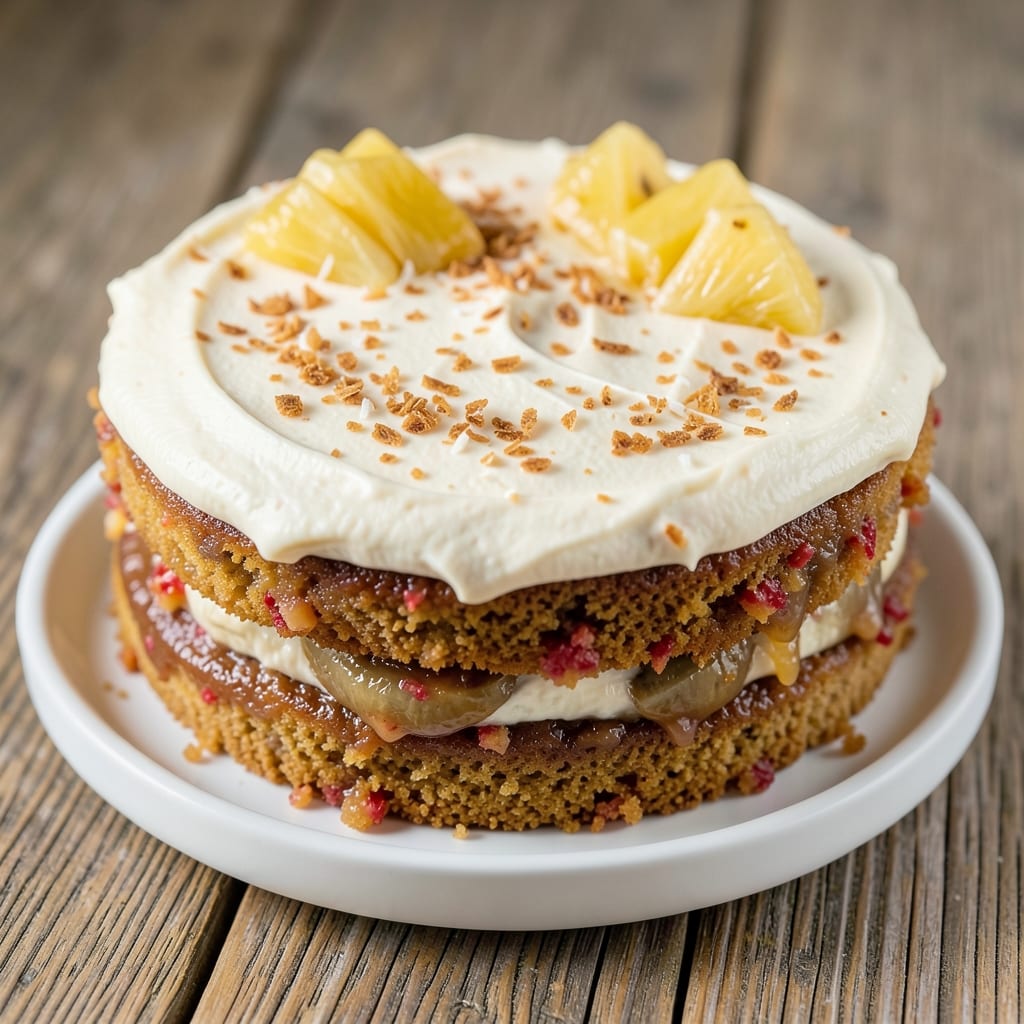
This banana cake recipe with crushed pineapple transforms a classic dessert into a vibrant tropical escape—moist, tender layers infused with sweet banana and tangy pineapple. 🌴 The secret lies in blending ripe bananas and crushed pineapple directly into the batter, ensuring every bite delivers that perfect balance of sweetness and moisture. I developed this recipe after years of baking banana cakes, always searching for that extra burst of flavor without sacrificing the signature soft texture.
The beauty of this recipe is its simplicity: just 10 ingredients and 30 minutes of hands-on time, yet it delivers restaurant-quality results. The crushed pineapple adds a subtle tartness that cuts through the richness of the banana, while a light sprinkle of pineapple on top adds a festive touch. Perfect for brunch, potlucks, or a spontaneous dessert craving, this cake is foolproof for home bakers of all skill levels.
What sets this banana cake apart is its unexpected tropical twist—the pineapple doesn’t just add flavor, it enhances the cake’s moisture and keeps it fresh for days. The result? A cake that’s tender, fragrant, and packed with layers of flavor, topped with a golden crust that’s impossible to resist. Whether you’re serving it warm with whipped cream or at room temperature with a drizzle of caramel, it’s a showstopper every time.
For an extra touch, consider adding a pineapple glaze or a sprinkle of toasted coconut after baking. The versatility of this recipe means it works for any occasion—birthday celebrations, summer gatherings, or even a cozy night in. Let’s get baking!
Ingredients for banana cake recipe with crushed pineapple
Ten simple ingredients blend ripe bananas and crushed pineapple into a tropical dessert masterpiece.
| Ingredient | Amount | Notes |
|---|---|---|
| Ripe Bananas 🍌 | 2 whole | Spotty skin preferred for sweetness |
| Crushed Pineapple 🍍 | 1 cup | Drained, unsweetened variety |
| All-Purpose Flour 🌾 | 2 cups | Sifted for light texture |
| Granulated Sugar 🍚 | 1 cup | White or light brown |
| Brown Sugar 🍚 | ½ cup | Packed for moisture |
| Unsalted Butter 🧈 | ¾ cup | Room temperature, full-fat |
| Large Eggs 🥚 | 2 whole | Room temperature |
| Pure Vanilla Extract 🌿 | 1 tbsp | High-quality preferred |
| Baking Soda 🧂 | 1 tsp | Freshly measured |
| Ground Cinnamon 🌶️ | 1 ½ tsp | Freshly ground preferred |
| Salt 🧂 | ½ tsp | Fine sea salt |
| Toasted Coconut Flakes 🥥 | ¼ cup | For garnish, optional |
The bananas are the heart of this cake—spotty, overripe ones pack the most flavor and moisture. Grab the yellowest ones from the produce section (the ones grocery stores usually discount). For pineapple, Dole's crushed variety is my go-to—it's consistently sweet and perfectly drained. The butter should be room temperature when you measure it; stick it in the microwave for 20 seconds if it's still cold from the fridge. As for flour, King Arthur or Gold Medal brands are my staples—they bake up light and fluffy.
No ripe bananas? Overripe applesauce works in a pinch, though the texture will be slightly denser. Swapping crushed pineapple for fresh pineapple purée (blended and strained) adds brightness but requires adjusting liquid ratios. For a nut-free option, omit the coconut flakes and add extra toasted coconut sugar to the batter. The baking soda is non-negotiable here—it's what creates that signature tender crumb. If you're concerned about freshness, store your vanilla extract in the fridge to preserve its potency for up to a year.
This cake keeps beautifully—covered at room temperature for 2 days or wrapped tightly in the fridge for 5 days. For longer storage, slice and freeze portions between parchment paper for up to 3 months. The tropical flavors actually intensify over time, making it perfect for meal prep. Pro tip: Bake an extra cupcake—it's the ideal single-serving size for testing new variations like adding a dash of rum extract or swapping half the flour for almond flour.
Why You'll Love This Recipe
- I’ll be real: this recipe costs me pennies. Overripe bananas, a cheap can of pineapple, and pantry staples—no specialty ingredients needed. Plus, the leftovers? They disappear faster than my willpower when I’m craving something sweet.
- No Overripe Bananas Wasted: Honestly, I’ve turned away from baking with spotty bananas too many times—until this. The crushed pineapple soaks up all that natural sweetness and moisture, making even the brownest bananas work like magic. No more sad fruit bowl, just cake.
- Tropical Twist in Minutes: That jar of crushed pineapple you’ve been eyeing? It’s not just for smoothies. The tangy-sweet burst cuts through the cake’s richness, and the brown sugar adds a caramel depth that’s ridiculously good. Mix it all together, bake, and you’ve got dessert that tastes like a vacation.
- Lunchbox Hero: Between us, this is my go-to for school lunches or office snacks. Slice it up, wrap in foil, and it stays fresh for days—no sad crumbs or soggy layers. The pineapple keeps it from drying out, so it’s still moist by afternoon.
Step-by-step instructions for banana cake with tropical pineapple
Here's how to bake a perfectly moist banana cake infused with crushed pineapple.
👨🍳 Step 1: Prepare the Wet Ingredients
In a medium bowl, mash the 2 whole ripe bananas until completely smooth, with no visible lumps. The texture should be like thick pudding—this ensures even distribution throughout the batter. Add the 1 cup crushed pineapple, 1 tbsp pure vanilla extract, and 0.75 cup unsalted butter (softened to room temperature). Mix until fully combined, scraping down the sides of the bowl as needed.
Next, whisk in the 1 cup granulated sugar and 0.5 cup brown sugar until dissolved. This step creates a smooth base for the cake while ensuring the sweetness is evenly distributed. The brown sugar adds moisture, which is key for that classic moist texture we're aiming for. Let this mixture sit while you prepare the dry ingredients—this brief resting period helps the flavors meld.
👨🍳 Step 2: Combine Dry Ingredients
In a separate large bowl, sift together the 2 cups all-purpose flour, 1.5 tsp ground cinnamon, 1 tsp baking soda, and 0.5 tsp salt. This pre-sifting step prevents lumps in the batter and ensures a light, airy texture. Use a whisk to break up any remaining clumps, creating a fine, even powder.
Make a well in the center of the dry ingredients and gently pour in the wet banana mixture. Using a spatula, fold the ingredients together just until combined—overmixing develops gluten, which can make the cake dense. The batter should be thick but pourable, with a few flour streaks still visible. This is the ideal consistency for a moist, tender crumb.
🍳 Step 3: Incorporate Eggs and Final Mixing
Add the 2 whole large eggs to the batter one at a time, mixing gently after each addition. The eggs provide structure and richness to the cake. After incorporating both eggs, fold in the 0.25 cup toasted coconut flakes (if using) for a tropical garnish and subtle coconut flavor. These flakes add texture contrast to the soft cake.
Once fully combined, transfer the batter to a prepared 9-inch round cake pan lined with parchment paper. The batter should fill the pan about two-thirds full. Tap the pan gently on the countertop to release any air bubbles that may have formed during mixing. This ensures an even rise and prevents cracks in the cake.
🔥 Step 4: Bake to Golden Perfection
Preheat your oven to 350°F. Place the prepared cake pan in the center rack and bake for 35-40 minutes, or until a toothpick inserted into the center comes out clean with a few moist crumbs clinging to it. The cake should be golden brown on top, with slightly pulled edges at the sides.
I know it's tempting to open the oven door early to check, but resist! The oven's heat needs to circulate freely for even baking. If the top browns too quickly, tent the cake loosely with aluminum foil after the first 20 minutes to prevent over-browning while allowing steam to escape for continued moisture.
⏰ Step 5: Cool and Serve
Remove the cake from the oven and let it cool in the pan for 10 minutes. Then transfer it to a wire rack to cool completely. This gradual cooling process helps the cake set properly and prevents it from becoming gummy. The center should be warm but firm to the touch when you're ready to slice.
Serve slices at room temperature for the best texture—this tropical banana cake is moist, tender, and perfectly balanced with the pineapple's subtle sweetness. For an extra touch, dust with powdered sugar or drizzle with a simple vanilla glaze. Store leftovers in an airtight container for up to 3 days or freeze for up to 3 months for future enjoyment.
Pro Tips For Making Banana Cake Recipe With Crushed Pineapple
- MEASURE DRY INGREDIENTS BY WEIGHT: I learned this the hard way—spooning flour from the bag packs it too loosely, and your cake ends up dense. Use a kitchen scale for the flour and sugar; 225g (about 1¾ cups) of flour and 200g (1 cup) of sugar will give you the right balance without overmixing.
- DRAIN PINEAPPLE WELL: That syrupy pineapple juice is sneaky—it makes your cake soggy if you don’t get rid of it. Drain the crushed pineapple in a fine-mesh strainer for 10 minutes, then blot the drained pieces with a paper towel. Trust me, your cake will thank you.
- BAKE UNTIL THE CENTER PASS THE TOOTHPICK TEST: I used to pull cakes out too soon because I thought they’d keep baking. With bananas and pineapple, the moisture makes them seem done when they’re not—insert a toothpick at the center and wait until it comes out with one moist crumb, not wet batter. If you’re unsure, add 5 minutes.
- SWAP BROWN SUGAR FOR A SPREAD: Brown sugar adds moisture, but it can make the cake too dense. Instead of mixing it into the batter, spread a thin layer (about 2 tablespoons) over the top before baking. It’ll caramelize slightly and give you that chewy crust without weighing down the crumb. (Yes, it’s weird, but it works.)
Common mistakes when making this recipe
Overmixing the Batter
I’ve seen so many cakes turn out dense and tough because the batter was mixed too vigorously after adding the dry ingredients. The key is to fold just until combined—think "lumpy but no flour streaks." Overmixing develops gluten, which creates a chewy texture instead of that light, tender crumb we want. Use a spatula and mix gently in a figure-8 motion to keep the batter just barely combined. 💫
Skipping Room-Temp Ingredients
Cold butter or eggs can throw off your cake’s texture. Room-temperature butter blends more smoothly into the wet ingredients, while cold eggs won’t emulsify properly, leading to a cake that’s either greasy or dry. Take your butter out of the fridge 20 minutes before baking, and let eggs sit in warm water for 5 minutes if they’re straight from the fridge. This small step makes a huge difference in moisture and structure.
Using Underripe Bananas
Underripe bananas lack the natural sweetness and moisture that make this cake work. They’ll yield a cake that’s bland and dense instead of rich and tender. Look for bananas with dark spots—those are packed with sugar and flavor. If you’re in a pinch, you can slightly overripe store-bought bananas by placing them in a paper bag with an apple overnight. This trick speeds up the ripening process naturally.
Incorrect Oven Temperature
Ovens vary wildly in temperature accuracy, and baking at 325°F instead of 350°F can leave your cake underdone or gummy. Always preheat your oven for at least 15 minutes before baking. I recommend using an oven thermometer—they’re cheap and reveal if your oven runs hot or cold. If your cake browns too quickly, tent it with foil after 20 minutes to prevent over-browning while keeping the center moist.
Not Draining the Pineapple
Using undrained crushed pineapple adds excess liquid to your batter, which can make the cake sink in the middle or become rubbery. Always drain and rinse the pineapple thoroughly before measuring. For extra insurance, pat it dry with a paper towel to remove any lingering moisture. This small step ensures your cake holds its shape beautifully while keeping that tropical flavor intact. 🍍
Overbaking or Underbaking
The toothpick test is your best friend here. A cake baked for 35-40 minutes should have a toothpick come out with moist crumbs—not wet batter, not dry flour. Overbaking dries out the cake, while underbaking leaves it gummy. If you’re unsure, err on the side of slightly underbaking. The residual heat will finish cooking the cake as it cools. Trust the process, and don’t peek too early—those oven door openings let heat escape and disrupt the bake.
Nutrition facts
Frequently asked questions
Can I substitute fresh pineapple for crushed pineapple in this recipe?
Yes, but you'll need to adjust the liquid ratio. Use 1 cup of fresh pineapple purée (blended and strained) instead of crushed pineapple, and reduce any other liquids in the recipe (like milk or yogurt) by 2 tablespoons to maintain proper texture. Fresh pineapple adds a brighter flavor but requires careful measurement to avoid a soggy cake.
How do I make this cake vegan?
Replace the eggs with 2 flax eggs (2 tbsp ground flaxseed + 6 tbsp water, mixed and rested for 5 minutes), use vegan butter, and swap regular milk for a plant-based alternative if needed. For the baking soda, add 1 tsp apple cider vinegar to help with rise. The texture will be slightly denser but still moist and delicious.
Can I add chocolate chips to this banana-pineapple cake?
Fold in 1 cup of semi-sweet or dark chocolate chips when adding the coconut flakes. For a tropical-chocolate twist, try white chocolate chips with crushed macadamia nuts instead. Just be aware this will make the cake slightly richer, so you might want to reduce the sugar by 1 tablespoon if your bananas are extra sweet.
Why did my cake turn out dense instead of moist? This usually happens from overmixing the batter or using underripe bananas.
How can I make this cake gluten-free?
Replace the all-purpose flour with a 1:1 gluten-free baking flour blend (like Bob's Red Mill) and add 1 tsp xanthan gum to improve texture. You may also need to increase the baking powder by 0.5 teaspoon for proper lift. For best results, use a gluten-free flour blend specifically formulated for baking. The cake will still be moist but may have slightly different crumb structure.