
Desserts
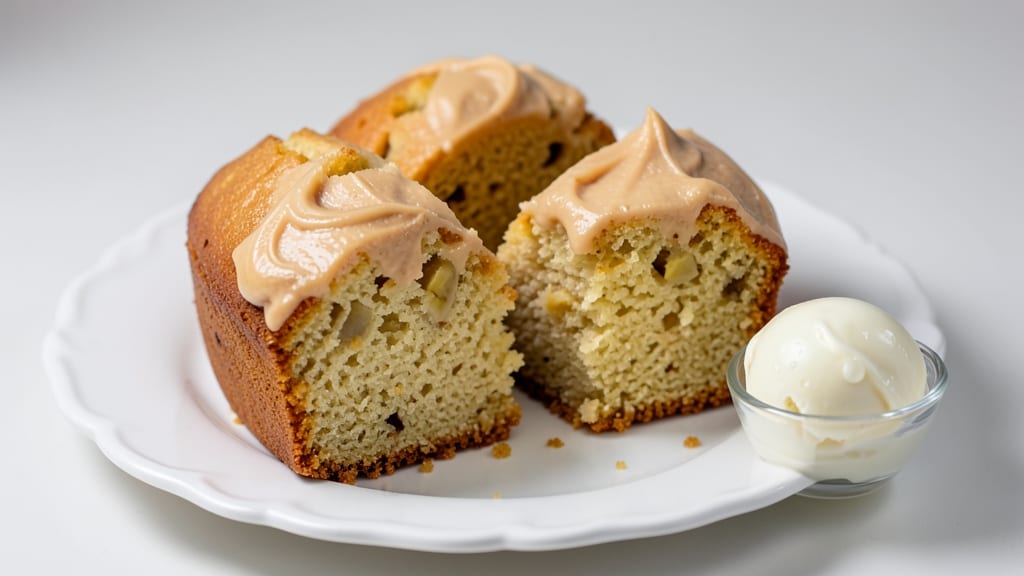
This banana cake recipe with vegetable oil delivers the perfect blend of moist, tender layers and velvety frosting that disappears with every bite. 💛 I developed this version after years of testing—vegetable oil keeps the crumb incredibly tender while creating that signature golden-brown finish. The secret lies in the right balance of ripe bananas and a simple but effective batter technique that ensures every slice stays fresh for days.
The beauty of this recipe is its adaptability—whether you're baking for a family gathering or a quiet afternoon treat, it delivers consistent results. Vegetable oil creates a rich, buttery flavor without the dairy, making it a great option for those avoiding butter. The cake bakes up with a perfect rise, and the frosting stays luscious without becoming overly sweet.
What makes this recipe truly special is how it transforms simple ingredients into something extraordinary. The bananas add natural sweetness, while the oil ensures that moist texture we all love. With just 30 minutes of prep and 35-40 minutes in the oven, you'll have a cake that's perfect for any occasion—whether it's a birthday celebration or a cozy weekend dessert.
Once you try this version, you'll understand why it's become a staple in home kitchens everywhere. The frosting is rich and buttery, complementing the cake's tender crumb perfectly. Serve it warm with a scoop of vanilla ice cream or enjoy it at room temperature for a classic treat that never disappoints.
Ingredients for banana cake recipe with vegetable oil
Simple ingredients that create the most tender banana cake with velvety frosting you'll ever taste.
| Ingredient | Amount | Notes |
|---|---|---|
| Ripe Bananas 🍌 | 3 medium | Mashed, no brown spots |
| Vegetable Oil 🫒 | ¾ cup | For moist texture |
| All-Purpose Flour 🌾 | 2 cups | Sifted for lightness |
| Granulated Sugar 🍚 | 1 ½ cups | White or light brown |
| Baking Soda 🧂 | 1 tsp | Freshly opened |
| Salt 🧂 | ½ tsp | Fine sea salt |
| Vanilla Extract 🌿 | 2 tsp | Pure alcohol-free |
| Milk 🥛 | 1 cup | Whole for richness |
| Eggs 🥚 | 2 large | Room temperature |
| Butter 🧈 | ½ cup | Unsalted, softened |
| Powdered Sugar 🍚 | 2 cups | For frosting |
| Vanilla Ice Cream 🍦 | 1 cup | Optional serving suggestion |
The bananas are the star here—look for ones that are ripe but not mushy, with just a few brown spots. Trader Joe's and Whole Foodsg often have perfect ones at the end of the produce aisle. Vegetable oil is non-negotiable for that signature moist crumb—Crisco or Mazola work perfectly. If you're using a different brand, just make sure it's 100% vegetable oil, no additives. The flour should be sifted for a lighter cake, and I always grab the King Arthur brand for that perfect texture.
No vegetable oil? Melted coconut oil works in a pinch, but it adds a slight coconut flavor. Short on powdered sugar? Blend granulated sugar in a food processor for a quick substitute. The vanilla extract matters—Nielsen-Massey is my go-to, but any pure extract will do. For the frosting, if you want extra fluffiness, add a pinch of salt and a tsp of lemon juice. The frosting is so rich it practically melts on your tongue—trust me, you'll want to make extra for sandwiches.
This cake keeps beautifully—3-4 days in an airtight container at room temperature or 1 week in the fridge. The frosting? Even better the next day as the flavors meld. I always slice it 1 hour after baking for perfect texture. Freezing? Wrap the whole cake tightly in plastic—it'll stay fresh for up to 3 months. Serve with vanilla ice cream for the ultimate indulgence, or enjoy it plain for a lighter treat.
Why You'll Love This Recipe
- No-Fuss Mixing: I swear by this recipe—just mash those bananas, stir in the oil, and fold in the dry stuff. No eggs, no butter, no fuss. The oil keeps it moist without extra effort, and the bananas do all the heavy lifting.
- Sweet & Simple Magic: That caramelized banana flavor? It’s like dessert hugs you. The sugar and baking soda team up to give it a tender crumb and just enough tang to balance the sweetness—no weird aftertaste, just pure comfort.
- Breakfast or Snack Star: Slice it for a grab-and-go breakfast with peanut butter, or pack it for lunch. Honestly, I’ve even served it at potlucks—it’s the one thing people always ask for seconds of. Works for kids, adults, and anyone who needs a quick energy boost.
- Budget-Friendly Staples: Flour, sugar, and bananas? You’re already stocked. Vegetable oil is cheap, and ripe bananas are free if you’re using them before they turn brown. Minimal ingredients, maximum satisfaction—my wallet thanks me every time.
Step-by-step instructions for banana cake with vegetable oil
Here's how to create layers of moist banana cake perfection with a velvety buttercream frosting.
👨🍳 Step 1: Prep Ingredients and Mix Wet Components
Start by mashing the 3 medium ripe bananas until completely smooth—no lumps! I like to use a fork first to break them up, then transfer to a mixing bowl and press through a fine-mesh sieve if needed. This ensures a silky batter and prevents dense pockets.
In a separate large bowl, whisk together the 0.75 cup vegetable oil, 1.5 cups granulated sugar, 2 large eggs, 1 cup milk, 2 teaspoons vanilla extract, and 0.5 teaspoon salt. Mix on medium speed for 2 minutes until fully combined and slightly thickened. The sugar should dissolve completely—this prevents grainy texture in your cake.
Here's the thing—vegetable oil keeps this cake moist longer than butter. I've found that letting the oil sit at room temperature for 10 minutes before mixing creates a smoother batter and better crumb structure. Don't skip this!
👨🍳 Step 2: Combine Dry Ingredients and Create the Batter
In a medium bowl, sift together the 2 cups all-purpose flour and 1 teaspoon baking soda. Whisk briefly to aerate the flour—this lightens the texture and prevents dense layers. I always sift through a fine-mesh sieve to break up any flour clumps.
With the mixer on low speed, gradually add the dry ingredients to the wet mixture, mixing just until combined. You'll see streaks of flour disappear—don't overmix! Once incorporated, fold in the mashed bananas using a spatula until evenly distributed. The batter should be thick but pourable, like pancake batter.
This is where the magic happens: the ripe bananas add natural sweetness while keeping the cake moist. I press down gently on the batter to check consistency—it should hold its shape when pressed but still be smooth. If it's too thick, add 1-2 tablespoons of milk to loosen it.
🔥 Step 3: Bake to Golden Perfection
Preheat your oven to 350°F and grease two 8-inch round cake pans with 0.5 cup softened butter, then line the bottoms with parchment paper. Divide the batter evenly between the pans—about 1½ cups per pan. Smooth the tops with a spatula.
Bake for 30-35 minutes until a toothpick inserted in the center comes out clean and the edges are golden brown. I like to rotate the pans halfway through baking for even browning. The cake should spring back slightly when pressed in the center—this ensures it's fully cooked but still moist.
Don't open the oven door before the 25-minute mark—the sudden temperature drop can cause the cakes to sink. When done, let them cool in the pans for 10 minutes, then transfer to a wire rack to cool completely. This gradual cooling prevents cracking and keeps the layers intact.
🍳 Step 4: Prepare the Buttercream Frosting
While the cakes cool, beat the 0.5 cup softened butter in a large bowl with an electric mixer on medium speed until smooth and creamy—about 2 minutes. Gradually add the 2 cups powdered sugar, mixing on low speed to avoid a sugar cloud. Increase to medium and beat for 3-4 minutes until light and fluffy.
Add the 2 teaspoons vanilla extract and mix for another 30 seconds. The frosting should be thick but spreadable. If it's too stiff, add 1 teaspoon milk at a time until smooth. This buttercream is the star—it's rich, sweet, and pairs perfectly with the banana cake's natural flavor.
Here's a pro tip: I like to add a pinch of salt to the frosting to balance the sweetness. It might seem weird, but trust me—it enhances all the flavors. The frosting should be cool but still soft enough to pipe or spread easily.
🥘 Step 5: Assemble and Serve with Ice Cream
Once the cakes are completely cool, place one layer on a serving plate. Spread a thin layer of frosting over the top to seal in moisture—this prevents a dry cake. Add a generous layer of the remaining frosting, then place the second cake layer on top.
Frost the entire cake with the remaining buttercream, creating smooth sides and a decorative top. I use an offset spatula to spread evenly. For extra indulgence, serve with 1 cup vanilla ice cream on the side. The contrast of warm cake and cold ice cream is pure magic!
Slice into 4 equal portions and serve immediately. Each bite delivers moist banana cake layers with that perfect buttery frosting—no dryness in sight! Store leftovers in the fridge for up to 3 days, but they won't last that long with this recipe.
Pro Tips For Making Banana Cake Recipe With Vegetable Oil
- Mash Bananas Thoroughly: Don’t just smash them with a fork—use a potato masher or fork to break up every last clump, then press through a fine-mesh sieve to remove skins and fiber. I learned this the hard way: lumps of banana skin make the cake dense and weirdly chewy. It takes 30 seconds extra but makes a real difference in texture.
- Preheat Pan and Oven: Place your cake pan in the oven while it’s heating—even if it’s just for 5 minutes. Vegetable oil keeps things moist, but a cold pan leads to uneven baking and a gummy center. My grandmother swore by this, and she was right: the edges set faster, and the middle bakes evenly without drying out.
- Don’t Overmix the Batter: Stop stirring as soon as the dry ingredients disappear—about 10-12 strokes max. Overmixing develops gluten, which turns your tender banana cake into a dense brick. I used to go all out, thinking more mixing = better binding, but now I just fold gently. The batter will look slightly lumpy, and that’s perfect.
- Add a Pinch of Salt: Skip this, and your cake will taste flat. A ¼ teaspoon of salt balances the sweetness and enhances the banana flavor—trust me, it’s non-negotiable. I was skeptical until I tried it: the difference between bland and actually delicious is that tiny pinch.
Troubleshooting great banana cake recipe with vegetable oil
Dense Cake Texture
If your banana cake turns out dense instead of light and fluffy, you likely overmixed the batter or didn't sift the flour properly. I've found that gently folding the dry ingredients into the wet mixture—just until combined—prevents developing gluten that makes cakes tough. Also, make sure your vegetable oil is at room temperature before mixing; cold oil can create a heavier texture. 💡
Cake Sticks Together
When your cake layers stick together after baking, it usually means the batter was too wet or the cakes didn't cool properly. To fix this, reduce the milk by 2 tablespoons if your batter feels too thin. After baking, let the cakes cool completely in the pans for 10 minutes before transferring to a wire rack—this helps them set properly. I also recommend using parchment paper between layers when assembling to prevent sticking.
Dry or Crumbly Cake
Dry cake often happens when the bananas weren't ripe enough or the cake was overbaked. Look for bananas with a few brown spots—the riper, the better! Also, check your baking time carefully. The cake is done when a toothpick comes out clean but the edges are just starting to pull away from the pan. If you accidentally overbake, try brushing the cooled cake with a simple syrup made from ½ cup water and ½ cup sugar to restore moisture.
Frosting Too Thin
A runny frosting usually means you added too much milk or didn't beat the butter and powdered sugar long enough. For a quick fix, chill the frosting for 15-20 minutes before using—this helps it thicken. If it's still too thin, add 1 tablespoon powdered sugar at a time and beat again. I've also had success adding 1 teaspoon cornstarch to stabilize it, but use sparingly to avoid a grainy texture.
Cake Didn't Rise
If your cake didn't rise properly, check your baking soda—it needs to be fresh. Old baking soda loses its leavening power. Also, make sure your oven is properly calibrated by testing it with an oven thermometer. If your oven runs hot, reduce the temperature by 25°F. Another common issue is under-whisking the dry ingredients—give them a good whisk to aerate before mixing with wet ingredients. 🌟
Uneven Baking
For uneven baking, rotate your cake pans halfway through the baking time. I also recommend using two identical 8-inch round cake pans for even heat distribution. If one side browns faster, try placing a piece of aluminum foil on the faster-browning side for the last 10 minutes of baking. This helps create an even golden color throughout the cake.
Nutrition facts
Frequently asked questions
Can I substitute vegetable oil with another fat?
Yes! You can use melted coconut oil (adds slight coconut flavor) or apricot jam (reduces by ¼ cup for moisture). For a classic approach, replace with ½ cup melted butter plus ¼ cup milk. The oil creates a tender crumb—if substituting, add 1 extra tablespoon of liquid to maintain texture.
How do I know when my bananas are ripe enough?
Look for bananas with soft spots and golden-yellow peels (a few brown spots are perfect). Press gently—they should yield slightly but not feel mushy. Overripe bananas (black peels) work too, but reduce by ½ banana to avoid excess moisture in the batter.
Why does my cake sink in the middle?
This usually happens from opening the oven too soon or overmixing. Let the cake bake undisturbed until 25 minutes have passed, then check. If it sinks, try reducing oven temp by 25°F next time. Also, ensure your baking soda is fresh—old leavening causes poor rise.
Can I make this cake gluten-free?
Replace the 2 cups all-purpose flour with a 1:1 gluten-free baking blend (like Bob's Red Mill). Add ½ teaspoon xanthan gum if your blend doesn't include it. For best results, let the batter rest for 10 minutes before baking to hydrate the gluten-free flour properly.
How can I make the frosting lighter?
For a fluffier frosting, beat the 0.5 cup butter until completely smooth (no lumps), then whip in the 2 cups powdered sugar on high speed for 5 minutes. Add 1 teaspoon lemon juice to stabilize it. Chill the frosting for 15 minutes before using—this helps it hold its shape beautifully.