
Desserts
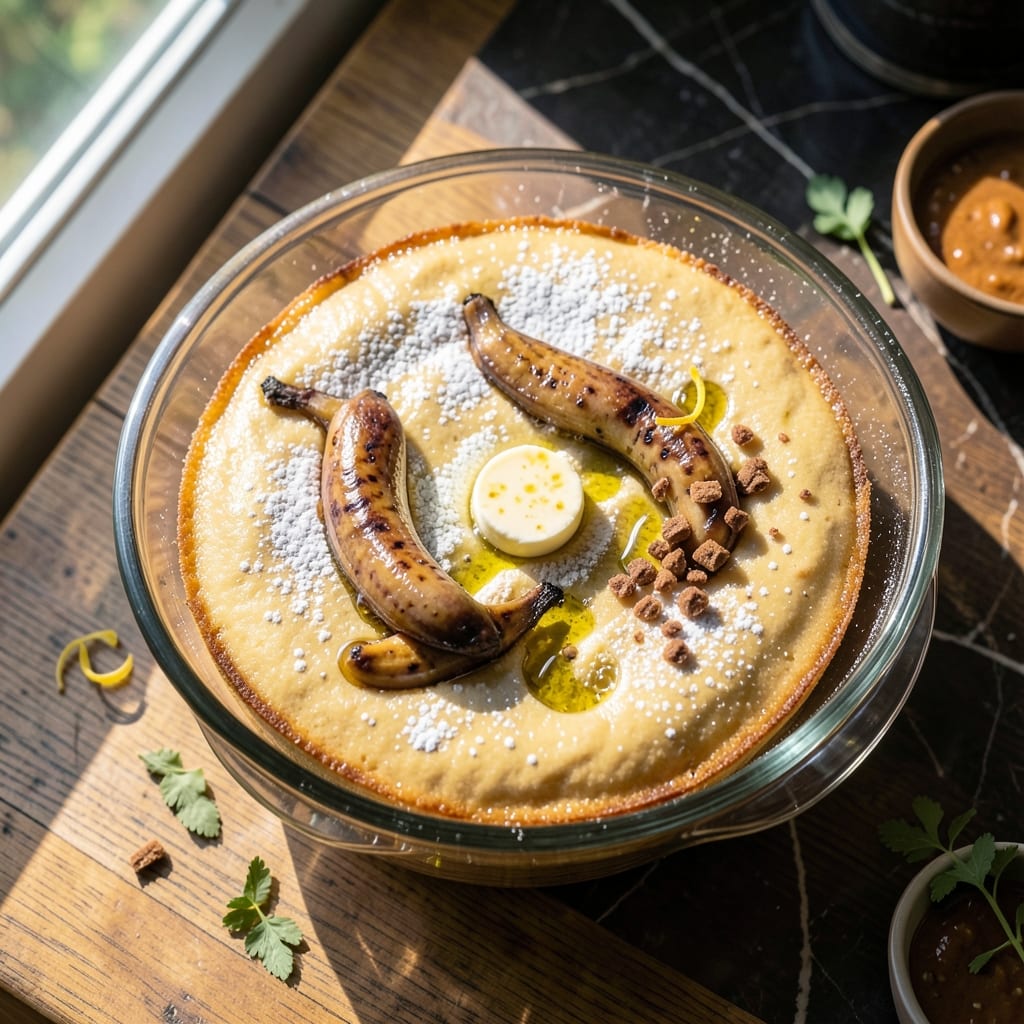
This gluten-free banana cake with rice flour delivers all the moist, tender goodness of classic banana bread—but with a lighter, fluffier texture that surprises even skeptics. The secret lies in rice flour’s unique ability to absorb moisture without heaviness, creating a cake that’s naturally sweet, fragrant, and perfectly balanced. Unlike traditional wheat-based recipes, this version stays tender for days without drying out.
Baked at 350°F for about 30 minutes, this recipe transforms ripe bananas into a delicate, golden cake with a subtle nutty undertone from the rice flour. The method is straightforward: mix wet and dry ingredients separately, then combine gently to avoid overmixing—key for maintaining that signature fluffiness. For extra dietary flexibility, flax eggs and coconut oil can easily replace traditional binders, making it adaptable for vegan diets too.
Ingredients for banana cake with rice flour
Ripe bananas and rice flour create a gluten-free cake that's moist, tender, and surprisingly fluffy.
| Ingredient | Amount | Notes |
|---|---|---|
| Ripe Bananas 🍌 | 3 medium | Peeled, mashed thoroughly |
| White Rice Flour 🌾 | 2 cups | Fine grind preferred |
| Granulated Sugar 🍚 | 1 cup | Organic preferred |
| Brown Sugar 🍯 | ½ cup | Packed lightly |
| Extra-Virgin Olive Oil 🫒 | ¾ cup | For moisture and richness |
| Unsalted Butter 🧈 | ½ cup | Softened, not melted |
| Large Eggs 🥚 | 2 whole | Room temperature preferred |
| Vanilla Extract 🌿 | 2 tsp | Pure, high-quality |
| Baking Soda 🧂 | 1 tsp | Freshly opened package |
| Salt 🧂 | ½ tsp | Fine sea salt |
| Almond Extract 🌿 | ½ tsp | Optional, for depth |
| Walnuts 🌰 | 1 cup | Chopped, toasted |
| Chopped Walnuts 🌰 | ¼ cup | For topping |
Rice flour is the star here—Bob's Red Mill or Anthony's Goods are the gold standard for fine grind. Look for packages labeled 'white rice flour' to avoid gritty textures. Ripe bananas are non-negotiable; the darker the spots, the sweeter and more flavorful your cake. I always buy organic bananas from Whole Foods or my local farmers market for that extra punch. The walnuts? Toast them yourself—10 minutes at 350°F brings out their natural oils and flavor. For a nut-free version, omit entirely or substitute with chopped dried apricots.
No rice flour? Tapioca starch or sorghum flour can substitute at a 1:1 ratio, though texture will differ slightly. Brown sugar can be swapped for white, but the molasses content adds subtle depth. Eggs are essential for structure, but flax eggs (1 tbsp ground flaxseed + 3 tbsp water per egg) work beautifully for vegan adaptations. The olive oil and butter combo ensures moisture without heaviness—don't skip the butter, even in vegan versions (use vegan butter). For extra richness, add 1 tbsp coconut oil to the wet ingredients. The almond extract is optional but adds a sophisticated note that pairs perfectly with the nutty rice flour.
Store leftovers in an airtight container at room temperature for 2 days or refrigerate for up to 5 days. For longer storage, wrap tightly in plastic wrap and freeze for 3 months. The cake reheats beautifully—30 seconds in the microwave restores that fresh-baked texture. I always bake an extra batch and freeze half; it's perfect for quick breakfasts or after-school snacks. The walnut topping stays crisp for 24 hours if stored separately in the freezer.
Why You'll Love This Recipe
- No Muffin Tin Needed: I swear by this trick—just mash those bananas, mix in the rice flour and sugars, and pour into a greased pan. No sifting, no folding, no stress. The olive oil keeps it moist without extra fuss.
- Moist Without the Gluten: That rice flour? It’s the secret weapon. Unlike heavy flour blends, it gives a tender crumb that stays soft for days. Honestly, I’ve had this cake last five days in my fridge—still perfect.
- Sweet-Savory Flex: Brown sugar for depth, granulated for brightness, and just a touch of olive oil for richness. Top it with walnuts or cinnamon, or eat it plain—it works every time. (Yes, even on a Tuesday night.)
- Budget Breakfast Win: Ripe bananas? Free if you’re like me and let them overripen. Rice flour’s cheap, and you’ll use half a cup of sugar. Feed a crowd for under $5, and no one will guess it’s budget-friendly.
Step-by-step instructions for banana cake with rice flour
Here's the precise method to achieve a perfectly light, gluten-free banana cake with a moist crumb and nutty finish.
Prepare the Banana Mixture
In a medium bowl, mash the 3 medium ripe bananas thoroughly until completely smooth—no lumps should remain. The texture should be like thick pudding. I press the mashed bananas through a fine-mesh sieve to remove any remaining skin particles, which ensures a silky batter. This step is crucial for the cake's tenderness, as rice flour lacks the gluten structure of wheat flour.
In a separate small bowl, whisk together the 1 cup granulated sugar, 0.5 cup packed brown sugar, 0.75 cup extra-virgin olive oil, 0.5 cup softened unsalted butter, 2 whole large eggs, 2 teaspoons vanilla extract, 1 teaspoon baking soda, 0.5 teaspoon salt, and 0.5 teaspoon almond extract (if using). The mixture should be smooth and well combined, with the sugars fully dissolved. The olive oil and butter provide moisture and richness, while the baking soda ensures proper rise despite the absence of gluten.
Combine Wet and Dry Ingredients
Gradually add the mashed bananas to the wet mixture while stirring gently with a spatula. The batter will thicken slightly as the rice flour absorbs moisture. In a separate bowl, sift in the 2 cups white rice flour to avoid clumping. Gently fold the flour into the wet mixture until just combined—overmixing can develop a slight toughness in the texture. The batter should be thick but pourable, resembling a dense cake batter.
Fold in the 1 cup chopped, toasted walnuts evenly throughout the batter. Toasting the walnuts first enhances their flavor and prevents them from absorbing too much moisture from the batter. If the batter appears too thick, add 1-2 tablespoons of milk or water to achieve a smooth consistency. The rice flour batter behaves differently than wheat flour, so adjust as needed to ensure it flows easily when poured into the pan.
Prepare the Pan and Bake
Preheat your oven to 350°F and grease an 8-inch round cake pan or 9x13-inch baking dish generously with butter or oil, then dust lightly with rice flour to prevent sticking. Pour the batter evenly into the prepared pan and smooth the top with a spatula. Sprinkle the 0.25 cup chopped walnuts evenly over the top for added texture and crunch.
Bake for 35-40 minutes until a toothpick inserted into the center comes out clean. The cake should be golden brown on top and slightly pulled away from the edges of the pan. Rice flour cakes can dry out more quickly than wheat-based cakes, so keep a close eye on them after 30 minutes to avoid overbaking. If the top browns too quickly, tent the pan loosely with aluminum foil to prevent over-browning while allowing the cake to finish cooking.
Cool and Serve
Remove the cake from the oven and let it cool in the pan for 10 minutes. This step allows the cake to set slightly and makes it easier to remove without breaking. Transfer the cake to a wire rack to cool completely before slicing. The cake will firm up as it cools, making it easier to serve without crumbling.
Serve the cake at room temperature for the best texture. The gluten-free rice flour base creates a moist, slightly dense crumb with a delicate crumb structure. The walnuts add a satisfying crunch and nutty depth, balancing the natural sweetness of the bananas. Store any leftovers in an airtight container at room temperature for up to 3 days or refrigerate for up to 5 days for maximum freshness.
Pro Tips For Making Banana Cake With Rice Flour
- Mash Bananas Properly: I learned this the hard way—when bananas are too chunky, the cake turns out dense and uneven. Use a fork to smash them against the bowl’s sides until smooth, then press through a fine-mesh sieve to remove fibers. (Yes, it’s extra work, but your cake’s texture will thank you.)
- Preheat Pan and Oil: Rice flour cakes stick like glue if the pan isn’t hot enough. Heat your oven to 350°F (175°C) and grease the pan thoroughly—I mean generously—with olive oil, then dust with a little rice flour. Tap out excess before pouring batter; this guarantees easy release.
- Don’t Overmix the Batter: After burning three batches, I finally figured out that rice flour batter behaves like gluten-free dough—handle it like eggshells. Stir just until combined; lumps are fine, but whipping it turns the cake gummy. A spatula’s job is mixing, not aerating.
- Use Brown Sugar Last: The caramelized bits in brown sugar burn faster than granulated sugar. Mix the wet ingredients first (mashed bananas, olive oil, granulated sugar), then fold in the brown sugar right before baking. This keeps the cake moist without bitter edges. (Your future self will notice the difference.)
Health benefits of this recipe
Gluten-Free Advantage
This banana cake delivers all the moist, tender goodness of traditional banana bread but without gluten—thanks to white rice flour as the base. Rice flour creates a naturally low-FODMAP and easily digestible texture, making it ideal for those with gluten sensitivities or celiac disease. Unlike wheat flour, it absorbs moisture differently, preventing that dry, crumbly texture common in gluten-free baking. 🌾
Natural Sweetness Boost
The 3 ripe bananas provide a concentrated dose of potassium and vitamin B6, both essential for energy metabolism. Ripe bananas are sweeter and more flavorful, reducing the need for added sugar while keeping the cake moist. The brown sugar adds a touch of molasses depth, enhancing the natural caramel notes from the bananas without spiking blood sugar as quickly as white sugar.
Heart-Healthy Fats
The combination of extra-virgin olive oil and unsalted butter provides monounsaturated fats that support cardiovascular health. Olive oil, in particular, contains polyphenols that act as antioxidants, reducing inflammation. For a vegan adaptation, replacing butter with coconut oil maintains these heart-healthy benefits while adding a subtle tropical note to the cake.
Protein Without the Guilt
While not a high-protein dessert, this cake includes eggs and walnuts, which contribute complete protein and plant-based omega-3 fatty acids. The walnuts also provide copper and magnesium, supporting nerve function and muscle relaxation. Toasting the walnuts enhances their flavor and makes the texture satisfyingly crunchy without adding excess fat.
Digestive Benefits
Rice flour is naturally low in fiber but easily digestible, making this cake gentler on the stomach than whole-grain alternatives. The baking soda aids digestion by neutralizing stomach acid, while the vanilla extract contains compounds that may help soothe the digestive tract. For those with nut allergies, omitting walnuts and adding dried apricots provides fiber and vitamin A without the risk of an allergic reaction.
Blood Sugar Balance
The low glycemic index of rice flour and the natural sweetness of ripe bananas help stabilize blood sugar levels better than refined flour cakes. The almond extract (optional) adds a subtle depth that enhances sweetness perception, allowing you to reduce sugar slightly without sacrificing flavor. Pairing this cake with a protein-rich topping like Greek yogurt further balances blood sugar spikes after eating.
Nutrition facts
Frequently asked questions
Why does this recipe use rice flour instead of regular flour?
Rice flour creates a naturally gluten-free, light, and tender texture that absorbs moisture differently than wheat flour. This prevents that dense, dry result common in gluten-free baking while keeping the cake wonderfully fluffy. The subtle nutty flavor also complements the bananas beautifully.
Can I make this cake vegan?
Replace the 2 eggs with 2 flax eggs (1 tbsp ground flaxseed + 3 tbsp water per egg) and use vegan butter or coconut oil instead of regular butter. The texture will still be moist and delicious, though slightly denser. The walnuts remain a great vegan-friendly addition too!
How do I know when the cake is fully baked?
Insert a toothpick into the center—it should come out clean with just a few moist crumbs. Rice flour cakes can dry out faster than wheat-based ones, so start checking after 30 minutes at 350°F. If the top browns too quickly, tent with foil to prevent over-browning while allowing the center to finish cooking.
What if my batter is too thick?
Rice flour absorbs moisture differently, so thin the batter with 1-2 tablespoons of milk or water until it reaches a smooth, pourable consistency. Stir gently to avoid incorporating air bubbles. If it's still too thick after adding liquid, let it rest for 5 minutes—sometimes rice flour needs time to adjust to the wet ingredients.
Can I use this recipe for banana bread instead?
Yes! Simply pour the batter into a 9x5-inch loaf pan instead of a round cake pan. Bake for 45-50 minutes at 350°F until the center is set. The texture will be slightly denser than traditional banana bread but still moist and delicious. Add cinnamon or chocolate chips for extra flavor!