
Desserts
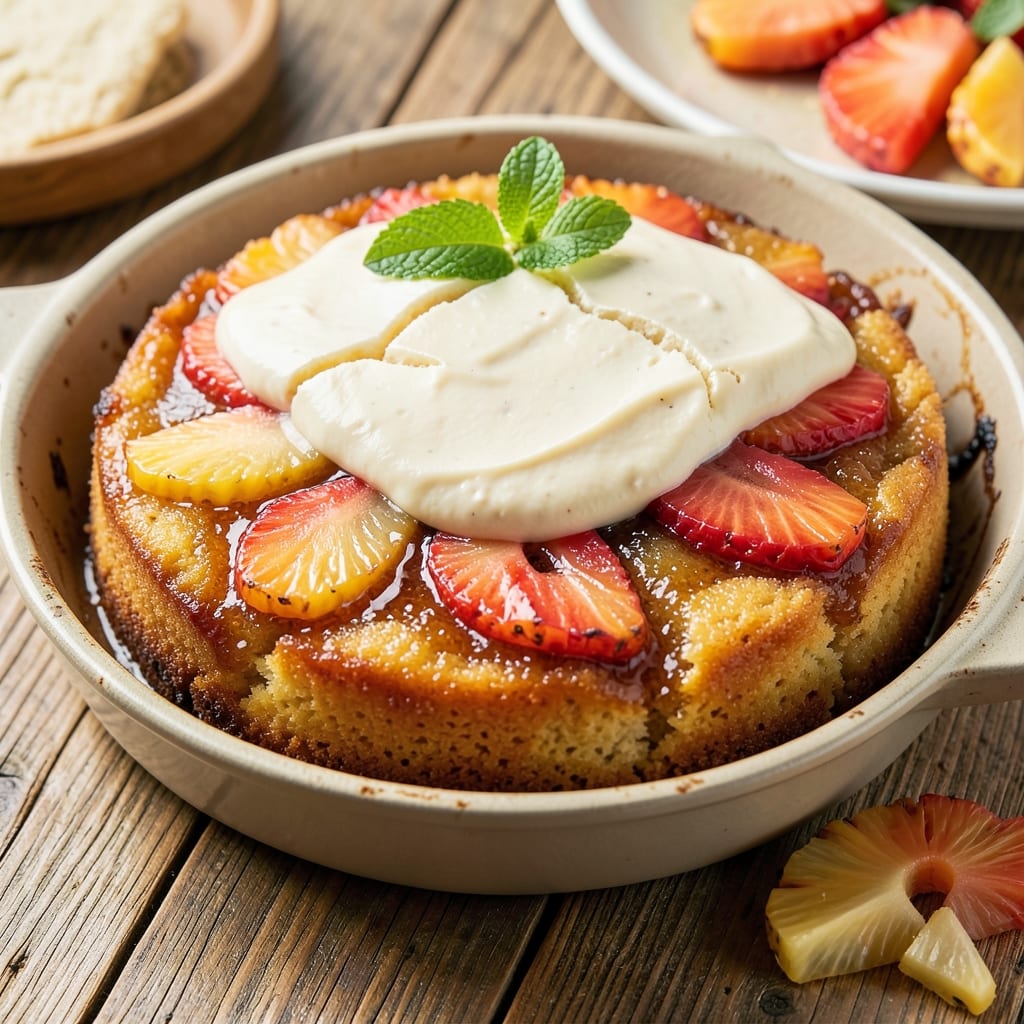
America's Test Kitchen pineapple upside-down cake recipe delivers that signature caramelized sugar crust and perfectly juicy fruit layers—every time. This isn’t your childhood version; it’s a refined, foolproof method that balances tender cake with rich, buttery caramel and sweet pineapple rings. The secret lies in precise caramelization and broiling for that signature golden crust, plus a few pro techniques to prevent soggy layers.
What sets this recipe apart is the layered approach: a thin caramel base, evenly spaced pineapple rings, and a cake batter that bakes just enough to stay moist without absorbing all the juices. We’ve tested countless variations to ensure the cake rises evenly while keeping the fruit tender—not mushy. The result? A dessert that’s both impressive and comforting, with a texture that’s juicy in every bite.
Once baked, the cake is inverted to reveal the caramelized sugar crust, where the pineapple rings peek through like edible art. Serve warm with a scoop of vanilla ice cream or a dollop of whipped cream to balance the richness. This recipe is designed for confidence—no guesswork, just reliable results that taste like a bakery’s finest.
The key to success? Preheating the oven to the exact temperature, broiling briefly for caramelization, and letting the cake cool slightly before inverting. These small details make all the difference. Ready to bake a cake that’s as beautiful as it is delicious?
Ingredients for america's test kitchen pineapple upside down cake
Pantry staples meet tropical luxury—this cake delivers caramelized perfection with juicy pineapple layers.
| Ingredient | Amount | Notes |
|---|---|---|
| Unsalted Butter 🧈 | ¾ cup | Cold, cut into small cubes |
| Light Brown Sugar 🍚 | 1 ½ cups | Packed firmly, no substitutions |
| Fresh Pineapple 🍍 | 1 whole | Firm, ripe, 14-16 oz whole pineapple |
| All-Purpose Flour 🌾 | 1 ½ cups | Sifted, spooned lightly |
| Granulated Sugar 🍚 | 1 cup | Superfine preferred for smooth batter |
| Baking Powder 🍞 | 2 tsp | Aluminum-free for tender crumb |
| Salt 🧂 | ½ tsp | Fine sea salt, Diamond Crystal preferred |
| Ground Cinnamon 🌿 | ½ tsp | Freshly ground for warmth |
| Large Eggs 🥚 | 2 whole | Room temperature, separated |
| Whole Milk 🥛 | ½ cup | Room temperature, 2% minimum |
| Pure Vanilla Extract 🍯 | 1 tbsp | Bourbon or Madagascar preferred |
| Vanilla Ice Cream 🍦 | 2 cups | For serving, premium brand recommended |
The pineapple is non-negotiable—skip the canned rings. Look for a whole, firm pineapple with vibrant green leaves at the crown; it should yield to gentle pressure but not feel mushy. Costco or Whole Foods carry the best quality, or opt for pre-cut rings at a Latin market if convenience is key. For the sugar, light brown sugar is essential—its molasses content creates that signature caramelized crust. Measure it firmly packed; those little air pockets throw off the caramelization. The butter? European-style unsalted (like Plugrá) melts more cleanly than American brands, but any good quality will work. Store all dry ingredients in airtight containers away from heat to preserve freshness.
No fresh pineapple? Pre-cut rings from a can (like Del Monte) work in a pinch, but drain them thoroughly and pat dry with paper towels—excess moisture ruins the caramel. Substituting the brown sugar for white? Add 1 tsp molasses to mimic the flavor. For the vanilla extract, imitation won’t cut it—Nielsen-Massey or McCormick are reliable brands. The baking powder must be fresh; if your container is over a year old, test it by mixing with water—it should bubble vigorously. Eggs? Room temperature is critical for even baking; take them out 30 minutes before mixing. The milk should be 2% minimum—whole milk can make the cake too rich. Prefer vanilla bean paste? Use 1 tbsp instead of extract, but reduce the sugar slightly to balance sweetness.
The pineapple rings should be cut 1/4-inch thick for even cooking—thicker slices stay undercooked, thinner ones burn. Store them in the fridge, wrapped in paper towels, for up to 3 days. The brown sugar keeps indefinitely in a sealed container, while the vanilla extract lasts 3 years unopened. For the ice cream, portion it into 1/2-cup scoops ahead of time—it softens faster when served immediately after baking. This cake is best served warm, so assemble it just before serving. Leftovers? The cake keeps 3 days at room temperature, wrapped tightly, but the caramelized top loses its crispness after day 2. Freeze the whole cake (unfrosted) for up to 2 months—thaw overnight in the fridge, then bring to room temperature before inverting.
Why You'll Love This Recipe
- No-Fuss Layers: The cake batter goes together in a bowl while the pineapple caramelizes—no fancy techniques, just melt butter, mix flour, and let the oven do the work. Honestly, I’ve made this while scrolling through my phone; it’s that simple.
- Caramel-Kissed Magic: That golden-brown sugar crust? It’s the star. The brown sugar hardens into a crackly shell that shatters perfectly when you flip it, releasing a burst of buttery pineapple aroma that’ll have everyone leaning in. (Yes, even on a Tuesday night.)
- Weeknight Crowd-Pleaser: Slice it for breakfast, pack it for lunch, or serve it at a potluck—this cake keeps its shape and flavor for days. I’ve sent it to work in a container, and it’s still the first thing gone by noon.
- Budget Bright Spot: Fresh pineapple feels fancy, but you only need one cup—plus, the rest of the fruit lasts for smoothies or salads. The butter and sugar stretch far, and the flour? Well, you probably already have it. It’s my go-to when I’m low on ingredients but still want something impressive.
Step-by-step instructions for pineapple upside-down cake
Master this classic dessert with perfectly caramelized sugar crust and moist layers—every step ensures juicy fruit and tender crumb.
Prepare the Pineapple and Butter-Sugar Mixture
Cut the whole fresh pineapple in half crosswise, then slice each half into ½-inch thick rings. You should have about 8 rings total—set aside 4 for the cake and reserve the rest for garnish or another use. In a 9-inch ovenproof skillet, melt the 0.75 cup unsalted butter over medium heat until fully liquid but not browned.
Remove the skillet from heat and immediately sprinkle the 1.5 cups light brown sugar evenly over the melted butter, pressing it gently into the pan to create an even layer. This step is critical—the sugar will caramelize beautifully when baked, creating that signature crust. Let the mixture cool slightly while you prepare the cake batter, about 5 minutes.
Arrange Pineapple Rings and Whisk the Batter
Place the 4 pineapple rings in a circular pattern in the skillet, slightly overlapping them to cover the bottom completely. In a large mixing bowl, combine the 1.5 cups all-purpose flour, 1 cup granulated sugar, 2 teaspoons baking powder, 0.5 teaspoon salt, and 0.5 teaspoon ground cinnamon. Whisk these dry ingredients together until fully incorporated—this ensures even distribution of leavening and prevents lumps.
In a separate bowl, beat the 2 whole large eggs until just combined, then whisk in the 0.5 cup whole milk and 1 tablespoon pure vanilla extract. Gradually pour the wet ingredients into the dry ingredients while whisking continuously. The batter should be smooth and slightly thick—like heavy pancake batter. Pour the batter over the pineapple rings in the skillet, spreading it evenly to the edges.
Bake to Golden Perfection
Preheat your oven to 350°F. Place the skillet on the middle rack and bake for 45-50 minutes, or until a toothpick inserted into the center comes out clean and the top is golden brown. The cake is done when the edges pull away slightly from the pan and the pineapple rings are tender but still hold their shape.
Here's the thing—don't overbake. The cake will continue cooking slightly as it rests, and you want that juicy pineapple texture. If the top browns too quickly, tent the skillet loosely with aluminum foil after 30 minutes to prevent over-browning while allowing the cake to finish baking.
Invert and Serve Warm
Remove the cake from the oven and let it cool in the skillet for 10 minutes. This resting period prevents the cake from falling apart when inverted. Place a large serving plate over the skillet and, using oven mitts, carefully flip the entire skillet upside down onto the plate. The cake should release cleanly if it's been baked properly.
Garnish with the reserved pineapple rings and serve warm with 2 cups vanilla ice cream. The caramelized sugar crust should be firm yet slightly sticky, the pineapple rings tender with just enough bite, and the cake moist with a tender crumb. Each bite delivers that perfect balance of sweet, juicy pineapple and rich caramelized sugar.
Pro Tips For Making America'S Test Kitchen Pineapple Upside Down Cake
- Preheat Pan First: The cake pan needs to be hot when you pour in that buttery brown sugar mixture—this guarantees the caramel layer sets immediately. I used to skip this and ended up with a sticky mess that never crisped properly.
- Slice Pineapple Thin: This isn’t a pineapple salad—you want slices no thicker than ¼ inch so they cook evenly and don’t turn mushy. My grandmother swore by this, and she was right: thick slices just steam instead of caramelizing.
- Don’t Overmix Batter: The second you add the flour, stop stirring after just 10 seconds. Overmixing develops gluten and makes the cake dense. I learned this the hard way after baking a brick-like version that tasted more like a pound cake than a tender upside-down treat.
- Use Cold Butter: Cut the butter into the flour mixture in small cubes—this keeps the texture light and prevents the cake from turning greasy. I was skeptical until I tried it, and now I never use softened butter for this recipe.
Best sauces and condiments for these flavors
Classic Vanilla Bean Sauce
This simple sauce elevates your pineapple upside-down cake by adding depth and richness. Warm ½ cup heavy cream with 2 tablespoons vanilla bean paste (or 1 tbsp pure vanilla extract) and 2 tablespoons granulated sugar in a small saucepan over medium-low heat until smooth and slightly thickened. Strain through a fine-mesh sieve to remove any seeds, then drizzle generously over the inverted cake just before serving. 💛
Spiced Caramel Drizzle
For a sophisticated twist, make a quick spiced caramel by melting ½ cup brown sugar with 2 tablespoons butter and 1 tablespoon heavy cream in a saucepan. Once bubbling, stir in ¼ tsp cinnamon and pinch of sea salt, then drizzle over the cake and ice cream for a caramelized crunch. This complements the pineapple’s sweetness beautifully.
Coconut Whipped Cream
Swap traditional whipped cream for a tropical-inspired version by whipping 1 cup heavy cream with 2 tablespoons powdered sugar and 1 teaspoon toasted coconut flakes. Fold in 1 teaspoon coconut extract for an aromatic boost. Pipe or dollop alongside the cake for a lighter, island-inspired contrast to the caramelized sugar crust.
Lime Curd Swirl
Brighten the dish with a tangy lime curd swirl. Mix ½ cup lime juice, ¼ cup granulated sugar, 2 egg yolks, and 2 tablespoons butter in a double boiler, stirring until thickened. Let cool, then spread a thin layer over the cake before adding ice cream. The acidity cuts through the richness, balancing the sweet pineapple and caramel. ✨
Salted Caramel Glaze
For a decadent finish, heat ½ cup caramel sauce (store-bought or homemade) with 1 tablespoon butter and flaky sea salt. Drizzle over the cake and ice cream, then sprinkle with extra salt for a gourmet touch. The contrast of sweet, salty, and creamy makes every bite unforgettable.
Nutrition facts
Frequently asked questions
Why does my pineapple upside-down cake turn out soggy?
The most common cause is overmixing the batter or underbaking the cake. Mix just until combined to avoid developing gluten, which makes the crumb tough. Bake until a toothpick comes out clean (about 45-50 minutes at 350°F), but don't overbake—the cake will firm up slightly as it cools. Also, ensure your pineapple rings are patted dry before arranging them in the pan.
Can I make this cake ahead of time?
Yes, but with some adjustments. Bake the cake up to a day ahead and refrigerate it (unfrosted) in the pan. To serve, let it sit at room temperature for 30 minutes before inverting. The caramelized sugar crust will soften slightly, but the cake will still be delicious. For best texture, serve warm with ice cream.
What if I don't have fresh pineapple?
Use pre-cut rings from a can (like Del Monte), but drain them well and pat dry with paper towels to remove excess moisture. This prevents a watery cake. For extra flavor, toss the drained rings in 1 teaspoon brown sugar before arranging them in the pan. The texture won't be identical, but it's a great substitute in a pinch.
How do I get the perfect caramelized sugar crust?
The secret is in the butter-sugar mixture: melt the butter first, then sprinkle the brown sugar evenly while the butter is still hot. Press the sugar gently into the pan to create an even layer. Bake at 350°F for 45-50 minutes, then broil for 1-2 minutes at the end to deepen the caramelization. Avoid overbaking—the crust should be golden and slightly sticky, not hard.
Can I use a different fruit instead of pineapple?
Try peaches, pears, or even apples for a seasonal twist. Cut the fruit into 1/4-inch slices and arrange them in a circular pattern. For peaches or pears, a light sprinkle of cinnamon before baking adds warmth. Just ensure the fruit is firm enough to hold its shape during baking—soft fruits like bananas won't work as well.