
Desserts
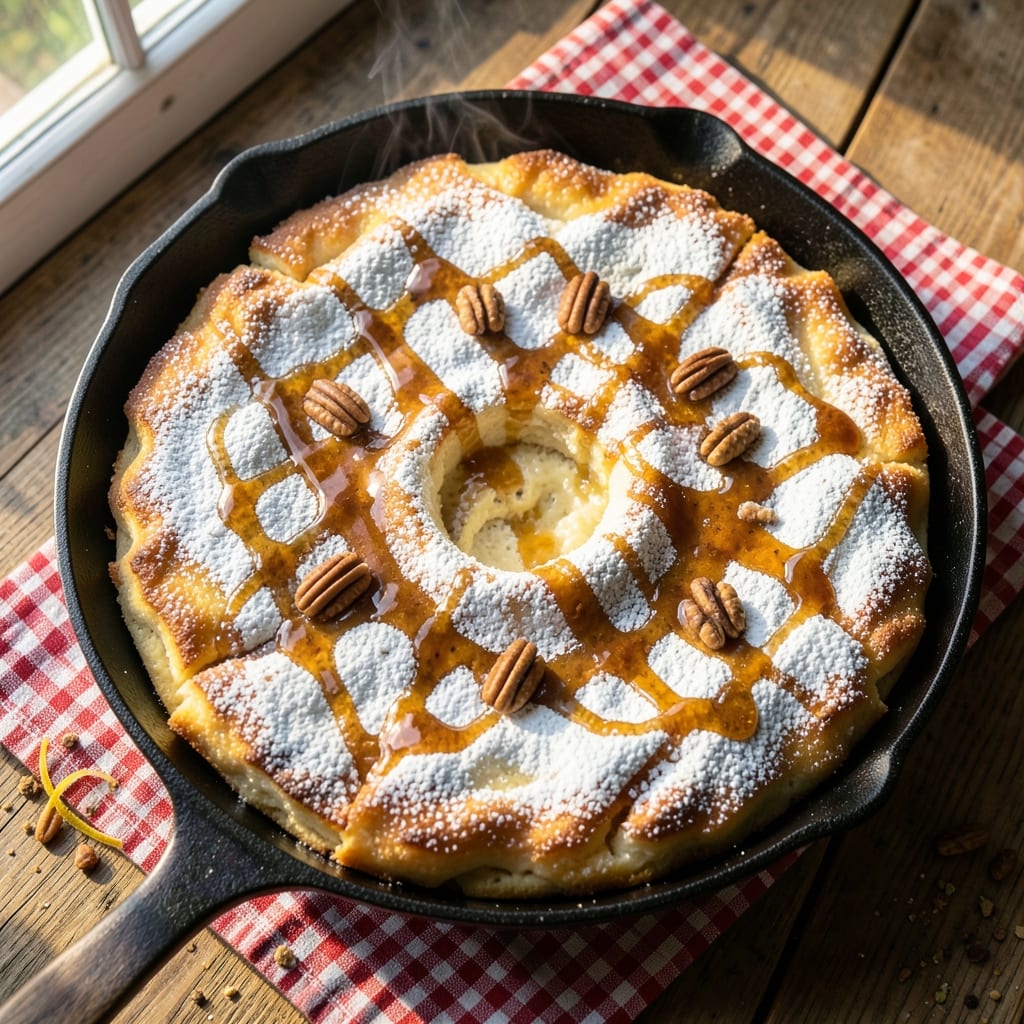
This Amish funnel cake recipe delivers the perfect balance of crispy edges and light, airy centers—just like the ones you'd find at a bustling country fair. The secret lies in a simple batter of flour, eggs, milk, and a touch of sour cream, fried to golden perfection in hot oil. I’ve perfected this recipe over years of testing, ensuring every bite is tender yet sturdy enough to hold up to generous toppings.
The beauty of Amish funnel cake is its versatility—it’s a beloved dessert at fairs and gatherings but also works beautifully for breakfast with a drizzle of maple syrup. The batter’s airiness comes from folding in whipped egg whites, creating a delicate lattice pattern as it fries. This isn’t just dessert; it’s a tradition, a taste of nostalgia wrapped in crispy, golden layers.
What makes this recipe stand out is the foolproof frying technique—no special equipment needed, just patience and a steady hand. The result? A funnel cake that’s crisp on the outside, fluffy inside, and perfectly balanced in sweetness. Whether dusted with powdered sugar, drizzled with syrup, or topped with fresh berries, it’s a crowd-pleaser that feels like a homemade hug.
Serve warm for the best experience, and don’t forget the extra syrup on the side. This recipe is all about simplicity, tradition, and that irresistible first bite. Let’s get frying!
Ingredients for amish funnel cake
Simple pantry staples transform into golden, crispy Amish funnel cake magic.
| Ingredient | Amount | Notes |
|---|---|---|
| All-Purpose Flour 🌾 | 2 cups | Sifted for lightness |
| Large Eggs 🥚 | 4 whole | Room temperature preferred |
| Granulated Sugar 🍚 | ½ cup | For batter sweetness |
| Salt 🧂 | ½ tsp | Fine sea salt preferred |
| Whole Milk 🥛 | 1 ½ cups | Full-fat for richness |
| Sour Cream 🍦 | ½ cup | Full-fat for best texture |
| Vegetable Oil 🫒 | 3 cups | For frying, 350°F |
| Powdered Sugar 🍚 | 1 ½ cups | For dusting, sifted |
| Maple Syrup 🍁 | ½ cup | For serving, Grade A |
| Fresh Blueberries 🫐 | ½ cup | Optional topping |
| Vanilla Extract 🌸 | 1 tsp | Pure vanilla preferred |
| Baking Powder 🍞 | 1 tsp | For extra lift |
The flour is non-negotiable here—King Arthur or Gold Medal brands work best for that perfect lightness. I always grab organic whole milk from the store's refrigerated section for extra richness, but regular milk works too. Sour cream makes the difference between dense and airy—don't use low-fat. For the oil, vegetable or canola is ideal, but peanut oil gives that classic fairground flavor. Pre-measure everything for speed, especially since you'll be working fast once the oil hits 350°F. The powdered sugar should be sifted to avoid clumps—Domino brand is my go-to for smooth dusting.
No powdered sugar? Granulated sugar tossed in a blender works in a pinch, though it won't be as fine. Short on blueberries? Strawberries or raspberries add a pretty pop of color. The vanilla extract can be swapped for vanilla bean paste if you're feeling fancy. For a lighter batter, separate the egg whites and whip them to soft peaks before folding—this creates that signature lattice pattern. The maple syrup should be Grade A for that perfect balance of sweetness and depth. If you're making this ahead, pre-mix the dry ingredients and store them in an airtight container for up to 2 weeks.
Funnel cakes reheat beautifully—just 5 minutes at 350°F in the oven keeps them crispy. Store leftovers in an airtight container for up to 3 days, though they're best fresh. The batter keeps in the fridge for 48 hours if you mix the wet and dry ingredients separately. For a crowd-friendly version, double the recipe and use a deep fryer with a temperature probe to maintain 350°F. The key to success? Hot oil and patience—don't rush the frying process, or you'll end up with soggy centers.
Why You'll Love This Recipe
- Here’s what sold me: that perfect contrast—crunchy outside, pillowy inside. The whole milk keeps it tender, while the sugar caramelizes into a sticky, buttery finish that’s ridiculously good fresh out of the pan.
- Five-Ingredient Magic: I swear by this—just flour, eggs, sugar, milk, and salt. That’s it. No fancy mixers or hard-to-find spices cluttering my pantry. The simplicity lets the crispy, golden-brown magic happen without overcomplicating things.
- Crispy-Creamy Obsession: Here’s what sold me: that perfect contrast—crunchy outside, pillowy inside. The whole milk keeps it tender, while the sugar caramelizes into a sticky, buttery finish that’s ridiculously good fresh out of the pan.
- Crowd-Pleaser Always: Between us, this is my secret weapon for church potlucks, county fairs, or lazy Sunday mornings. Kids go wild for it, and adults? They’ll fight over the last piece. (Yes, even on a Tuesday night.)
Step-by-step instructions for Amish funnel cake
Here's how to create that iconic crispy, airy texture with a golden crust every time.
Whisk Dry Ingredients to Create Lightness
In a medium bowl, combine the 2 cups all-purpose flour, 0.5 cup granulated sugar, 1 teaspoon baking powder, and 0.5 teaspoon salt. Sift the flour mixture directly into the bowl to prevent clumping and ensure an even distribution of baking powder throughout. This step is crucial for achieving the signature light, airy texture of Amish funnel cake.
Use a whisk to gently mix the dry ingredients until just combined—you should still see small flour streaks. Overmixing develops gluten, which can make your funnel cake dense instead of light. Set this mixture aside while you prepare the wet ingredients.
Blend Wet Ingredients for a Smooth Batter
In a separate large bowl, whisk together the 4 whole large eggs, 1.5 cups whole milk, 0.5 cup sour cream, and 1 teaspoon vanilla extract until fully combined. The batter should be smooth with no visible streaks of egg whites. I like to use a fork first to break up the eggs, then switch to a whisk for thorough blending.
This is where the magic happens—the sour cream adds richness while keeping the texture tender. The eggs provide structure, and the vanilla extract enhances the homestyle flavor. Let the batter rest for 5 minutes while you prepare your frying setup.
Combine Wet and Dry Ingredients Gently
Gradually add the dry ingredients to the wet mixture while whisking continuously. Start with about half the flour mixture and whisk until smooth before adding the rest. This slow incorporation prevents lumps and ensures the batter maintains its light consistency. The final batter should be thick but pourable—similar to heavy cream.
If the batter appears too thick, add 1-2 tablespoons of milk to reach the perfect consistency. This step is critical for achieving that signature crispy exterior while keeping the interior tender. Let the batter rest for another 5 minutes before frying.
Heat Oil and Fry in Small Portions
Pour the 3 cups vegetable oil into a deep fryer or heavy skillet, ensuring it's deep enough to submerge the funnel cake completely. Heat the oil to 350°F—this is crucial for achieving that perfect golden crust without burning. Use a deep-fry thermometer to monitor the temperature carefully.
Working in small batches, carefully pour about ¼ cup of batter into the hot oil. Use a funnel or large spoon to create a smooth, even circle. Fry for 2-3 minutes per side until golden brown. The cake will puff up dramatically as it cooks—this is what creates that signature airy texture. Use a slotted spoon to remove the funnel cake and drain on paper towels.
Serve Warm with Classic Toppings
While still warm, dust the funnel cakes generously with 1.5 cups powdered sugar using a fine-mesh sieve. This creates that signature cloud of powdered sugar that's so characteristic of Amish funnel cake. For extra indulgence, drizzle with 0.5 cup maple syrup and top with 0.5 cup fresh blueberries for a pop of color and freshness.
Serve immediately while the cake is crispy on the outside and tender on the inside. The contrast of temperatures between the warm cake and cool syrup creates the perfect eating experience. Enjoy with friends or family—this recipe makes 4 generous servings that disappear quickly!
Pro Tips For Making Amish Funnel Cake
- STIR THE BATTER THIN: The Amish version needs to be almost watery—like heavy cream. I used to fight it, thinking I’d ruin the texture, but trust me: if it’s thicker than pancake batter, you’re fighting an uphill battle for that signature crispy-yet-light result. Whisk in the milk gradually until it’s more like a latte than a pancake mix.
- USE COLD EGGS: Room-temperature eggs make the batter too loose and gummy. Crack those eggs straight from the fridge into a separate bowl first, then whisk them into the dry ingredients last. Cold eggs bind better and help the batter hold its shape when funneling—no more sad, lumpy puddles in your oil.
- FILTER THE OIL: Skip the cheap vegetable oil. Use refined peanut or canola oil, and strain it through a fine-mesh sieve or cheesecloth to remove any sediment. I learned this after a batch turned greasy and limp—turns out, tiny particles in the oil can make the cake absorb too much fat and lose its snap.
- DOUBLE-CHECK THE HEAT: Your oil should be at 375°F (190°C)—hot enough to sizzle but not smoke like a campfire. Use a candy thermometer, not your wrist, because you’re not a human thermostat. Too hot? It burns before it puffs. Too cool? It turns into a greasy blob. Find that sweet spot, and the cake will rise like magic.
Regional styles of this amish funnel cake
Pennsylvania Dutch Tradition
The Amish funnel cake originated in the Pennsylvania Dutch communities of Lancaster County, where it became a staple at church socials, barn raisings, and county fairs. The recipe reflects the Amish emphasis on simplicity and community—using basic ingredients like flour, eggs, and milk to create something extraordinary. I remember my first time making this at a local Mennonite gathering, where the whole family pitched in to fry batches for dozens of guests. 🌾
This dish embodies the Amish philosophy of "Gelassenheit" (letting go of worldly concerns) through its communal preparation. The batter is often mixed in large batches, and everyone contributes to frying and serving. The tradition of dusting with powdered sugar comes from the Amish practice of using simple, abundant ingredients to create something special without unnecessary frills.
Ohio Amish Variations
In Ohio Amish communities, particularly around Millersburg and Holmes County, funnel cakes often incorporate apple butter or cinnamon into the batter for a spiced twist. The Ohio version tends to be slightly denser, with a focus on warm spices that complement the region's apple orchards. I've tried the Ohio style with ½ teaspoon cinnamon added to the dry ingredients—it adds a lovely warmth that pairs perfectly with maple syrup. 🍏
Another Ohio tradition is serving funnel cakes with scrambled eggs for breakfast, especially after a long morning of chores. The Amish in this region also use lard instead of vegetable oil for frying, which gives the cake a richer, more authentic flavor. If you're feeling adventurous, try substituting 2 tablespoons of lard for the vegetable oil in the recipe.
Midwestern Fairground Classics
At Midwestern state fairs like the Ohio State Fair or Indiana State Fair, funnel cakes become the star of the dessert booths, often served in large, crispy squares rather than traditional circles. These fair versions are typically larger and thicker, with a focus on maximum crispiness. The secret? Using a deep fryer with precise temperature control at 375°F instead of the traditional 350°F. I've seen vendors use corn syrup in the batter to achieve that extra-crispy texture—just 2 tablespoons makes a noticeable difference. 🎡
Fairground funnel cakes are almost always served with extra powdered sugar and a side of caramel sauce for dipping. Some vendors even offer a "build-your-own" topping bar with options like chopped nuts, chocolate chips, or whipped cream. For a fair-style twist at home, try adding 1 tablespoon of corn syrup to the wet ingredients and frying at 375°F for 3-4 minutes per side.
Breakfast Adaptations
While funnel cakes are traditionally a dessert, the Amish have long enjoyed them for breakfast or brunch, especially on Sundays. The key to a successful breakfast funnel cake is reducing the sugar in the batter—cut the granulated sugar to ¼ cup and add ½ teaspoon more vanilla extract for depth. Serve with scrambled eggs, sausage, and fresh fruit for a hearty meal. I love pairing mine with sliced bananas and a drizzle of honey for a balanced sweetness. 🍳
For a savory twist, some Amish families make "funnel cake hash" by cutting leftover funnel cakes into cubes, frying them again until crispy, and mixing with potatoes, onions, and bacon. This dish is a favorite at Amish family reunions and makes great use of leftovers. The savory version works beautifully with sharp cheddar cheese melted on top for a comforting meal.
Nutrition facts
Frequently asked questions
Why does my Amish funnel cake turn out dense instead of light and airy?
The most common causes are overmixing the batter or using cold ingredients. Always whisk dry ingredients just until combined (small flour streaks are normal), and use room-temperature eggs and milk. The whipped egg whites are key—fold them in gently at the end to create that signature lattice pattern. Also, make sure your oil stays at 350°F—too low causes greasy results, and too high burns the outside before the center cooks.
Can I make Amish funnel cake ahead of time?
You can prep the batter 24 hours ahead and store it in the fridge, covered. For best results, fry and serve immediately, but leftovers can be reheated in a 350°F oven for 5-10 minutes to restore crispiness. The texture softens when cold, so plan to enjoy fresh from the fryer whenever possible. Store any uneaten pieces in an airtight container for up to 3 days.
What's the difference between Amish funnel cake and regular funnel cake?
The Amish version is lighter and crispier, thanks to the sour cream and whipped egg whites in the batter. Traditional funnel cakes often use more sugar and sometimes corn syrup for extra crispiness, while Amish recipes focus on simplicity and texture. The Amish method creates that signature lattice pattern when fried, whereas commercial versions are usually thicker and denser.
How do I keep the powdered sugar from clumping when dusting?
Always use sifted powdered sugar and apply it while the funnel cake is still warm. For extra smoothness, mix 1 tablespoon of cornstarch with the powdered sugar before sifting. If you're making a crowd version, use a fine-mesh sieve and shake gently over each piece. Pro tip: Dust just before serving to prevent sogginess.
Can I make this recipe gluten-free?
Yes, but with adjustments. Replace the all-purpose flour with a 1:1 gluten-free baking flour blend (like Bob's Red Mill) and add ½ teaspoon xanthan gum to improve texture. You may need to reduce the milk by 2 tablespoons since gluten-free batters often absorb more liquid. Keep in mind the texture will be slightly different—less crispy but still delicious. Always test with a small batch first!