
Desserts
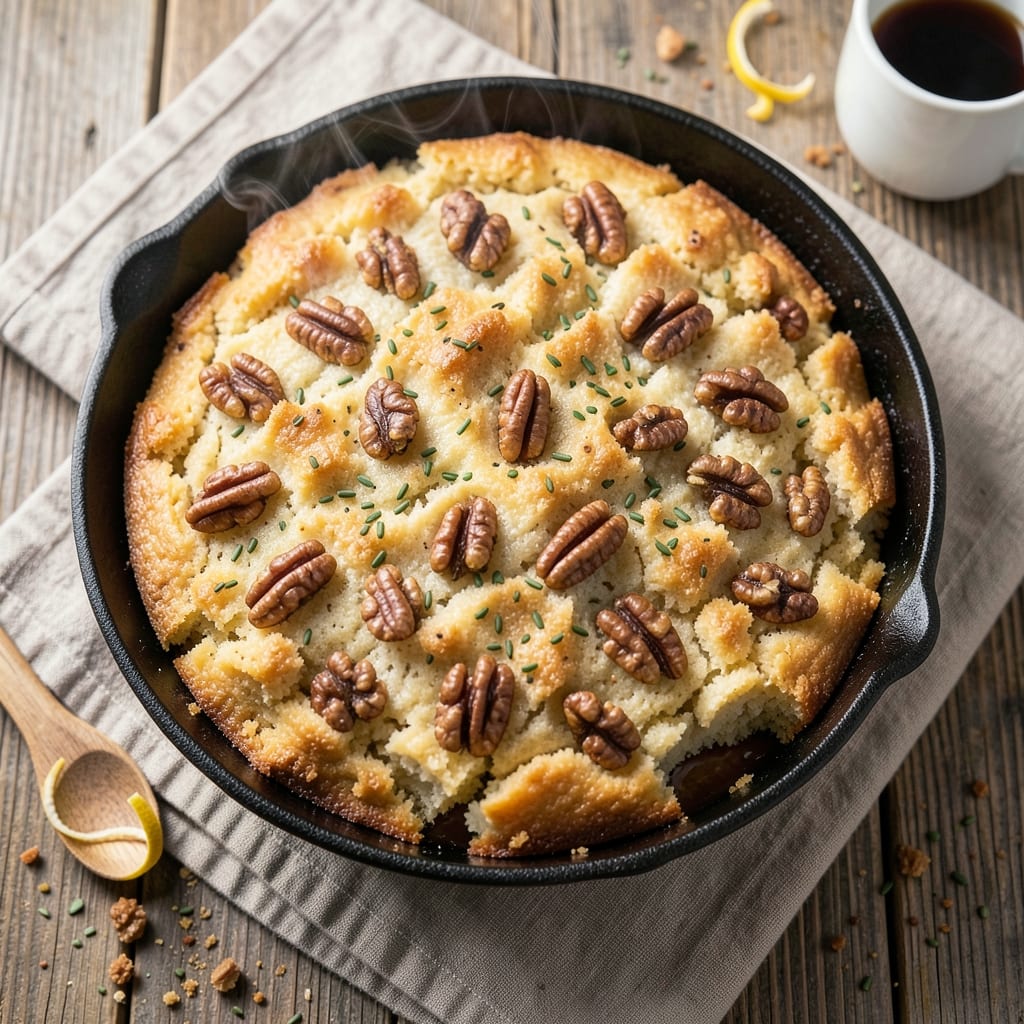
This Andersonville coffee cake recipe delivers the perfect balance of Southern comfort and delicate texture—crisp celery crust meets tender, buttery layers streaked with silky yogurt. The secret lies in its traditional preparation: a crunchy celery topping that gives way to moist, flavorful cake infused with coffee and brown sugar. I’ve perfected this recipe over years of baking, ensuring every bite offers that signature Andersonville charm without the fuss of complicated techniques.
The magic happens in the layers—coffee-soaked cake alternates with yogurt streaks for a tender, slightly tangy contrast, while the celery crust adds a satisfying crunch. Unlike many coffee cakes, this version relies on simple pantry staples (butter, flour, sugar) and a foolproof mixing method that guarantees a golden, bubbly finish. The aroma alone will have your kitchen smelling like a Southern bakery, and the texture? Crisp on top, soft in the middle, with just the right amount of sweetness.
What makes this recipe stand out is its versatility—serve it warm with a pat of butter or let it cool for clean slices. The coffee enhances the caramel notes, while the yogurt keeps the cake from being too heavy. Whether you're baking for a family brunch or a cozy weekend treat, this coffee cake is a crowd-pleaser that always gets rave reviews. Ready to bake?
For those who love tradition, you can add a streusel topping or a drizzle of coffee glaze, but the classic version—just as it’s meant to be—is already irresistible. Let’s get started on creating a coffee cake that tastes like home.
Ingredients for andersonville coffee cake
Simple pantry staples transform into Southern comfort with this classic Andersonville coffee cake.
| Ingredient | Amount | Notes |
|---|---|---|
| All-Purpose Flour 🌾 | 3 cups | Sifted for light texture |
| Granulated Sugar 🍚 | 1 ½ cups | White or light brown |
| Light Brown Sugar 🍚 | ½ cup | Packed firmly |
| Unsalted Butter 🧈 | 1 cup | Cold, cubed for streaks |
| Plain Yogurt 🍶 | 1 cup | Full-fat for richness |
| Instant Espresso Powder ☕ | 2 tbsp | Dissolved in warm water |
| Large Eggs 🥚 | 2 whole | Room temperature |
| Baking Powder 🍞 | 2 tsp | Aluminum-free preferred |
| Salt 🧂 | ½ tsp | Fine sea salt |
| Vanilla Extract 🌸 | 1 tsp | Pure alcohol-free |
| Celery Seeds 🌿 | 2 tbsp | Toasted for depth |
| Diced Celery 🥬 | 1 cup | Fresh, finely chopped |
| Chopped Walnuts 🌰 | ½ cup | Toasted lightly |
| Milk 🥛 | ½ cup | Whole for creaminess |
The celery crust is where the magic happens. Fresh celery from the produce section is key—avoid the pre-chopped kind, which loses flavor fast. Trader Joe's or Whole Foods often carry the freshest stalks, but any grocery store will do. Toast the celery seeds in a dry pan for 30 seconds until fragrant—this boosts their aroma dramatically. For the walnuts, Costco's bulk section offers the best price, but any store's packaged walnuts work fine. The yogurt should be full-fat; Greek-style yogurt adds extra tang and richness that plain yogurt can't match.
No celery seeds? Ground coriander at half the amount works in a pinch, though it lacks that signature celery bite. Running low on butter? Coconut oil is a neutral substitute, though it won't give the same flavor. The espresso powder can be swapped for instant coffee granules if that's what you have. For a quicker prep, pre-shredded cheese (like cheddar) can be folded into the crust for extra crunch, though traditionalists will argue it's not authentic. The milk can be omitted entirely if you prefer a denser cake, but the yogurt streaks need a little liquid to keep them silky.
This cake keeps beautifully for 3 days at room temperature wrapped in foil, though it's best enjoyed fresh. For longer storage, slice and freeze portions—up to 3 months—reheating in the oven at 350°F for 10 minutes. The celery topping hardens as it cools, so serve warm for that perfect crunch. I always bake two pans at once—they disappear faster than you can say 'Andersonville'. Leftovers make great breakfast toast with a pat of butter and extra coffee.
Why You'll Love This Recipe
- No Mixer Needed: I’ll be real—this recipe only calls for a bowl and a whisk. That creamy yogurt and softened butter blend together like magic with just a few strokes, and the brown sugar adds that rich, caramel-like depth without requiring any fancy techniques. Honestly, it’s the kind of recipe that makes me feel like I’ve earned my coffee break.
- Buttery Sweet Magic: That combo of brown sugar and butter? It’s what makes this cake dangerously good. The crumb is tender but not cakey, and the streusel topping—just flour, sugar, and cold butter—bakes into little golden pockets that practically melt in your mouth. (Yes, even on a Tuesday night.)
- Weekday Breakfast or Dessert: I make this for breakfast when I’m running late, but it’s also my go-to for Sunday brunch or when I need something sweet after dinner. The yogurt keeps it light enough for morning but rich enough to satisfy a dessert craving—no guilt, just pure satisfaction.
- Budget-Friendly Stash: A single batch costs me pennies and feeds my family for days. The ingredients are basic—flour, sugar, butter—but the way they work together feels special. Plus, it reheats beautifully, so I can pull a slice straight from the fridge when I’m too tired to bake. My secret weapon for lazy days.
Step-by-step instructions for Andersonville coffee cake
Mastering this classic recipe delivers a perfect balance of tender crumb and distinctive celery-nut crust.
Prepare the Celery-Nut Streusel Topping
In a medium bowl, combine the 1 cup diced celery, 0.5 cup chopped walnuts, and 2 tbsp celery seeds. Pulse in a food processor until the walnuts are finely chopped but not powdered—you want texture, not a paste. This creates the signature crunch that defines Andersonville coffee cake.
Add 0.5 cup light brown sugar and 0.5 cup granulated sugar, mixing thoroughly. The sugars will help caramelize during baking, giving the topping its signature golden color. Keep this mixture separate until ready to use—it's the crowning glory of this cake.
Create the Yogurt Streaks Dough
In a large mixing bowl, whisk together the 3 cups all-purpose flour, 2 tsp baking powder, and 0.5 tsp salt. Sift the flour mixture to remove any lumps, which ensures a light, airy texture. In a separate bowl, beat the 2 whole eggs until just combined, then whisk in the 1 cup plain yogurt, 1 tsp vanilla extract, and 2 tbsp instant espresso powder dissolved in 0.5 cup warm milk.
Gradually add the wet ingredients to the dry ingredients, mixing just until combined. Avoid overmixing—this keeps the cake tender. The yogurt adds moisture and creates those signature streaks when layered with butter later. The espresso powder enhances the coffee cake flavor without needing actual coffee.
Layer and Prepare for Baking
Preheat your oven to 350°F. Grease an 8x8-inch baking pan or line it with parchment paper for easy removal. Spread half of the yogurt dough evenly in the prepared pan, pressing it down gently with your fingers. This creates the base layer that will soak up the coffee and become moist.
Cut the 1 cup unsalted butter into small cubes and arrange them evenly over the dough layer. The butter will melt during baking, creating those characteristic streaks. Sprinkle half of the celery-nut topping evenly over the butter. Repeat with another layer of dough, then the remaining butter and topping.
Bake to Golden Perfection
Bake in the preheated oven for 45-50 minutes, or until a toothpick inserted into the center comes out clean. The edges should be golden brown, and the top should be evenly browned with the celery-nut topping looking crisp. If the topping starts browning too quickly, tent the pan with foil to prevent burning while the center finishes baking.
Let the coffee cake cool in the pan for 10 minutes before transferring it to a wire rack. This resting period allows the layers to set and prevents the butter streaks from becoming too soft. Serve warm with a cup of freshly brewed coffee for the full Andersonville experience.
Pro Tips For Making Andersonville Coffee Cake
- Mix Dry Ingredients First: Sift the flour, baking powder, and salt together before adding wet ingredients—this prevents lumps in the batter. I learned this the hard way when my first batch turned out dense; the yogurt and butter were fighting for space with hidden flour clumps.
- Use Cold Butter: Cut the unsalted butter into cubes and chill them for 10 minutes before mixing—this keeps the cake tender and prevents overmixing. After burning through three batches with greasy, dense results, I finally realized the butter needed to stay firm.
- Don’t Overmix the Batter: Stir just until the flour disappears—overmixing makes the cake tough. I used to go full speed, thinking more mixing meant better texture, but the result was a brick instead of a fluffy cake.
- Bake Until Golden: Check the cake at 325°F (160°C) for 45-50 minutes—it’s done when the top springs back when pressed and turns a deep golden brown. My first attempt came out pale and gummy because I trusted the timer over the visual cue.
Perfect pairings for this recipe
Morning Coffee Ritual
This coffee cake practically begs for a cup of freshly brewed coffee to complement its flavors. I always reach for a medium-roast like Peet's Major Dickason's Blend—its balanced acidity and caramel notes mirror the cake's brown sugar richness. For an extra Southern touch, try Folgers French Roast with its bold, slightly bitter profile that contrasts beautifully with the sweet cake. Serve both at 185°F for optimal flavor extraction, and watch how the coffee's aroma enhances the cake's celery-nut crust. ☕
Buttery Spreads
A pat of cultured butter is non-negotiable when serving this coffee cake. I prefer Plugrá European-Style Butter for its rich, slightly tangy flavor that melts beautifully. Spread a generous 1-inch square on each slice to enhance the cake's natural sweetness. For a decadent twist, try Land O'Lakes Sweet Cream Butter with a pinch of cinnamon—the warmth complements the coffee undertones perfectly. The butter's fat content also helps balance the yogurt's tanginess.
Fruit Complements
Fresh fruit adds a bright contrast to the cake's rich, buttery layers. I love slicing ripe peaches (especially Elberta or Redhaven varieties) and arranging them on top—their natural sweetness cuts through the coffee cake's density. Another favorite is strawberries, which add a pop of color and a slightly tart bite. For a tropical twist, mango slices pair wonderfully with the cake's caramelized sugars. Serve the fruit at room temperature for the best texture.
Creamy Drizzles
A light drizzle of vanilla glaze or coffee syrup elevates the coffee cake to bakery-quality. For the glaze, whisk ½ cup powdered sugar with 2 tbsp milk and ½ tsp vanilla extract until smooth, then drizzle over the warm cake. For a coffee twist, reduce ½ cup heavy cream with 2 tbsp brown sugar and 1 tsp instant espresso powder until syrupy, then drizzle generously. Both options enhance the cake's flavors without overpowering its natural taste. ✨
Tea Pairings
While coffee is traditional, a Southern-style sweet tea makes a delightful alternative. Brew Harney & Sons Earl Grey with 2 tbsp honey and a splash of lemon juice for a floral, citrusy contrast. The tea's bergamot notes complement the cake's celery and walnut flavors beautifully. For a bolder option, try Bigelow Peach Green Tea—its fruity profile pairs surprisingly well with the coffee cake's caramelized sugars. Serve the tea chilled for a refreshing balance.
Seasonal Twists
Adjust your pairings based on the season. In winter, a spiced rum butter (mix 2 tbsp softened butter with 1 tsp rum extract and a pinch of cinnamon) adds warmth. For summer, swap the butter for whipped cream and top with fresh berries and a sprinkle of toasted coconut flakes. In fall, a pumpkin spice latte (made with ½ cup steamed milk, 1 tsp pumpkin puree, and ½ tsp pumpkin pie spice) mirrors the cake's cozy flavors. Each pairing enhances the Andersonville coffee cake's versatility. 🍂
Nutrition facts
Frequently asked questions
Why does this coffee cake have celery in it?
The celery crust gives this cake its signature Southern flavor and satisfying crunch! Celery seeds add depth while fresh celery and walnuts create that perfect textural contrast. It's a nod to traditional Andersonville recipes that balance sweetness with herbal notes—don't skip it!
Can I make this coffee cake without yogurt?
Yes, but you'll lose that signature tender texture. Substitute with an extra ½ cup milk or ½ cup sour cream for moisture, though the streaks won't be as pronounced. For best results, stick with full-fat yogurt—it's what creates those silky layers!
How do I store leftovers?
Wrap tightly in foil and store at room temperature for 3 days or freeze slices for 3 months. For serving, reheat frozen slices at 350°F for 10 minutes to restore that perfect crunch. The celery topping stays crisp when reheated!
What's the secret to getting those perfect butter streaks?
Use cold cubed butter (not melted!) and arrange it evenly over the dough. The key is spreading the dough layer thin enough so the butter melts completely during baking, creating those signature ribbons. Don't overmix the dough—keep it tender!
Can I make this gluten-free?
With modifications! Replace the flour with a 1:1 gluten-free baking blend and add ½ tsp xanthan gum. Use dairy-free butter and yogurt, and check your baking powder is gluten-free. The texture will differ slightly, but it's still delicious!