
Desserts
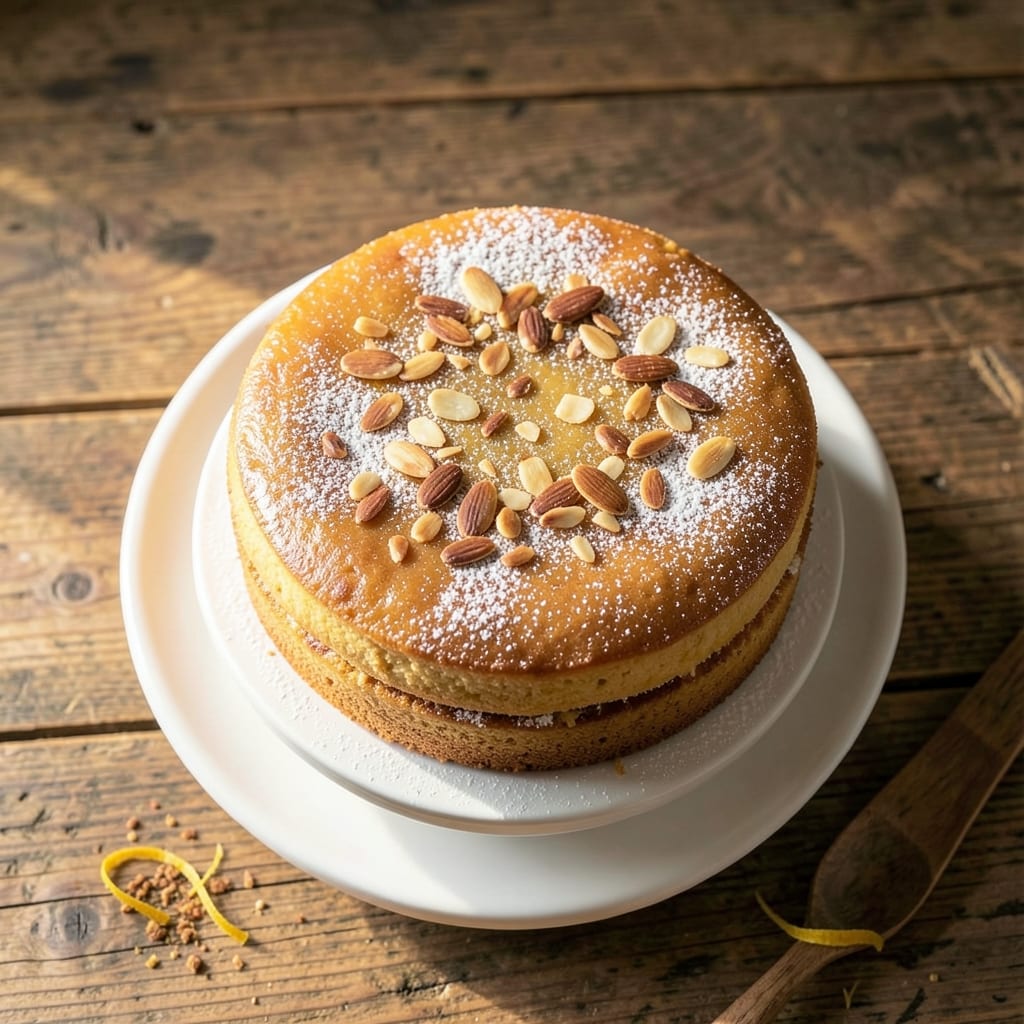
This anytime almond cake recipe delivers light, fluffy layers that stay fresh for days—no baking disasters in sight. The secret lies in a precise ratio of almond flour to all-purpose flour, creating a tender yet sturdy crumb that holds up to slicing and serving. I perfected this version after years of trial and error, ensuring every batch rises evenly and stays moist without drying out.
What sets this cake apart is its versatility—serve it warm with whipped cream for a cozy dessert, or enjoy it chilled with fresh berries for a refreshing afternoon treat. The recipe uses simple pantry staples (no specialty ingredients required) and comes together in under 30 minutes of active prep, with baking time that fits seamlessly into any schedule. The almond flavor is subtle yet distinct, making it a crowd-pleaser for any occasion.
The result is a golden, domed cake with a delicate crumb and just the right amount of almond nuttiness in every bite. The layers stay tender for days when stored properly, and the frosting (optional but recommended) adds a silky finish that makes it feel like a bakery creation. This is the kind of dessert that feels special without requiring hours in the kitchen.
Perfect for weekday treats, holiday gatherings, or last-minute celebrations, this recipe adapts effortlessly to your needs. Whether you're a beginner or an experienced baker, the foolproof method ensures consistent, restaurant-quality results every time. Let's get started on creating your perfect anytime almond cake.
Ingredients for anytime almond cake
Simple pantry staples and precise ratios create this foolproof anytime almond cake.
| Ingredient | Amount | Notes |
|---|---|---|
| All-Purpose Flour 🌾 | 1 ½ cups | Sifted for optimal texture |
| Almond Flour 🌰 | 1 cup | Finely ground, unsweetened |
| Granulated Sugar 🍚 | 1 ½ cups | Superfine preferred for smoothness |
| Unsalted Butter 🧈 | 1 cup | Room temperature, cubed |
| Large Eggs 🥚 | 3 whole | Room temperature, separated |
| Vanilla Extract 🌿 | 2 tsp | Pure, high-quality extract |
| Baking Powder 🧂 | 1 ½ tsp | Aluminum-free preferred |
| Salt 🧂 | ½ tsp | Fine sea salt |
| Almond Extract 🌰 | ½ tsp | Pure, not imitation |
| Whole Milk 🥛 | ½ cup | Room temperature |
| Powdered Sugar 🍚 | 2 cups | For frosting, sifted |
| Heavy Whipping Cream 🥛 | ½ cup | Cold, full-fat preferred |
The almond flour is non-negotiable for that signature nuttiness—Bob's Red Mill or King Arthur brands deliver the finest grind. For the butter, Plugrá or Land O'Lakes unsalted work perfectly, but avoid anything with added salt. Eggs should be room temperature to ensure even mixing, so pull them from the fridge 30 minutes before baking. The vanilla extract matters here; Nielsen-Massey or McCormick pure extract elevates the flavor without overpowering. If you're using supermarkets, check the baking aisle for high-quality extracts—avoid imitation varieties.
No almond flour? Substitute with 1 cup finely ground blanched almonds, but pulse them in a food processor to avoid grittiness. Short on powdered sugar for frosting? Process granulated sugar in a blender until it reaches a fine powder consistency. The recipe calls for whole milk, but any milk works in a pinch—even dairy-free almond milk (reduce by 1 tbsp if using). For a richer cake, replace half the almond flour with toasted almond flour—just toast the almond flour in a dry pan for 5 minutes until fragrant. The frosting can be made ahead; store it in the fridge and whip briefly before use for a silky texture.
This cake stays fresh for 5 days at room temperature, wrapped tightly in plastic. For longer storage, freeze the unfrosted layers for up to 3 months—thaw overnight in the fridge before frosting. The frosting keeps for 2 weeks refrigerated, so make it fresh before serving. To reheat slices, warm for 10-15 seconds in the microwave—just enough to soften the frosting without melting it. For a restaurant-quality finish, dust with toasted almond slices before serving, or add a sprinkle of edible gold leaf for special occasions.
Why You'll Love This Recipe
- No Mixer Needed: I swear by this—just cream the butter and sugar, crack in the eggs, and fold. The almond flour keeps it tender without overworking, and honestly? My stand mixer stays quiet for this one.
- Buttery Almond Magic: That combo of almond flour and butter? It’s like a hug in cake form—nutty, rich, but not heavy. The sugar caramelizes just enough to give it a subtle depth, and the eggs bind it without drying it out.
- Weekday or Celebration: Same batter, endless uses. Bake it for breakfast with a drizzle of honey, slice it for a picnic, or serve it with whipped cream after dinner. (Yes, even on a Tuesday night.)
- Leftovers That Last: This cake stays moist for days—no sad crumbs here. I’ve packed it in lunches, frozen slices for quick breakfasts, and even crumbled it into oatmeal. Budget-friendly, too, since you’re not using specialty ingredients.
Step-by-step instructions for anytime almond cake
Master this foolproof method for consistently light, fluffy layers with no baking surprises.
Prepare the Cake Batter
Preheat your oven to 350°F and grease two 8-inch round cake pans with butter, then line the bottoms with parchment paper. In a medium bowl, sift together the 1.5 cups all-purpose flour and 1.5 tsp baking powder to remove any lumps and aerate the mixture. Set aside.
In a large mixing bowl, beat the 1 cup unsalted butter and 1.5 cups granulated sugar on medium speed with an electric mixer until light and fluffy, about 3-4 minutes. This step creates air pockets that will make your cake tender. Add the 3 whole large eggs, one at a time, beating well after each addition until fully incorporated.
In a small bowl, whisk together the 0.5 cup whole milk, 2 tsp vanilla extract, 0.5 tsp almond extract, and 0.5 tsp salt. Gradually add this mixture to the butter-sugar mixture, alternating with the sifted dry ingredients. Begin and end with the dry ingredients, mixing just until combined. Do not overmix—this can lead to a dense cake.
Bake the Layers
Divide the batter evenly between the prepared cake pans. Tap each pan gently on the counter to release any air bubbles. Bake for 25-30 minutes, or until a toothpick inserted into the center comes out clean. Rotate the pans halfway through baking for even browning.
Watch for the edges to turn golden while the center remains slightly springy to the touch. Overbaking will result in a dry cake, so remove the pans from the oven as soon as the toothpick test is satisfied. Let the cakes cool in the pans for 10 minutes before transferring them to a wire rack to cool completely.
Prepare the Frosting
While the cakes cool, prepare the frosting by beating the 0.5 cup heavy whipping cream in a chilled bowl with a hand mixer until soft peaks form. Gradually add the 2 cups powdered sugar, mixing on low speed until just combined. Avoid overmixing, as this can cause the frosting to become grainy.
Increase the mixer speed to medium and whip until the frosting is smooth, thick, and holds stiff peaks. This should take about 2-3 minutes. The frosting should be light and airy, with no lumps remaining. Taste and adjust sweetness if needed—you can add a pinch more powdered sugar if desired.
Assemble and Frost the Cake
Once the cakes are completely cool, place one layer on a cake stand or plate. Spread a thin layer of frosting over the top to create a "crumb coat." This helps prevent crumbs from getting into the final frosting layer. Place the second layer on top and repeat the process.
Spread the remaining frosting evenly over the entire cake, using a spatula to create smooth sides. For a polished finish, chill the cake in the refrigerator for 15-20 minutes before slicing. This allows the frosting to set slightly, making it easier to serve clean slices. Serve at room temperature for the best texture and flavor.
Pro Tips For Making Anytime Almond Cake
- Melt Butter Slowly: I learned this the hard way—dumping cold butter into hot sugar makes a greasy mess. Instead, cut the butter into small cubes, then melt it into the sugar over low heat while stirring constantly. You want it warm and creamy, not a butter-sugar oil bomb.
- Sift Almond Flour First: Almond flour clumps like a stubborn toddler. Sift it through a fine-mesh sieve before mixing to avoid dense, dry pockets in your cake. (Yes, even if the bag says "blended fine"—trust me, it’s not always true.)
- Don’t Overmix the Batter: After burning three batches of almond cake, I finally stopped beating the eggs and dry ingredients into oblivion. Mix just until combined—overmixing turns your tender cake into a chewy brick. Fold in the almond flour gently, like you’re tucking in a baby.
- Test Doneness with a Toothpick: The cake might look golden but still be raw inside. Insert a toothpick into the center—it should come out with a few moist crumbs, not wet batter. If you’re impatient (like me), resist the urge to open the oven early. The residual heat finishes the job.
Creative variations of this anytime almond cake
Citrus Twist Variation
Brighten up your almond cake with a zesty lemon or orange twist—add 1 tbsp freshly grated lemon zest or 1 tbsp orange zest to the batter for a refreshing citrus-almond flavor combo. I love pairing this with a white chocolate glaze (melt ½ cup white chocolate chips with 2 tbsp heavy cream and drizzle over the cooled cake) for a sophisticated touch. The acidity cuts through the richness, making each bite feel lighter and more vibrant. 🍋
Spiced Chai Version
Transform your cake into a cozy chai-spiced almond delight by adding 1 tsp ground cinnamon, ½ tsp cardamom, and ¼ tsp freshly grated nutmeg to the dry ingredients. For extra warmth, infuse the milk with 1 chai tea bag (steeped and cooled) before using. Top with a gingersnap crumble (blend ½ cup crushed gingersnaps with 2 tbsp melted butter) for a spiced contrast. This variation feels like a hug in dessert form—perfect for chilly evenings. 🌶️
Matcha Green Tea Fusion
For a subtly earthy twist, replace ½ cup of the all-purpose flour with ½ cup matcha powder (high-quality ceremonial grade for best flavor). Reduce the sugar slightly to 1.25 cups since matcha is naturally sweet. Whisk the matcha into the dry ingredients and add 1 tsp honey to the wet mixture for balance. Top with white chocolate shavings and toasted almond slices for a visually stunning, Instagram-worthy dessert. The matcha adds a delicate umami depth that pairs beautifully with almond. 🍵
Coconut-Almond Hybrid
Swap out ½ cup of the almond flour for ½ cup finely ground toasted coconut (blend ½ cup unsweetened coconut flakes until powdery). Add 1 tsp coconut extract to the wet ingredients for an extra tropical kick. The coconut enhances the almond flavor while adding a subtle sweetness. Serve with a mango purée drizzle (blend 1 ripe mango with 1 tbsp lime juice) for a tropical-inspired treat that feels like a vacation in every bite. 🥥
Espresso Almond Cake
For coffee lovers, stir 2 tbsp instant espresso powder into the dry ingredients and add 1 tbsp strong brewed coffee to the wet mixture. The espresso deepens the almond flavor and adds a subtle bitterness that balances the sweetness. Pair with a dark chocolate ganache (melt ½ cup dark chocolate chips with ¼ cup heavy cream) for a decadent, mocha-inspired dessert. This version is a crowd-pleaser at coffee-themed gatherings or as an after-dinner treat. ☕
Seasonal Berry Swirl
Fold ½ cup mixed berry compote (simmer 1 cup fresh or frozen berries with 1 tbsp sugar and 1 tsp lemon juice) into the batter before dividing it between the pans. The berries create beautiful swirls and add a fruity contrast to the almond flavor. Top with whipped cream and fresh berries for a seasonal twist that works year-round. This variation feels festive and is especially perfect for summer picnics or holiday desserts. 🍓
Nutrition facts
Frequently asked questions
Can I make this almond cake without almond flour?
Replace the 1 cup almond flour with 1 cup finely ground blanched almonds (pulse in a food processor for 30 seconds). For a nut-free option, use 1 cup extra all-purpose flour and add 1 tsp xanthan gum to maintain structure. The texture will be slightly denser but still delicious.
How do I keep the cake moist for more than 2 days?
Store the unfrosted cake layers in an airtight container with a slice of bread or a damp paper towel to absorb excess moisture. For longer storage, freeze layers for up to 3 months. Thaw overnight in the fridge and frost just before serving. The frosting should be made fresh if storing longer than 1 week.
Why did my cake crack on top?
Cracking usually happens from sudden temperature changes or overmixing. Ensure your oven is fully preheated and the batter is at room temperature. Tap pans gently on the counter before baking to release air bubbles. If cracks appear, cover with extra frosting—they're harmless but can be prevented by avoiding high humidity in your kitchen.
Can I bake this cake in a different pan size?
Yes! For a 9-inch pan, reduce baking time by 5-7 minutes (check at 20 minutes). For a 6-inch pan, increase time by 5-7 minutes (check at 35 minutes). Adjust oven rack position to the middle for even baking. Always use parchment paper to prevent sticking. The cake will be slightly taller in smaller pans.
Is this cake gluten-free?
Not naturally, but you can adapt it! Replace the 1.5 cups all-purpose flour with 1 cup gluten-free 1:1 baking flour (like Bob's Red Mill) plus ½ cup almond flour. Add ½ tsp xanthan gum to bind the texture. The cake will be slightly denser but still moist. Always check your gluten-free flour blend for baking powder inclusion.