
Desserts
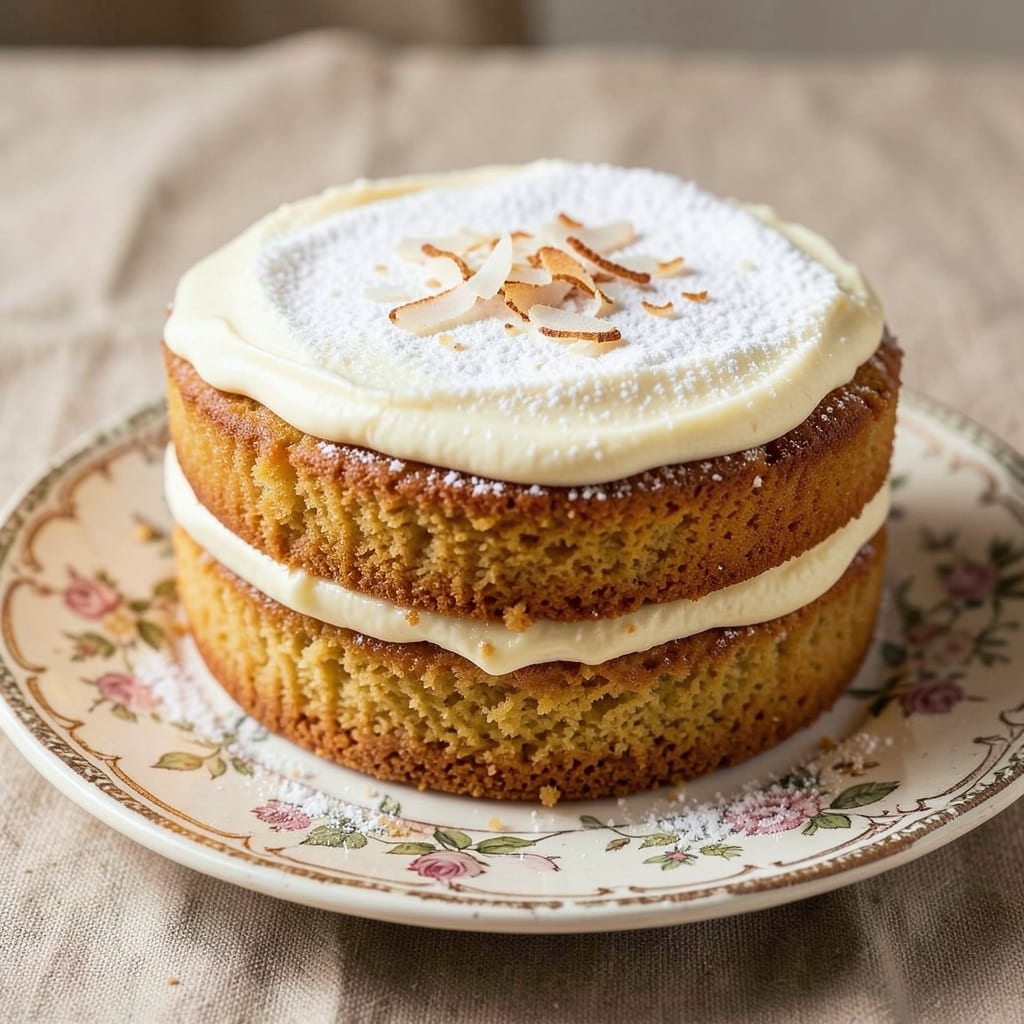
This Australian tea cake recipe delivers the perfect balance of crispy celery crust and tender yogurt swirl—just like your favorite bakery. 💛 The secret lies in the golden, spiced crust that crumbles deliciously while the yogurt filling stays soft and moist. This classic treat has been a staple in Australian households for generations, offering comfort in every bite.
The recipe begins with a dry mix of flour, sugar, and spices, combined with grated celery for that signature crunch. A yogurt-based filling—sweetened just enough to complement the crust—gets swirled into the batter before baking. The result? A cake that’s crisp on the outside, tender within, and packed with warm cinnamon and nutmeg flavors.
What makes these tea cakes truly special is their versatility—they’re perfect for afternoon tea, school lunches, or a simple dessert. The crust stays crisp for hours, making them ideal for slicing and sharing. With just a few simple ingredients and a little patience, you’ll create a dessert that tastes like a trip to Australia.
For those with dietary restrictions, variations like gluten-free flour or coconut yogurt can easily adapt this classic. Let’s get baking—your kitchen will smell like home in no time.
Ingredients for australian tea cake
These simple, comforting ingredients create the perfect Aussie tea cake—crispy crust meets tender yogurt swirl.
| Ingredient | Amount | Notes |
|---|---|---|
| All-Purpose Flour 🌾 | 2 cups | Sifted for light texture |
| Granulated Sugar 🍚 | ¾ cup | White or light brown |
| Ground Cinnamon 🌿 | 1 tbsp | Freshly ground preferred |
| Ground Nutmeg 🌿 | ½ tsp | Freshly grated for warmth |
| Baking Powder 🍞 | 1 tsp | Diamond Crystal preferred |
| Salt 🧂 | ½ tsp | Fine sea salt |
| Unsalted Butter 🧈 | ½ cup | Cold, cubed for mixing |
| Plain Yogurt 🥛 | 1 cup | Full-fat for creaminess |
| Celery Stems 🥬 | 1 cup | Finely grated (the good stuff) |
| Large Eggs 🥚 | 1 whole | Room temperature for blending |
| Vanilla Extract 🍯 | 1 tsp | Pure vanilla preferred |
| Milk 🥛 | ¼ cup | Whole milk for richness |
Celery is the secret weapon here—fresh, crisp stalks from the produce section (not the sad, rubbery ones) make all the difference. Coles or Harris Farm usually have the best quality. Grate it yourself—pre-shredded loses flavor fast. If you can't find celery, fennel bulb works in a pinch. The yogurt should be thick and tangy—Kirkland brand is my go-to, but any plain full-fat works. For the butter, Plugrá or Land O'Lakes are reliable, but store-brand is fine if it's cold and unsalted.
No vanilla extract? Vanilla bean paste or even a scraped vanilla bean adds depth. Running short on milk? Heavy cream or even water keeps the dough workable. The cinnamon and nutmeg are non-negotiable for that classic flavor—Penzeys spices are worth the splurge if you're a frequent baker. For a gluten-free version, swap the flour for a 1:1 blend like Bob's Red Mill. And if you're feeling fancy, add a pinch of cardamom—it's a secret Aussie trick.
Store the dough in the fridge for up to 3 days (covered tightly) or freeze for 3 months. Once baked, these stay crisp for 5 days in an airtight container. I like to wrap individual cakes in parchment—keeps them fresh for 2 days without drying out. Reheat in a 200°F oven for 5 minutes to revive that bakery-fresh crunch. The yogurt filling? Best eaten fresh, but leftovers reheat beautifully with a splash of milk.
Why You'll Love This Recipe
- No Mixer Needed: I swear by this recipe when I’m too tired to even think about creaming butter and sugar. Just toss the dry ingredients—flour, sugar, cinnamon, nutmeg—with a bit of melted butter, and you’ve got a batter that’s ready in minutes. Honestly, the only measuring you’ll do is eyeballing the milk, and that’s half the fun.
- Spiced to Perfection: That warm cinnamon-nutmeg combo isn’t just background flavor—it’s the star. The nutmeg adds this deep, earthy warmth, while the cinnamon gives it that cozy, old-school tea cake vibe. Between us, it’s the kind of taste that makes you want to bake a whole tray just to eat it straight from the oven.
- Tea Time or Snack Attack: These cakes are my go-to for lazy afternoons with a cuppa, but they’re also the perfect grab-and-go snack for kids’ lunchboxes. (Yes, even on a Tuesday night.) Slice them up, wrap in foil, and they’ll stay fresh for days—ideal for when you’ve got a million things going on.
- Budget-Friendly Baking: Flour, sugar, and spices? That’s about as affordable as baking gets. I can make a dozen of these for under $5, and they disappear faster than my willpower when I’m craving something sweet. Plus, the leftovers? They’re even better the next day—if there are any left.
Step-by-step instructions for Australian tea cakes
Here's how to make these crispy, celery-topped delights with a perfect yogurt swirl.
👨🍳 Step 1: Mix Dry Ingredients for the Crust
In a medium bowl, whisk together the 2 cups all-purpose flour, 0.75 cup granulated sugar, 1 tbsp ground cinnamon, 0.5 tsp ground nutmeg, 1 tsp baking powder, and 0.5 tsp salt. I like to sift the flour first for a lighter texture—this prevents lumps and gives those tea cakes a tender crumb.
Set this mixture aside while you prepare the celery topping. The key here is to keep everything dry until we're ready to combine. If you notice any flour clumps, use a fork to break them up gently—we want this to be smooth for that perfect crispy crust.
🥘 Step 2: Prepare the Celery Topping and Wet Mixture
In a separate bowl, mix together the 1 cup finely grated celery stems, 0.5 cup cold cubed unsalted butter, and 0.25 cup milk. The celery should be very finely grated—almost like a paste—so it blends smoothly into the butter. I use a food processor for this, but a sharp grater works too if you're patient.
In another bowl, whisk together the 1 cup plain yogurt, 1 whole large egg, and 1 tsp vanilla extract. The egg should be at room temperature for best blending. Here's where it gets fun—this yogurt mixture is what creates that signature moist, tender center we all love.
🍳 Step 3: Combine Wet and Dry Ingredients
Add the dry ingredients to the wet ingredients in two additions, mixing just until combined. Start with half, then add the rest. I use a wooden spoon for this—it helps prevent overmixing. You're looking for a soft dough that comes together but isn't sticky. If it's too dry, add a splash more milk; if too sticky, a bit more flour.
Here's the thing—don't overmix or you'll develop gluten and end up with tough tea cakes. Once combined, fold in the celery-butter mixture. The dough should be soft but manageable. If it's too warm, chill it for 10 minutes before shaping—this prevents spreading in the oven.
🔥 Step 4: Shape and Bake to Golden Perfection
Preheat your oven to 350°F and line a baking sheet with parchment paper. Roll the dough into 12 equal balls (about 1.5 inches in diameter) and place them 2 inches apart on the prepared sheet. Flatten each ball slightly with your palm—just enough to create a base for the celery topping.
Press a small amount of the remaining celery mixture onto the top of each cake. Bake for 20-25 minutes until the edges are golden brown and the centers still look slightly soft. They'll firm up as they cool. Real talk: don't overbake or they'll dry out—these should be moist inside with that crispy exterior.
⏰ Step 5: Cool and Serve Warm
Let the tea cakes cool on the baking sheet for 5 minutes before transferring to a wire rack. They'll look soft when hot but set up beautifully as they cool. Serve warm for that perfect texture contrast—crispy outside, tender inside with that celery flavor popping through.
Pro tip: If you're making these ahead, store in an airtight container for up to 3 days. Reheat in the oven at 300°F for 5-10 minutes to restore that crispy crust. Enjoy with a cup of tea—just like back home in Australia!
Pro Tips For Making Australian Tea Cake
- Mix Dry Ingredients First: Sift the flour, sugar, cinnamon, nutmeg, and baking powder together before adding any liquid—this prevents lumps and ensures even distribution of those warm spices. I learned this the hard way when my first batch had clumps of nutmeg hiding in the middle like little flavor bombs.
- Use a Light Hand with Butter: Cut cold butter into the flour mixture until it resembles coarse crumbs, not fine sand—this creates pockets for steam to rise and gives that signature tender crumb. Overworking it turns the cake dense, and nobody wants a brick for afternoon tea.
- Don’t Overbake the Cake: Pull it out when the top springs back to touch but still has a slight give—overbaking dries out the texture and turns it into a sad, crumbly mess. A toothpick with a few moist crumbs is better than one that comes out clean but leaves you with a rock.
- Toast the Spices Separately: Warm the cinnamon and nutmeg in a dry pan for 30 seconds before mixing them in—this deepens their aroma and cuts through the sweetness. Sounds weird, but it works: the cake smells like a bakery, not just sugar and flour.
Troubleshooting this dish
Dough Too Sticky
If your dough feels too sticky when combining ingredients, resist the urge to add more flour—this disrupts the delicate balance of moisture needed for that tender yogurt center. Instead, chill the dough for 10-15 minutes while you prep the baking sheet. The cold helps firm it up. I've also found that using 1 cup Greek yogurt instead of regular yogurt reduces stickiness while keeping the texture moist. 💡
Crust Not Crispy
The celery crust should be golden and crumbly, but if yours turns out soft, your oven might be too hot or the dough too wet. First, check your oven temperature with an oven thermometer—many home ovens run 25°F hotter than set. Also, ensure your baking sheet is on the middle rack where heat circulates evenly. For extra crunch, press slightly more celery mixture onto the tops before baking.
Uneven Baking
If your tea cakes bake unevenly—some dark and crisp while others stay pale—it’s likely due to air pockets or uneven dough distribution. Before baking, gently press down on each cake with your palm to create a flat base. Also, rotate the baking sheet halfway through baking (after 12-13 minutes) for even browning. A light-colored metal pan reflects heat better than dark pans, which can cause over-browning.
Dough Too Dry
A dry dough often happens when the celery isn’t finely grated or the butter isn’t cold enough. For the celery, pulse it in a food processor until it resembles a coarse paste—this ensures even distribution. If the dough still feels dry, add 1 tablespoon milk at a time until it just comes together. Overmixing can also dry out the dough, so mix just until combined. A quick fix? Brush the tops with a little milk before baking for extra moisture.
Yogurt Filling Too Runny
If your yogurt filling leaks out during baking, it’s likely because the dough wasn’t chilled long enough before shaping. The egg and yogurt mixture needs time to set slightly. To prevent this, form the dough balls and refrigerate them for 15 minutes before baking. For extra stability, add 1 tablespoon cornstarch to the dry ingredients—it helps absorb excess moisture without altering flavor. 🌟
Celery Flavor Weak
Fresh, crisp celery is key—if your celery flavor is muted, it’s probably because the stalks were old or not grated finely enough. Use only the green, leafy parts of celery stalks (the white base is tougher and less flavorful). For extra punch, add ½ teaspoon celery seed to the dry ingredients. If you’re short on time, soak the celery in warm water for 5 minutes before grating to soften it slightly, making it easier to blend into the butter.
Nutrition facts
Frequently asked questions
Why does Australian tea cake have celery in it?
The celery isn't just for flavor—it creates that signature crispy, crunchy crust! When grated finely and mixed with butter, it forms a golden topping that stays crisp even after baking. This technique dates back to early Australian settlers who used available ingredients creatively. The celery adds a subtle earthy note that balances the sweet yogurt filling perfectly.
Can I make these without yogurt?
Yes! For a dairy-free version, substitute the yogurt with 1 cup coconut yogurt or even ½ cup applesauce + ½ cup milk. The applesauce adds moisture while keeping the texture tender. If you're avoiding dairy completely, check that your coconut yogurt is unsweetened to maintain the right balance of flavors.
How do I store leftover tea cakes?
For maximum freshness, store them in an airtight container at room temperature for up to 3 days. To revive the crust, reheat in a 300°F oven for 5-10 minutes before serving. For longer storage, freeze individual cakes wrapped in parchment for up to 3 months—thaw at room temperature when ready to enjoy.
What's the best way to serve these?
Warm tea cakes pair perfectly with a cup of Earl Grey tea or chamomile tea—classic Aussie pairings! For a festive touch, dust with powdered sugar or serve with a dollop of whipped cream. They're also great as a breakfast treat with jam or as a light dessert after dinner.
Can I make these gluten-free?
Swap the all-purpose flour for a 1:1 gluten-free baking flour blend like Bob's Red Mill. You may need to add ½ teaspoon xanthan gum if your blend doesn't contain it already. Keep all other ingredients the same, but expect the texture to be slightly denser—these will still be delicious with their signature yogurt center!