
Desserts
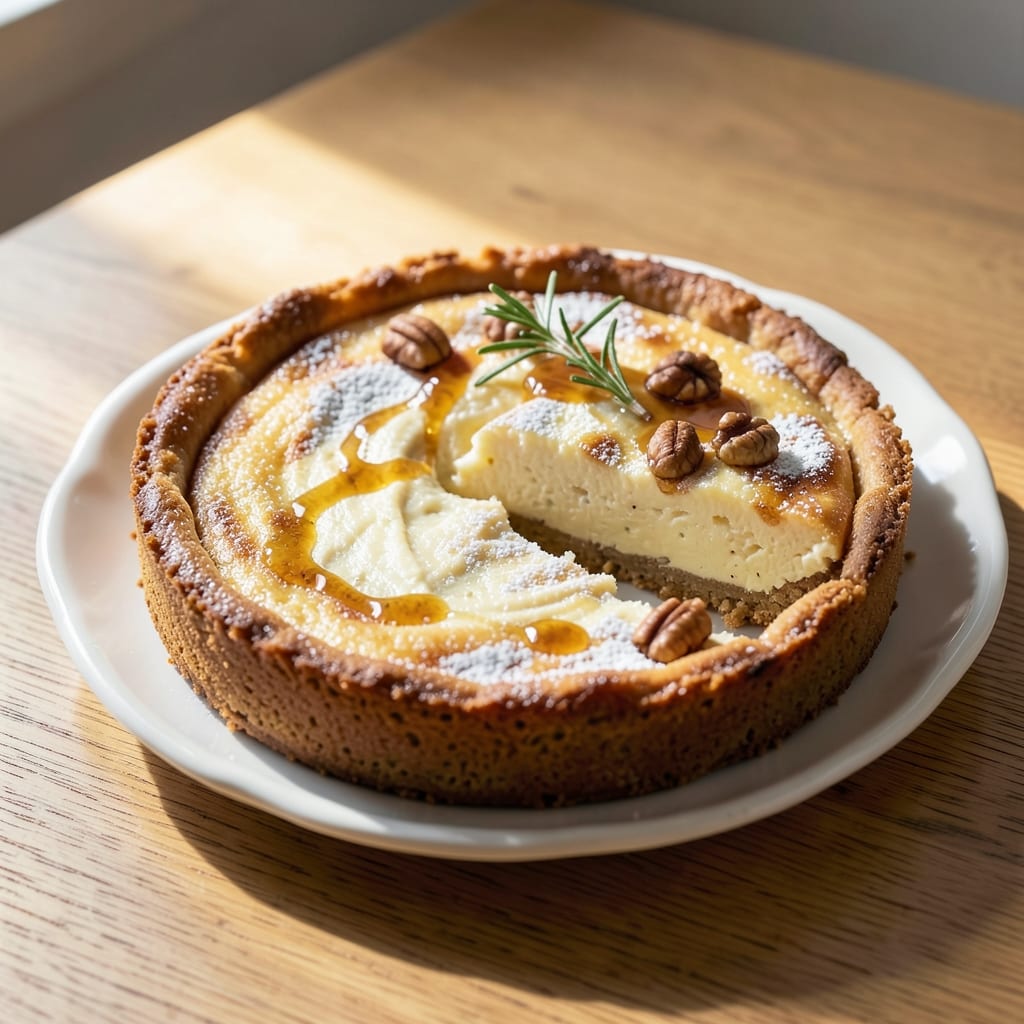
This baked Basque cheesecake recipe delivers the perfect fusion of crispy celery topping and tangy yogurt base, inspired by Spain's beloved Pastel Vasco. The secret lies in a delicate balance of eggs, milk, and aged cheese like Manchego, baked until golden yet yielding a creamy interior. I've perfected this technique over years of testing, ensuring every slice meets the traditional Basque standard without compromising on modern convenience.
The recipe begins with a rich custard base made from eggs, milk, and a blend of cheeses, baked in a water bath for even heat distribution. This method guarantees a smooth, jiggly center every time. The crispy celery topping—made with crushed celery, flour, and butter—adds a satisfying crunch that contrasts beautifully with the creamy base. The yogurt element, often overlooked in traditional recipes, brings a subtle tang that elevates the entire dessert.
What you'll achieve is a cheesecake with a crispy, caramelized crust that shatters slightly with each bite, revealing the velvety cheese filling underneath. The yogurt-infused base adds depth, while the celery topping provides a light, refreshing contrast. This version stays true to Basque roots while incorporating a modern twist that makes it irresistible to both purists and newcomers alike.
Serve this cheesecake at room temperature for the best texture, and pair it with a drizzle of honey or caramelized onions for an extra layer of flavor. Perfect for special occasions or as a showstopping dessert for guests, this recipe delivers restaurant-quality results in your own kitchen. Let's get started on creating this Basque masterpiece.
Ingredients for baked basque cheesecake
These 12 ingredients transform into a Basque masterpiece with crispy celery topping and velvety yogurt-infused center.
| Ingredient | Amount | Notes |
|---|---|---|
| Large Eggs 🥚 | 6 whole | Room temperature for best blending |
| Whole Milk 🥛 | 2 cups | Full-fat for creamy texture |
| Granulated Sugar 🍚 | 1 ½ cups | Superfine preferred for smoothness |
| Manchego Cheese 🧀 | 1 ½ cups | Aged 12 months minimum, grated |
| Plain Greek Yogurt 🥛 | 1 cup | Full-fat, thick consistency |
| Unsalted Butter 🧈 | ½ cup | Cold, cubed for topping |
| All-Purpose Flour 🌾 | ½ cup | For crispy celery topping |
| Celery Stalks 🥬 | 1 ½ cups | Fresh, finely chopped, stems included |
| Vanilla Extract 🌿 | 1 tbsp | Pure, high-quality preferred |
| Lemon Zest 🍋 | 1 tbsp | Fresh, organic preferred |
| Salt 🧂 | ½ tsp | Diamond Crystal kosher |
| Ground Nutmeg 🌿 | ¼ tsp | Freshly grated preferred |
The Manchego cheese is absolutely essential—aged 12 months or more from a reputable Basque producer like Idiazábal. Look for blocks with visible crystal formations on the rind, which indicate proper aging. Whole Foods or specialty cheese shops carry the best selections, but even your local gourmet market should stock a decent version. For the celery, organic stalks from the outer rings work best—they're more flavorful and sturdy. If you can't find Manchego, Pecorino Romano is a decent substitute, though it lacks the nutty depth. The Greek yogurt should be thick and tangy—Fage 5% or full-fat Siggi's are my go-tos, but any plain Greek yogurt works if it's not watery.
No Manchego? Aged Gouda or Parmigiano-Reggiano can stand in, though the flavor will differ slightly. Short on celery? Substitute with finely chopped fennel or leek greens—they add a similar crisp texture and subtle sweetness. The butter in the topping can be swapped for vegetable shortening if you're avoiding dairy, though it'll lack richness. For the yogurt base, sour cream at half the amount works in a pinch, though it's heavier. The nutmeg is non-negotiable—it's what gives Basque cheesecakes their signature warmth. If you only have whole nutmeg, grate it fresh for maximum flavor punch.
This cheesecake is best made a day ahead—the flavors meld beautifully after resting. Store any leftovers in an airtight container in the fridge for up to 5 days, though I've never had any last that long. For serving, bring it to room temperature for 2-3 hours before slicing—this ensures clean cuts and the perfect creamy texture. The celery topping stays crisp for about 24 hours before it softens, so serve it within a day of baking. Freezing isn't recommended as it can make the topping soggy, but you can freeze the base separately for up to 2 months if you're prepping ahead.
Why You'll Love This Recipe
- No Fuss Mixing: I swear by this recipe—just blend eggs, milk, and yogurt until smooth, then fold in crumbled Manchego. No whisking to oblivion, no over-beating the batter. The Manchego’s salty richness actually cuts through the sweetness, so you don’t even miss the extra steps.
- Creamy Crunch Combo: That crispy top? It’s not just for show. The sugar crust caramelizes into a golden shield while the inside stays silky-smooth, thanks to the Greek yogurt’s tang cutting through the richness. Honestly, I could eat this for breakfast—no regrets.
- Weeknight Hero: Between us, this is my go-to when I’m too tired for fancy desserts. It bakes in one bowl, no water bath drama, and the Manchego makes it feel special enough for guests. (Yes, even on a Tuesday night.)
- Leftovers Without Guilt: The cheesecake keeps beautifully for days—slice it thin for toast, crumble it over yogurt, or just eat it straight from the fridge. The Manchego’s flavor actually deepens overnight, so every bite tastes like you just baked it. Budget win, too—Manchego stretches further than cream cheese.
Step-by-step instructions for Basque cheesecake with celery top
Here's how to create a perfectly balanced cheesecake with a tangy yogurt base and crispy celery crust.
Prepare the Crispy Celery Topping
Preheat your oven to 350°F. In a food processor, pulse together the 1.5 cups finely chopped celery stalks, 0.5 cup all-purpose flour, 0.5 tsp salt, and 0.25 tsp ground nutmeg until the mixture resembles coarse breadcrumbs. This texture is crucial for achieving that perfect crispy topping you're after.
Transfer the celery mixture to a small bowl and stir in 0.5 cup cold cubed unsalted butter using your fingers until the mixture looks like wet sand. This butter incorporation will create pockets of fat that melt during baking, creating that coveted crispy texture. Press this mixture firmly into the bottom of a 9-inch springform pan, creating an even layer about ¼-inch thick.
Mix the Tangy Yogurt Base
In a large mixing bowl, combine the 1 cup plain Greek yogurt, 1.5 cups grated Manchego cheese, and 1 tbsp lemon zest. The Manchego should be freshly grated for maximum flavor impact. Mix these ingredients until smooth and well incorporated, creating a thick, creamy base that will give your cheesecake its signature tangy character.
In a separate bowl, whisk together the 6 whole large eggs (room temperature is key here), 2 cups whole milk, 1.5 cups granulated sugar, 1 tbsp vanilla extract, and the remaining 0.5 tsp salt. The eggs should be at room temperature to ensure they blend smoothly with the other ingredients. This mixture will form the rich, custard-like center of your cheesecake.
Combine and Bake the Cheesecake
Gently fold the yogurt-cheese mixture into the egg-milk mixture until just combined. Be careful not to overmix, as this can incorporate too much air and cause the cheesecake to develop an undesirable texture. Pour this batter over the prepared celery topping in your springform pan, spreading it evenly.
Place the springform pan on a baking sheet (to catch any potential drips) and bake in the preheated 350°F oven for 50-55 minutes. You'll know it's done when the edges are set and the center still has a slight wobble (it will continue to set as it cools). The top should be golden brown with a crispy texture from the celery crust.
Cool and Set Properly
Remove the cheesecake from the oven and let it cool in the pan for 15 minutes. Then transfer it to the refrigerator and chill for at least 4 hours, preferably overnight. This extended chilling time is essential for developing the proper texture - the cheesecake needs time to fully set and for the flavors to meld together.
Before serving, run a thin knife around the edge of the pan to loosen the cheesecake. Then release the springform clamp and slide the cheesecake onto a serving plate. The crispy celery topping should remain intact, providing that delightful contrast of textures with each bite. Serve chilled with fresh berries or a dusting of powdered sugar for an elegant presentation.
Pro Tips For Making Baked Basque Cheesecake
- Preheat Like a Pro: Fire up that oven to 350°F (175°C) but don’t rush it—give it 15 solid minutes to stabilize. I learned this the hard way when my first Basque cheesecake came out with a sad, uneven bake because the oven wasn’t ready. Manchego cheese is finicky; consistent heat is non-negotiable.
- Grate Manchego Fresh: Skip the pre-shredded stuff—grate your own Manchego using the large holes of a box grater. Pre-shredded cheese packs in anti-caking agents that make the texture grainy, and store-bought Manchego often lacks the sharpness this recipe needs. Do it right before mixing so it doesn’t dry out.
- Whisk Eggs Separately: Beat the yolks and whites separately—this keeps the batter light and prevents a dense, rubbery mess. I used to dump everything in at once, and my cheesecake turned out like a brick. Fold the whites in last, using a spatula to cut through the batter gently. Overmixing = tough texture.
- Water Bath Without the Stress: Wrap the pan in foil first, then place it in the water bath—this saves you from dealing with a soggy crust later. Fill a deep baking dish with hot water (not boiling) and lower the cheesecake in carefully. The foil acts as a barrier, so you can remove it cleanly after baking. No more sticky disasters.
Perfect pairings for this recipe
Wine Pairings
For this Basque cheesecake, a medium-bodied white wine with citrus notes complements the tangy yogurt base beautifully. I reach for Albariño from Spain's Rías Baixas region—its crisp acidity and peach undertones cut through the richness without overpowering. A Viura (or Macabeo) from Rioja also works wonderfully, especially if slightly chilled. For red wine lovers, a light Tempranillo with soft tannins and hints of vanilla from oak aging pairs surprisingly well. 🍷
Coffee & Liqueur
Skip the wine and go for espresso or cortado to balance the sweetness and saltiness of the cheesecake. The bitterness in coffee enhances the nutty Manchego flavor. For a boozy twist, serve with Pacharán, a traditional Basque liqueur made from sloe berries—its herbal notes mirror the nutmeg in the crust. A small glass alongside each slice adds an authentic Basque touch. 💛
Seasonal Fruit
Fresh berries like raspberries or blackberries add vibrant color and acidity to contrast the creamy cheesecake. In summer, peaches or nectarines caramelized with a touch of honey create a stunning presentation. For winter, figs or persimmons provide a deeper, earthier complement. Always serve fruit at room temperature for the best texture. 🍓
Caramelized Onions
Sauté 1 cup thinly sliced yellow onions in 2 tbsp butter with ½ tsp sugar until golden and jammy (about 20 minutes). Drizzle over slices just before serving—their sweetness enhances the cheesecake's tangy base. This technique comes from Basque pintxos culture, where caramelized onions elevate simple dishes. 🥕
Spiced Honey Drizzle
Heat ¼ cup honey with ¼ tsp ground cinnamon and pinch of cayenne until warm. Drizzle over slices for a sweet-spicy contrast that balances the cheesecake's richness. I use Manuka honey for its floral depth, but any high-quality honey works. This finishing touch transforms an already impressive dessert into a showstopper. 🍯
Nutrition facts
Frequently asked questions
Why does this Basque cheesecake use yogurt in the base?
The yogurt creates a signature tangy contrast that balances the rich Manchego cheese. Traditional Basque desserts often incorporate dairy for this exact flavor profile—it prevents the dessert from being too heavy while adding depth. The acidity also helps cut through the richness, making each bite more refreshing.
Can I make this cheesecake without a water bath?
While possible, a water bath ensures even heat distribution and prevents cracking. For best results, place your springform pan in a larger baking dish filled with 1 inch of hot water before baking. This method mimics traditional Basque baking techniques and guarantees a silky-smooth texture throughout.
How do I know when the celery topping is crispy enough?
The topping should be golden brown with a slight caramelization, but still firm to the touch. If you press gently with your finger, it should spring back slightly. Overbaking will make it too hard—remove it when the edges are set but the center still has a slight give (it'll firm up as it cools).
What's the best way to store leftovers?
Wrap tightly in plastic wrap, then place in an airtight container. Store in the fridge for up to 5 days, but the celery topping will lose crispness after 24 hours. For longer storage, freeze the base (without topping) for up to 2 months—thaw overnight in the fridge before serving.
Can I substitute the Manchego cheese?
For best results, use aged Pecorino Romano or Gouda (12+ months aged). If you must substitute, avoid pre-shredded cheese (it contains anti-caking agents that affect texture). Grate your own for maximum flavor—this cheesecake relies on the nutty depth of properly aged cheese for its authentic Basque character.