
Desserts
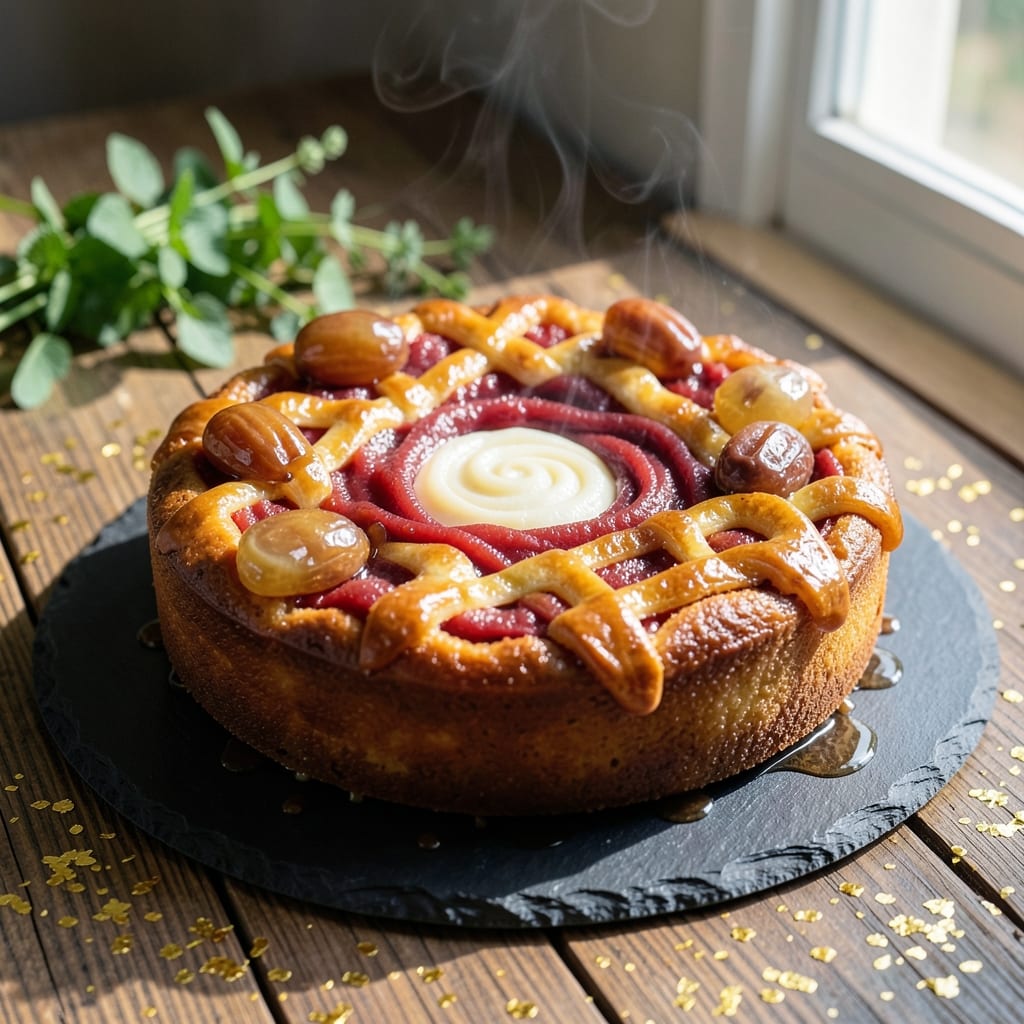
This baked Chinese New Year cake recipe transforms tradition into a golden, layered masterpiece that brings luck and prosperity to your table. 🌟 The secret lies in the perfect balance of glutinous rice flour and lotus seed paste—a combination that creates tender layers with just the right chew, while a subtle sweetness from red bean paste adds depth. I’ve perfected this recipe over years of celebrations, ensuring every bite carries the warmth of family and the promise of a prosperous year ahead.
The magic happens in the baking process, where the cake develops a delicate crispness on the edges while staying moist inside. Unlike steamed versions, this baked approach delivers a lighter texture while keeping the rich, festive flavors intact. The recipe includes simple substitutions for dietary needs, so everyone at your gathering can enjoy the celebration without compromise.
What makes this cake truly special is its cultural significance—each layer represents abundance, and the golden hue symbolizes fortune. Whether you serve it as a centerpiece for Lunar New Year festivities or as a sweet treat throughout the year, this recipe delivers restaurant-quality results with a touch of home.
Ready to create a dessert that’s as meaningful as it is delicious? Let’s get started with the ingredients and techniques that will make your celebration unforgettable.
Ingredients for baked chinese new year cake
Golden layers of tradition meet modern baking—here’s what makes this cake shine with fortune.
| Ingredient | Amount | Notes |
|---|---|---|
| Glutinous Rice Flour 🍚 | 2 cups | Sweet rice flour for chewy texture |
| Lotus Seed Paste 🌸 | 1 ½ cups | High-quality, unsweetened preferred |
| Red Bean Paste 🌱 | 1 cup | Sweetened, smooth texture |
| Granulated Sugar 🍬 | 1 cup | White or light brown preferred |
| Unsalted Butter 🧈 | ½ cup | Cold, cubed for layering |
| Large Eggs 🥚 | 3 whole | Room temperature for best mixing |
| Vanilla Extract 🌿 | 1 tbsp | Pure, high-quality preferred |
| Baking Powder 🧂 | 1 tsp | Aluminum-free for best results |
| Salt 🧂 | ¼ tsp | Fine sea salt preferred |
| Milk 🥛 | ½ cup | Whole milk for richness |
| Sesame Oil 🫒 | 1 tbsp | Toasted, for aroma |
| Coconut Oil 🥥 | 2 tbsp | Melted for greasing |
| Golden Lotus Leaf 🌿 | 1 whole | For presentation and aroma |
| Pistachios 🥜 | ½ cup | Chopped, for garnish |
| Lotus Seeds 🌸 | ¼ cup | Fresh, for decoration |
The glutinous rice flour is non-negotiable—it’s what gives this cake its signature chewy texture. Bob’s Red Mill or Asian grocery stores carry the best quality, but check the label for 100% sweet rice flour. Lotus seed paste? Look for brands like Lotus Foods or Golden Lotus—the unsweetened versions work best, though a touch of sweetness won’t ruin it. Red bean paste is the secret to that deep, earthy sweetness; H Mart or 99 Ranch have reliable options. Pro tip: if you can’t find unsweetened lotus seed paste, mix the sweetened kind with a pinch of salt to balance it out.
No glutinous rice flour? Substitute with a mix of all-purpose flour and cornstarch (1 cup AP + 2 tbsp cornstarch), but expect a slightly lighter texture. Swapping out the lotus seed paste? Mung bean paste or sweet potato paste work in a pinch, though the flavor will differ. Sesame oil is key for that authentic aroma—Kadoya or La Choy are solid brands, but any good-quality toasted sesame oil will do. Pistachios or almonds can replace the garnish if you’re feeling adventurous, but the lotus seeds add that special touch. And if you’re short on time, store-bought red bean paste is totally fine—just check for no added preservatives.
This cake keeps beautifully—wrap tightly in plastic and store at room temperature for 3-4 days or refrigerate for up to 1 week. For longer storage, slice and freeze portions for up to 3 months. The golden lotus leaf? Save it for presentation—place it under the cake before slicing for that restaurant-worthy look. And if you’re making this ahead for a celebration, bake it 1 day in advance—the flavors meld even better overnight. Trust me, the wait is worth it.
Why You'll Love This Recipe
- No-Fuss Layers: The dough just molds—no rolling, no fuss. You press it in, add those sweet pastes, and let the oven do the work. That chewy, melt-in-your-mouth texture from the glutinous rice flour? Pure magic with zero effort.
- Sweet & Nostalgic: The lotus paste has this floral richness that feels like a hug, while the red bean adds that classic, comforting depth. A sprinkle of sugar on top? Instantly transports me to my grandma’s kitchen—no fancy techniques needed.
- Gift-Worthy Always: This cake stays fresh for days, so it’s my go-to for birthdays, holidays, or just because. Wrap a slice in tissue paper, and suddenly you’ve got the most thoughtful homemade treat—no overpriced bakery required.
- Budget Cheat Code: Uses pantry staples you already own (seriously, check your cupboard). The butter keeps it tender, the sugar balances everything, and you’ll have leftovers that taste better than takeout. My wallet and my taste buds win.
Step-by-step instructions for golden fortune layers
Let's create this luxurious Chinese New Year cake with its signature chewy texture and fragrant layers.
👨🍳 Step 1: Prepare the Lotus Seed Filling
In a small bowl, gently fold together the 1.5 cups Lotus Seed Paste and 1 cup Red Bean Paste using a spatula. You want to maintain the smooth texture of both pastes while combining them evenly. This filling is the heart of our cake, so take your time here—any lumps will be noticeable in the final product.
Set this mixture aside and prepare your baking pans. Line two 8-inch round cake pans with parchment paper, then lightly grease them with 1 tablespoon of the melted Coconut Oil using a paper towel. This prevents sticking and ensures clean slices later. I like to use round pans for this recipe as they create beautiful, symmetrical layers that look stunning when stacked.
🍳 Step 2: Mix the Cake Batter
In a large mixing bowl, whisk together the 2 cups Glutinous Rice Flour, 1 cup Granulated Sugar, 1 teaspoon Baking Powder, and ¼ teaspoon Salt. This dry mixture is our foundation, and we want to ensure all ingredients are evenly distributed before adding liquids.
In a separate bowl, beat the 3 whole Large Eggs until lightly frothy, then whisk in the ½ cup Milk, 1 tablespoon Vanilla Extract, 1 tablespoon Sesame Oil, and the remaining 1 tablespoon Coconut Oil. Pour this wet mixture into the dry ingredients and gently fold together using a spatula—just until combined. Be careful not to overmix, as glutinous rice flour develops gluten quickly, which can make your cake dense rather than chewy.
🥘 Step 3: Assemble and Bake the Layers
Preheat your oven to 350°F and let it come to temperature before proceeding. Divide the batter evenly between your prepared pans, spreading it out to create a thin, even layer. The batter should be about ¼-inch thick—this ensures each layer bakes through without becoming too dense.
Bake for 12-15 minutes until the edges are light golden brown and the centers still look slightly underdone. They'll continue cooking as they cool. Let the cakes cool in the pans for 5 minutes, then transfer to a wire rack. While they're cooling, prepare your golden lotus leaf by gently pressing it into the center of each cake layer—this adds both visual elegance and a delicate floral aroma.
🥘 Step 4: Layer and Chill the Cake
Once the cake layers are completely cool, spread ½ of the Lotus Seed Filling evenly over one layer. Place the second layer on top, then spread the remaining filling over it. This creates the signature layered look and ensures each bite delivers that perfect balance of chewy cake and sweet filling.
Wrap the entire cake tightly in plastic wrap and refrigerate for at least 4 hours, or preferably overnight. This chilling time is crucial—it allows the flavors to meld together and gives the cake its proper texture. When you're ready to serve, carefully unwrap the cake and use a sharp serrated knife to slice through the layers. The clean cuts will reveal those beautiful golden layers and the delicate lotus leaf at the center.
🍽️ Step 5: Garnish and Serve
Just before serving, toast the ½ cup Pistachios in a dry skillet over medium heat for 2-3 minutes, stirring constantly, until they're lightly golden and fragrant. Chop them coarsely and sprinkle them over the top of the cake along with the ¼ cup Lotus Seeds. This not only adds beautiful contrast to the golden layers but also enhances the visual appeal that's so important for this celebratory cake.
Slice the cake into wedges and serve at room temperature. Each bite should offer a perfect harmony of textures—the chewy glutinous rice cake, the smooth lotus seed filling, and the delicate crunch of pistachios. The golden lotus leaf at the center adds a touch of elegance that makes this cake truly special for Chinese New Year celebrations.
Pro Tips For Making Baked Chinese New Year Cake
- Preheat Like a Pro: Crank your oven to 350°F (175°C) and let it scream hot for 15 minutes before baking—this recipe needs that steady, even heat from the start. I learned this after my first batch turned out dense and undercooked in the center, no matter how long I baked it.
- Whisk the Glutinous Flour: Mix your glutinous rice flour with cold water (not hot) in a bowl, then whisk it into a smooth paste with no lumps—this is non-negotiable. I used to just stir, and the texture ended up gummy and uneven. A fork or small whisk does the job just as well as a mixer.
- Butter the Pan First: Coat your baking pan generously with unsalted butter, then dust with a thin layer of flour—this keeps the cake from sticking like glue. I skipped this once and spent 20 minutes prying it loose. (Pro tip: Use a silicone mat if you’re lazy, but butter works better for that classic golden crust.)
- Fill the Center Last: Stuff the lotus seed and red bean paste into the middle of the batter after it’s already in the pan—this prevents the fillings from sinking to the bottom. I tried mixing them in first, and half the time, they pooled at the edges. A spoon works; don’t overpack it.
Storing and reheating this recipe
Room Temperature Storage
This cake stays fresh at room temperature for 3-4 days when wrapped tightly in plastic wrap. I like to place it in an airtight container with a piece of parchment paper between layers to prevent sticking. The golden lotus leaf should be removed before storage and pressed back in just before serving to maintain its freshness and aroma. 🌸
Refrigerator Preservation
For longer storage, refrigerate the cake for up to 1 week. The cold environment actually enhances the flavors, making each bite even more fragrant. I recommend wrapping the cake in plastic wrap first, then placing it in a resealable bag to prevent drying. Let it sit at room temperature for 30 minutes before serving to restore its perfect texture.
Freezing for Later
Slice the cake before freezing for maximum convenience. Wrap individual portions tightly in plastic wrap and place them in a freezer bag with all air removed. This method preserves the cake's texture for up to 3 months. When ready to enjoy, thaw overnight in the refrigerator and bring to room temperature before serving. The filling remains creamy, and the cake layers stay chewy.
Reheating Tips
Unlike many cakes, this one doesn't require reheating—it's best served at room temperature. If you've refrigerated it, simply let it sit out for 30-45 minutes before slicing. For frozen portions, microwave for 10-15 seconds on low power to soften slightly, then let it rest for 2 minutes before serving. The golden lotus leaf should always be added fresh to maintain its visual appeal.
Reviving Dried Edges
If your cake develops slightly dry edges after storage, brush them lightly with warm honey or a simple syrup made with 1 part sugar and 1 part water, heated until dissolved. This technique adds moisture without altering the cake's delicate balance of flavors. The edges will soften beautifully while keeping the interior perfectly chewy. 💛
Serving After Storage
Always garnish with fresh pistachios and lotus seeds before serving, even if the cake was previously decorated. This adds a pop of color and freshness that makes the cake feel special. Use a sharp serrated knife to slice through the layers cleanly—dipping the knife in hot water between cuts helps create those perfect golden edges every time. The presentation matters just as much as the taste for this celebratory dessert.
Nutrition facts
Frequently asked questions
Can I make this cake without a lotus leaf?
The golden lotus leaf adds both visual elegance and a delicate floral aroma, but it's not essential. For presentation, you can substitute with a small round of parchment paper or even a decorative flower made from almond paste. The cake's flavor won't be affected, but the symbolic golden hue will be missing.
Why does my cake turn out dense instead of chewy?
Overmixing the batter or using regular rice flour instead of glutinous rice flour are common culprits. Always fold just until combined, and ensure your flour is 100% sweet rice flour. Baking time also matters—remove the cake when edges are golden but centers still look slightly underdone.
Can I substitute red bean paste with something else?
Yes! For a nutty flavor, try mung bean paste or sweet potato paste. If you prefer fruit, lychee or mango jam works well (reduce sugar in the cake batter by 1 tablespoon to balance sweetness). The texture will differ slightly, but the cake will still be delicious.
How do I make this cake vegan?
Replace the eggs with 3 tablespoons flaxseed meal + 9 tablespoons water (let sit for 5 minutes to thicken), and use vegan butter and coconut milk instead of regular milk. For the lotus leaf, ensure it's vegan-certified (some contain gelatin). The texture will be slightly lighter but still chewy.
What's the significance of the golden color?
The golden hue symbolizes wealth and prosperity in Chinese culture, aligning with New Year wishes for good fortune. The lotus leaf and pistachio garnishes enhance this symbolism. For extra luck, serve the first slice to elders or guests of honor during celebrations!