
Desserts
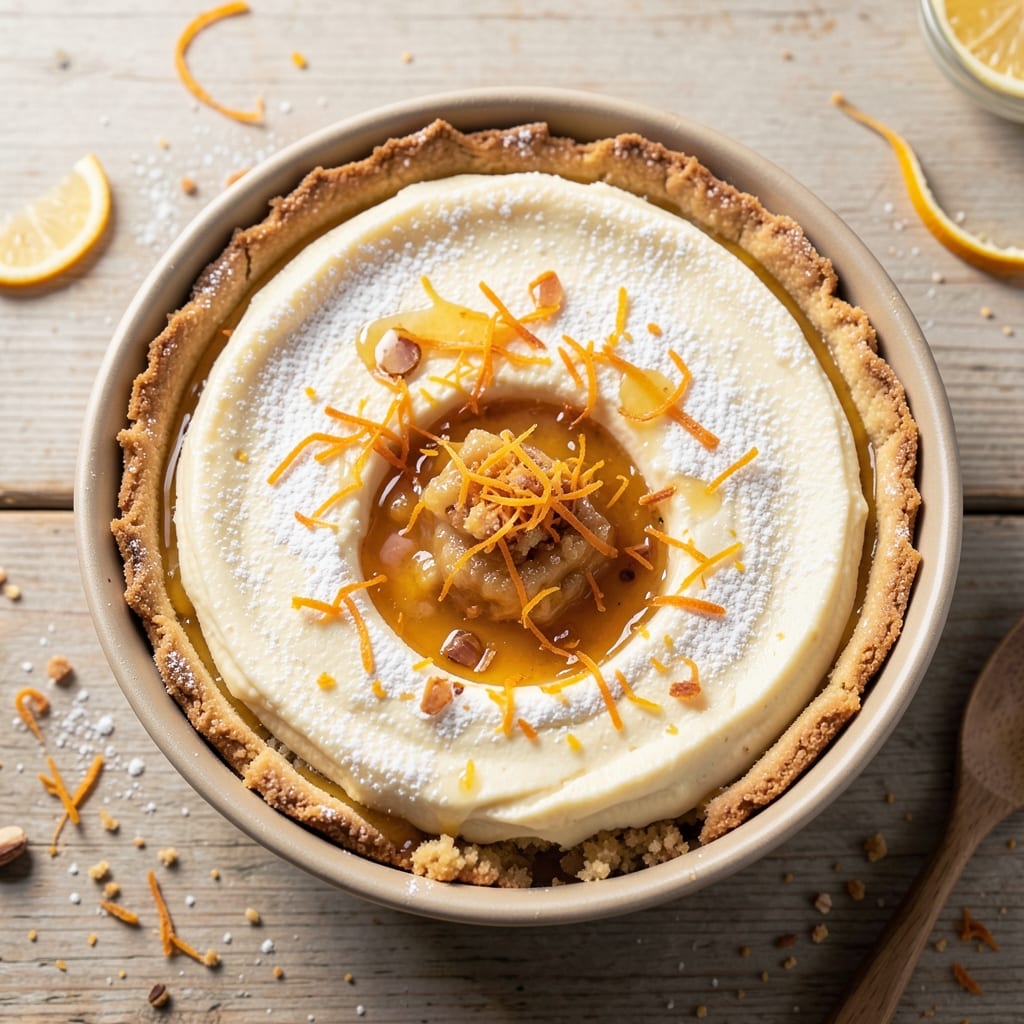
Nigella Lawson’s baked orange cheesecake transforms a classic dessert into something bright, aromatic, and utterly irresistible. The secret lies in the zesty orange zest and juice woven into both the crust and filling, creating layers of citrusy depth that balance the creamy richness. This recipe delivers a foolproof method for achieving that signature Nigella texture—silky smooth yet firm enough to slice cleanly, with a crust so fragrant it’ll have everyone asking for seconds.
The beauty of this recipe is its simplicity: no water bath required, no tricky techniques, just a few key steps that guarantee success. The crust gets a head start in the oven while the filling bakes alongside it, ensuring perfect doneness every time. Orange zest infuses the crust with a subtle tang, while fresh orange juice keeps the filling impossibly moist without being overly sweet.
What you’ll end up with is a cheesecake that’s visually stunning—golden crust contrasting with velvety cream—and packed with flavor in every bite. The orange notes shine through without overpowering, making it a dessert that feels both indulgent and refreshing. Perfect for holidays, dinner parties, or treating yourself after a long week, this recipe is designed to impress without stress.
Customize it with a drizzle of orange glaze, fresh berries, or a sprinkle of toasted nuts for added texture. The method is adaptable, so you can adjust the sweetness or citrus intensity to your taste. Let’s get baking—this cheesecake is worth every minute of the wait.
Ingredients for baked orange cheesecake recipe nigella
Bright citrus meets creamy indulgence with these carefully chosen ingredients for Nigella’s signature baked orange cheesecake.
| Ingredient | Amount | Notes |
|---|---|---|
| Granulated Sugar 🍚 | 1 ½ cups | For crust sweetness balance |
| All-Purpose Flour 🌾 | 1 ½ cups | Sifted for light texture |
| Unsalted Butter 🧈 | ¾ cup | Cold, cubed for crust |
| Orange Zest 🍊 | 2 tbsp | Fresh, finely grated |
| Fresh Orange Juice 🍊 | ¼ cup | Strained, no pulp |
| Large Eggs 🥚 | 4 whole | Room temperature |
| Cream Cheese 🧀 | 32 oz | Full-fat, room temp |
| Granulated Sugar 🍚 | 1 ½ cups | For filling sweetness |
| Fresh Orange Juice 🍊 | ½ cup | Same as crust batch |
| Orange Zest 🍊 | 1 tbsp | Fresh, finely grated |
| Vanilla Extract 🌸 | 1 tbsp | Pure, high-quality |
| All-Purpose Flour 🌾 | ¼ cup | For filling texture |
| Salt 🧂 | ½ tsp | Fine sea salt |
| Powdered Sugar 🍚 | ¼ cup | For glaze, optional |
The orange zest is non-negotiable here—it’s the soul of this cheesecake. Use only fresh, organic oranges when possible, like Navel or Valencia varieties, for their vibrant flavor. The zest should be finely grated, no chunks. For the butter, Plugrá or Land O'Lakes work well, but avoid anything with added salt. The flour matters too: King Arthur or Gold Medal brands yield the best texture. If you can’t find fresh oranges, high-quality bottled orange juice (like Tropicana Pure) will work in a pinch for the filling, but zest must be fresh—nothing compares to that bright aroma.
No fresh oranges? Orange extract or marmalade can add depth, though they won’t replicate the zest’s complexity. For the crust, if you’re out of butter, vegetable shortening works but lacks flavor. The cream cheese should be full-fat—Philadelphia or Brickhouse brands are ideal. For a tangier filling, add a splash of lemon juice (about 1 tbsp). The powdered sugar glaze is optional but adds that restaurant-worthy finish. Store-bought glaze mixes can work, but homemade (powdered sugar + orange juice) tastes infinitely better. If you’re gluten-free, swap the flour for a 1:1 gluten-free blend—just know the texture will be slightly denser.
This cheesecake keeps beautifully—3-4 days in the fridge, fully covered. For longer storage, freeze the whole cake for up to 2 months. Thaw overnight in the fridge, then bring to room temperature before serving. The crust stays crisp, and the filling remains luscious. To serve, dust with extra zest or drizzle with a simple orange glaze (powdered sugar + orange juice). Leftovers reheat well in the microwave for 10-15 seconds—just cover with a paper towel to avoid sogginess. The crust’s citrus aroma intensifies as it sits, so it actually tastes better the next day.
Why You'll Love This Recipe
- Let’s talk about the real MVP: this cake keeps beautifully. Slice it the day it bakes, and it’s still perfect—no soggy middle, no weird textures. I’ve had it for breakfast (with a drizzle of honey, don’t judge) and as an after-dinner treat, and it’s just as good the third day. Plus, the ingredients are cheap—no fancy cheeses or specialty items—so you’re not breaking the bank for a dessert that actually impresses.
- No-Fuss Layers: I swear by this recipe because it’s actually foolproof—no water bath, no waiting hours. Just mix the butter, sugar, and flour into a crust, then fold in the orange zest and juice for that bright, tangy filling. The crust stays crisp while the center stays silky, and honestly? That’s all I ask for.
- Zesty Magic: Between us, the orange zest and juice do something special here. It’s not just sweet—there’s this sharp, citrusy kick that cuts through the richness. I’ll be real: my first try was too bland, but adding an extra tablespoon of zest (straight from the peel, no pith) made all the difference. Now it’s my go-to dessert when I want something memorable.
- Weeknight or Wow Factor: This cheesecake is weirdly adaptable. Need a last-minute dessert for book club? Done. Craving something special but don’t want to slave over it? Still done. The crust’s sturdy enough to slice neatly, and the orange flavor pairs surprisingly well with dark chocolate ganache if you’re feeling fancy. (Yes, even on a Tuesday night.)
Step-by-step instructions for baked orange cheesecake
This method delivers Nigella's signature balance of vibrant citrus crust and velvety filling.
Prepare the Orange Crust
Preheat your oven to 350°F and grease a 9-inch springform pan generously. In a food processor, combine the 1.5 cups granulated sugar and 1.5 cups all-purpose flour. Pulse until just blended.
Add the 0.75 cup cold cubed unsalted butter and pulse until the mixture resembles coarse crumbs with pea-sized butter pieces remaining. Stir in the 2 tablespoons orange zest and 0.25 cup fresh orange juice until evenly distributed. Press this mixture firmly into the bottom of your prepared pan, creating an even layer.
Bake the crust for 15-18 minutes until the edges begin to turn golden. Remove from the oven and let it cool slightly while you prepare the filling. This pre-baking step ensures the crust holds its shape and develops proper texture before adding the delicate cheesecake layer.
Mix the Cheesecake Filling
Reduce the oven temperature to 325°F and place a rack in the lower third position. In a large mixing bowl, beat the 32 oz cream cheese and 1.5 cups granulated sugar together until completely smooth and creamy. This step is crucial for eliminating any lumps that could affect the final texture.
Add the 4 room-temperature eggs one at a time, beating well after each addition. Incorporate the 0.5 cup fresh orange juice, 1 tablespoon orange zest, 1 tablespoon vanilla extract, 0.25 cup all-purpose flour, and 0.5 teaspoon salt. Mix until just combined—overmixing can incorporate too much air, which may cause cracks during baking.
Assemble and Bake the Cheesecake
Pour the cheesecake filling over the cooled crust, spreading it evenly to the edges. Tap the pan gently on the countertop to remove any air bubbles that may have formed. Bake for 50-60 minutes until the center is nearly set but still slightly jiggly in the middle—this indicates it's properly baked but not overdone.
Turn off the oven and crack the door open slightly. Allow the cheesecake to cool gradually inside the oven for 30 minutes. This slow cooling process helps prevent cracking. Remove from the oven and let it cool completely at room temperature before refrigerating for at least 4 hours or overnight.
Add the Optional Glaze (If Using)
Once fully chilled, prepare the optional glaze by whisking together the 0.25 cup powdered sugar with 1-2 tablespoons fresh orange juice until smooth. Drizzle this glaze evenly over the top of the cheesecake and let it set for 10 minutes before slicing.
The glaze should create a beautiful sheen that enhances the vibrant orange flavor. If you prefer a more rustic presentation, you can omit the glaze entirely. Either way, the cheesecake's natural citrus brightness will shine through with each creamy bite.
Pro Tips For Making Baked Orange Cheesecake Recipe Nigella
- Preheat Oven to 350°F: Nigella’s recipe relies on a steady, even bake—no rushing here. A hot oven (350°F) ensures the crust sets quickly while the center stays creamy. I learned this the hard way after underbaking a batch that ended up gummy. Preheat for 20 minutes, and don’t open the oven until at least 30 minutes in.
- Zest First, Juice Later: Fresh orange zest packs more flavor than bottled, but timing matters. Zest your oranges right before mixing—it loses potency fast. For the juice, strain it through a fine-mesh sieve to remove pulp, which can make the batter grainy. (Yes, it’s extra work, but the texture difference is noticeable.)
- Don’t Overmix the Batter: This isn’t a cake—overmixing adds gluten and makes the texture dense. Fold the dry ingredients into the wet just until combined, like dropping flour into a bowl of butter and letting it melt in. I used to blend it like a smoothie, and the result? A sad, rubbery mess.
- Cool Slowly, Then Chill: Let the cheesecake sit in the pan for 10 minutes after baking—this prevents cracking. Then, transfer it to the fridge uncovered for 2 hours before adding the orange glaze. Skipping this step? The glaze will slide right off. (Trust me, I’ve seen it happen.)
Serving suggestions for leftovers
Classic Presentation
Serve this baked orange cheesecake on a gold-rimmed platter to complement its vibrant citrus hues. I like to dust the top with extra orange zest and arrange fresh berries—like raspberries or blueberries—in a circular pattern around the edges. This creates a stunning visual contrast while adding a tart counterpoint to the sweet filling. 🍓
Warm Spiced Tea Pairing
Nigella often pairs her desserts with warm, aromatic beverages. A chamomile-orange tea made with Earl Grey tea bags and a splash of fresh orange juice enhances the citrus notes beautifully. For a cozier option, try spiced chai—the cinnamon and cardamom complement the cheesecake’s creaminess without overpowering it.
Berry Compote Topping
Heat 1 cup mixed berries (strawberries, raspberries, or blackberries) with 2 tablespoons sugar and 1 tablespoon water until softened into a sauce. Spoon this warm compote over individual slices just before serving. The berries’ natural acidity cuts through the richness, making each bite feel fresh and balanced. 🍇
Toasted Nut Garnish
For added texture, toast ½ cup chopped pecans or almonds in a dry skillet over medium heat for 3-4 minutes until golden. Sprinkle them over the cheesecake just before serving—their nutty crunch contrasts perfectly with the silky filling. A pinch of flaky sea salt on top elevates the flavors even further.
Creamy Orange Coulis
Blend ½ cup fresh orange juice, 2 tablespoons powdered sugar, and 1 teaspoon cornstarch until smooth. Simmer in a small saucepan over medium heat for 3-5 minutes until thickened. Drizzle this glossy orange coulis over slices for a professional finish that highlights the dessert’s citrus theme. 🍊
Mini Cheesecake Bites
For a party-friendly presentation, cut the cheesecake into 1-inch squares and serve on mini dessert plates. Garnish each bite with a berry skewer or a sprinkle of toasted coconut for a playful twist. These individual portions are perfect for gatherings and make the cheesecake feel even more special. ✨
Nutrition facts
Frequently asked questions
Why does Nigella's recipe use orange zest AND juice?
The zest provides the bright, aromatic citrus flavor that defines this dessert, while the juice adds moisture without overpowering the creamy filling. The combination creates a perfect balance—zest delivers the essence of orange, and juice keeps the texture luscious. Using both layers the flavor more deeply than juice alone.
Can I make this cheesecake without a springform pan?
Yes, but use a 9-inch round cake pan with a removable bottom instead. Grease it thoroughly and line the bottom with parchment paper. After baking, let it cool completely before removing the sides. The crust may be slightly thicker, but the texture will remain excellent.
What's the secret to preventing cracks in the cheesecake?
Don't overmix the batter and ensure all ingredients are at room temperature. The slow cooling in the oven (with the door cracked) is crucial—it prevents sudden temperature changes that cause cracks. Also, avoid opening the oven door during baking, which creates drafts.
How do I adjust the sweetness if I prefer less sugar?
Reduce the sugar in both the crust and filling by 2 tablespoons each and increase the orange juice by 2 tablespoons to maintain moisture. Taste the filling before baking—it should be slightly sweet but not cloying. The natural acidity of the citrus will balance the flavor beautifully.
Can I substitute the orange zest with another citrus?
You can try lemon or lime zest, but the flavor will be more tart and less sweet. For a similar effect, use ½ the amount of zest and add 1 teaspoon of vanilla extract to round out the flavor. The orange zest's unique sweet-tart balance is hard to replicate perfectly.