
Desserts
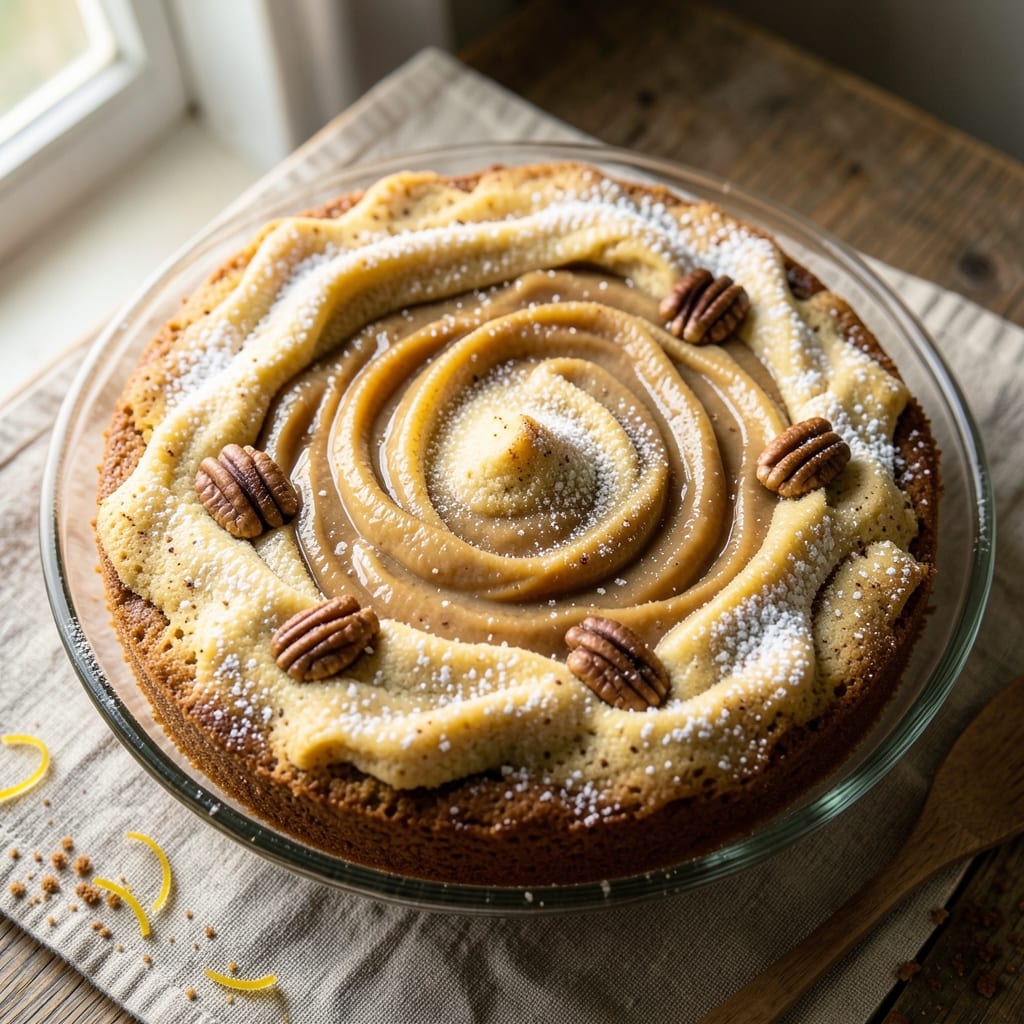
This banana cake recipe with self-rising flour delivers perfectly moist, tender layers with zero fuss—no mix-ins, no extra steps, just one bowl and a single pan. I developed this version after years of testing banana cakes, and the secret lies in self-rising flour's built-in leavening and moisture control, which eliminates the need for baking powder or extra liquids. The result? A cake that's rich, flavorful, and foolproof for home bakers of all skill levels.
What makes this recipe truly special is its simplicity: just ripe bananas, eggs, oil, and self-rising flour come together in minutes, with no measuring cups to clean afterward. The cake bakes up with a golden crust and a velvety interior that stays moist for days, thanks to the bananas' natural sweetness and the flour's unique properties. This is the kind of dessert that feels indulgent but requires minimal effort—ideal for weeknight baking or last-minute gatherings.
The beauty of this method is its versatility. You can keep it classic with a simple powdered sugar dusting or elevate it with a cream cheese glaze or caramel drizzle. The cake's gentle sweetness also pairs beautifully with fresh berries or a scoop of vanilla ice cream. Whether you're feeding a crowd or treating yourself to a midweek pick-me-up, this recipe delivers restaurant-quality results with pantry staples.
Ready in under an hour, this banana cake is perfect for using up overripe bananas while creating a dessert that tastes like it came from a bakery. The self-rising flour does all the heavy lifting, so you can focus on enjoying the process—and the delicious results. Let's get baking!
Ingredients for banana cake recipe with self rising flour
Just five core ingredients and a single bowl transform ripe bananas into bakery-style cake.
| Ingredient | Amount | Notes |
|---|---|---|
| Ripe Bananas 🍌 | 3 medium | Mashed thoroughly for sweetness |
| Self-Rising Flour 🌾 | 2 cups | No baking powder needed |
| Large Eggs 🥚 | 2 whole | Room temperature preferred |
| Vegetable Oil 🫒 | ½ cup | Light or canola preferred |
| Granulated Sugar 🍚 | ½ cup | Optional, skip for less sweetness |
| Vanilla Extract 🌿 | 1 tbsp | Pure extract preferred |
| Baking Soda 🧂 | ½ tsp | Ensures proper rise |
| Salt 🧂 | ¼ tsp | Balances sweetness |
| Powdered Sugar 🍚 | ¼ cup | For dusting, optional |
| Unsalted Butter 🧈 | 2 tbsp | For optional glaze |
| Heavy Cream 🥛 | ¼ cup | For optional glaze |
The bananas are everything here—look for ones so soft they yield to gentle pressure. Trader Joe's and Whole Foods usually have the riper ones in the back of the produce section. Self-rising flour is non-negotiable—it's got the baking powder and salt already mixed in, so no measuring cups to clean. For the oil, light or canola keeps things light, but coconut oil works too if you want a subtle flavor boost. The vanilla? Pure extract makes a difference—skip the imitation stuff. I always double-check my flour's freshness by smelling it: if it smells stale, I toast it in a dry pan for 2 minutes to revive it.
No ripe bananas? Frozen bananas work perfectly—thaw and mash them. Short on sugar? The bananas' natural sweetness carries it, but maple syrup at half the amount adds depth. Want extra moisture? Add 1/4 cup Greek yogurt. The powdered sugar dusting is optional, but if you're making a glaze, melt the butter and cream together—it's foolproof. For a citrus twist, add 1 tbsp lemon juice. And if you're worried about the cake being too dense, whisk the eggs and sugar first—it incorporates air.
This cake keeps beautifully for 4-5 days in an airtight container at room temperature, though it's best enjoyed fresh. For longer storage, wrap tightly and freeze for up to 3 months. I always bake an extra batch—it reheats perfectly in the microwave (30 seconds) or oven (15 minutes at 300°F). The glaze, if made, can be stored separately for 1 week in the fridge. Pro tip: Sprinkle extra powdered sugar on top right after baking—it stays crisp and pretty.
Why You'll Love This Recipe
- No Mixing Madness: I swear by this recipe because it’s the only cake I’ll bake when I’m exhausted. Self-rising flour means no measuring baking powder/salt separately—just toss in the bananas, eggs, and oil, then stir. The batter’s thick but forgiving, and the cake rises like magic without fuss.
- Sweet-Spiced Magic: That caramelized banana flavor? It’s like dessert hugs you. The ripe bananas turn the cake moist and subtly sweet, while the eggs and sugar create this perfect balance—no artificial flavors, just pure, warm satisfaction. Honestly, it tastes like my grandma’s kitchen but with half the effort.
- Leftovers That Last: This cake stays fresh for days, and honestly? It’s even better the next day. Slice it for breakfast with peanut butter, pack it in lunches, or freeze slices for quick snacks. I’ve had it cold, warm, or at room temp—it’s always a hit. (Yes, even on a Tuesday night.)
- Budget Breakthrough: Self-rising flour cuts costs, ripe bananas are cheap when spotted at the store, and you’re using pantry basics. No fancy ingredients, no wasted leftovers—just a cake that feeds a crowd without breaking the bank. I’ll be real: my grocery bill thanks me every time.
Step-by-step instructions for banana cake with self-rising flour
This cake comes together in one bowl with no extra mix-ins—just ripe bananas and a few simple steps.
Mash the Ripe Bananas Thoroughly
Start by peeling the 3 medium ripe bananas and placing them in a large mixing bowl. Use a fork or potato masher to mash them until completely smooth with no visible lumps. The bananas should be soft enough to spread like a thick puree—this ensures even distribution in the batter. If you prefer a smoother texture, you can also use a hand mixer for 10-15 seconds on low speed.
Ripe bananas are key here—they're naturally sweet and help keep the cake moist. If your bananas aren't perfectly ripe, place them in a paper bag with an apple for 24 hours to speed up the ripening process. The mashed bananas should smell sweet and fragrant, not sour or overly fermented.
Whisk in Wet Ingredients
Add the 2 whole large eggs, 0.5 cup vegetable oil, 0.5 cup granulated sugar (if using), and 1 tablespoon vanilla extract to the mashed bananas. Using a whisk or rubber spatula, stir everything together until fully combined and smooth. The batter should be thick but pourable—like a rich, creamy pudding.
I like to let the batter sit for 2-3 minutes at this stage. This allows the flour to begin absorbing some of the liquid, which helps prevent a dense cake. If you notice the batter separating, just give it another quick stir. The mixture should be uniform in color with no streaks of flour remaining.
Gently Fold in Dry Ingredients
Sprinkle the 2 cups self-rising flour, 0.5 teaspoon baking soda, and 0.25 teaspoon salt over the wet ingredients. Using a spatula, gently fold everything together just until combined—you should still see some small flour streaks. Overmixing develops gluten, which can make the cake tough. Stop mixing as soon as the dry ingredients disappear.
Here's the thing—self-rising flour already contains baking powder and salt, so we're not adding any extra leavening agents. The baking soda in this recipe ensures proper rise, but we don't want to overwork the batter. The mixture should be thick and slightly sticky, almost like a thick pancake batter. If it looks too dry, add 1-2 tablespoons of milk (though our recipe doesn't call for it).
Prepare and Bake the Cake
Preheat your oven to 350°F and grease an 8-inch round cake pan or line it with parchment paper. Pour the batter into the prepared pan and smooth the top with a spatula. Tap the pan gently on the counter 2-3 times to remove any air bubbles that might have formed during mixing.
Bake for 30-35 minutes, or until a toothpick inserted into the center comes out clean (though it might have a few moist crumbs). The edges should be golden brown, and the top should spring back when gently pressed. If your oven runs hot, you might need to reduce the temperature to 325°F for the last 5-10 minutes to prevent overbrowning.
Optional Glaze and Serving
While the cake is still warm, prepare the optional glaze by melting the 2 tablespoons unsalted butter in a small saucepan over low heat. Remove from heat and whisk in the 0.25 cup heavy cream and 0.25 cup powdered sugar until smooth. Let it cool slightly, then drizzle over the warm cake.
Let the cake cool in the pan for 10 minutes, then transfer it to a wire rack to cool completely. The glaze will set as it cools, creating a beautiful finish. This cake tastes best at room temperature, so if you're in a hurry, you can serve it warm with a scoop of vanilla ice cream. The texture should be tender and moist, with a subtle banana flavor that shines through.
Pro Tips For Making Banana Cake Recipe With Self Rising Flour
- Mash Bananas Thoroughly: I learned this the hard way—lumpy mashed bananas mean a cake with weird pockets of texture. Use a fork first to break them up, then press through a fine-mesh sieve or run them through a food mill. No sieve? A potato masher works in a pinch, but you’ll need to strain out the big chunks later.
- Preheat Pan and Grease Well: Self-rising flour cakes have a tendency to stick, especially if your pan isn’t hot enough. Preheat your oven to 350°F (175°C) and grease the pan generously—use about 2 tablespoons of vegetable oil, then dust with flour, tapping out the excess. (Yes, even if you’re impatient like me.)
- Don’t Overmix the Batter: Self-rising flour already has baking powder and salt, so once you combine it with the wet ingredients, stop stirring after just 10-12 strokes. Overmixing makes the cake dense and tough—like chewing on a sponge instead of sinking your teeth into moist, tender layers. Fold in any extra ingredients (like nuts or chocolate chips) last to keep them distributed.
- Check Doneness with a Toothpick: The cake will look underdone when the edges pull away from the pan, but resist the urge to open the oven early. Insert a toothpick into the center—it should come out with a few moist crumbs, not wet batter. If it’s clean, it’s overdone; if it’s sticky, give it 5 more minutes. (Your future self will thank you for not guessing.)
Perfect pairings for these flavors
Classic Pairings
This banana cake pairs beautifully with a simple vanilla ice cream—the cool creaminess balances the cake's natural sweetness. I always keep a tub of Blue Bell Homemade Vanilla on hand for this recipe. For a lighter option, try coconut whipped cream—it adds a tropical twist that complements the banana flavor. 🍦
Fruit Toppings
Fresh berries make stunning garnishes while adding a bright contrast. I love slicing strawberries or blueberries and arranging them on top just before serving. For a tropical vibe, add mango slices or pineapple chunks. The acidity cuts through the cake's richness perfectly.
Coffee or Tea
Serve slices with a cup of hot coffee or Earl Grey tea to enhance the cake's flavors. The tannins in black tea create a lovely contrast, while coffee's bitterness balances the sweetness. I often make a quick vanilla chai latte for an extra-special pairing.
Chocolate Drizzle
For chocolate lovers, melt ½ cup semi-sweet chocolate chips with 1 tbsp coconut oil and drizzle over warm cake slices. The contrast between the banana cake and chocolate is pure magic. I use Ghirardelli baking chips for the best flavor. 🍫
Spiced Cream Cheese
Whip 4 oz cream cheese with 1 tbsp powdered sugar and ½ tsp cinnamon for a spiced spread. Serve with cake slices for a sophisticated dessert. This pairing works especially well with the cake's natural banana flavor.
Warm Spiced Nuts
Toast ½ cup pecans or walnuts with 1 tsp cinnamon and ½ tsp brown sugar in a dry pan until fragrant. Sprinkle over cake slices for added crunch and warmth. This adds a delightful texture contrast that elevates the dessert experience.
Nutrition facts
Frequently asked questions
Can I substitute regular flour for self-rising flour in this banana cake?
You can, but the texture will differ. Use 2 cups all-purpose flour plus 1.5 teaspoons baking powder and 0.5 teaspoon salt to mimic self-rising flour. The cake may be slightly denser without the built-in moisture from self-rising flour's baking powder. For best results, stick with self-rising flour—it's designed to work perfectly with ripe bananas!
How do I know when my bananas are ripe enough for this recipe?
Look for bananas that are soft to the touch with brown spots on the peel. When you press gently, they should yield slightly. The riper the bananas, the sweeter and moister your cake will be. If your bananas aren't quite there, place them in a paper bag with an apple for 24 hours to speed up ripening. Overripe bananas (black peel) work too—they're just sweeter!
Why did my cake turn out dense instead of moist?
Dense cake usually means overmixing or underripe bananas. Mix just until combined—stop when flour disappears. Also, ensure your bananas are ripe (soft with brown spots). Another tip: don't overbake—remove when a toothpick comes out with moist crumbs. Self-rising flour needs gentle handling to maintain its airy properties. Try letting the batter rest 5 minutes before baking too!
Can I make this cake in a different pan size?
Yes! For a 9-inch round pan, reduce baking time to 25-30 minutes. For a 9x13-inch pan, bake at 325°F for 35-40 minutes. Adjust based on your oven. The key is to bake until the center reaches 205°F. Always grease or line your pan well—banana batter sticks if not prepared properly. For best results, stick with the 8-inch round pan in the recipe!
How can I make this cake gluten-free?
Replace the self-rising flour with a 1:1 gluten-free baking flour blend (like Bob's Red Mill) plus 1.5 teaspoons xanthan gum and 1.5 teaspoons baking powder. Add 0.5 teaspoon extra salt since GF flours often lack it. The texture will be slightly different but still delicious. Test your GF flour blend first—some brands behave differently in baking!