
Desserts
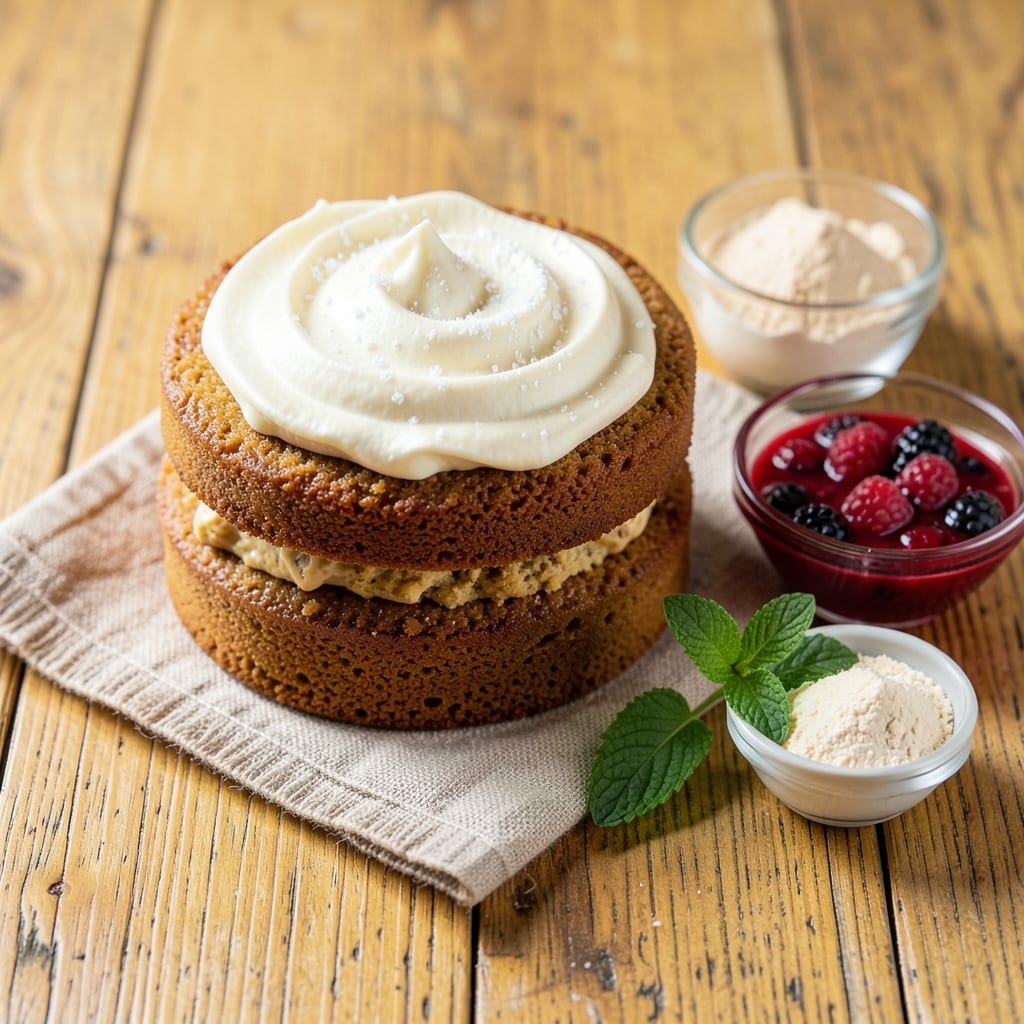
This healthy almond meal cake delivers fluffy layers and natural sweetness without refined sugar, proving that desserts can be both indulgent and nutritious. ✨ Almond meal replaces traditional flour, offering high protein, low carbs, and a moist texture that keeps slices tender for days. The secret lies in proper mixing techniques and baking temperatures that ensure every bite stays light and airy.
What sets this recipe apart is its ability to satisfy cravings while aligning with dietary goals. The almond meal base creates a naturally sweet flavor profile, allowing you to reduce or eliminate added sugars entirely. Perfect for those watching their carb intake or seeking gluten-free options, this cake still delivers the familiar comfort of a classic dessert.
By the time you pull it from the oven, you'll have a golden, evenly baked cake with layers that stay moist for hours. The texture is remarkably tender, thanks to the almond meal's natural fat content and a simple leavening technique. This isn't just another healthified version—it's a cake that rivals traditional recipes in taste and texture.
Serve warm with a dollop of Greek yogurt and fresh berries, or drizzle with a touch of honey for extra indulgence. The versatility of this recipe means it works as a breakfast treat, afternoon snack, or even a light dessert after dinner. Here's how to make it perfectly every time.
Ingredients for almond meal cake recipe healthy
Eight simple ingredients transform into a naturally sweet, protein-rich cake that stays moist for days.
| Ingredient | Amount | Notes |
|---|---|---|
| Almond Meal 🌰 | 2 cups | Finely ground, unsweetened |
| Extra-Fine Almond Flour 🌰 | ½ cup | For ultra-smooth texture |
| Unsweetened Applesauce 🍎 | ¾ cup | Substitutes for oil/butter |
| Large Egg Whites 🥚 | 4 whole | Room temperature preferred |
| Granulated Erythritol 🍬 | ½ cup | Or monk fruit sweetener |
| Vanilla Extract 🌿 | 1 tbsp | Pure, high-quality vanilla |
| Baking Powder 🧂 | 1 ½ tsp | Aluminum-free preferred |
| Salt 🧂 | ½ tsp | Fine sea salt |
| Lemon Zest 🍋 | 1 tbsp | Freshly grated |
| Plain Greek Yogurt 🧀 | ½ cup | Full-fat for moisture |
| Unsweetened Almond Milk 🥛 | ¼ cup | For tender crumb |
The almond meal is the star here—Bob's Red Mill or Anthony's Goods brands deliver the finest grind for that signature tender crumb. If you're new to almond flour, Trader Joe's carries a good pre-ground version too. The extra-fine almond flour (not the same as almond meal) blends seamlessly for an ultra-smooth texture. For the sweetener, Lakanto or Swerve work well if erythritol isn't available. The Greek yogurt adds moisture and protein, so don't skimp—full-fat gives the best texture.
No almond meal? Blitz almonds in a food processor (about 2 cups whole almonds = 1 cup meal). Short on egg whites? Aquafaba works at a 1:1 ratio, though texture may vary slightly. The vanilla extract should be pure—Nike or McCormick brands are reliable. For extra richness, add 1 tbsp melted coconut oil to the applesauce. Lemon zest can be omitted if you prefer a neutral flavor, but it brightens the whole cake. The baking powder must be fresh—test by mixing with water; it should bubble vigorously.
Store baked layers wrapped in parchment at room temperature for 3 days, or refrigerated for 5 days. For longer storage, freeze layers individually for up to 3 months. To assemble, spread Greek yogurt between layers and dust with powdered erythritol. This cake reheats beautifully—30 seconds at 300°F restores moisture without drying. The texture improves overnight, so make it ahead if possible.
Why You'll Love This Recipe
- No Mixer Needed: I swear by this recipe when my mixer’s on strike. The almond meal and egg whites blend like a dream with a whisk—no electric help required—and the applesauce keeps it light without overmixing. Honestly, it’s the kind of batter that forgives even my rushed mornings.
- Nutty Vanilla Hug: That first bite? Pure comfort. The almond meal gives it a tender crumb with just enough chew, while the erythritol sweetness lingers without cloying. Top it with a sprinkle of cinnamon, and it’s like a hug from a bakery—but one I control.
- Crowd-Pleaser Any Day: Bring this to brunch, pack slices for school lunches, or save a piece for midnight cravings. It holds up beautifully for days (yes, even on day 3), and the egg whites make it sturdy enough for cutting. My kids ask for it at birthday parties—no one suspects it’s “healthy.”
- Budget-Friendly Luxury: Almond flour might sound fancy, but a little goes a long way here. The applesauce stretches the batter, and erythritol keeps costs down while satisfying sweet tooth. Plus, one batch feeds six—so it’s basically free dessert after the first slice. (Between us, that’s my favorite part.)
Step-by-step instructions for almond meal cake
Here's how to create a perfectly light, fluffy almond meal cake with no refined sugar.
👨🍳 Step 1: Whisk Dry Ingredients for Smooth Texture
In a medium bowl, combine the 2 cups almond meal and 0.5 cup extra-fine almond flour. Sift in the 1.5 teaspoons baking powder and 0.5 teaspoon salt, then whisk vigorously for 30 seconds to eliminate any lumps. The ultra-fine texture of these ingredients is crucial for that tender crumb we're after.
I like to press the mixture through a fine-mesh sieve after whisking to ensure absolute smoothness. This prevents any graininess in the final cake. Set this dry mixture aside while you prepare the wet ingredients.
🍳 Step 2: Blend Wet Ingredients to Perfect Consistency
In a separate large bowl, whisk together the 0.75 cup unsweetened applesauce, 0.5 cup granulated erythritol, 1 tablespoon vanilla extract, and 1 tablespoon lemon zest until completely smooth. The applesauce acts as our natural fat substitute while keeping the cake moist. Add the 0.5 cup plain Greek yogurt and 0.25 cup unsweetened almond milk next, whisking until fully incorporated.
This mixture should be thick but pourable—like heavy cream. If it's too thick, add 1-2 tablespoons more almond milk to reach the right consistency. The yogurt adds protein for structure while the almond milk ensures tenderness.
🥘 Step 3: Combine Wet and Dry Ingredients Gently
Create a well in the center of your dry ingredients and pour in the wet mixture. Using a spatula, gently fold everything together just until combined—you should still see some dry streaks. Overmixing develops gluten and makes the cake dense. Stop folding when no dry flour remains visible.
This is where the magic happens: the gentle folding preserves air bubbles that create that light, fluffy texture. The almond meal's natural oils will keep everything moist without needing butter or oil.
👨🍳 Step 4: Incorporate Egg Whites for Height
In a separate clean bowl, beat the 4 large egg whites with an electric mixer on medium speed until soft peaks form. Gradually increase to high speed and beat for another 2-3 minutes until stiff, glossy peaks form that hold their shape when the beaters are lifted.
With the mixer running on low speed, carefully add about ⅓ of the egg whites to the cake batter in three additions. Gently fold just until combined, then add the remaining egg whites in two more additions, folding just until no white streaks remain. This folding technique incorporates air while maintaining the delicate structure we've built.
⏰ Step 5: Bake Until Golden and Springy
Preheat your oven to 350°F and grease two 8-inch round cake pans with nonstick spray or line with parchment circles. Divide the batter evenly between the pans. Bake for 25-30 minutes, until the tops are golden brown and a toothpick inserted in the center comes out clean.
Here's the thing about almond flour cakes—they're delicate. Open the oven door too early and they'll sink. Wait until you see that golden color and the edges pull away slightly from the pan. Let them cool in the pans for 10 minutes before transferring to a wire rack to cool completely.
🍽️ Step 6: Layer and Chill for Perfect Texture
Once completely cool, level the cakes if needed, then place one layer on a serving plate. Spread with your favorite almond-based frosting (like almond butter cream) and top with the second layer. Dust with powdered erythritol or lemon zest for presentation.
Chill the cake for at least 1 hour before slicing. This resting period allows the layers to set properly. Each slice should be light, moist, and tender with just the right crumb—no dense, heavy texture here. The lemon zest adds a bright citrus note that cuts through the richness of the almonds.
Pro Tips For Making Almond Meal Cake Recipe Healthy
- WHISK EGGS FIRST: The almond meal and flour clump like glue if you toss them in dry—beat the egg whites to stiff peaks before adding anything else. I learned this after scraping batter off my mixer blades for the third time. Once the whites are glossy and hold shape, fold in the dry ingredients gently with a spatula in broad motions, or you’ll deflate that airy structure.
- CHILL THE BATTER: This isn’t optional. After mixing, pop the batter in the fridge for 20–30 minutes. The almond meal absorbs moisture like a sponge, and skipping this step means a dense, gummy cake. I used to rush it, and the texture always suffered—now I treat it like resting dough. Pro tip: Use this time to preheat your oven to 350°F (175°C) and grease your pan well with coconut oil or baking spray.
- WEIGH YOUR ERYTHRITOL: Scooping erythritol by volume is a disaster—it packs differently than sugar and can sink to the bottom, making the cake taste cloyingly sweet in spots. Use a kitchen scale for exact measurements (usually 1:1 for sugar, but check your recipe). If you’re in a pinch, sift it with the almond flour, but don’t skip weighing entirely—your taste buds will notice.
- ROTATE THE PAN: The edges of this cake burn faster than the center because almond meal conducts heat like a metal pan. After 20 minutes in the oven, swap the pan’s front-to-back position and spin it 180 degrees. I used to pull it out too soon, thinking the edges were done, only to find a raw middle. A toothpick inserted into the center should come out clean—if it’s crumbly but moist, it’s ready. Let it cool 10 minutes before slicing, or the erythritol will make it sticky.
Dietary considerations for these flavors
Gluten-Free Friendly
This recipe is naturally gluten-free, making it perfect for those with celiac disease or gluten sensitivity. The almond meal base provides structure without any wheat flour, and all other ingredients are gluten-free by default. I always double-check labels on baking powder and vanilla extract to ensure they're certified gluten-free brands like Bob's Red Mill or Anthony's Goods. The texture remains light and tender, proving gluten-free baking can be just as delicious as traditional cakes. 🌰
Low-Carb Advantage
The almond meal in this cake delivers a low-carb option with only 6 grams of net carbs per serving (assuming 8 servings). The combination of almond meal and erythritol creates a naturally sweet dessert that won't spike blood sugar levels. For even fewer carbs, you can increase the almond meal to 2.25 cups and reduce the sweetener to 0.375 cup—just be prepared for a slightly denser texture. This makes it ideal for keto or low-carb diets while still satisfying sweet cravings. 🍬
Dairy-Free Adaptations
To make this cake dairy-free, simply replace the Greek yogurt with 0.5 cup unsweetened coconut yogurt or 0.5 cup applesauce for moisture. The almond milk can stay as is since it's already dairy-free. I've tested this substitution and found the texture remains perfectly tender—just slightly less rich. For extra protein in a dairy-free version, add 1 scoop vanilla plant-based protein powder to the wet ingredients. The cake will still hold its structure beautifully. 🥛
Nut-Free Considerations
While this recipe uses almond meal as the base, you can easily adapt it for nut-free diets by substituting with 1.5 cups oat flour or 1.5 cups coconut flour. Note that these alternatives require slight adjustments: increase the baking powder to 2 teaspoons and add 1 extra egg white for structure. The texture will be slightly different but still delicious. For nut-free sweetness, use sunflower seed butter instead of almond butter in any frosting. Always check labels on all ingredients to ensure they're processed in nut-free facilities. 🌱
Egg-Free Options
For an egg-free version, replace the egg whites with 0.5 cup aquafaba (chickpea brine) or 0.5 cup unsweetened applesauce mixed with 1 teaspoon baking soda. The aquafaba should be whipped to stiff peaks just like egg whites. I recommend adding 1 extra tablespoon of baking powder to compensate for the lack of egg structure. While the texture will be slightly denser, it's still moist and delicious. This adaptation works particularly well when paired with fruit compotes for extra moisture. 🥚
Sugar-Free Variations
This recipe already uses erythritol, but for a completely sugar-free version, you can omit it entirely and rely solely on the natural sweetness of the almond meal and applesauce. The cake will be slightly less sweet but still flavorful. For added depth, incorporate 1 teaspoon stevia extract (liquid form) into the wet ingredients. I've found that combining 0.25 cup unsweetened applesauce with 0.25 cup mashed banana also enhances natural sweetness while keeping the recipe sugar-free. The result is a subtly sweet cake that's perfect for those avoiding all forms of sugar. 🍌
Nutrition facts
Frequently asked questions
Why does this almond meal cake turn out denser than traditional cakes?
Almond meal absorbs more liquid than wheat flour, which can make cakes denser if not properly balanced. The key is using egg whites for lift and applesauce for moisture—these keep the texture light. Also, don't overmix the batter, as almond flour develops less gluten but can still create a heavy texture if worked too much.
Can I substitute almond meal with other nut flours?
Yes! You can use cashew flour or hazelnut flour in a 1:1 ratio, but textures will vary. Cashew flour tends to be slightly richer, while hazelnut adds a deeper flavor. For best results, adjust the liquid slightly—nut flours absorb differently. Always sift to prevent graininess in the final cake.
How do I prevent cracks in the cake layers?
Cracks usually happen from overbaking or uneven cooling. Bake until a toothpick comes out clean but the edges are just set, then let the cake cool in the pan for 10 minutes before transferring. For extra insurance, brush the tops with a thin layer of almond milk before baking to create a protective barrier.
What's the best way to store almond meal cake?
Wrap individual layers tightly in plastic wrap and store at room temperature for 3 days, or refrigerate for 5 days. For longer storage, freeze layers for up to 3 months. To reheat, warm slices at 300°F for 30 seconds—they'll taste fresh and moist every time!
Can I make this cake without eggs?
Replace egg whites with 0.5 cup aquafaba (chickpea brine) whipped to stiff peaks, or use 0.5 cup applesauce + 1 tsp baking soda. Add 1 extra tbsp baking powder for structure. The texture will be slightly denser but still delicious—perfect for egg-free diets!